A Stormy Landscape — History & Analysis
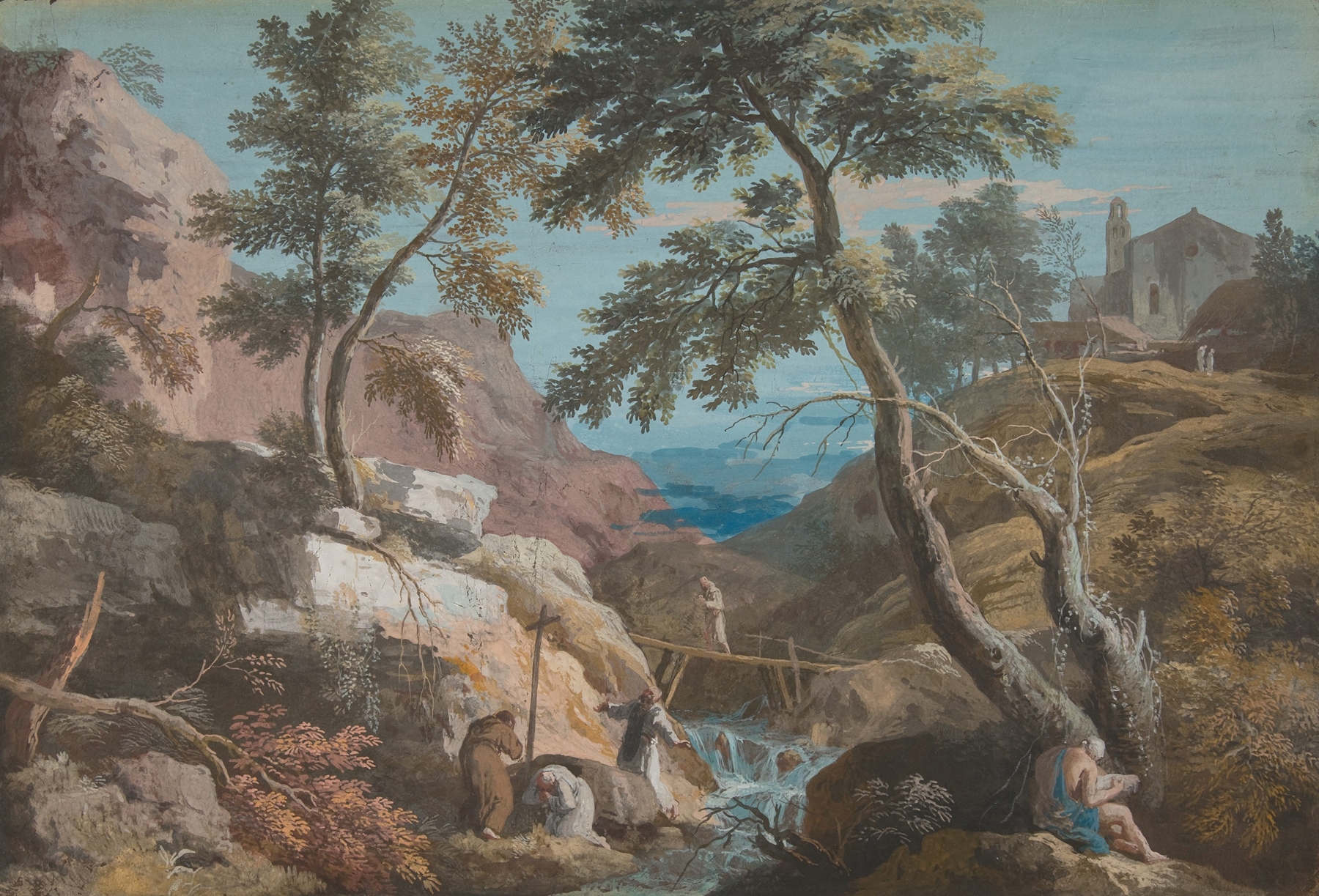
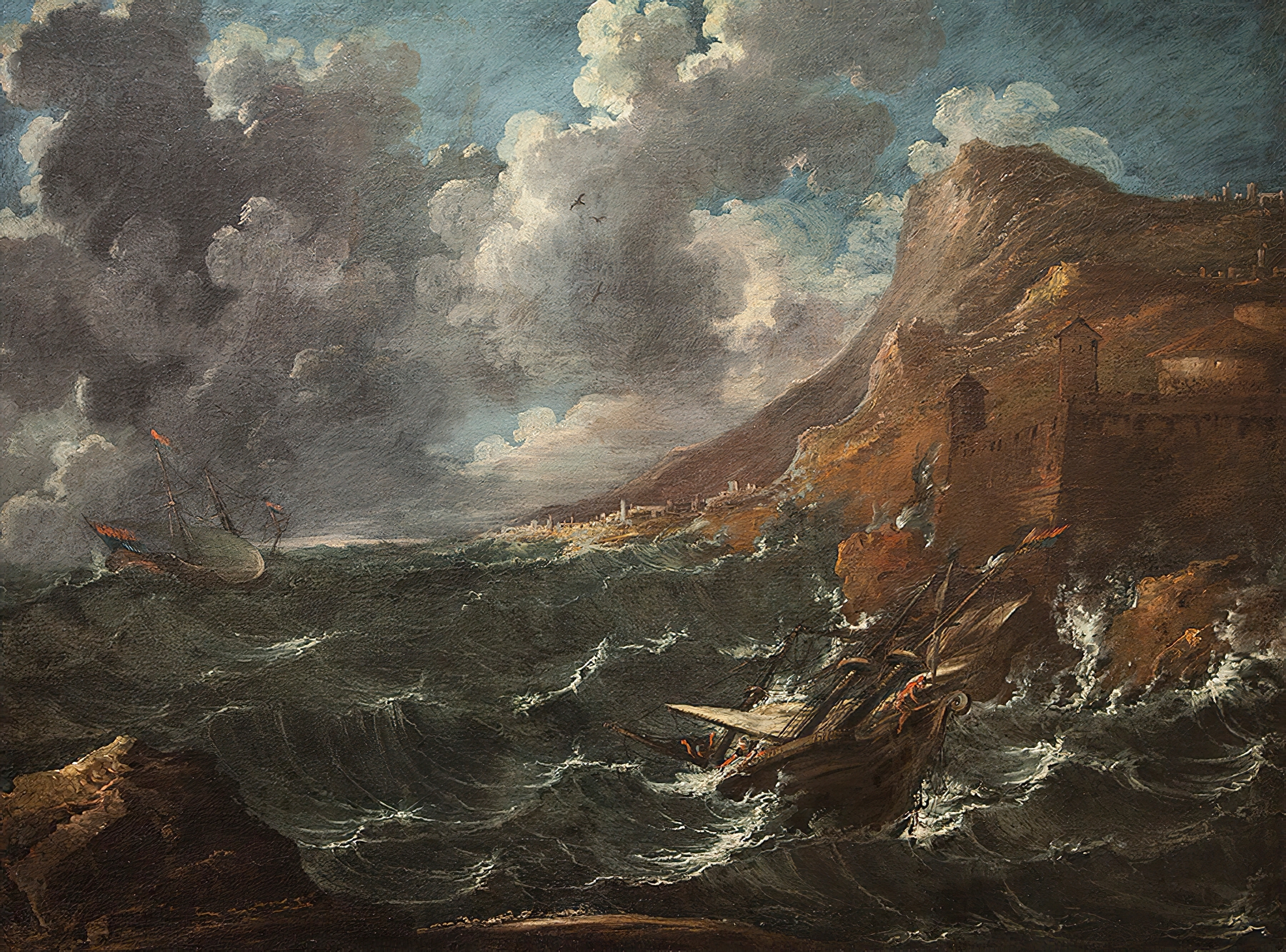
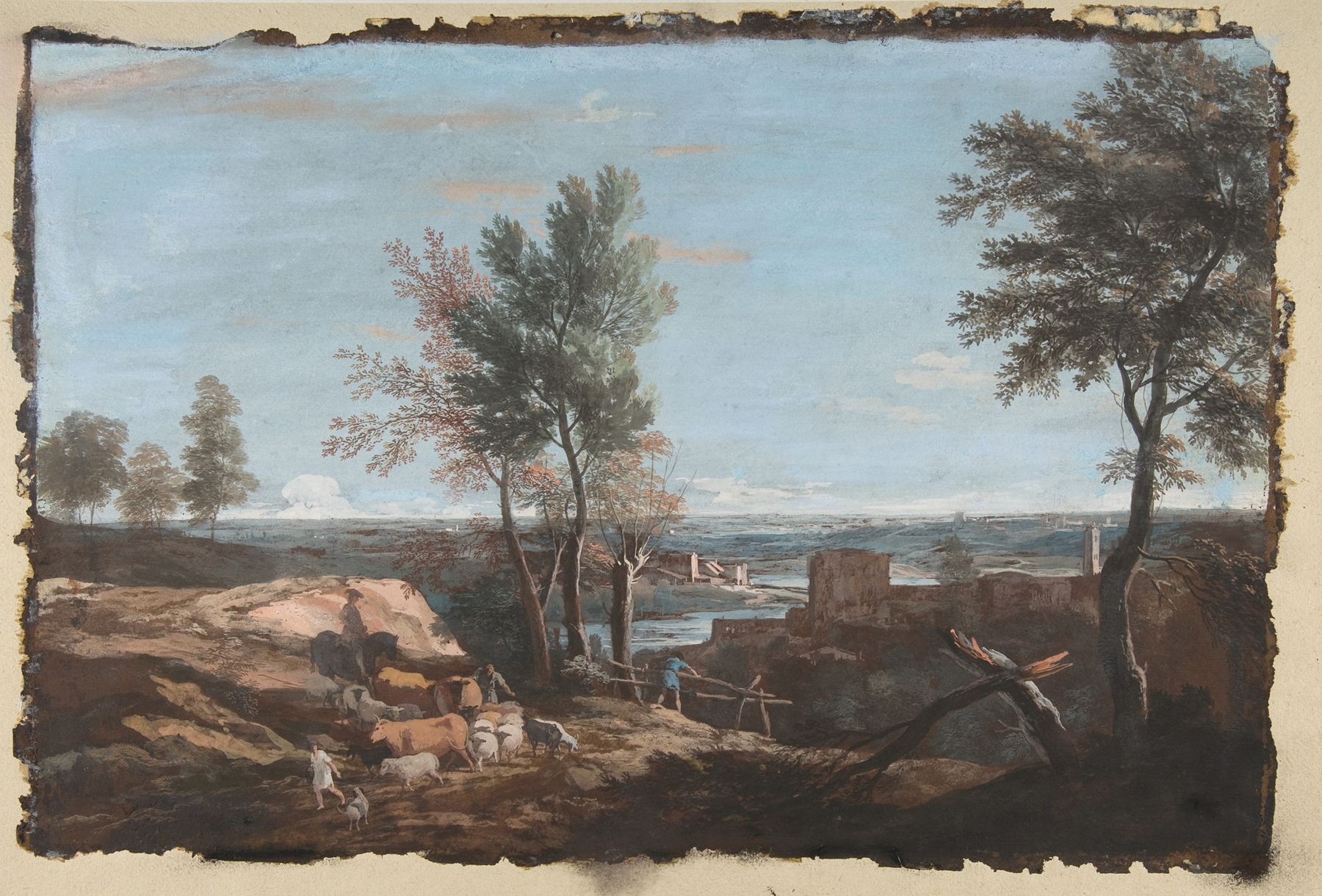
Could beauty survive in a century of chaos? In A Stormy Landscape, the answer unfurls across a tumultuous sky, where nature's fury collides with a sublime sense of wonder. Look to the center of the canvas, where dark, roiling clouds dominate the horizon. Their swirling forms are punctuated by bright flashes of lightning, illuminating the scene with an otherworldly glow.
The tumult runs deep, yet amidst this chaos lies a serene, almost ethereal light that bathes the distant hills in soft hues of gold and green, inviting the viewer to contemplate the contrast between destruction and tranquility. The juxtaposition of vibrant colors against the stormy backdrop reveals a profound narrative of resilience. The wild trees, bent but unbroken, stand as silent witnesses to the tempest, embodying a struggle that transcends mere survival. The subtle interplay of light and shadow not only emphasizes the physical drama but also evokes a sense of awe—the beauty of nature’s power and the fragility of peace coexisting in stark harmony.
In the early 18th century, Marco Ricci painted this masterpiece while living in Venice, a time marked by artistic transition and philosophical exploration. The Baroque era was waning, giving way to new perspectives in art and thought, and Ricci’s work reflects the tension of his time—a relationship with nature that acknowledged both its ferocity and its grace. This painting, created around 1725, stands as a testament to the artist's ability to capture the sublime amidst chaos, inviting viewers to find beauty in the storm.