Venetian Capriccio With a Body Being Exhumed and a Franciscan Monk in Attendance — History & Analysis
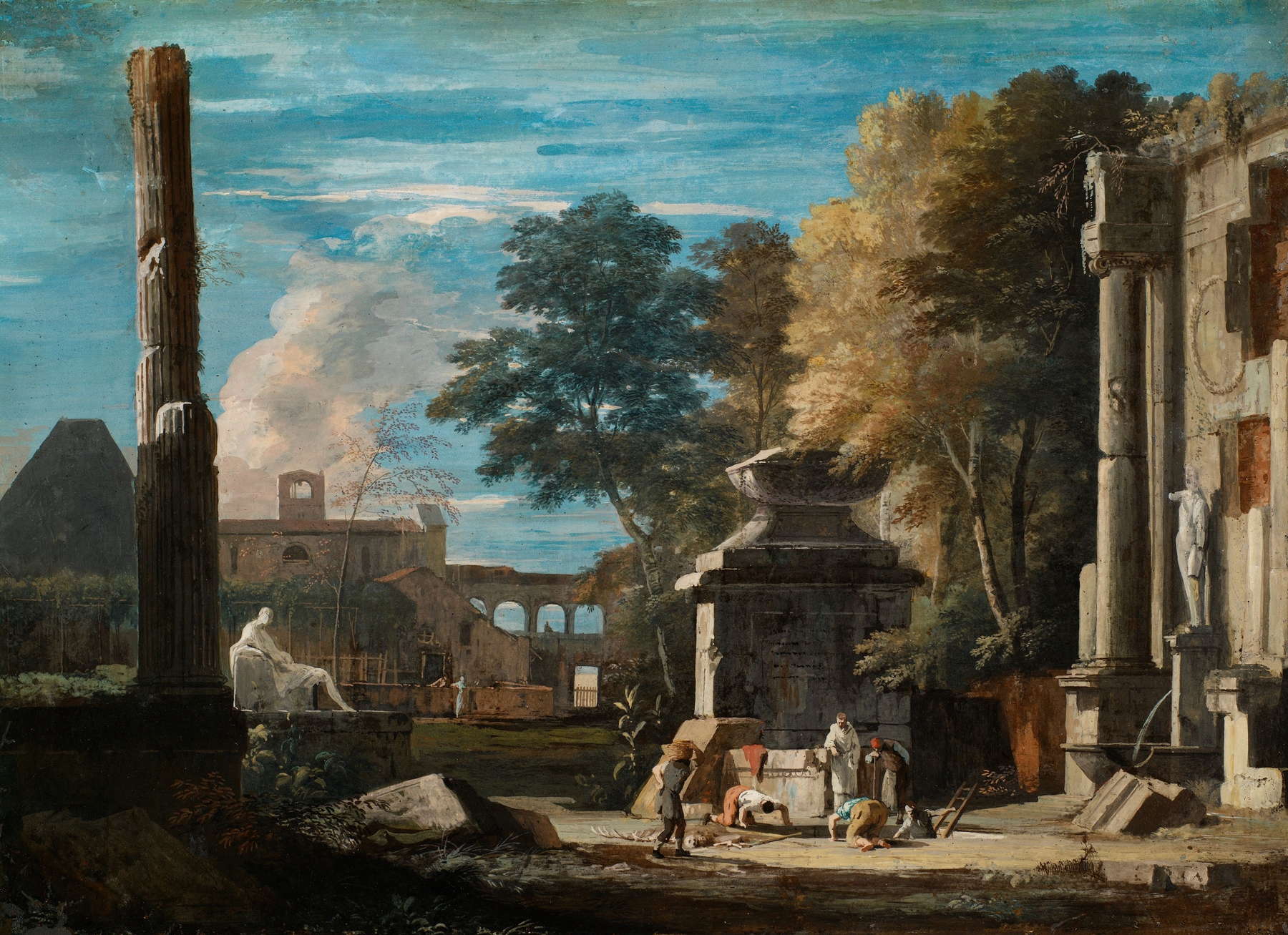
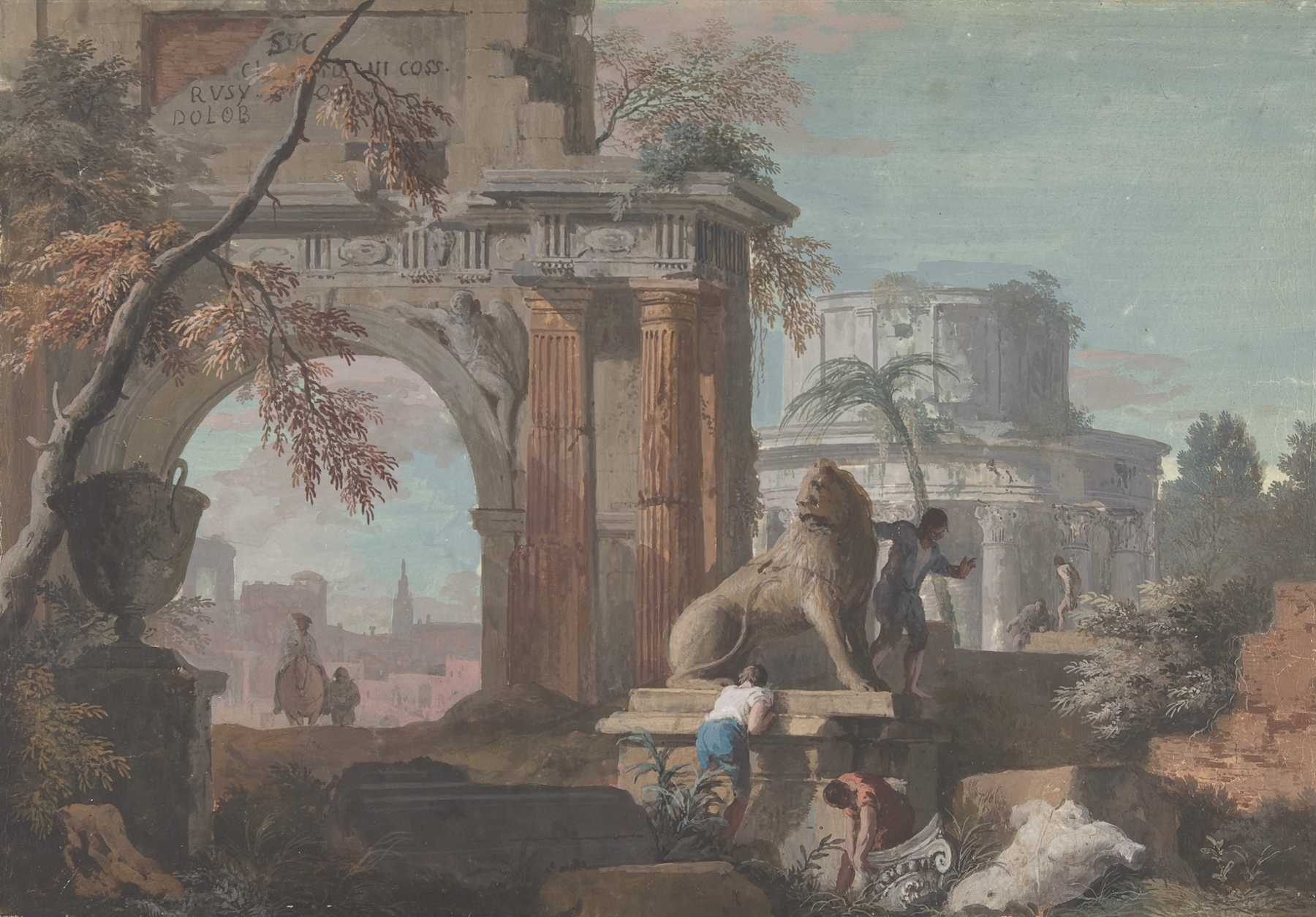
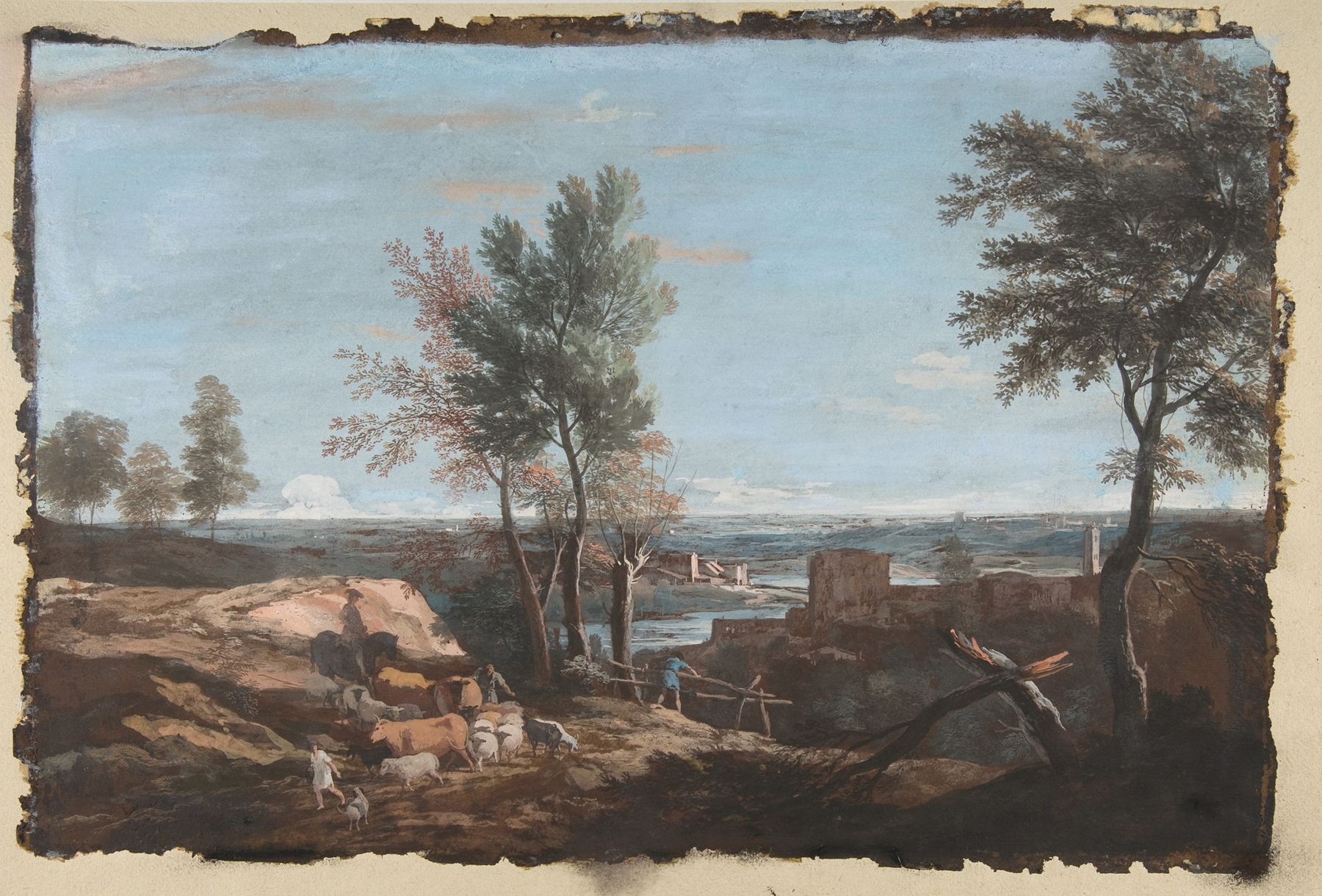
What secret hides in the quiet of the canvas? Beneath the surface of daily life, time unravels its relentless threads, revealing the past that lingers among us. Look to the left at the somber figure of the Franciscan monk, his brow furrowed in contemplation as he stands in the shadow of a crumbling archway. The muted palette—grays blending into soft earth tones—invites a sense of stillness while the whispered brushstrokes suggest a gentle breeze rustling through the scene.
Notice how the distant figures, shrouded in mystery, draw our gaze toward the central act of exhumation, an eerie juxtaposition of mortality and reverence that challenges both the viewer’s curiosity and discomfort. This painting is a meditation on time’s duality. The act of exhumation speaks to the transience of life, yet the monk’s presence hints at a search for redemption and understanding, a sacred dialogue with the past. The contrast between light and shadow amplifies the emotional tension, suggesting a dance between the known and the unknown—a reminder that while bodies may decay, memories and narratives endure, weaving a tapestry of human experience.
Created during the early 18th century, Venetian Capriccio With a Body Being Exhumed and a Franciscan Monk in Attendance emerged from Marco Ricci's explorations in Venice, where art was undergoing a transformation. The Baroque period was reaching its zenith, marked by dramatic themes and a focus on emotional depth. Ricci, navigating this cultural shift, harnessed the tensions of his time, capturing the intersection of life, death, and the passage of moments that linger long after they have faded.