Capriccio with Roman Ruins — History & Analysis
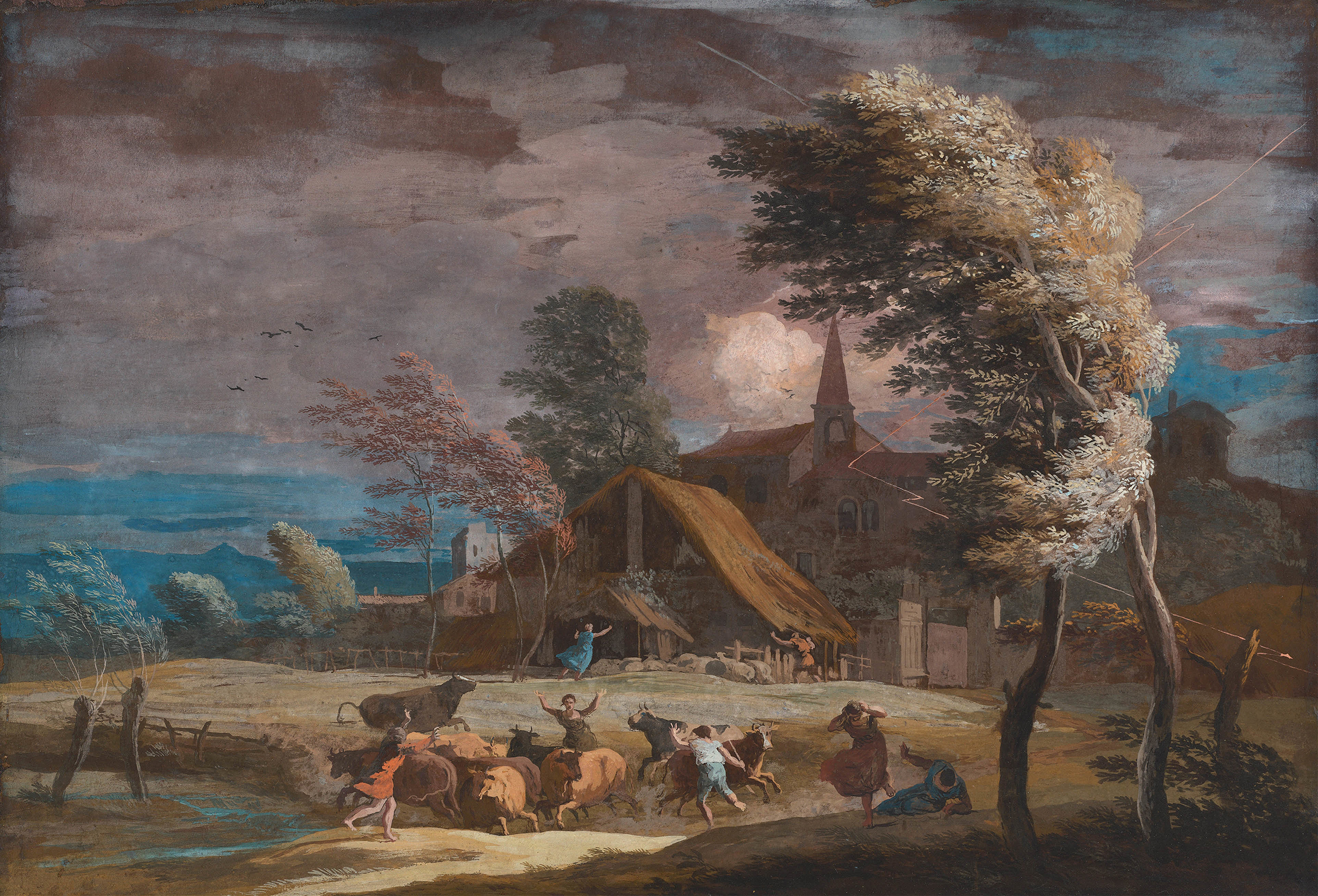
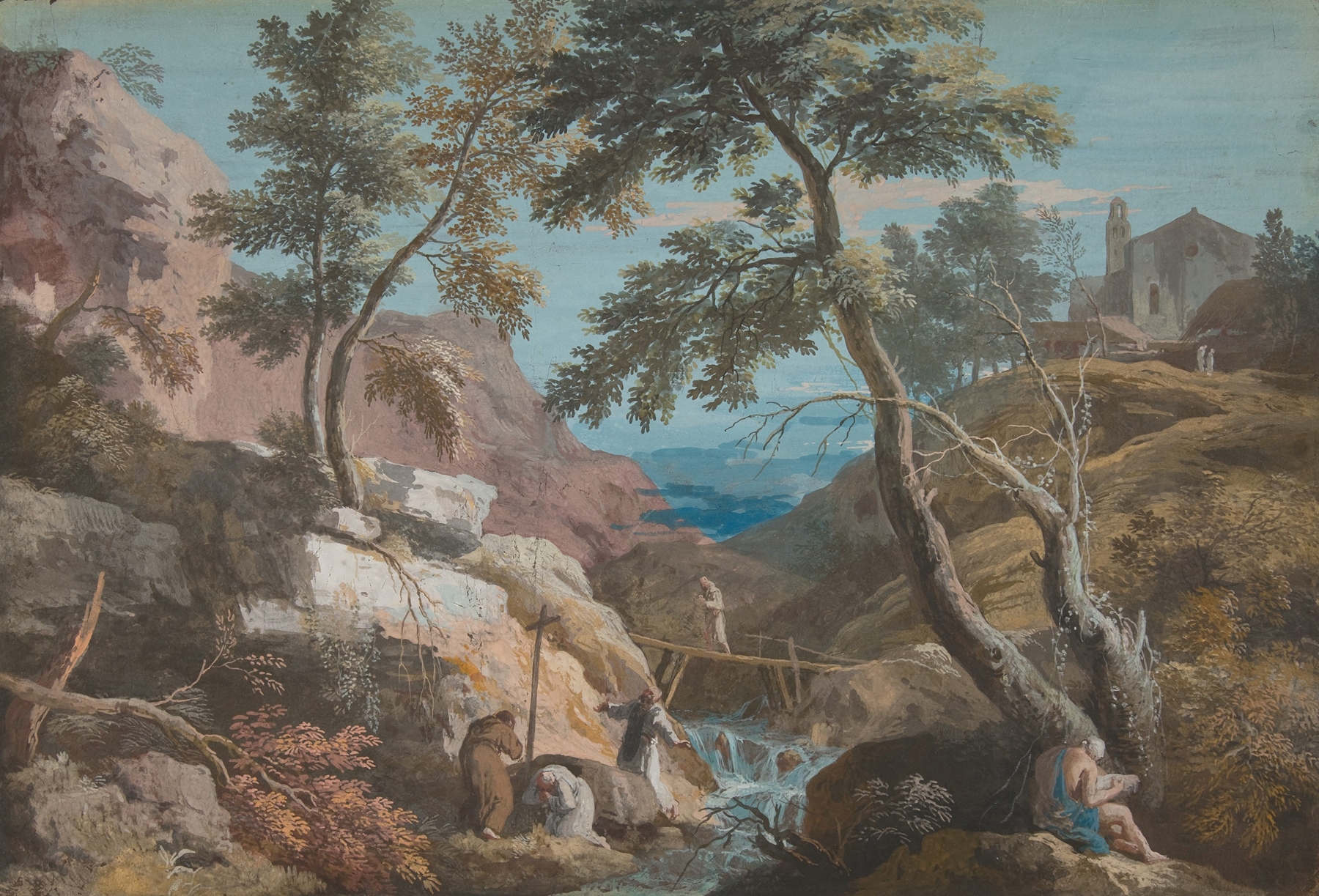
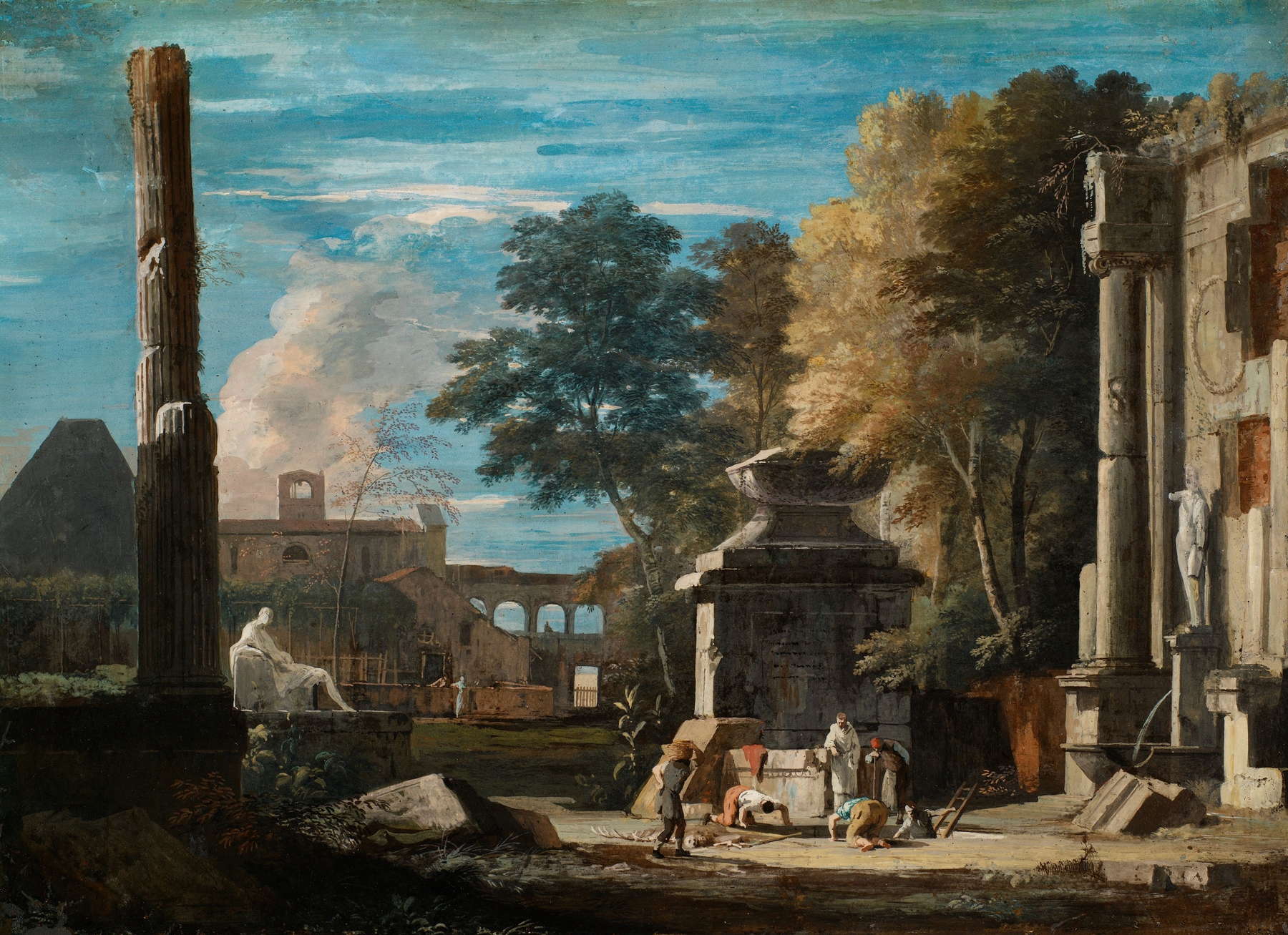
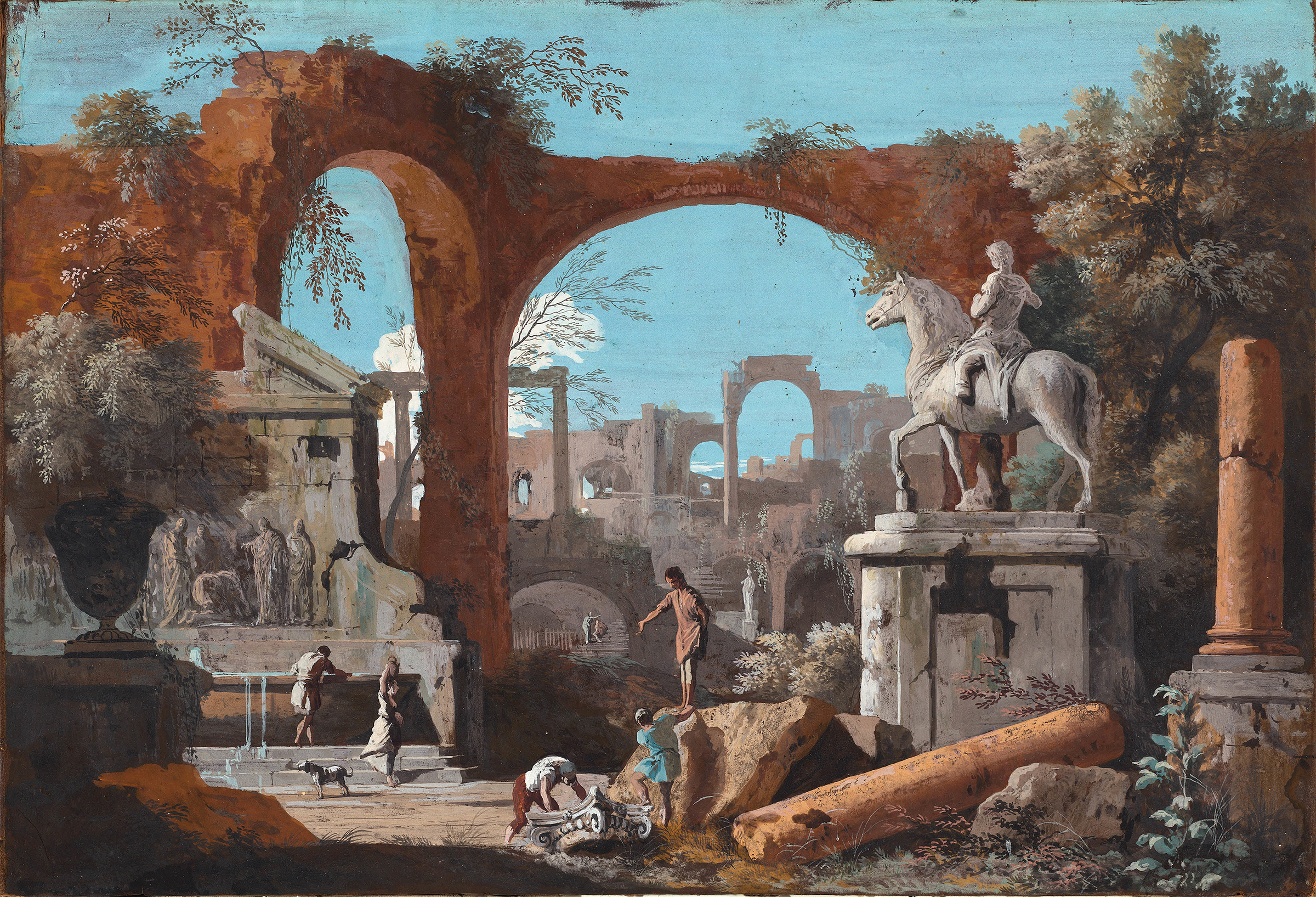
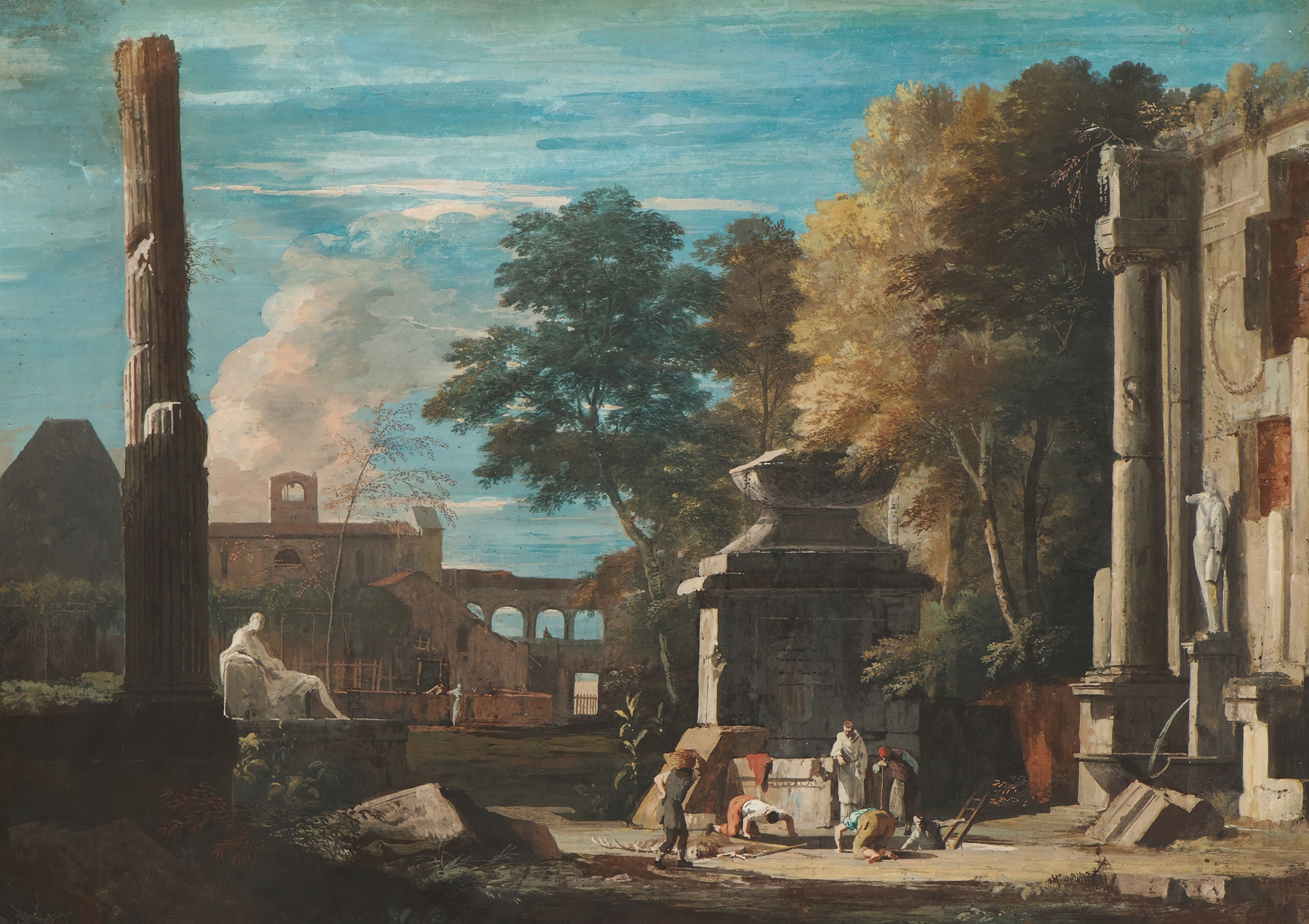
“The canvas doesn’t lie — it simply waits.” In that silence, awe unfurls, revealing the echoes of a forgotten era through the brushstrokes of a master. Look to the center, where the majestic Roman ruins rise amidst a panoramic landscape, drawing the eye into a harmonious dialogue between nature and architecture. The soft blues and warm ochres of the sky create a sense of eternity, while the light dances over the crumbling columns, highlighting their once-grand stature. Each detail, from the delicate vines to the distant horizon, invites the viewer to appreciate the serenity of decay and the passage of time.
Beyond the immediate beauty lies a deeper tension, a contrast between the faded glory of the ruins and the vibrant life surrounding them. Notice how the figures scattered throughout the scene appear almost ephemeral, hinting at the transitory nature of human existence against the backdrop of enduring stone. The juxtaposition of light and shadow serves to evoke a sense of nostalgia, as if the past speaks softly through the remnants of a once-thriving civilization.
During the period between 1676 and 1730, Marco Ricci painted Capriccio with Roman Ruins amidst a flourishing era of Italian art, where the Baroque influence was gradually giving way to the more pastoral and idealized Rococo style. He was exploring the picturesque landscapes of Italy, reflecting both personal and societal shifts, resonating with a growing fascination for classical themes and romantic notions of nostalgia. This work encapsulates his ability to blend imagination with reality, making him a pivotal figure in the evolution of landscape painting.