Venetian Capriccio With a Body Being Exhumed and a Franciscan Monk in Attendance — History & Analysis
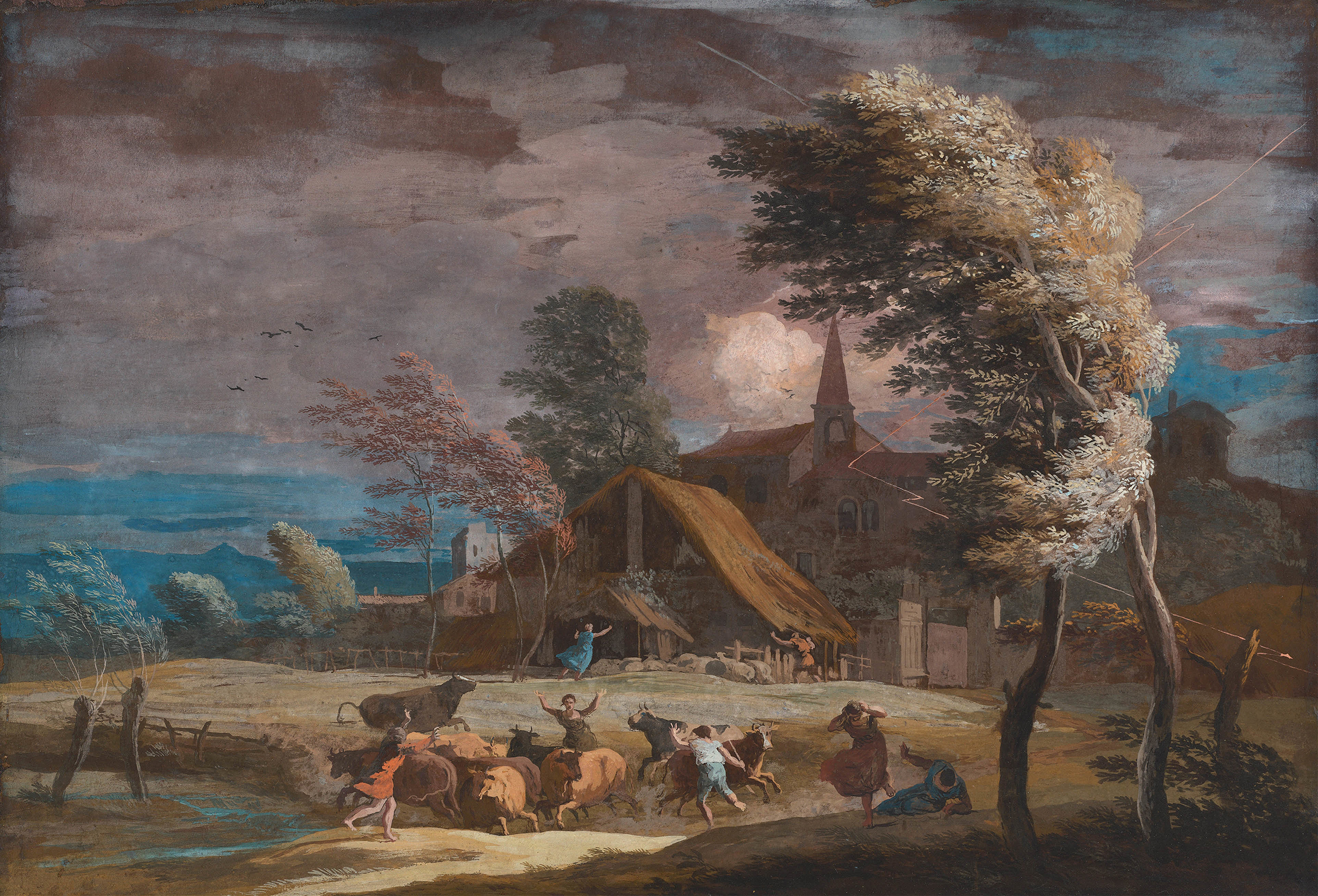
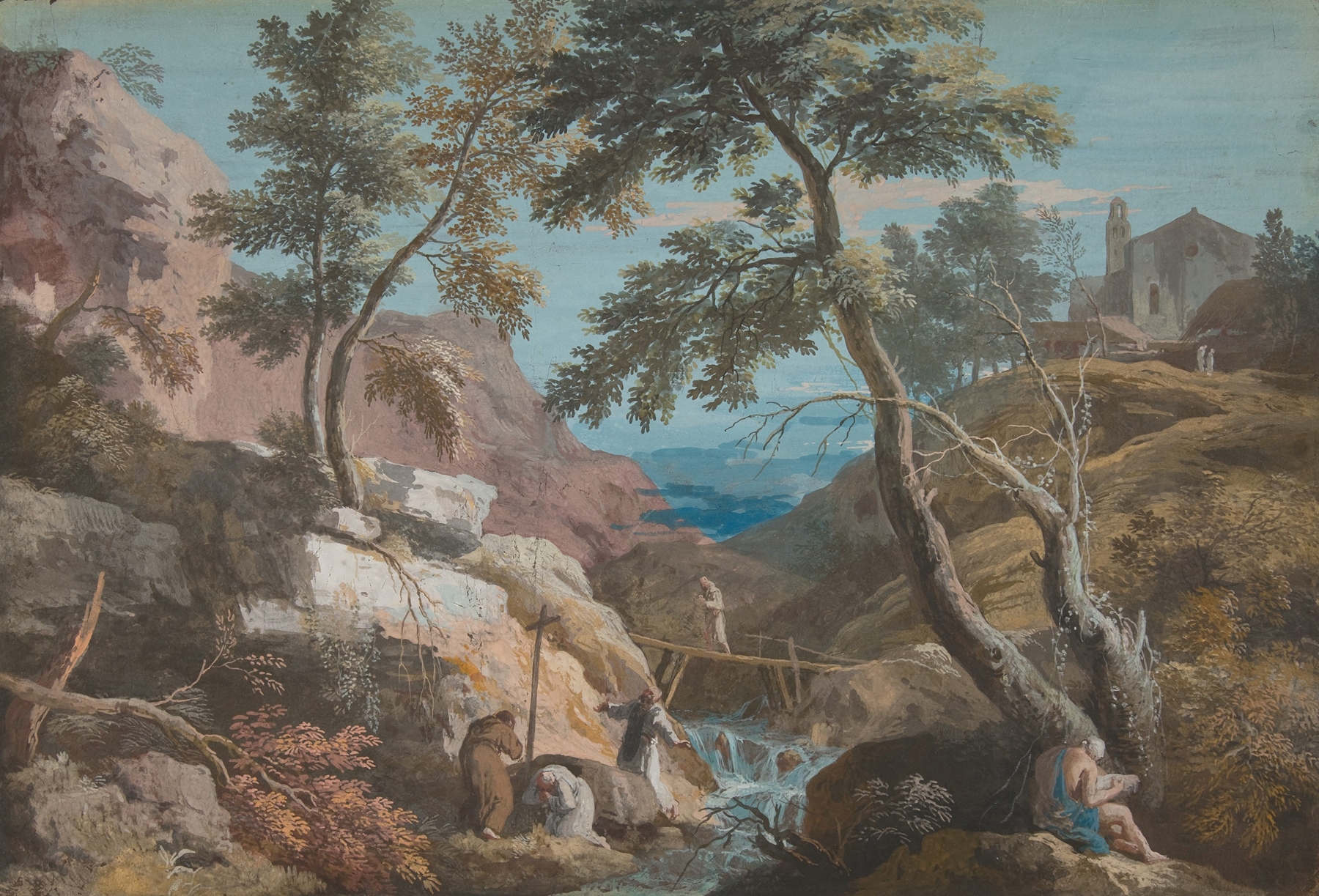
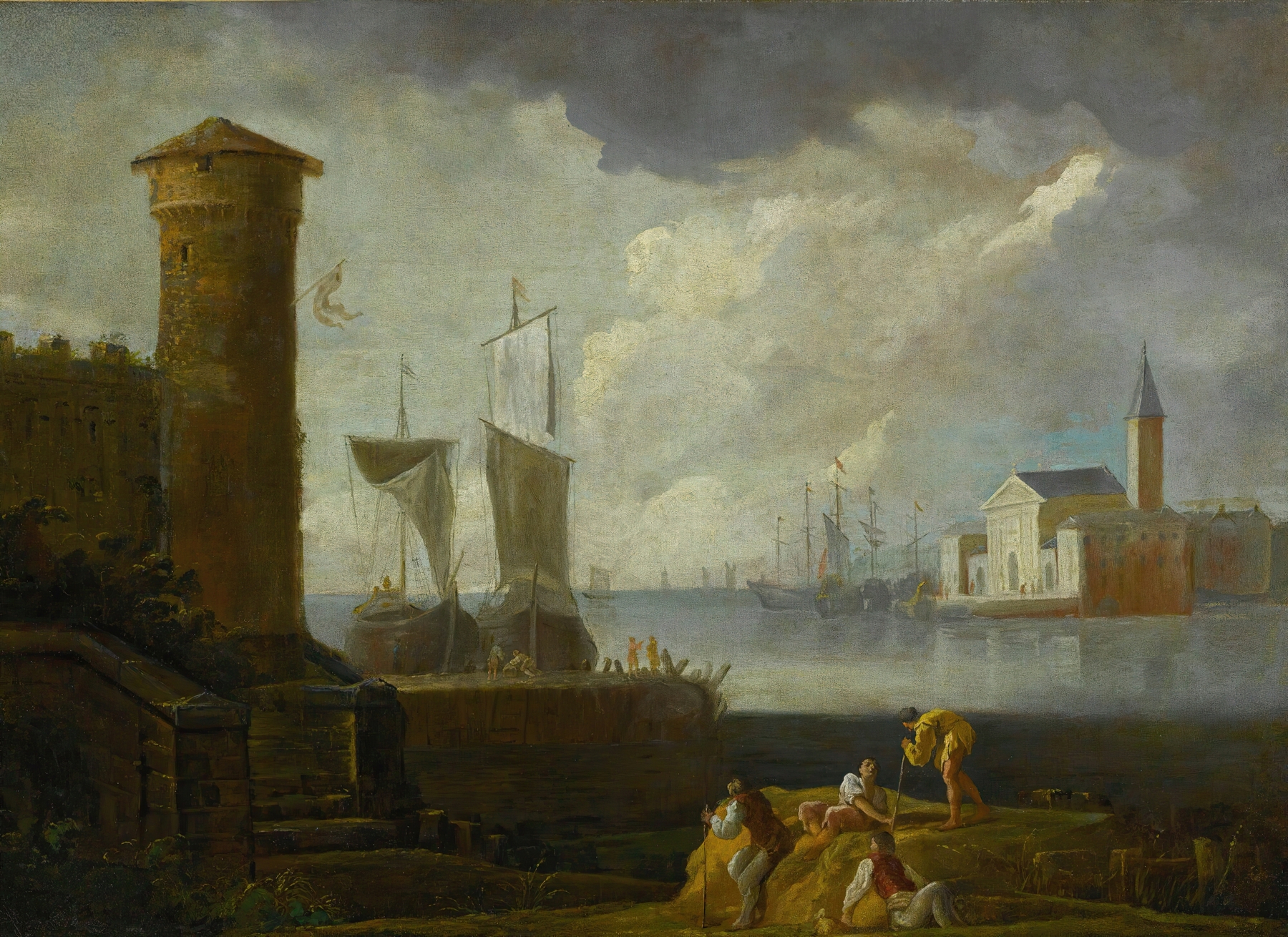
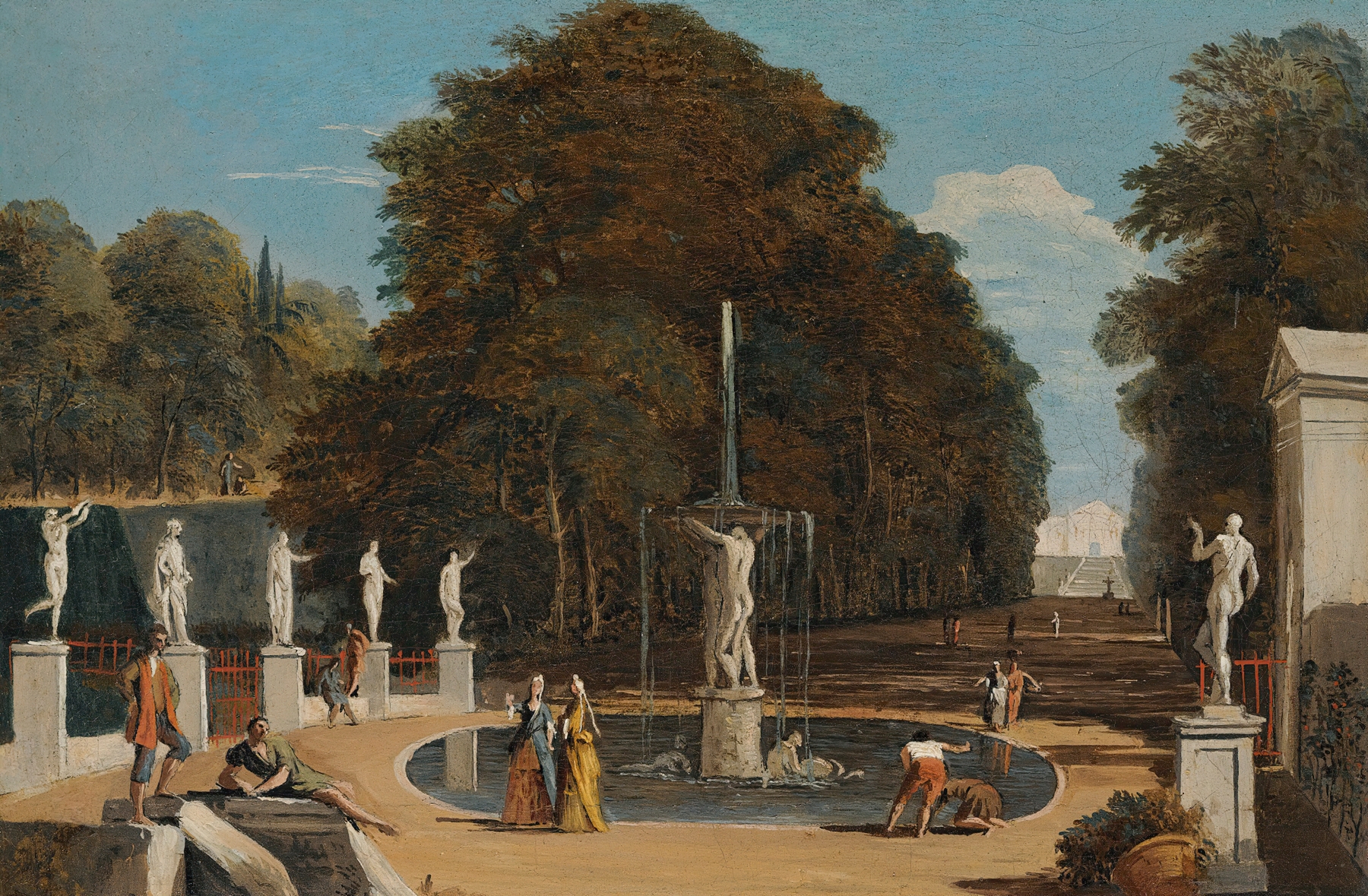
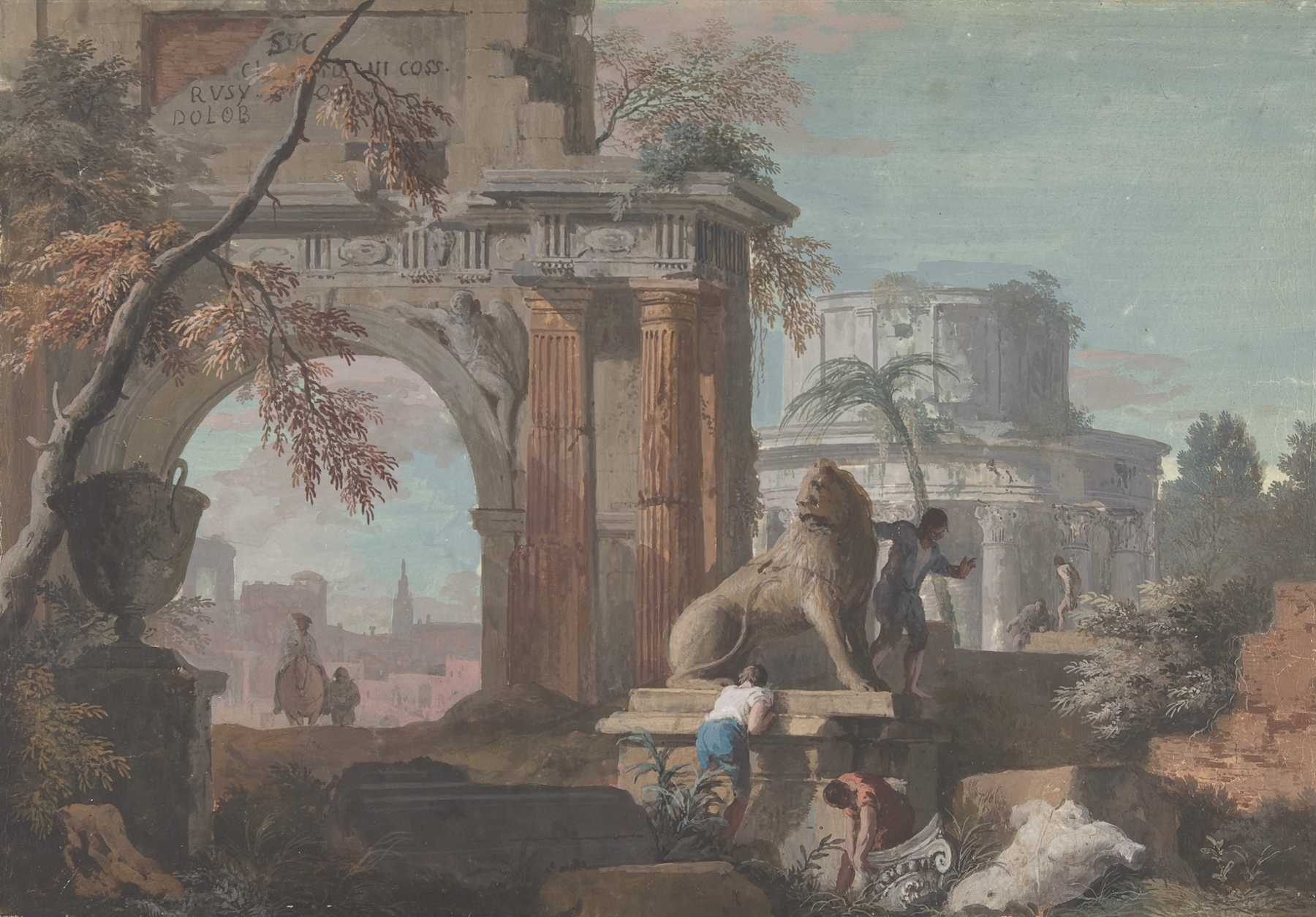
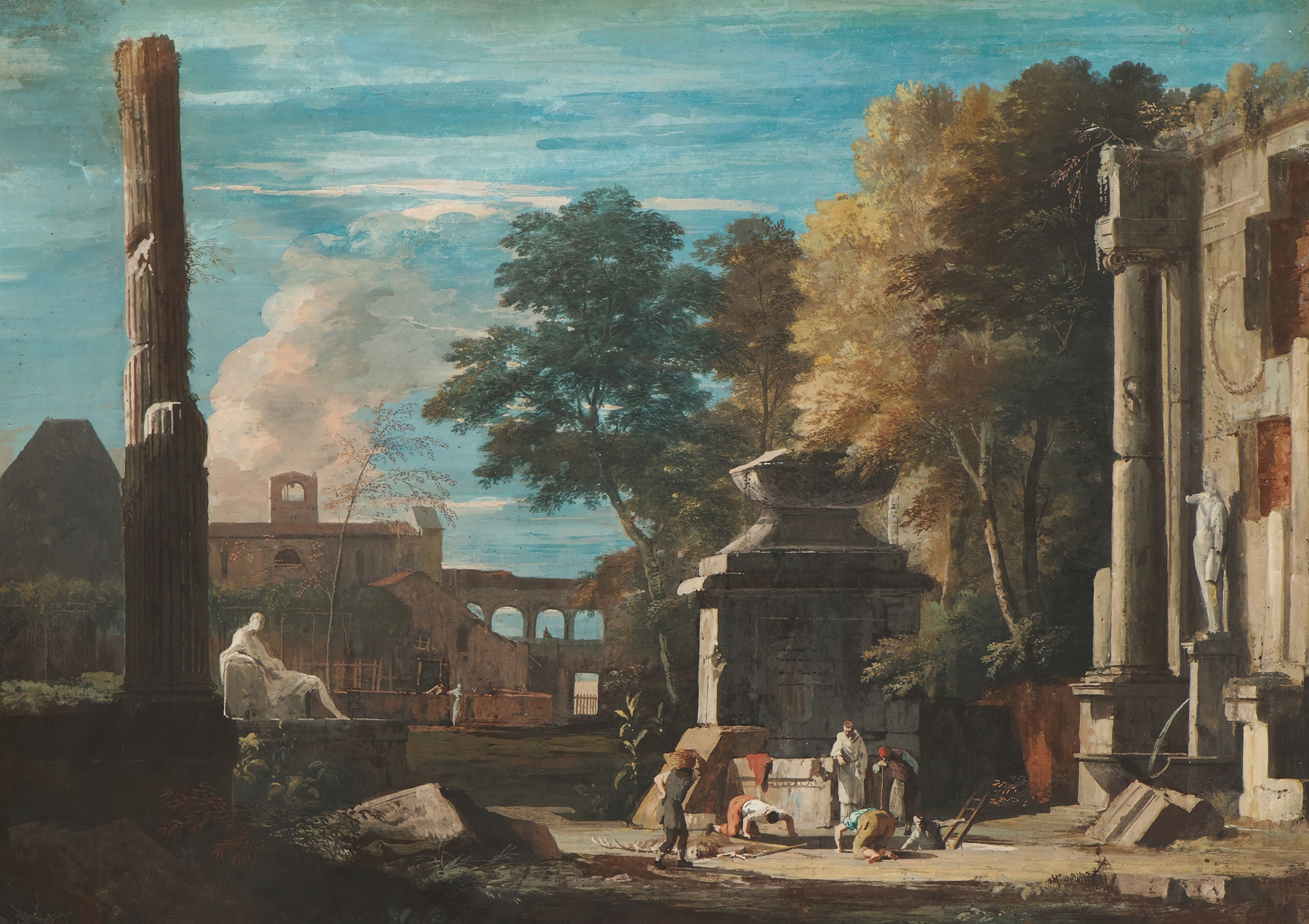
What secret hides in the quiet of the canvas? In the stillness of Venetian Capriccio With a Body Being Exhumed and a Franciscan Monk in Attendance, destiny whispers through the shadows and light, unraveling narratives of loss and reverence. To understand the depth of this work, look to the left where the Franciscan monk stands solemnly. The soft, muted tones of his robe contrast sharply with the vibrant greens of the surrounding landscape, drawing your gaze immediately to his contemplative expression. Notice how the light captures the subtle contours of the body being exhumed, bathing the scene in an ethereal glow that belies the grave nature of the act.
The composition is thoughtfully balanced, with the body lying horizontal, invoking a stark tension against the vertical presence of the monk, emphasizing the weight of ritual and the passage of time. Delve deeper into the symbols woven throughout the painting. The exhumation act hints at the cyclical nature of life and death, questioning the permanence of existence while the monk’s presence represents both decay and hope. The serene background, dominated by lush landscapes, contrasts with the somber foreground, suggesting a world that continues to flourish even amid despair.
These elements invite reflection on the intersection of faith and mortality, challenging viewers to confront their own perceptions of destiny and remembrance. Created between 1700 and 1729, the artist painted this piece during a time when Italian Baroque was giving way to the lighter touch of Rococo. Marco Ricci was influenced by the shifting artistic landscape and was traveling extensively in Italy, combining fantasy with realism in his works. As the Baroque's grandiosity waned, he captured a moment that melded serene beauty with unsettling themes, reflecting both personal and societal transformations of his era.