A Summer Day — History & Analysis
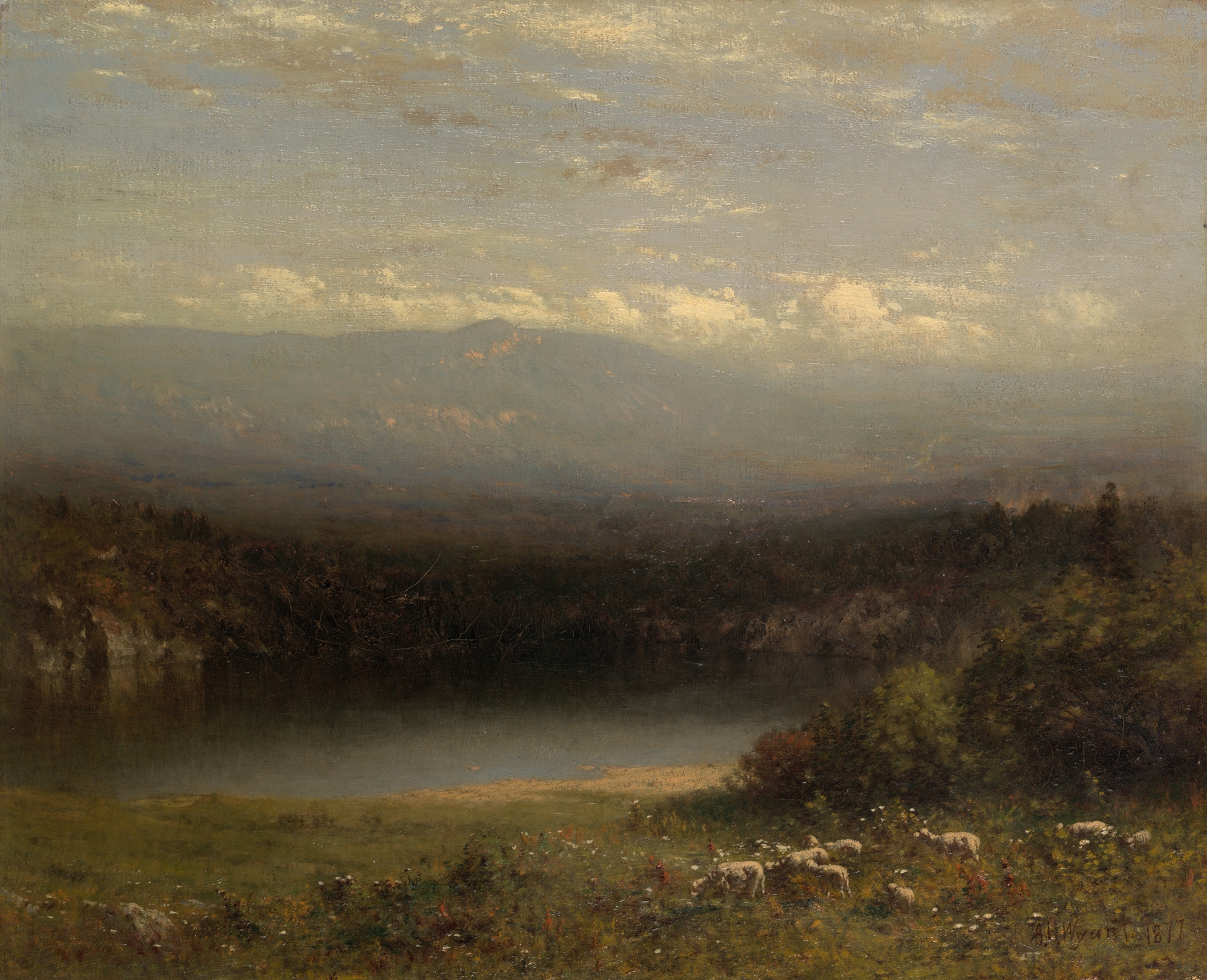
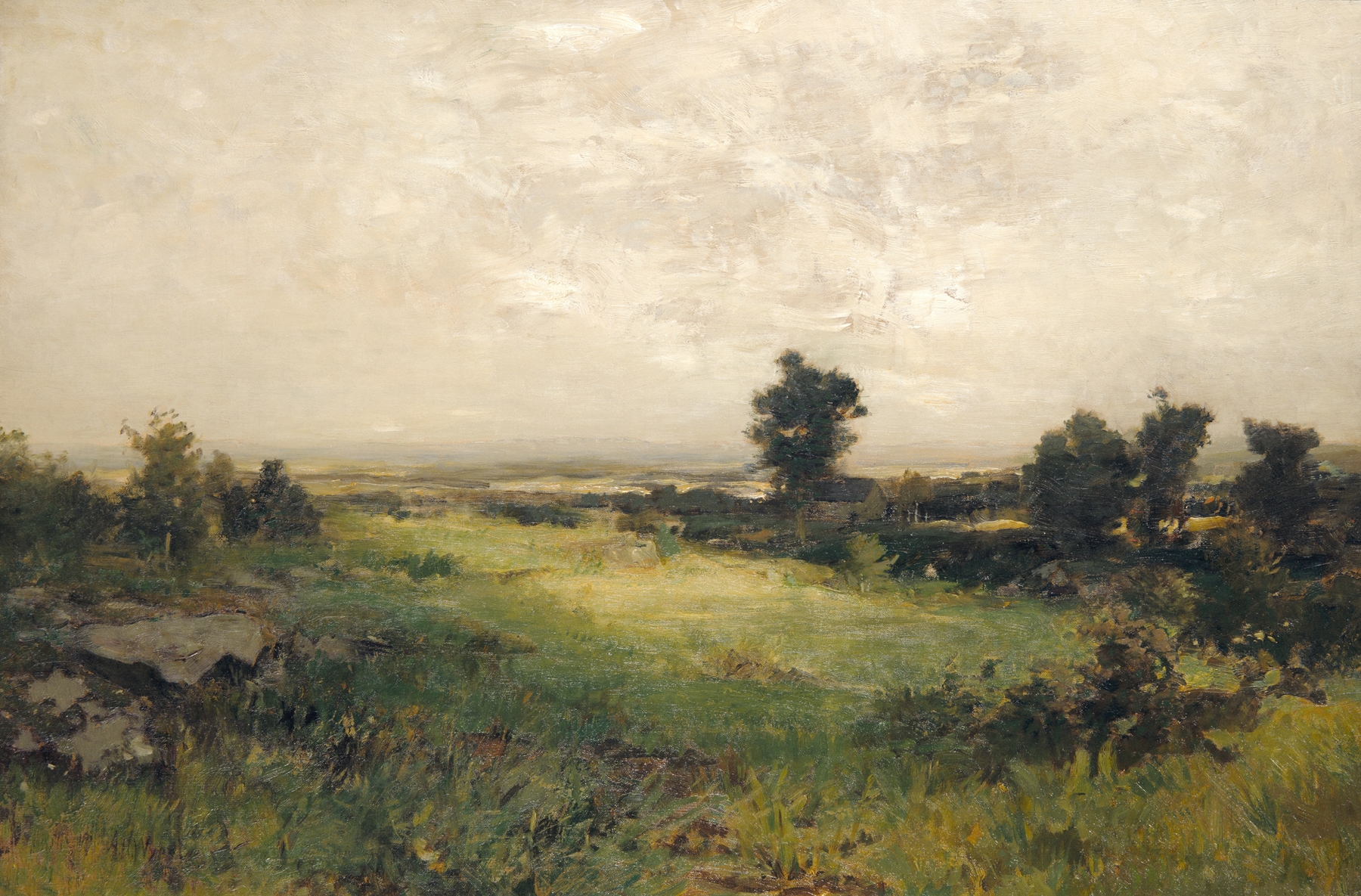
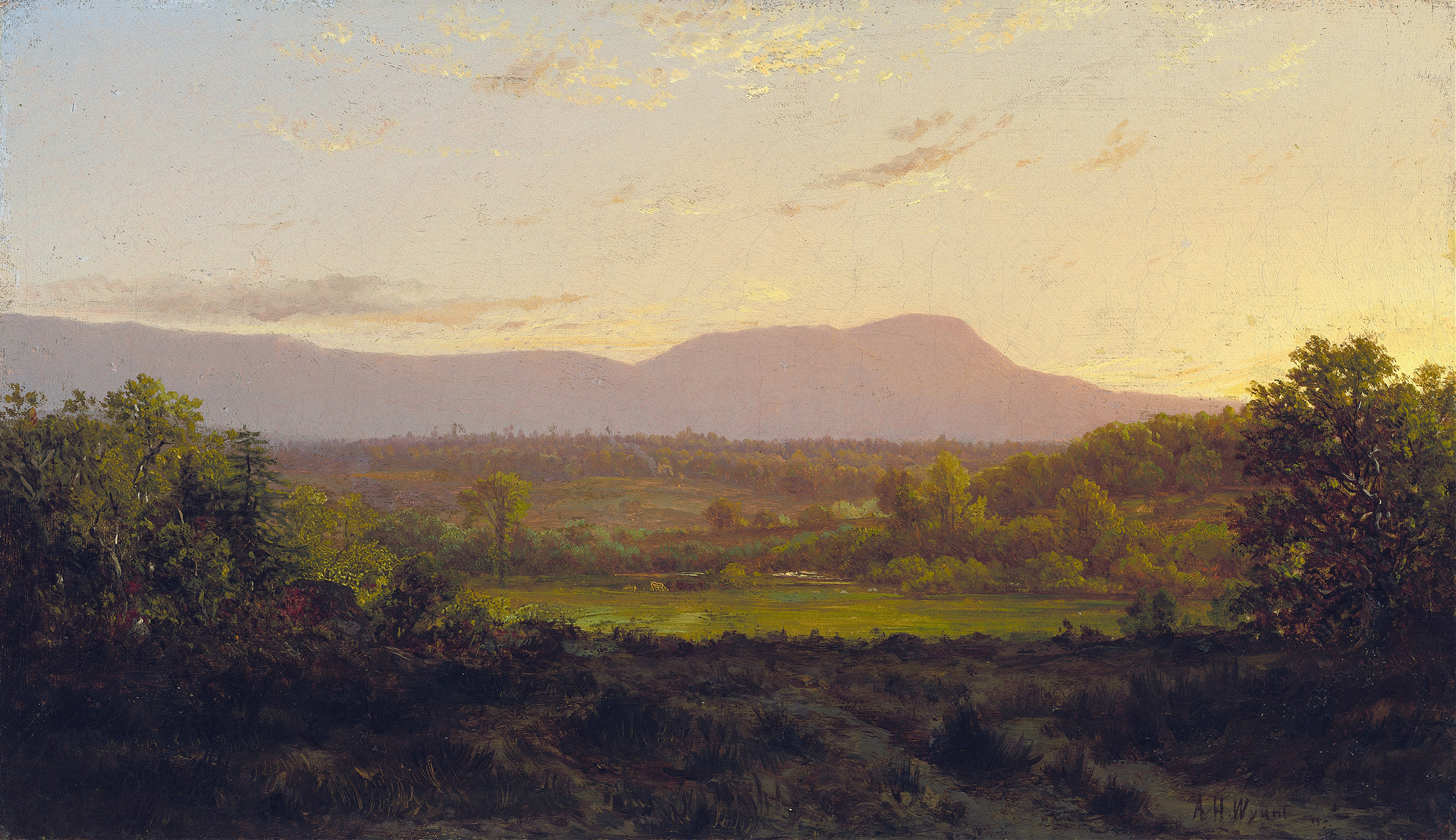
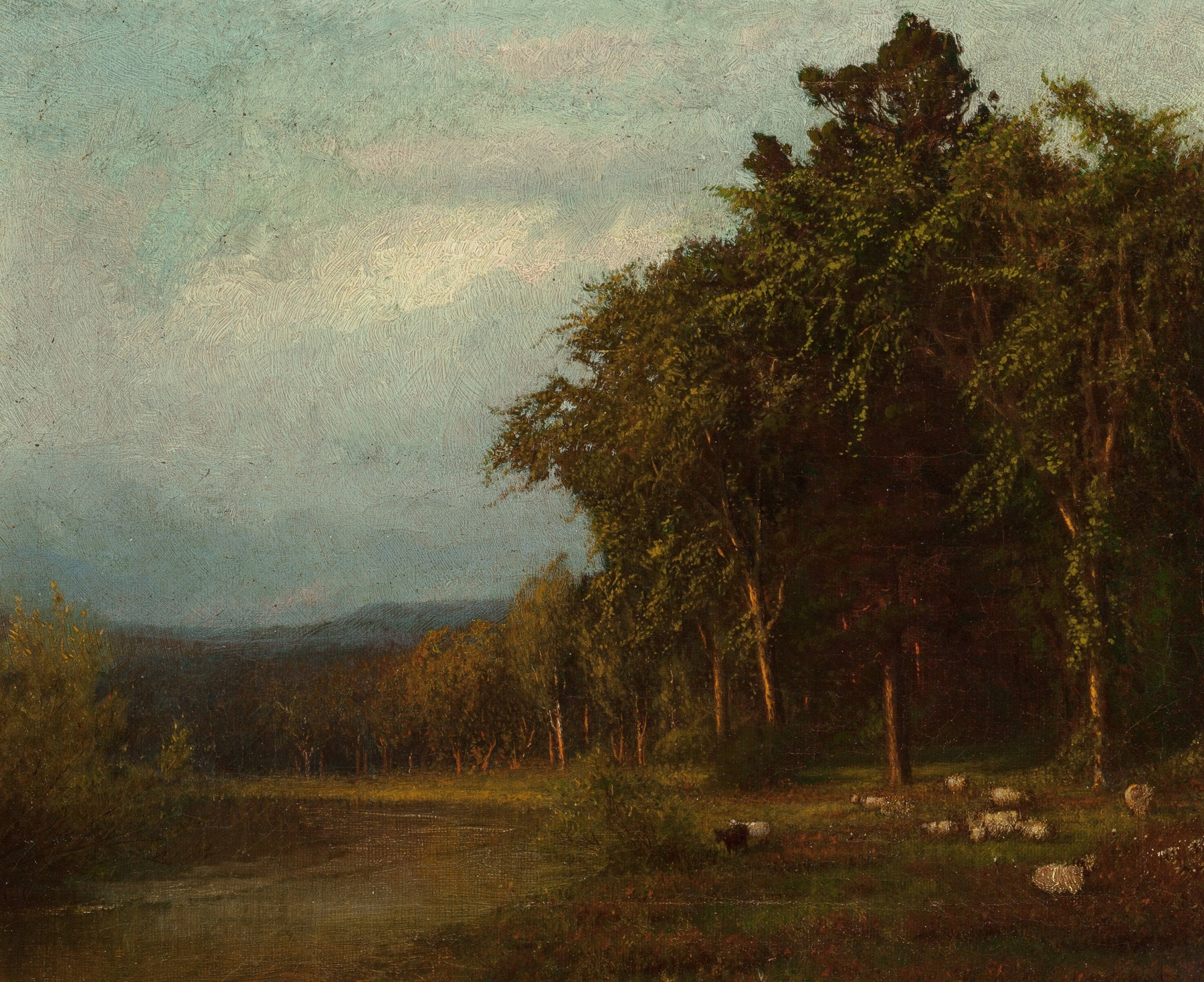
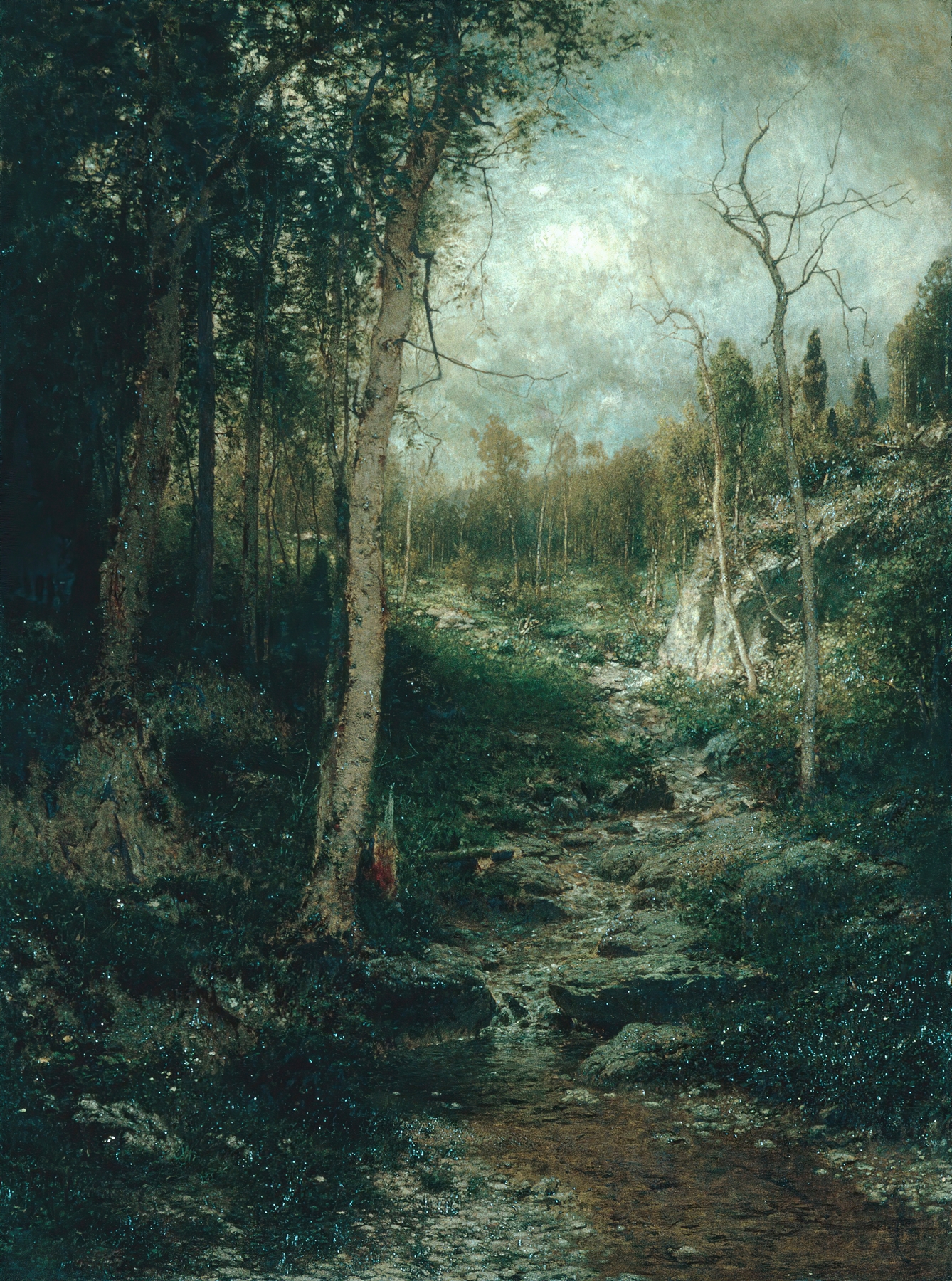
When did color learn to lie? In the vibrant strokes of this piece, a whisper of faith beckons, suggesting that nature harbors secrets beyond our reach. Look to the lower right, where the lush greens unfurl into a tapestry of light and shadow. Each brushstroke is a dance between the visible and the intangible, creating a sanctuary of warmth.
The cool blues of distant hills emerge as a gentle contrast, illuminating the sky with an ethereal glow. The composition invites the viewer’s eye to wander, reflecting a harmony that balances the vivid hues of summer with the serene stillness of an afternoon. Beneath the surface, this artwork captures a tension between the fleeting joy of a summer day and the inevitable passage of time. The interplay of light suggests a moment frozen yet filled with life, evoking both nostalgia and a yearning for permanence.
The vivid colors and soft transitions convey a sense of optimism, while the shadows hint at a deeper understanding of impermanence and the resilience of faith amid change. Created during a time of personal reflection and exploration, the artist found inspiration in the American landscape. This piece was born in a period marked by innovative approaches to light and color, paralleling broader movements in the art world that sought to capture nature's essence. The artist's connection to the natural world resonates deeply, echoing the themes of faith and beauty that permeate their work.