A View in Nuremberg. — History & Analysis
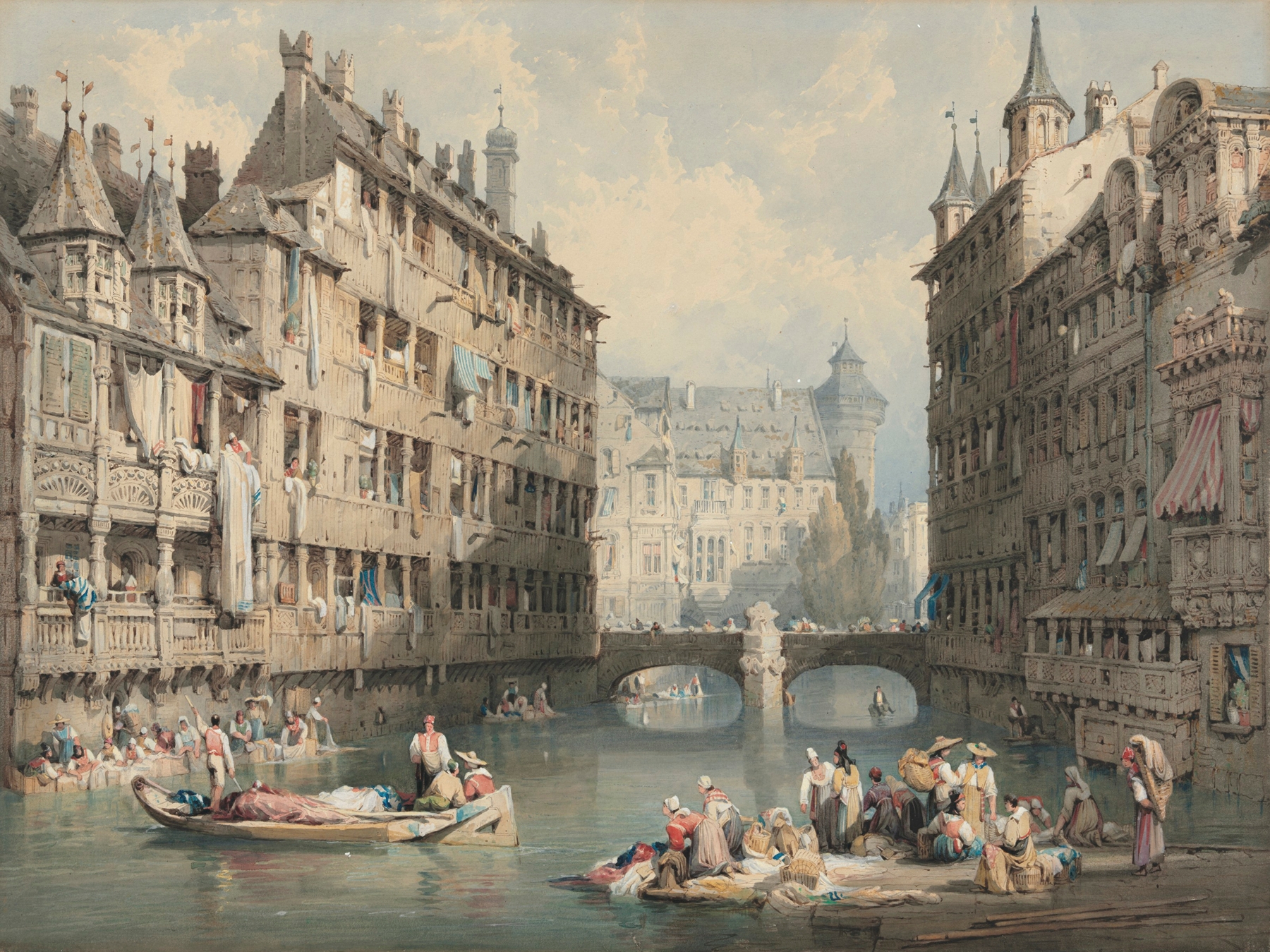
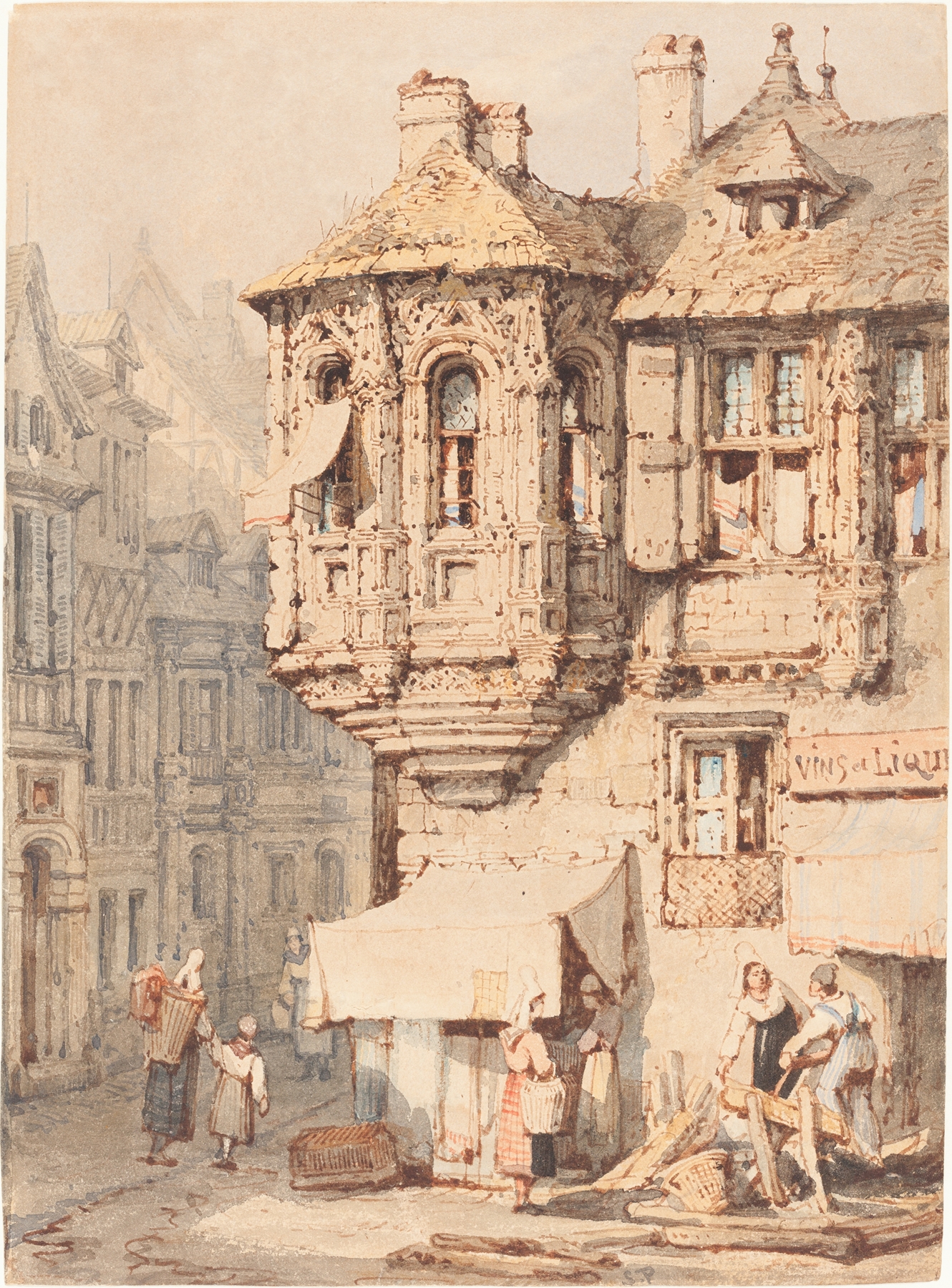
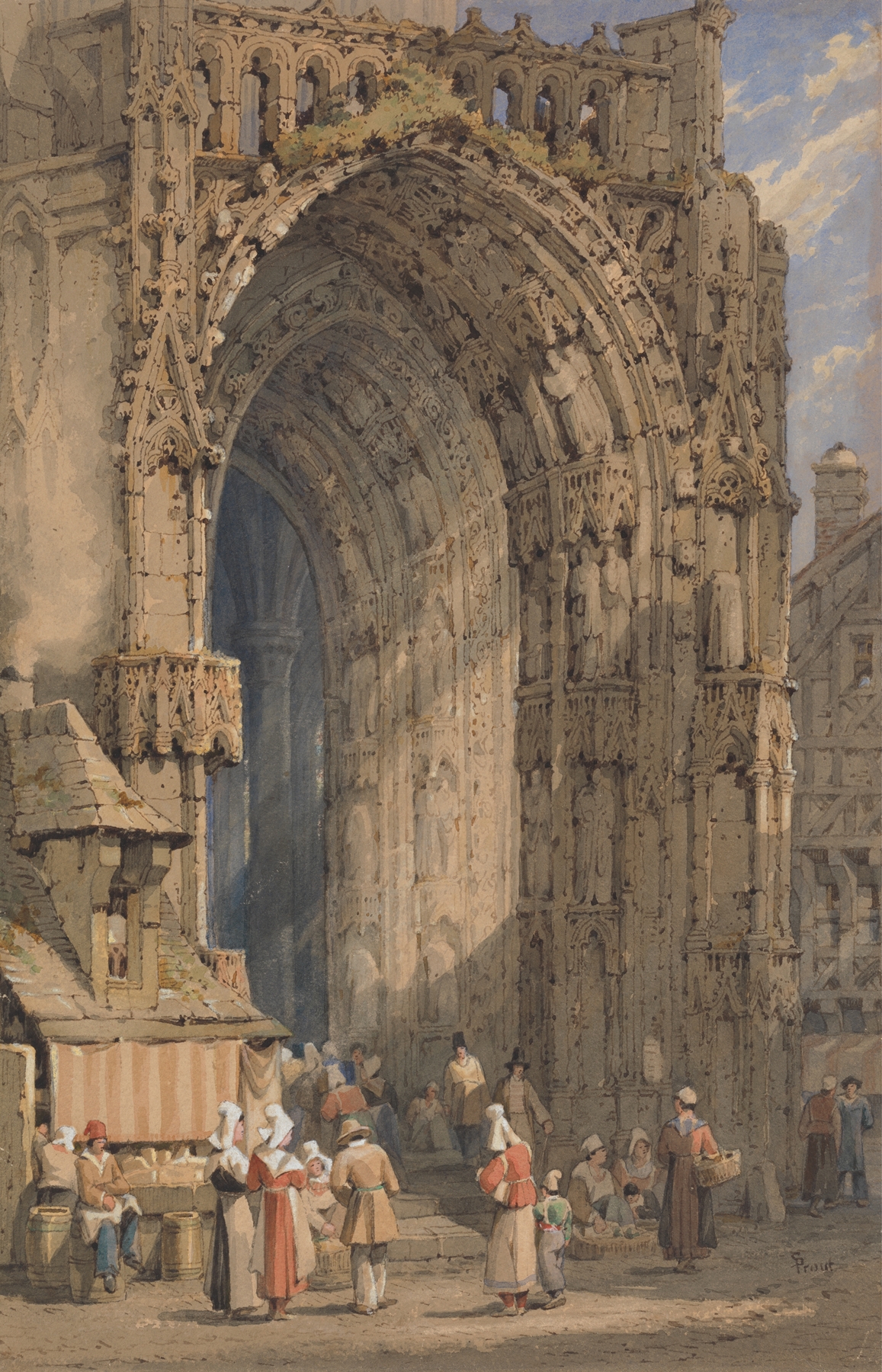
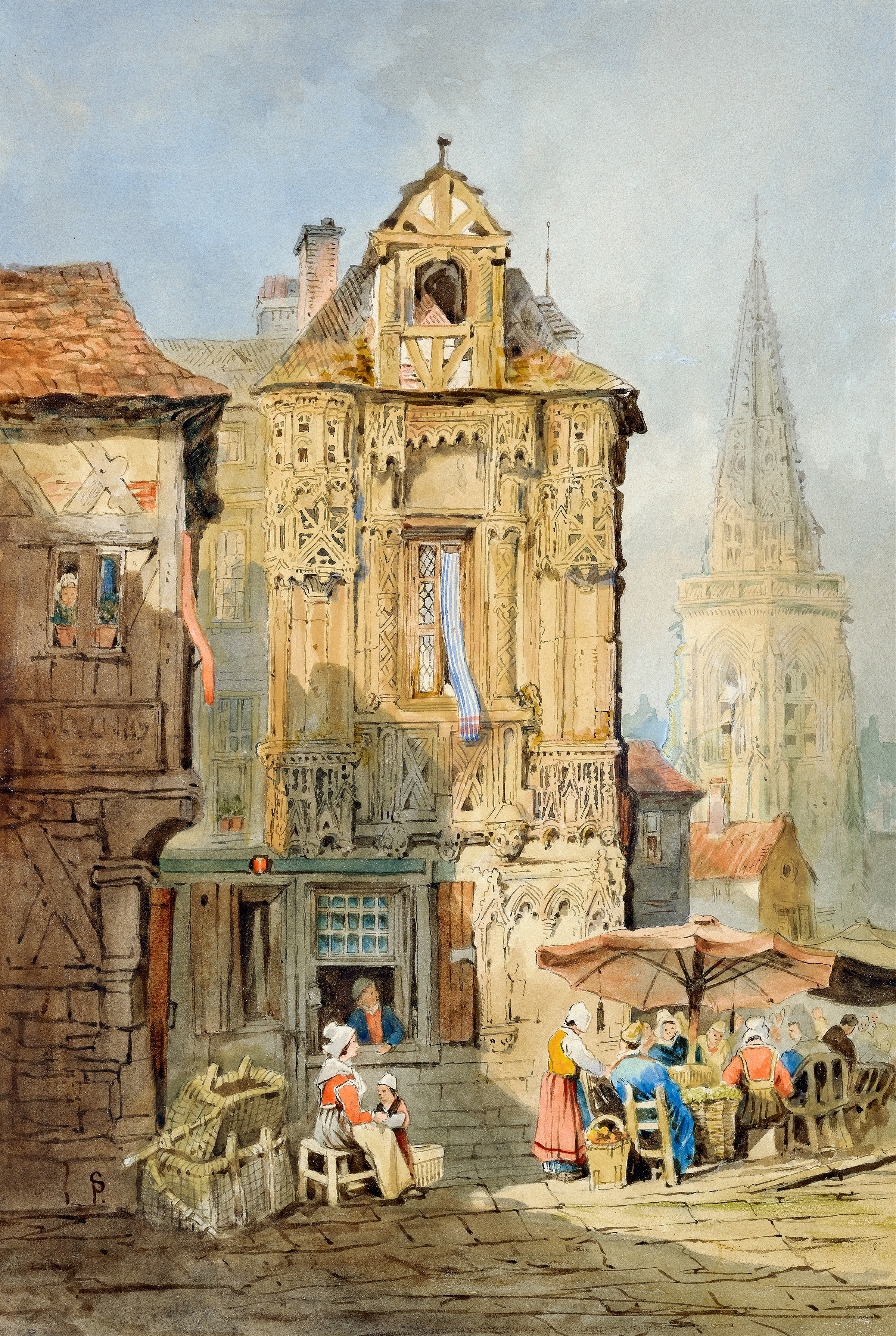
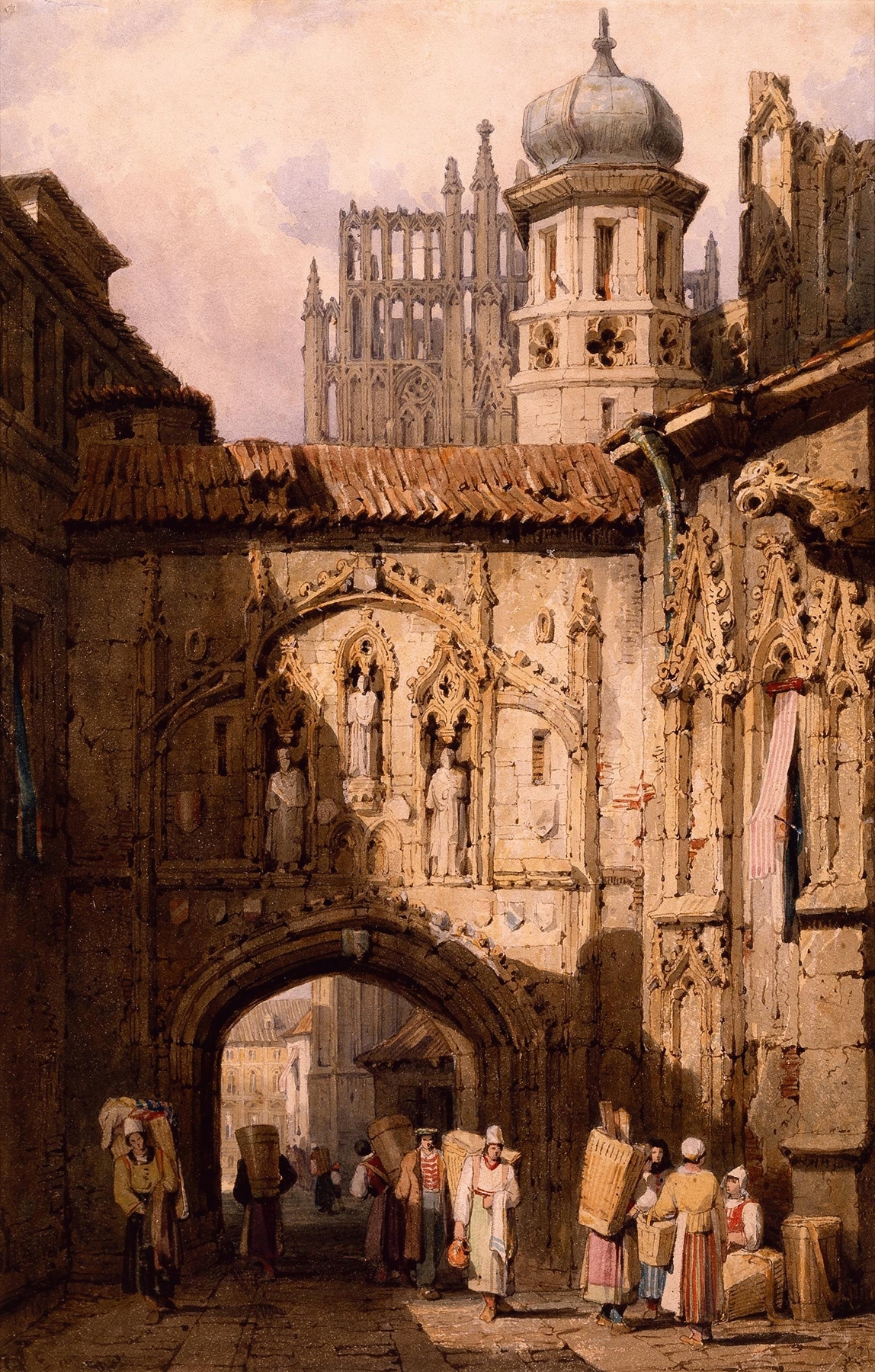
“Every silence here is a confession.” This phrase encapsulates the essence of a world caught in stillness, where color and light dance in a delicate balance. In A View in Nuremberg, the hues whisper secrets from the past, inviting viewers to delve into the tapestry woven by the artist’s brush. Look to the left, where the golden glow of the late afternoon sun bathes the quaint buildings in warm amber tones, creating an inviting atmosphere. The intricacy of the architecture stands out against the soft blue sky, while a gentle river meanders through the scene, its shimmering surface reflecting the vibrant colors above.
Prout's meticulous attention to detail reveals a masterful contrast between the sharp lines of the structures and the fluidity of the water, drawing the eye towards the horizon. Hidden within the vibrant palette lies a poignant dichotomy: the juxtaposition of human craftsmanship against the ephemeral beauty of nature. Each element, from the towering steeples to the rippling river, conveys a dialogue between permanence and transience. The silence of the scene speaks volumes, suggesting a moment suspended in time, inviting contemplation about the artists and craftsmen who shaped this historic locale.
Samuel Prout painted A View in Nuremberg in 1823, during a period marked by his growing recognition as a watercolor master. Living in England, he was influenced by the Romantic movement, which celebrated the beauty of nature and the intricacies of urban landscapes. This work reflects his ability to capture the sublime interplay of light and color, a hallmark of his artistic journey during this vibrant phase of his career.