San Giorgio dei Greci, Seen from an Arcade — History & Analysis
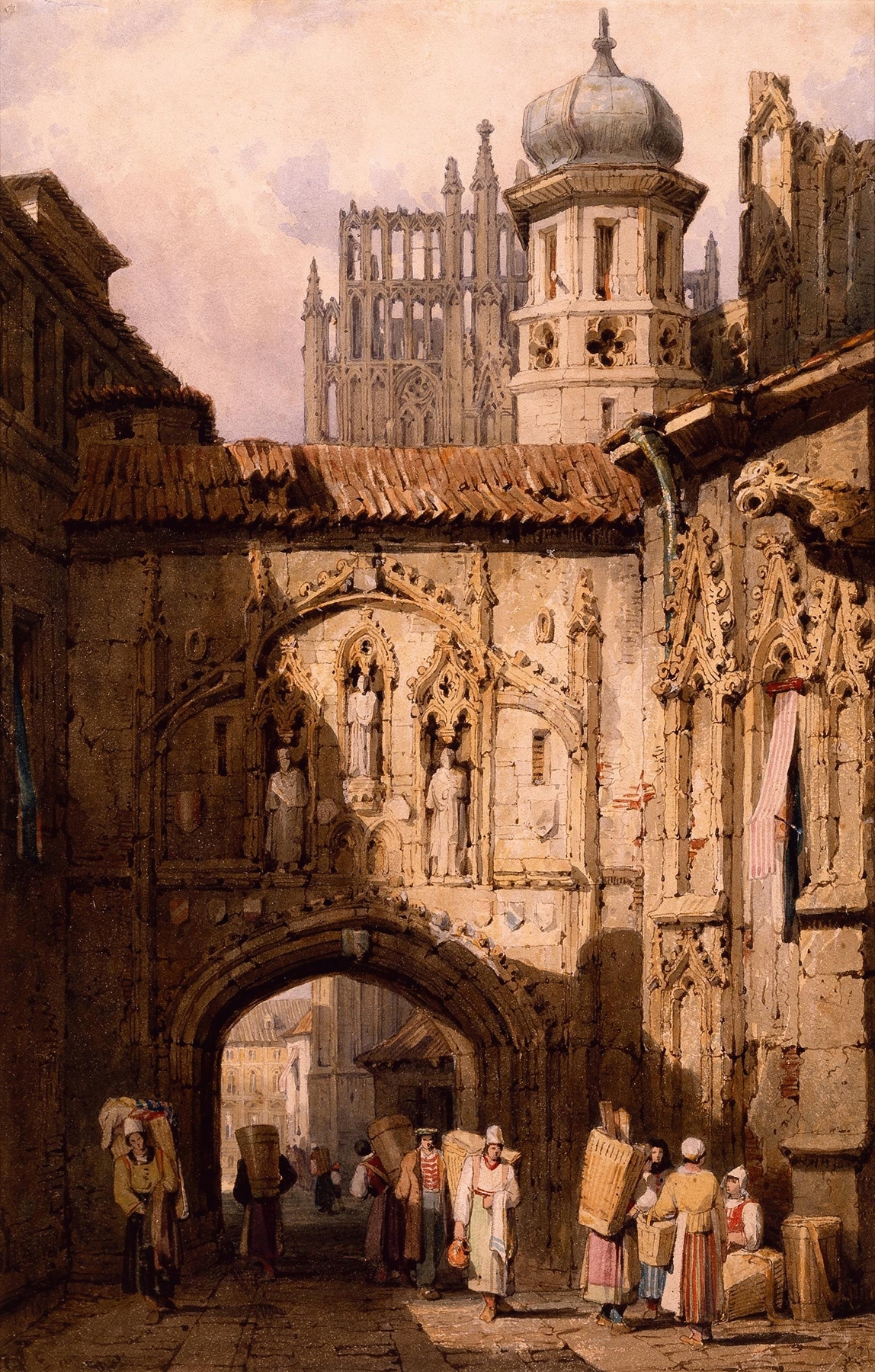
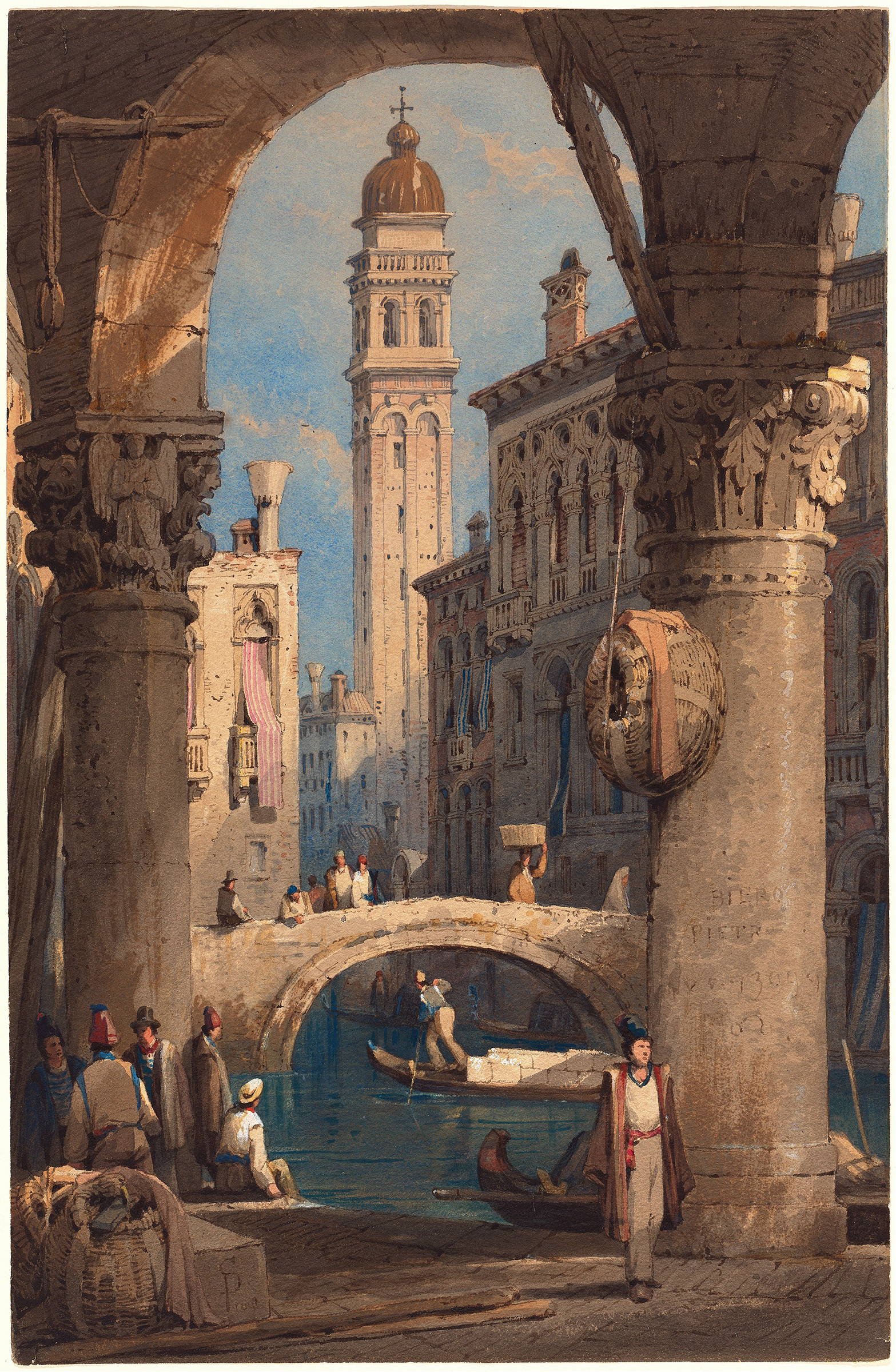
Who listens when art speaks of silence? In the stillness of San Giorgio dei Greci, Seen from an Arcade, the canvas breathes life into a moment that whispers of history and contemplation. Look to the left at the delicate archways, their soft ochre hues framing a tranquil view of the San Giorgio dei Greci church. The artist employs a deft hand to capture the interplay of light and shadow, with soft blues and warm earth tones harmonizing to evoke a serene afternoon. Notice how the gentle brushstrokes lend texture to the weathered stone, celebrating the architecture's storied past, while the reflections in the water suggest an eternal dialogue between the sky and land.
Yet beneath this placid surface lies a tension between presence and absence. The empty arcade suggests a longing for interaction, the absence of figures amplifying the quietude of the scene. The church stands tall, a silent sentinel of faith and tradition, while the rich detailing hints at stories untold. The careful balance between man-made structure and the natural world reveals an underlying commentary on the passage of time and the impact of memory.
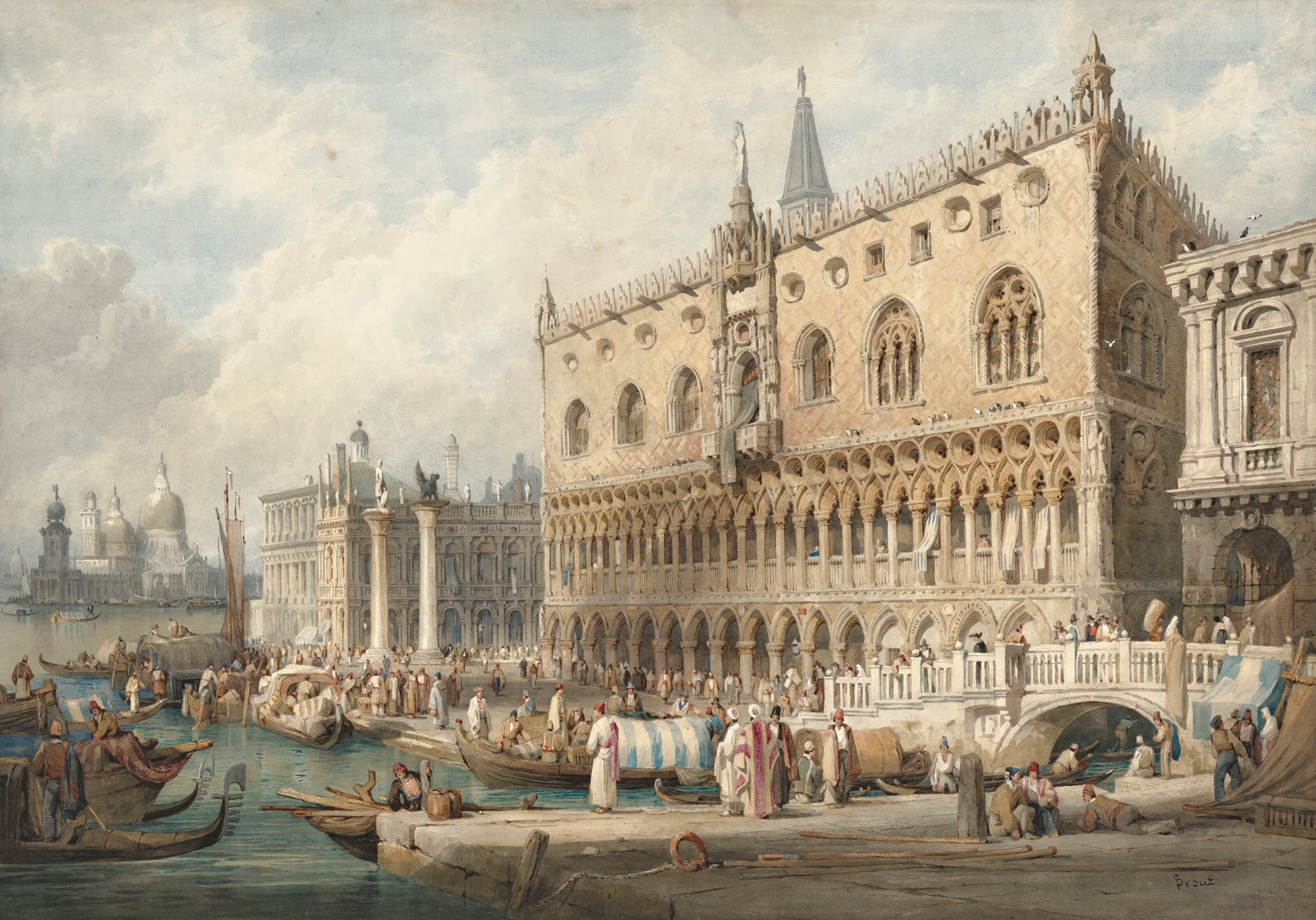
Samuel Prout created this work between 1824 and 1829 while living in London, a period marked by a growing interest in Romanticism and the picturesque. As a prominent figure in watercolor painting, he was influenced by the beauty of Italian architecture and landscapes. This era also saw a flourishing of travel and tourism, with artists capturing the essence of places that resonated deeply with the human experience. In this piece, Prout encapsulates both the charm of Venice and the spiritual intimacy of its architectural jewels.