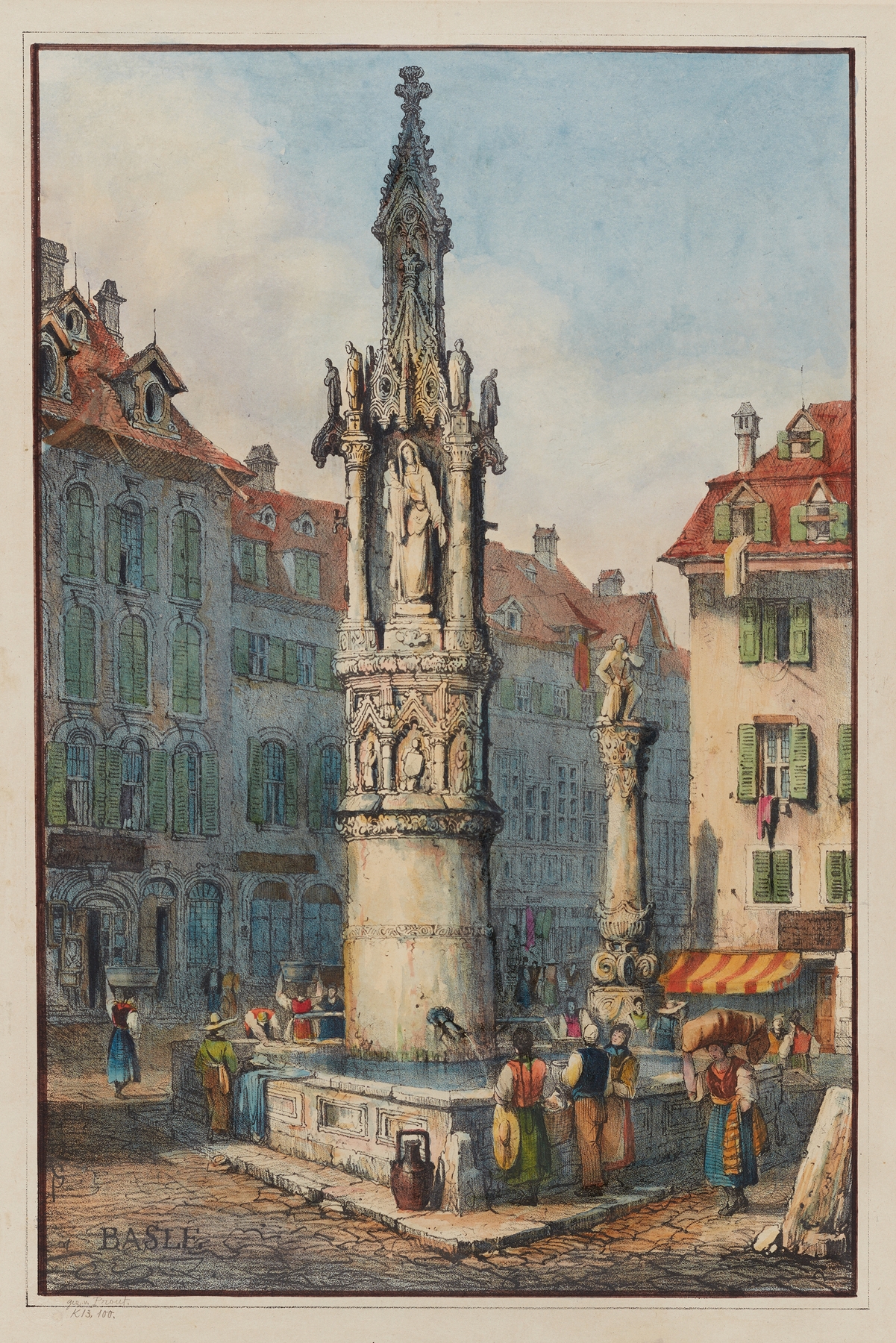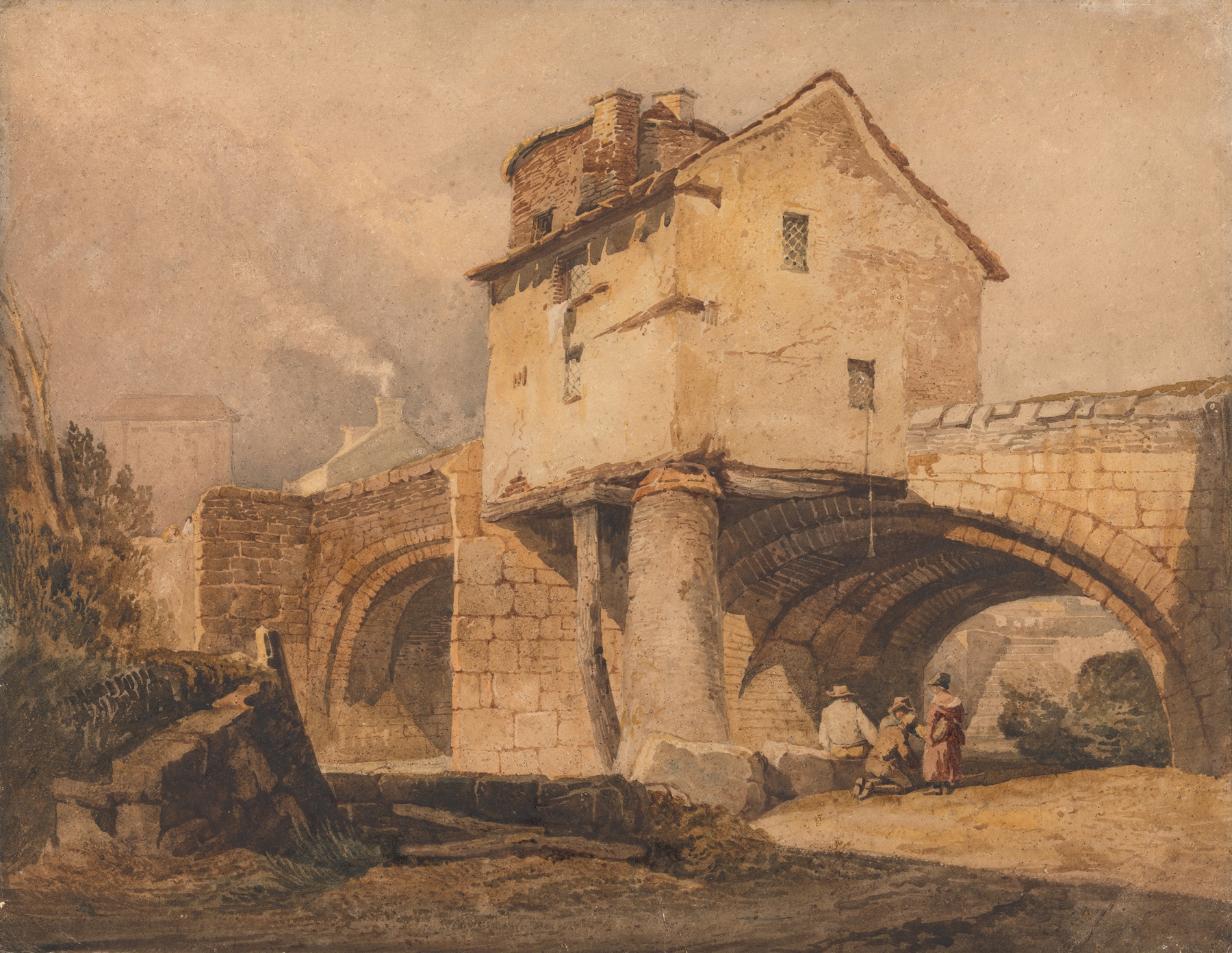
Interior of a Cathedral — History & Analysis
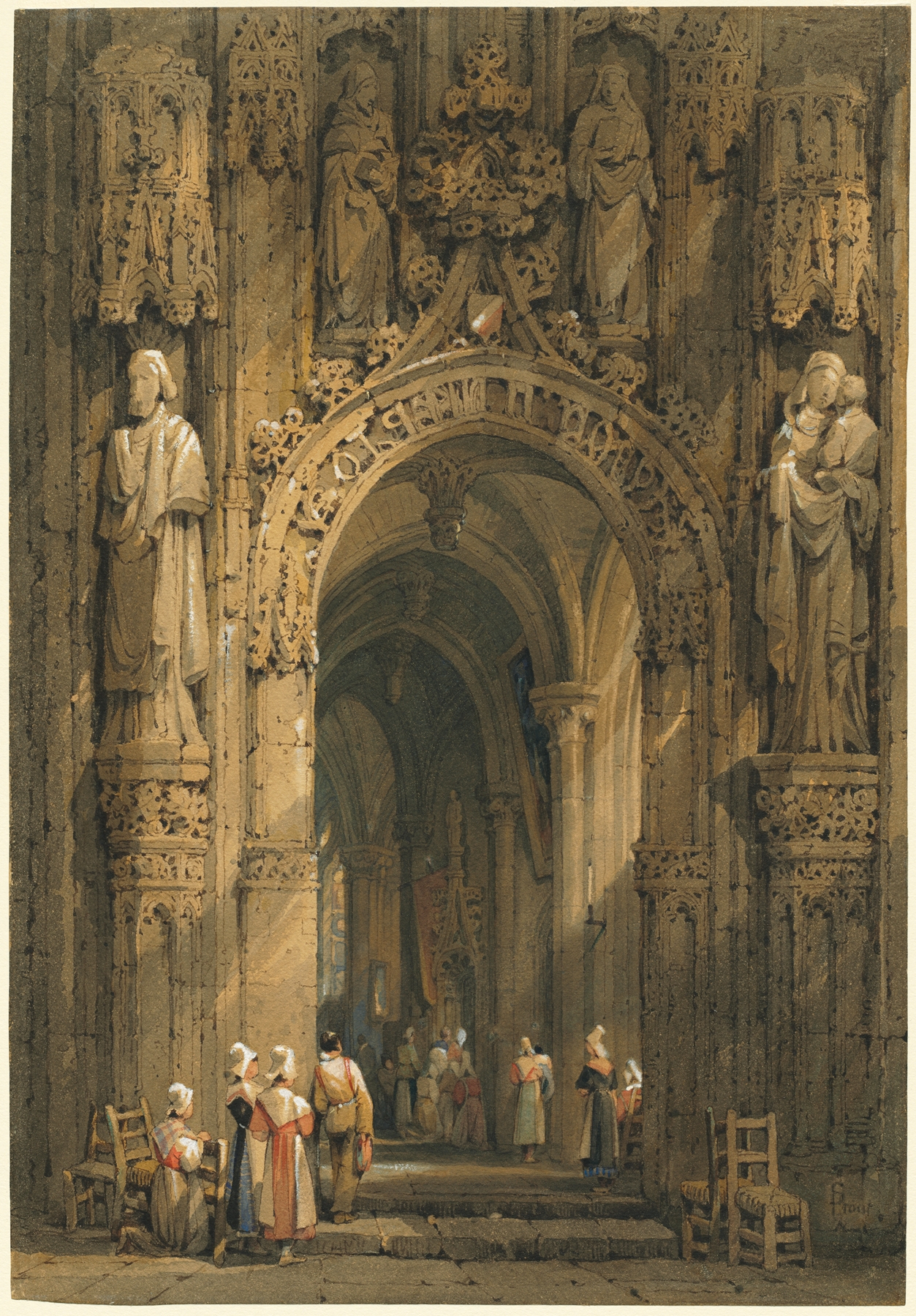
Where does light end, and longing begin? In the hushed silence of an ancient cathedral, the interplay of shadow and illumination evokes a poignant sense of decay and reverence. Look to the left, where the tall, pointed arches rise majestically toward the heavens. Notice how the soft, golden light seeps through the stained glass, casting colorful patterns on the weathered stone floor.
The artist employs delicate brushwork to capture the intricate details of the pillars, each one telling a story of time’s relentless passage. The palette—rich ochres and deep umbers—immerses the viewer in a world that feels both sacred and sorrowful. Examine the way the absence of figures amplifies the cathedral's solitude, a grand space left to the memories of whispered prayers. The worn surfaces of the stone reveal the fragility of human endeavors amidst the permanence of architecture.
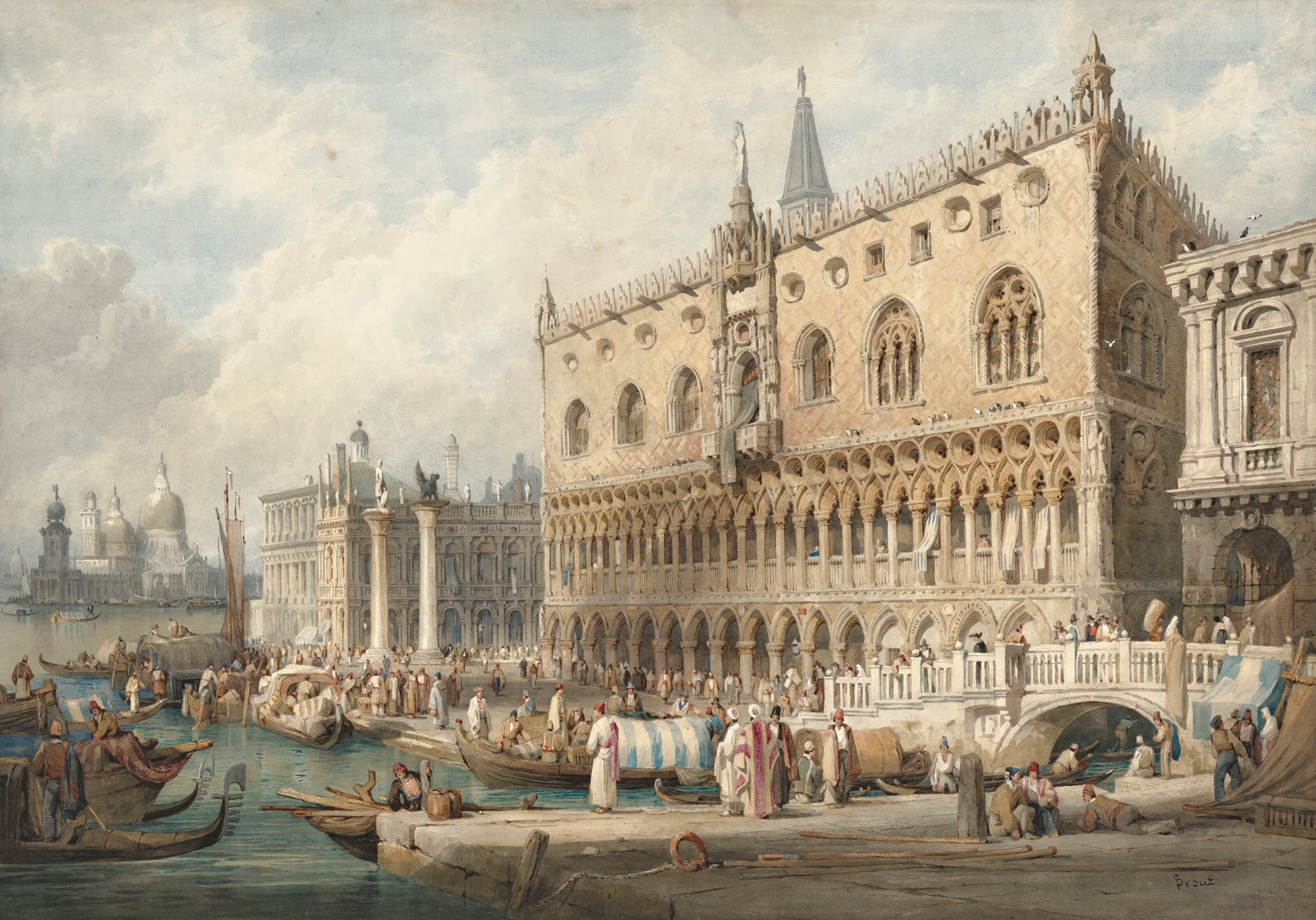
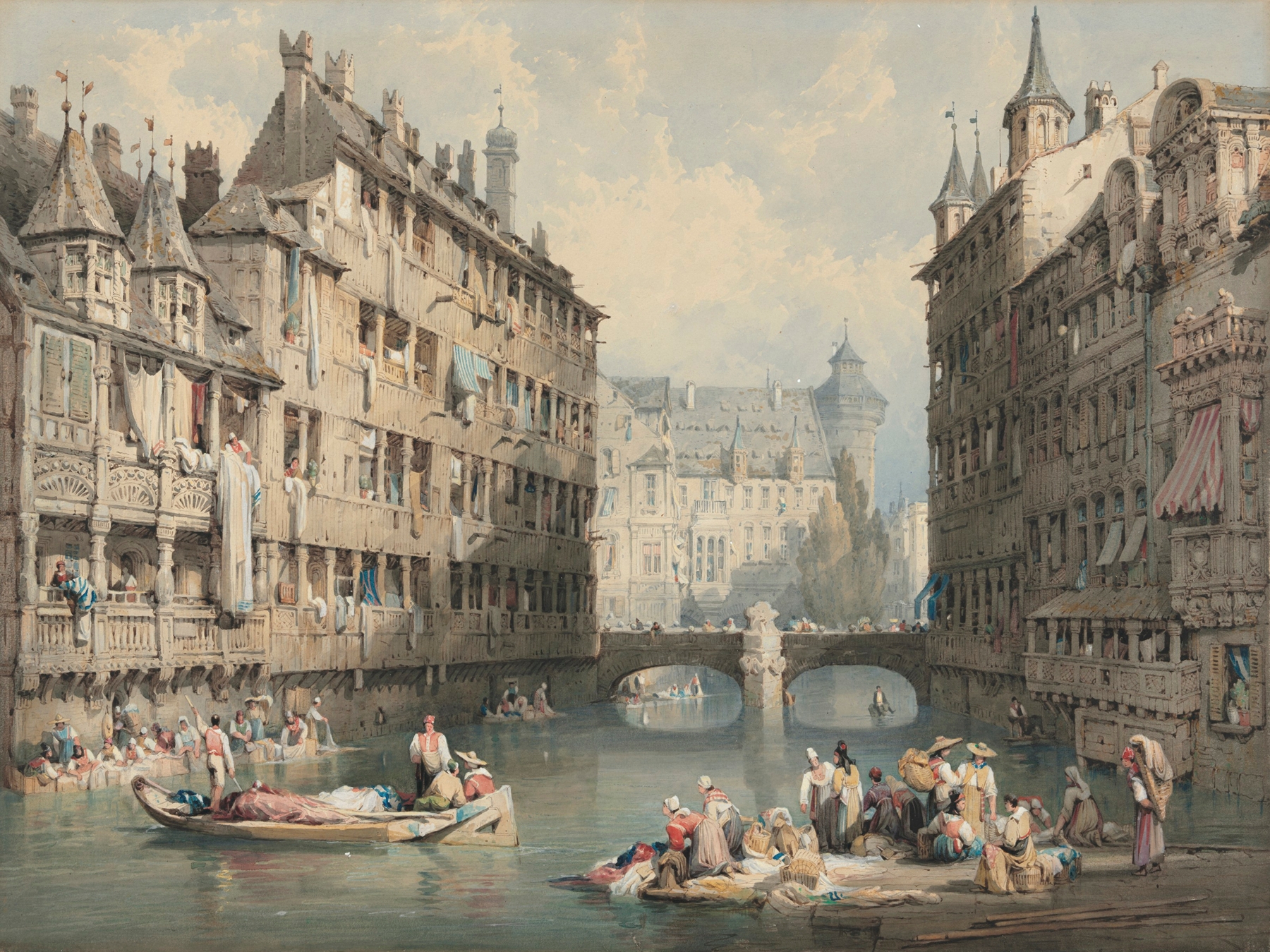
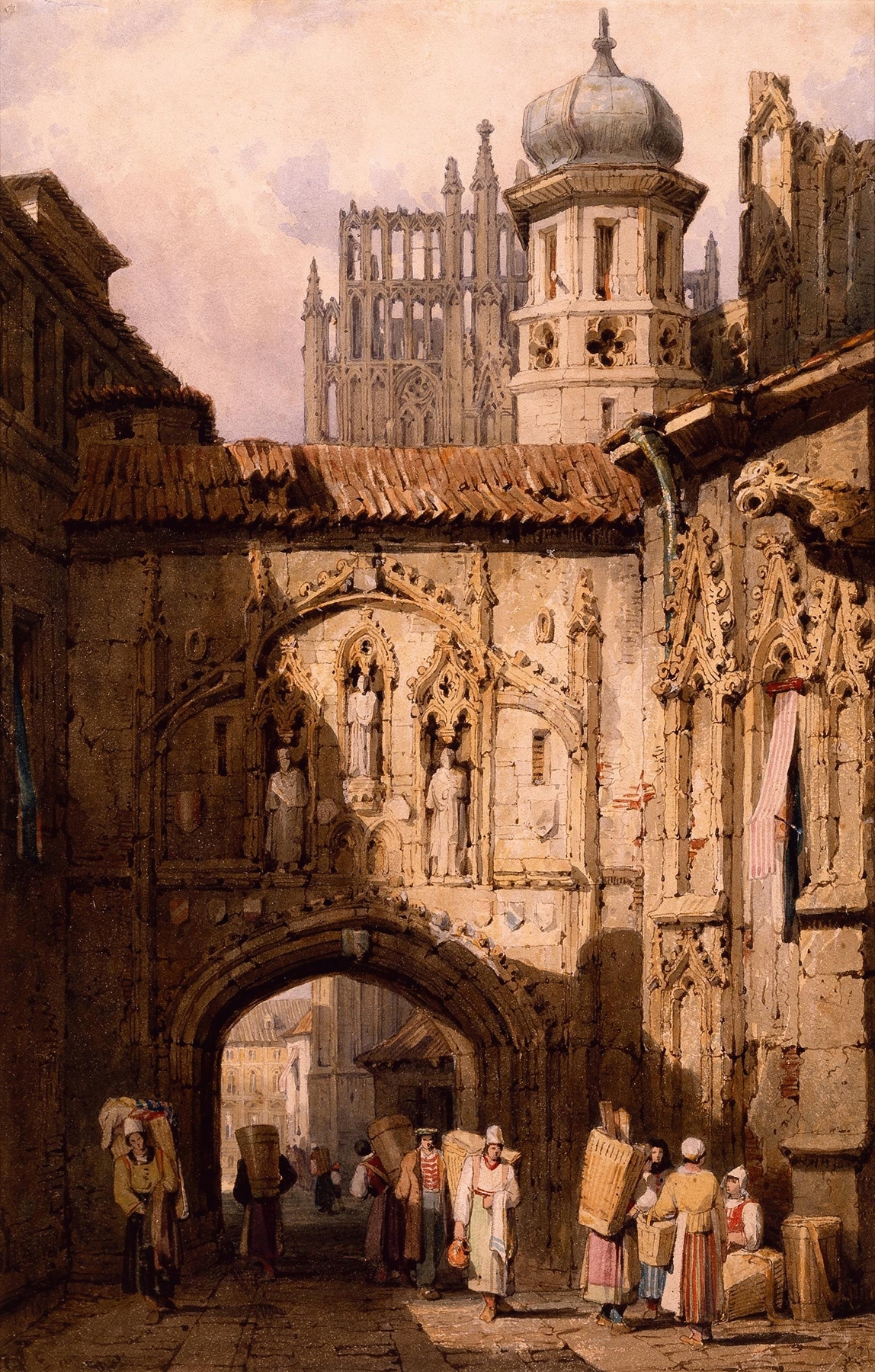
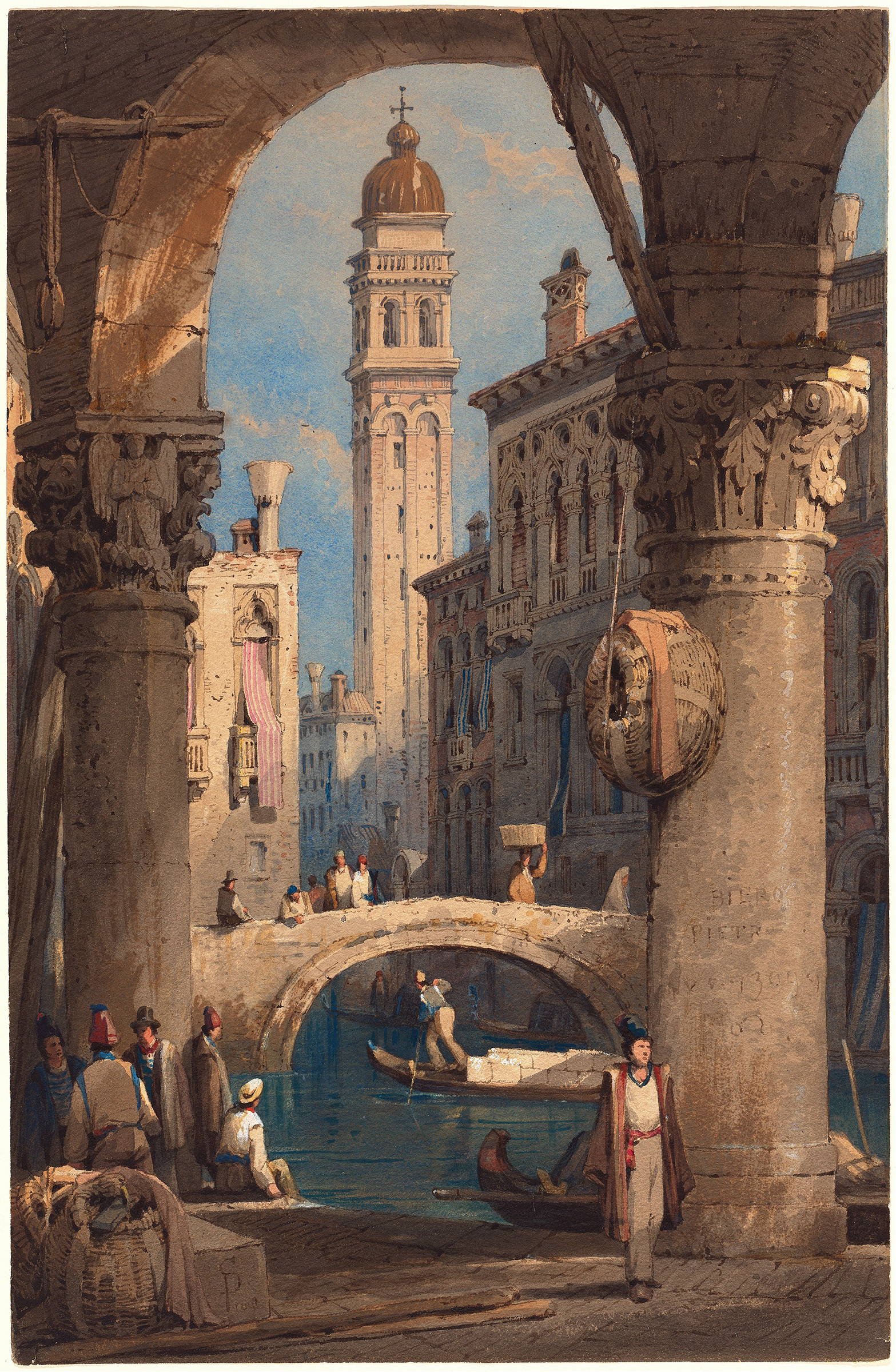
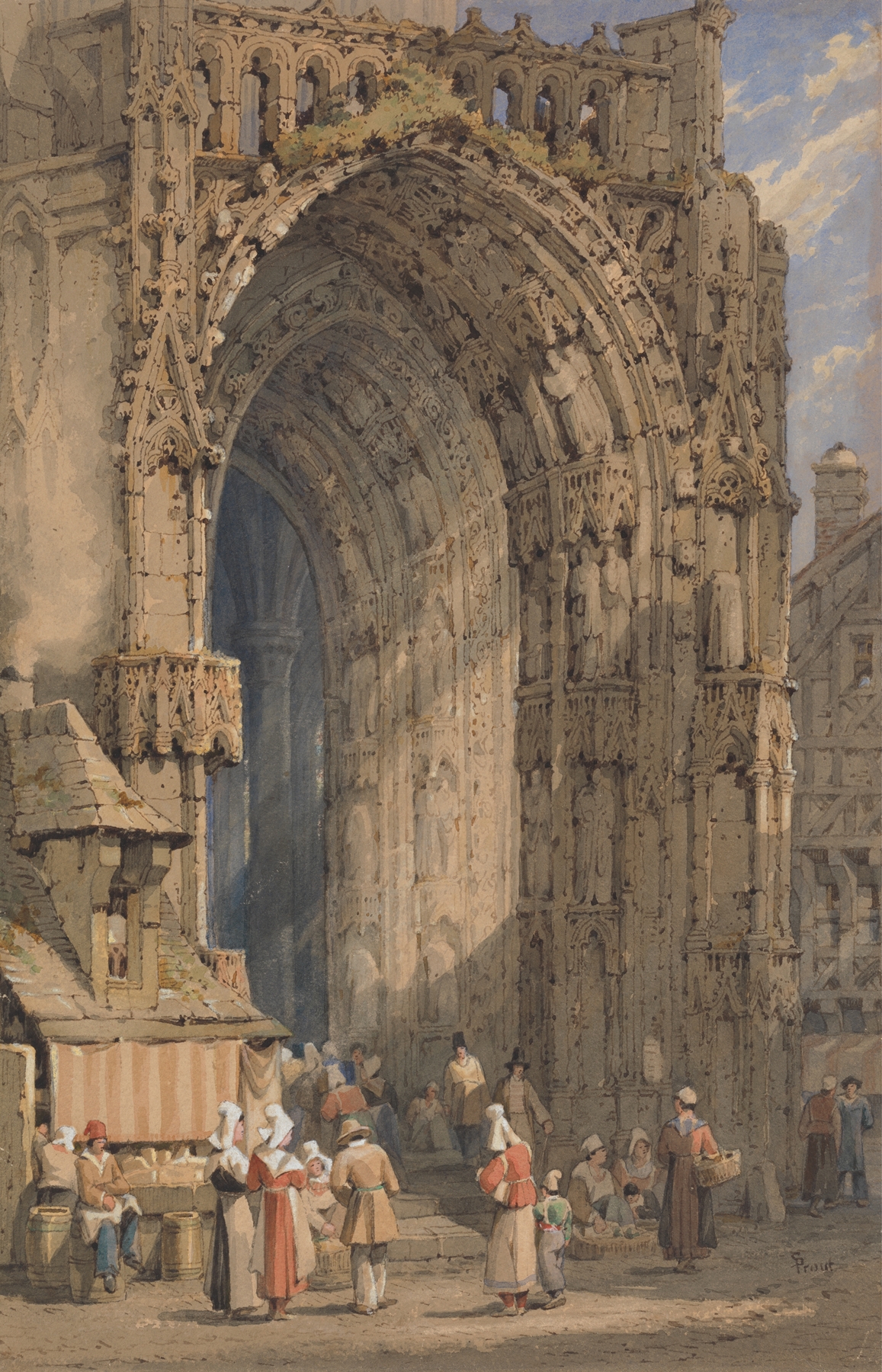
Each crack and crevice serves as a reminder of time’s relentless embrace, suggesting a longing for what once was, echoing the weight of history cradled within those hallowed walls. During the 1820s, the artist found himself captivated by the sublime architecture of Britain’s historical structures. This era was marked by a growing romanticism in art, as figures like Prout celebrated the essence of decay and beauty in their works. He painted during a time when industrialization was rapidly changing landscapes, prompting a nostalgic yearning for the past—a theme echoed deeply in Interior of a Cathedral.