Marketplace at Bruges — History & Analysis
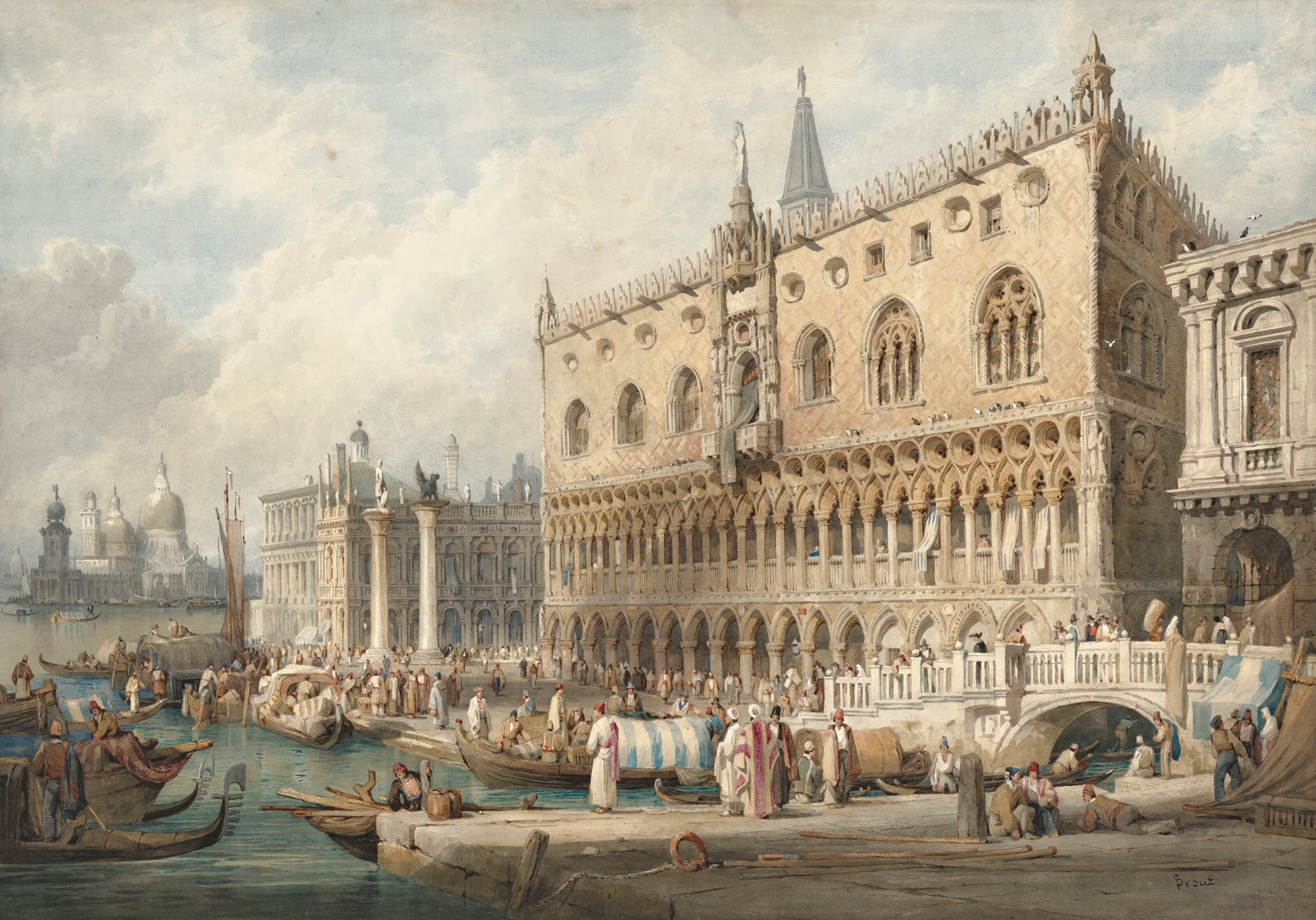
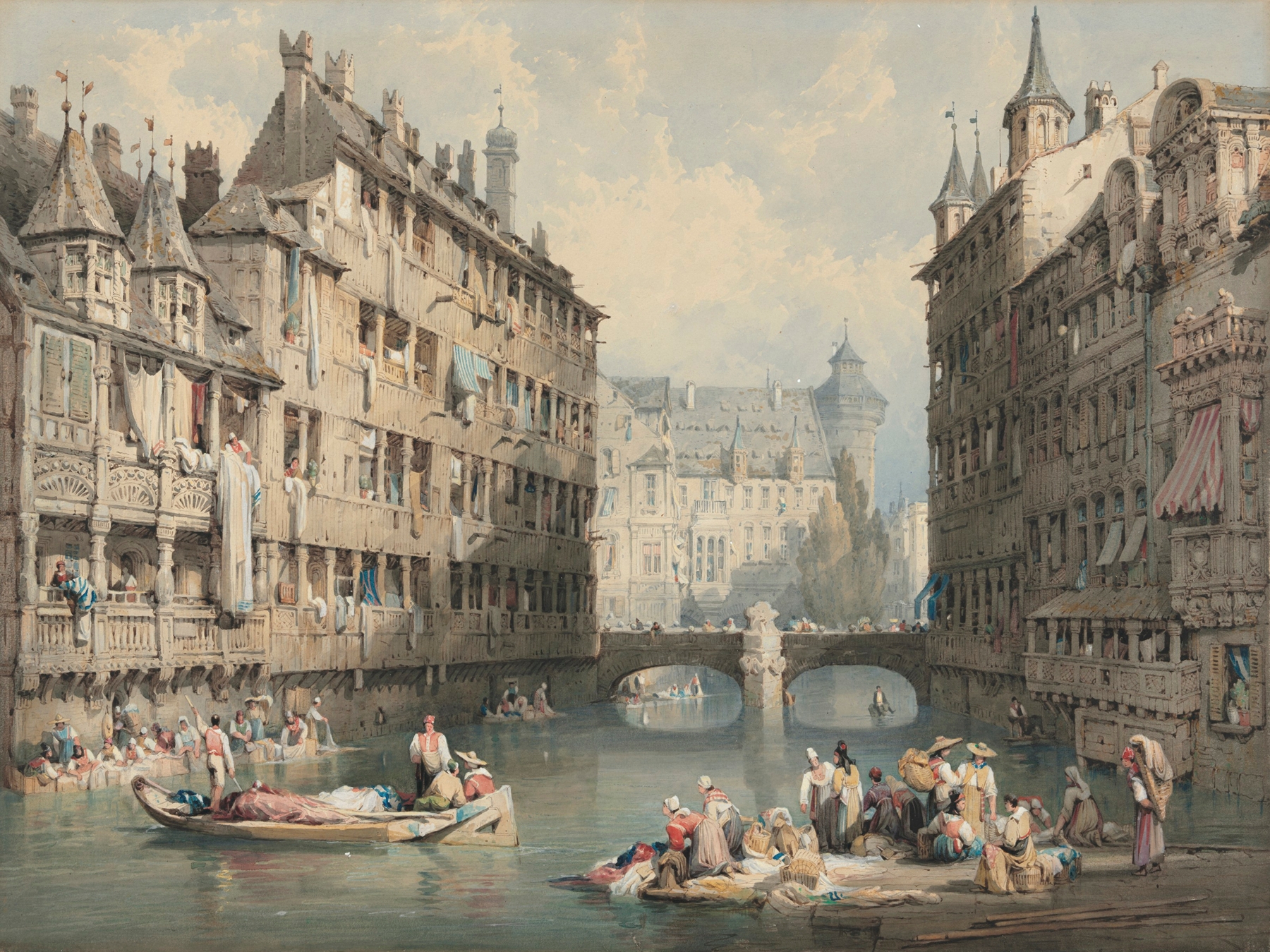
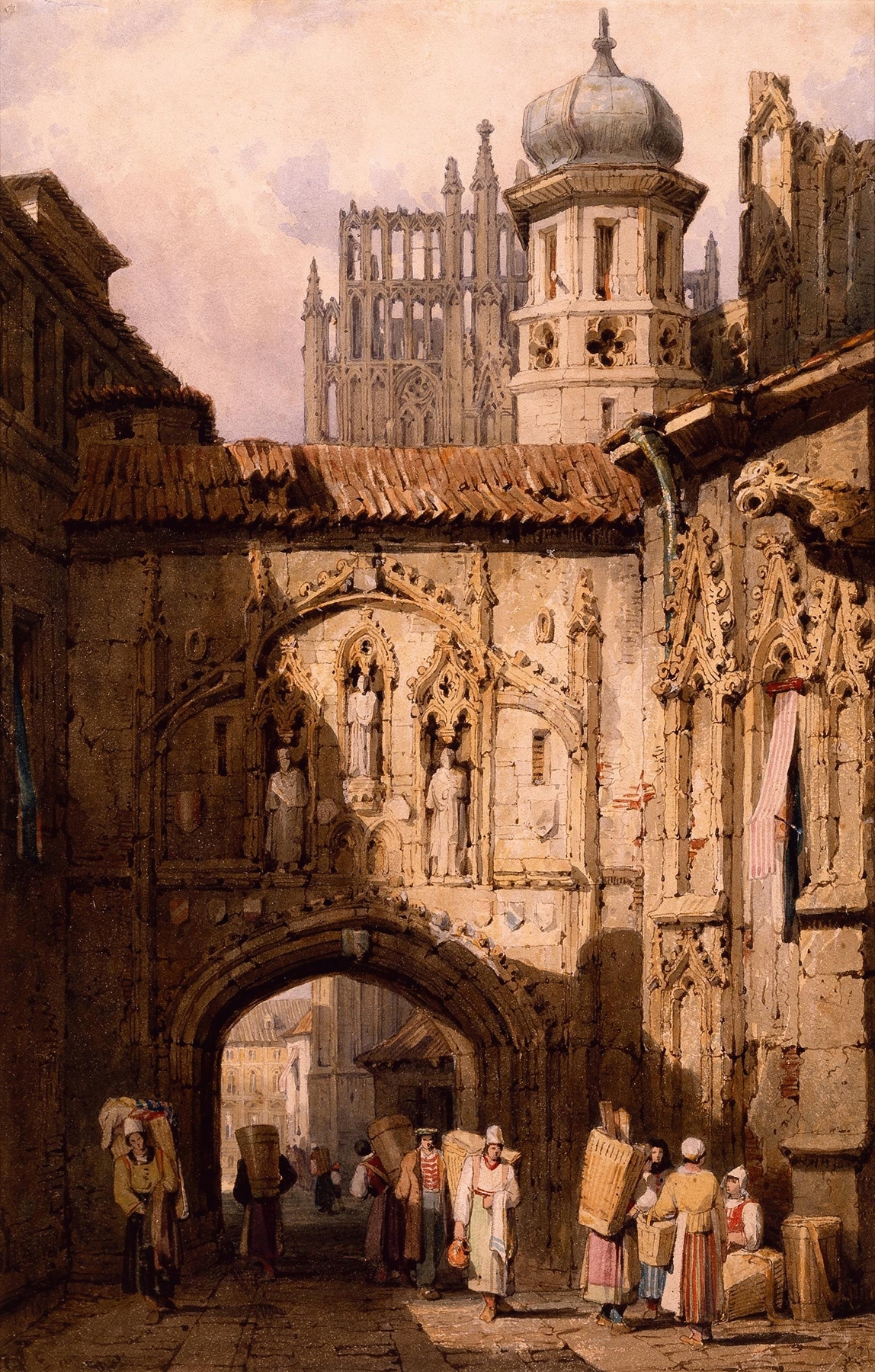
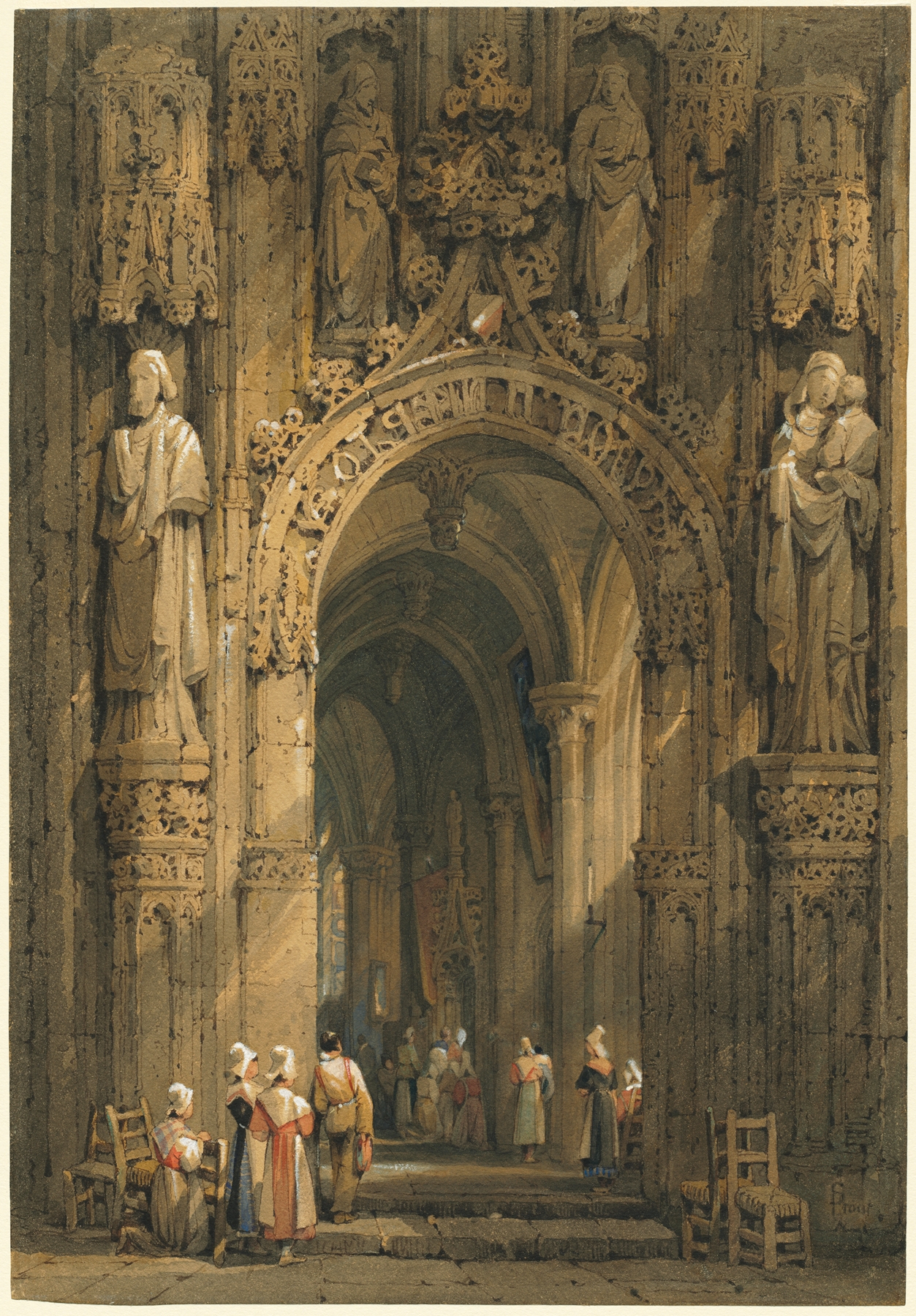
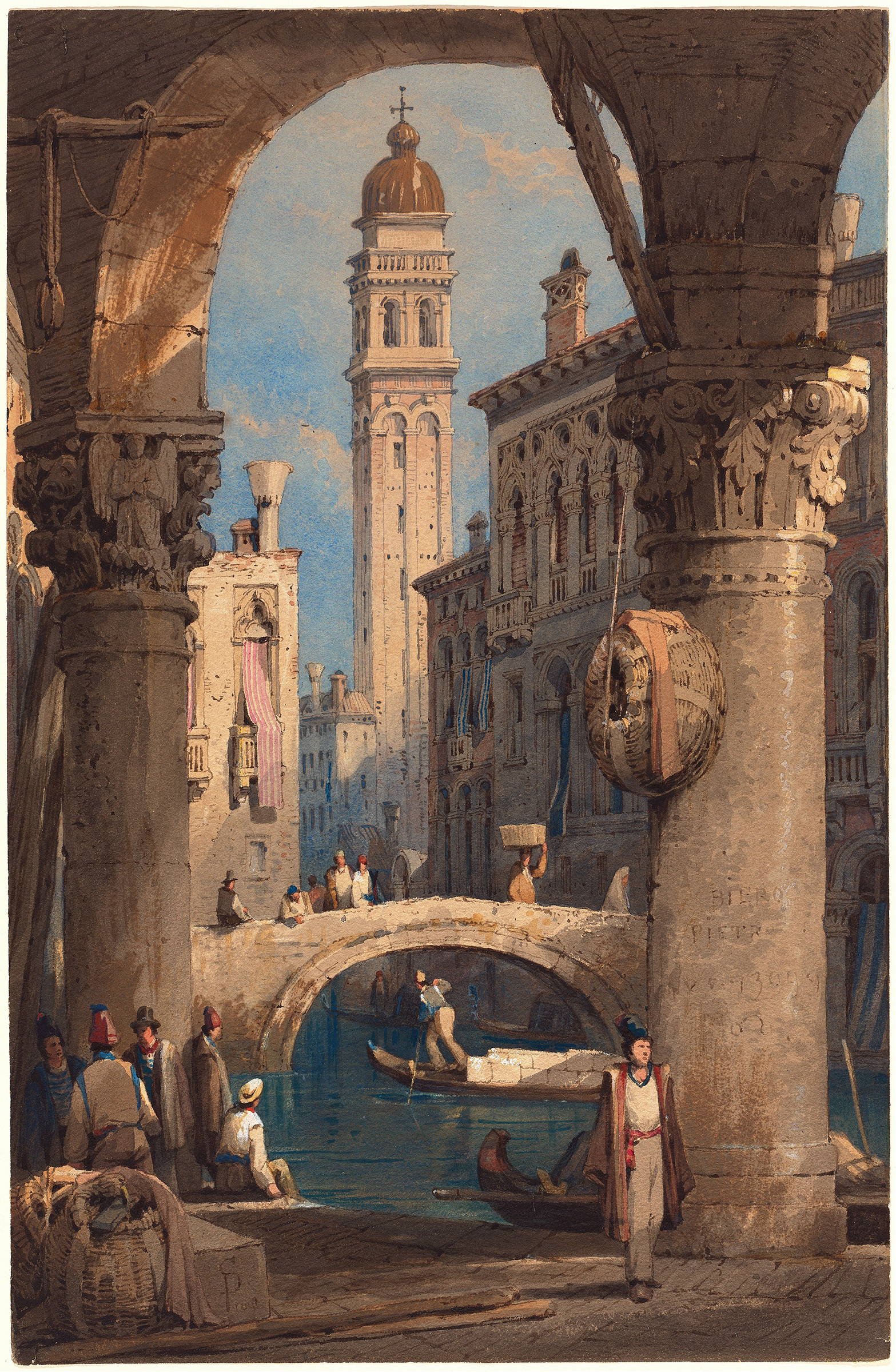
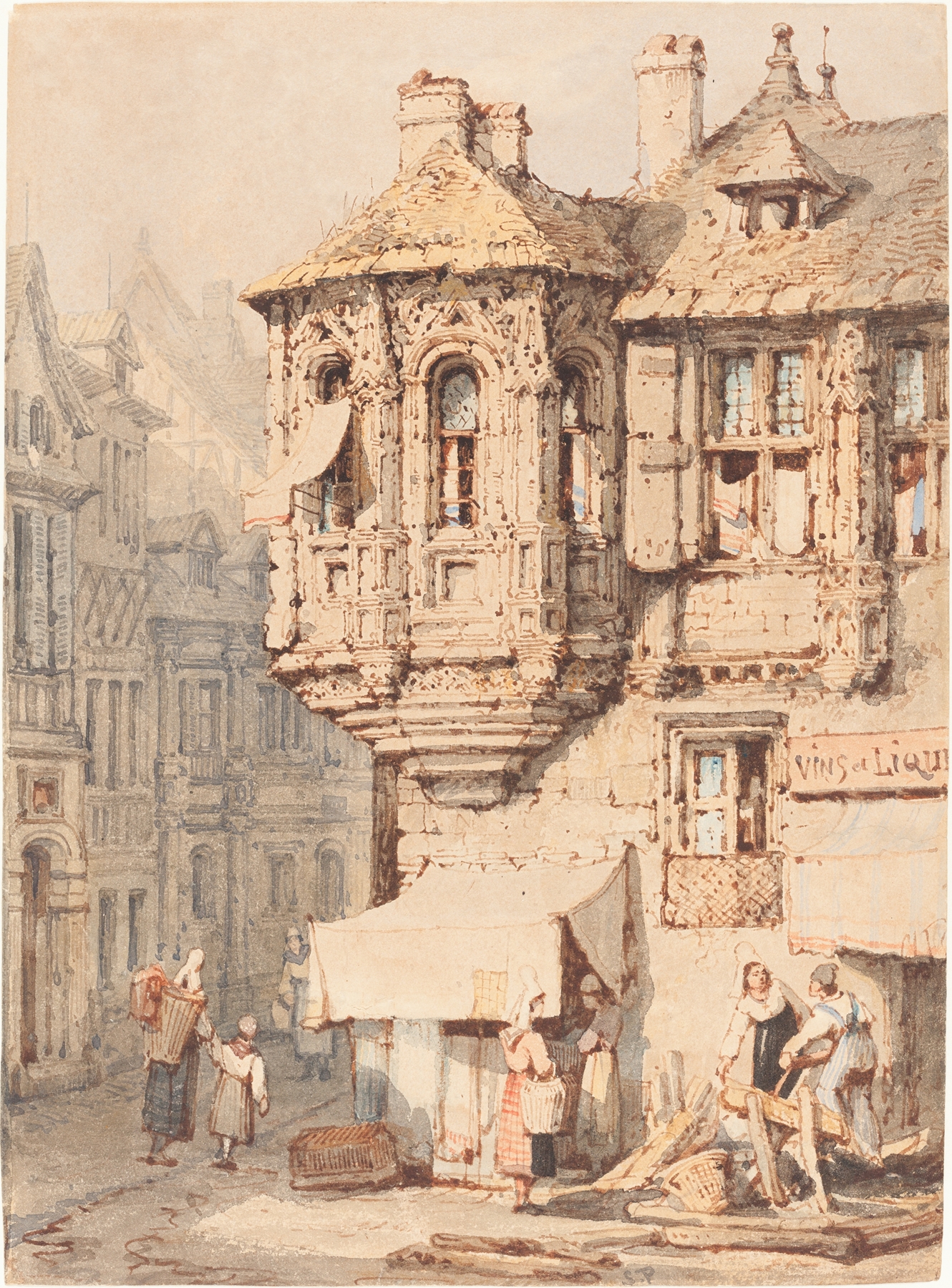
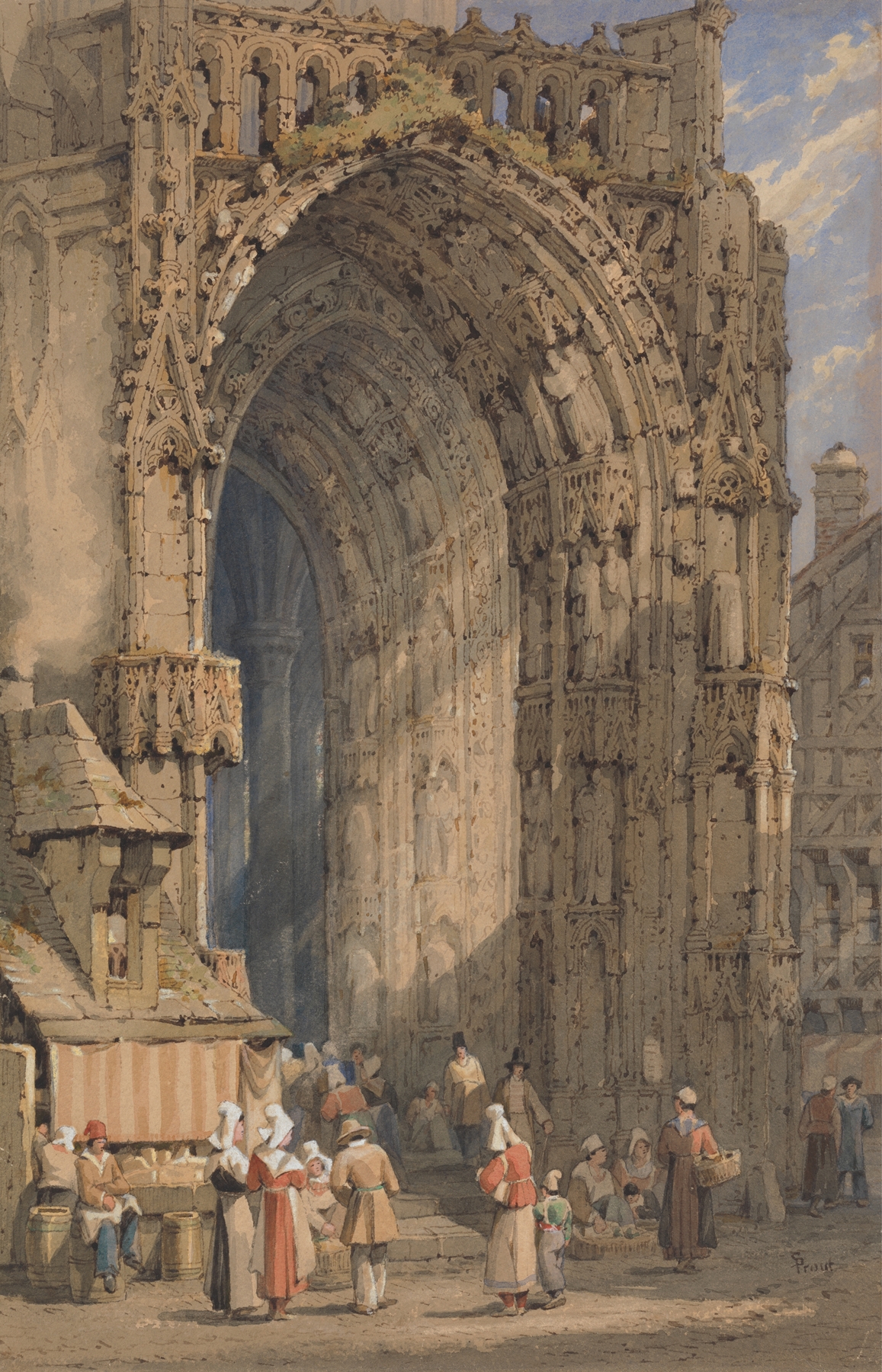
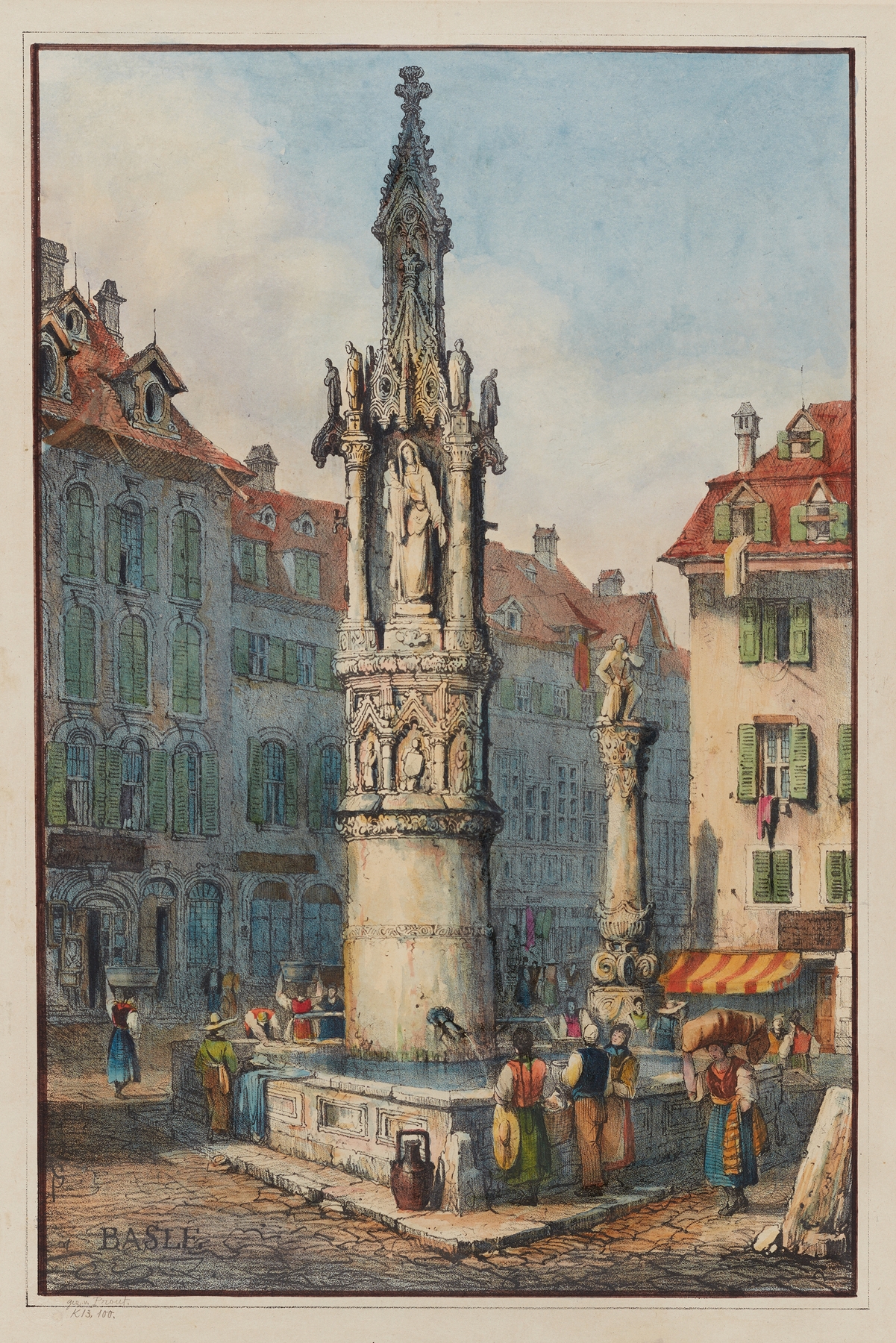
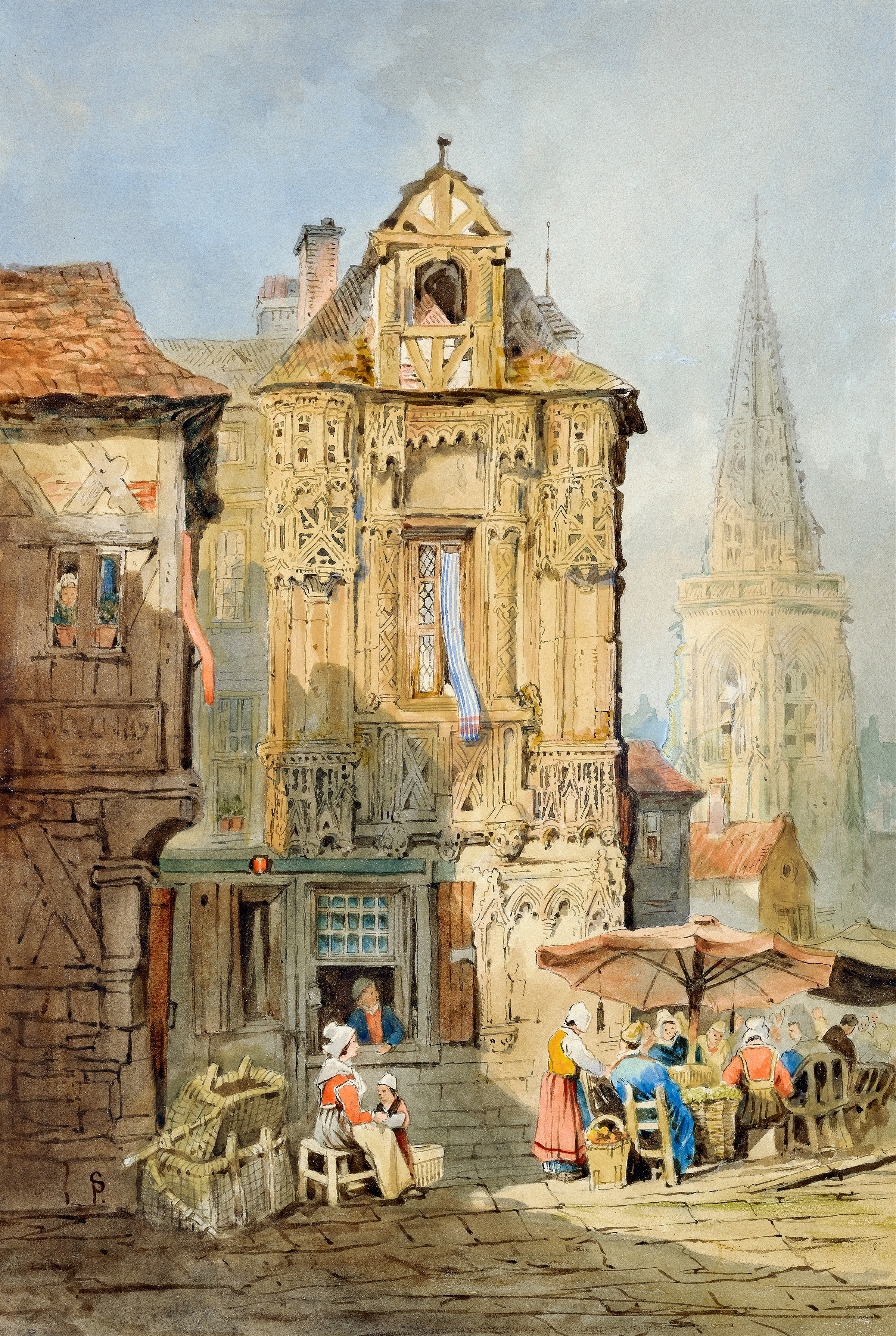
“Every brushstroke is a heartbeat remembered.” In the stillness of an artist's mind, silence speaks volumes, capturing fleeting moments that echo through time. Focus first on the bustling figures nestled within the marketplace. Look to the left and see merchants animatedly gesturing, their hands alive with the excitement of trade. Notice the warm hues that envelop the scene, where browns and ochres intermingle beautifully, revealing an inviting autumnal day.
The composition pulls you into a tapestry of activity, yet the artist masterfully balances this vibrancy with patches of tranquil space, allowing pauses in the chaos for reflection. As you engage deeper, contemplate the contrasts unveiled by the artist. The juxtaposition of light and shadow creates a rhythm that hints at a story beyond mere commerce—a narrative of life’s ebbs and flows. The cloaked figures, both solitary and connected, embody a shared experience, yet their expressions suggest worlds of intimate thoughts, echoing the silence amidst the clamor.
Here, the subtle tension between movement and stillness invites us to ponder the unspoken. During this time, Prout was honing his unique style in England, focusing on atmospheric landscapes and lively urban scenes. He created Marketplace at Bruges with the intent of capturing not just the sights but the essence of a dynamic community, reflecting the broader currents of 19th-century society. While the exact date of this work remains unknown, it likely stems from a period when European artists were increasingly drawn to urban life, seeking to immortalize the vibrancy and rhythm of everyday existence.