Wooded Upland Landscape — History & Analysis
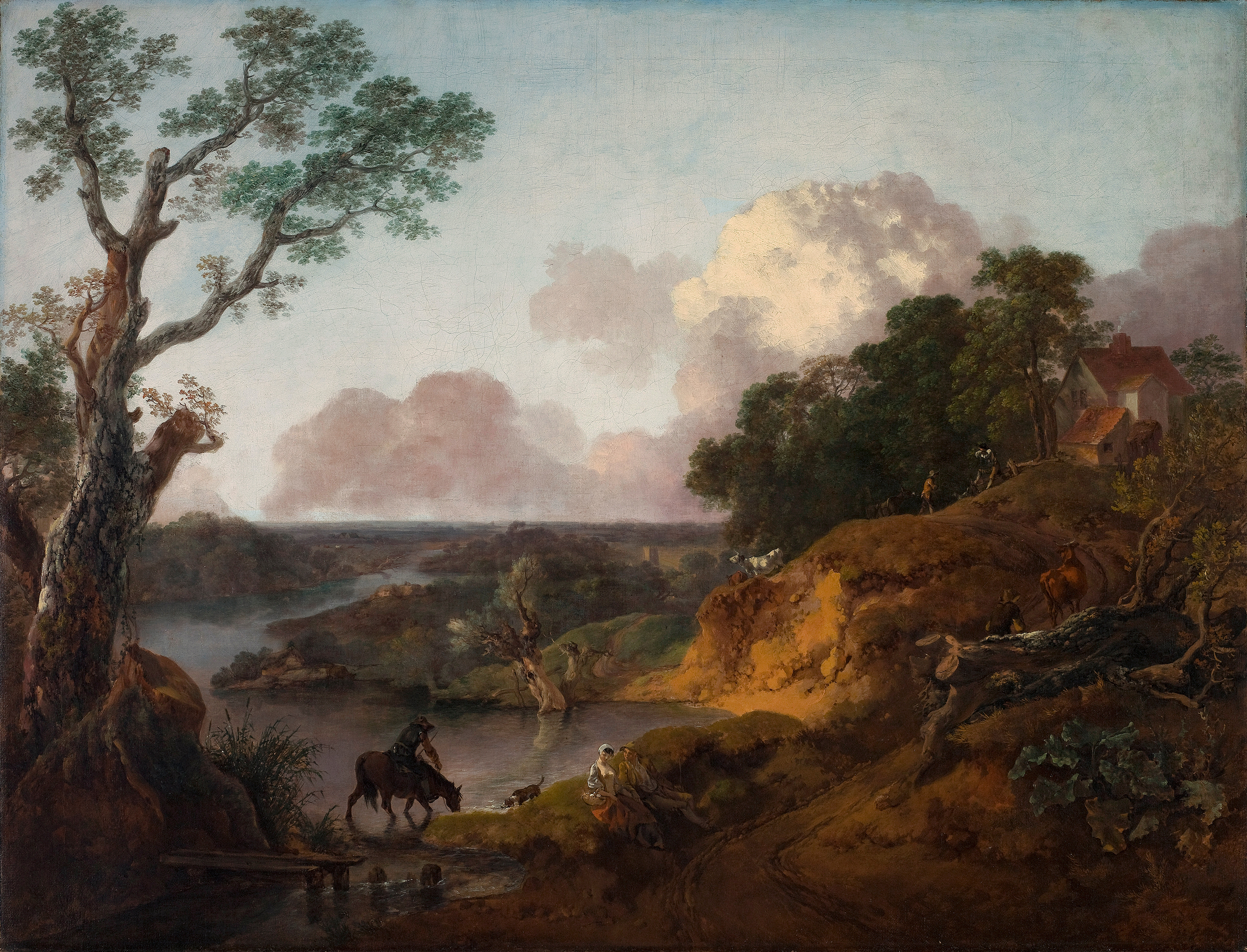
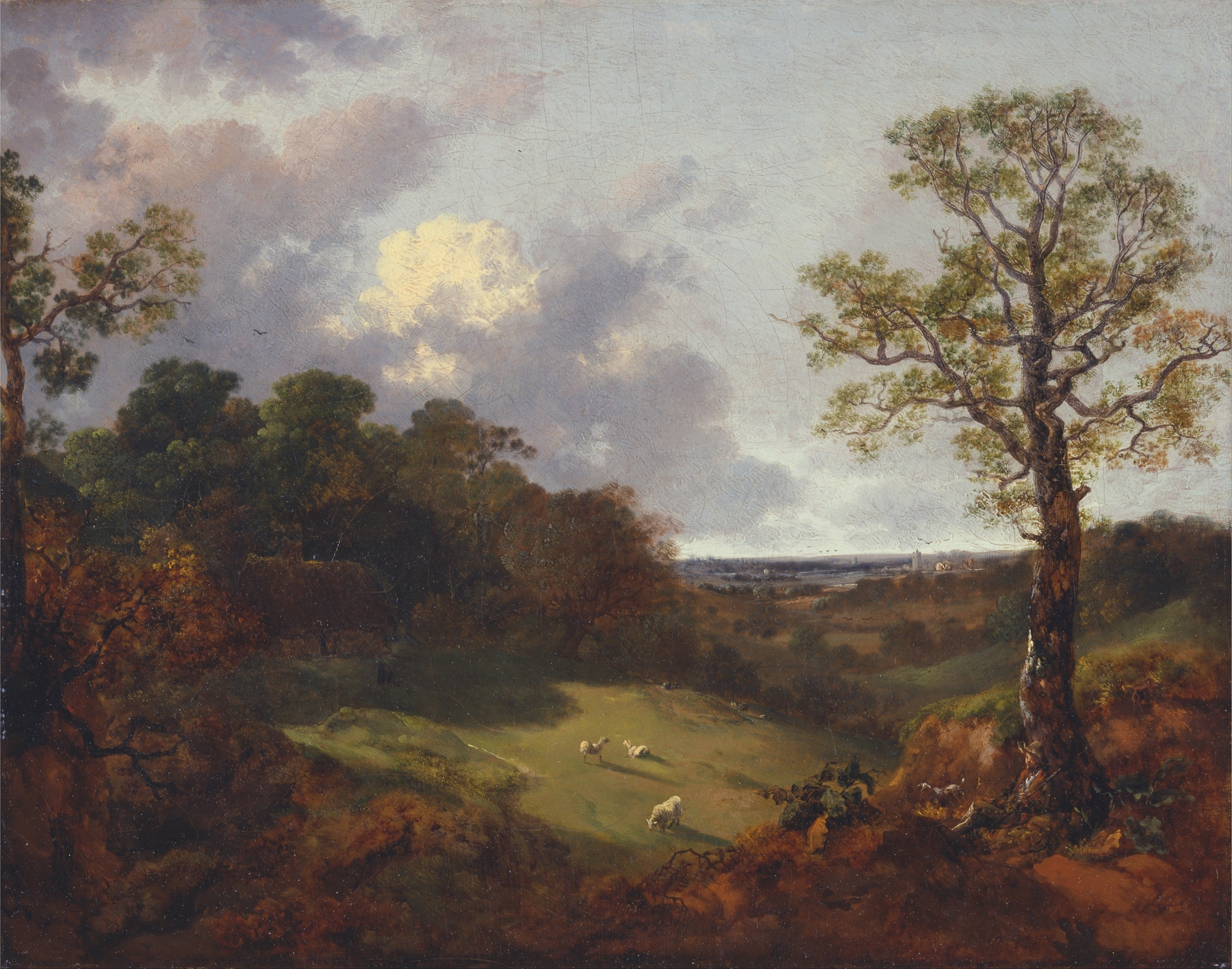
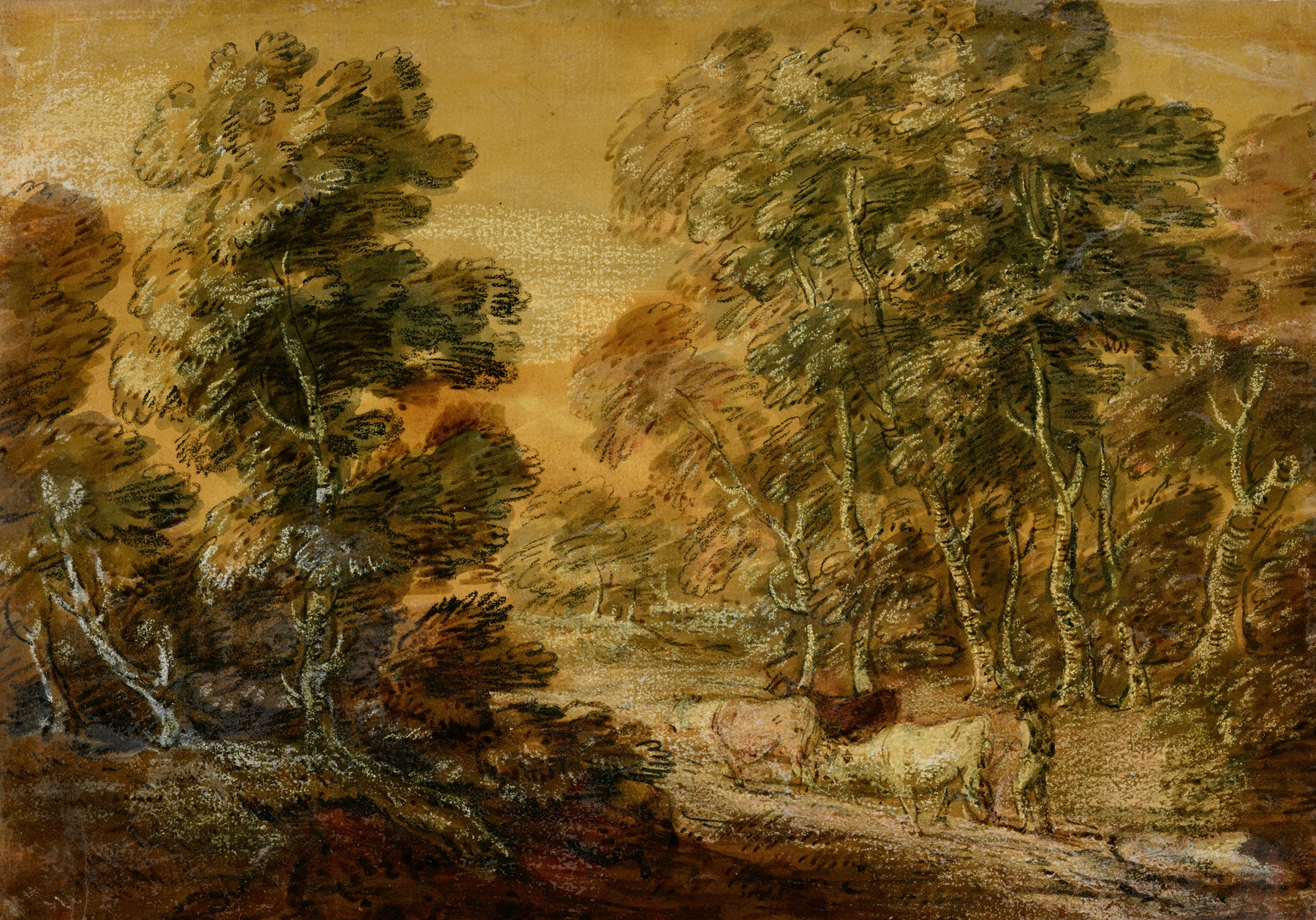
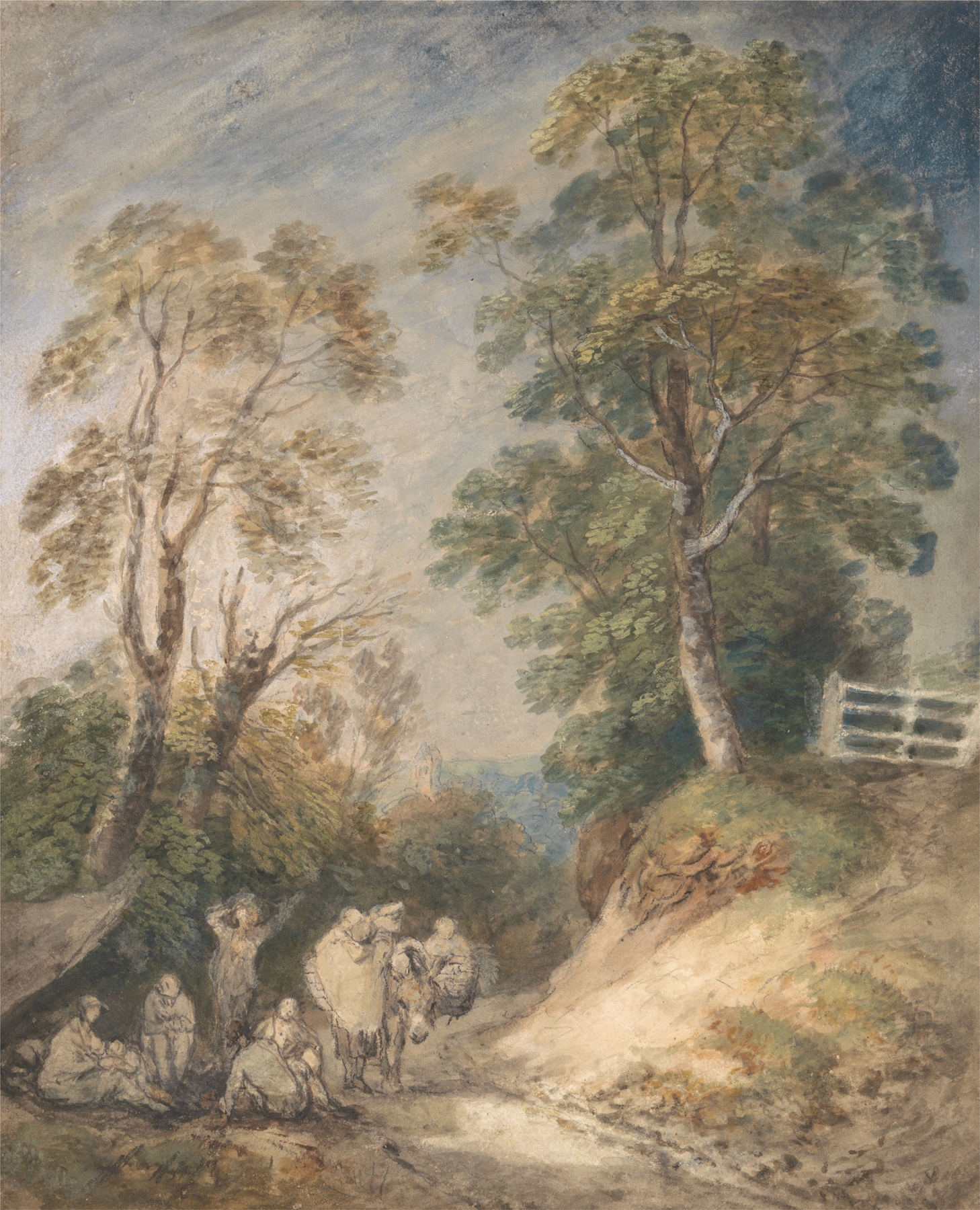
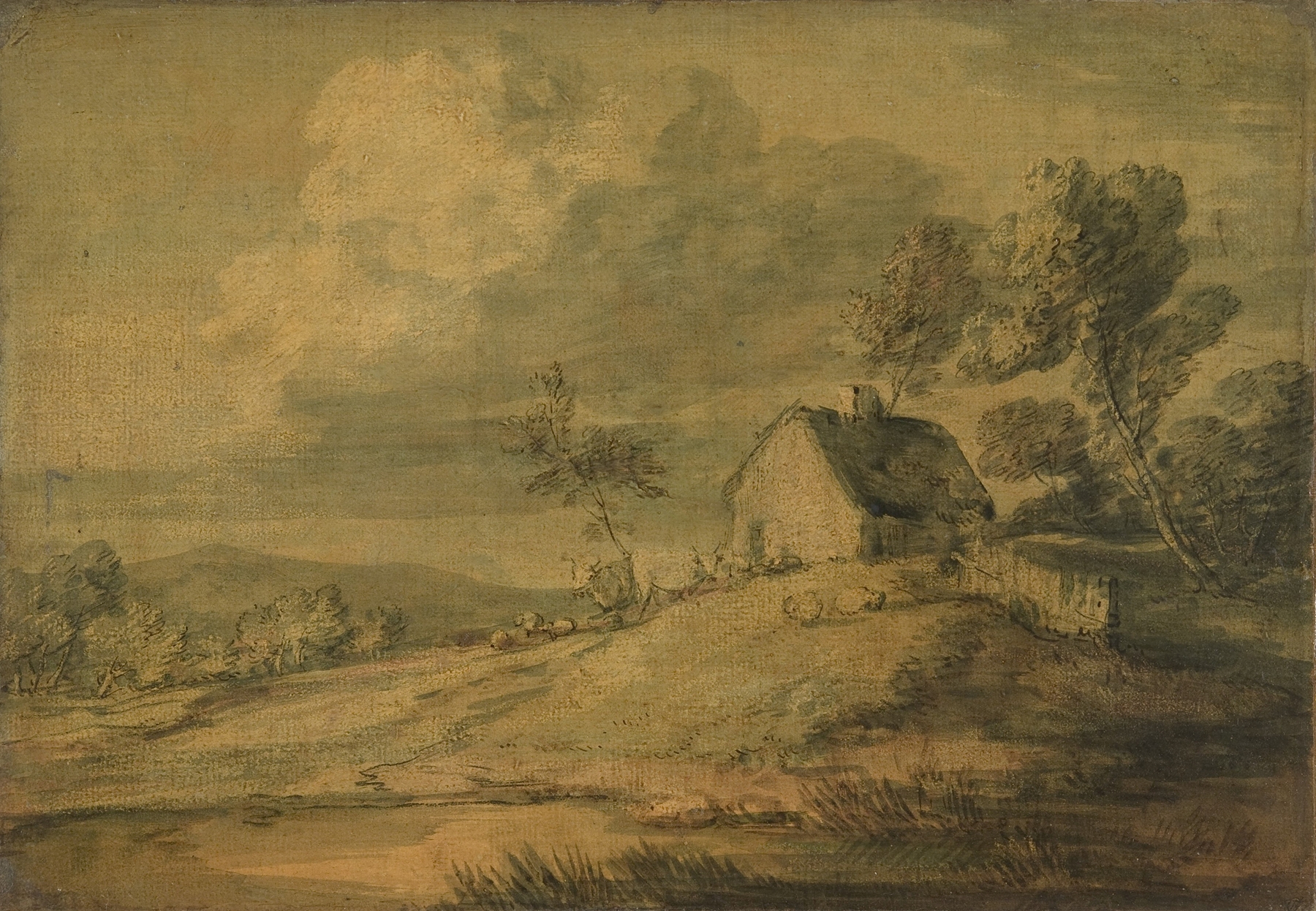
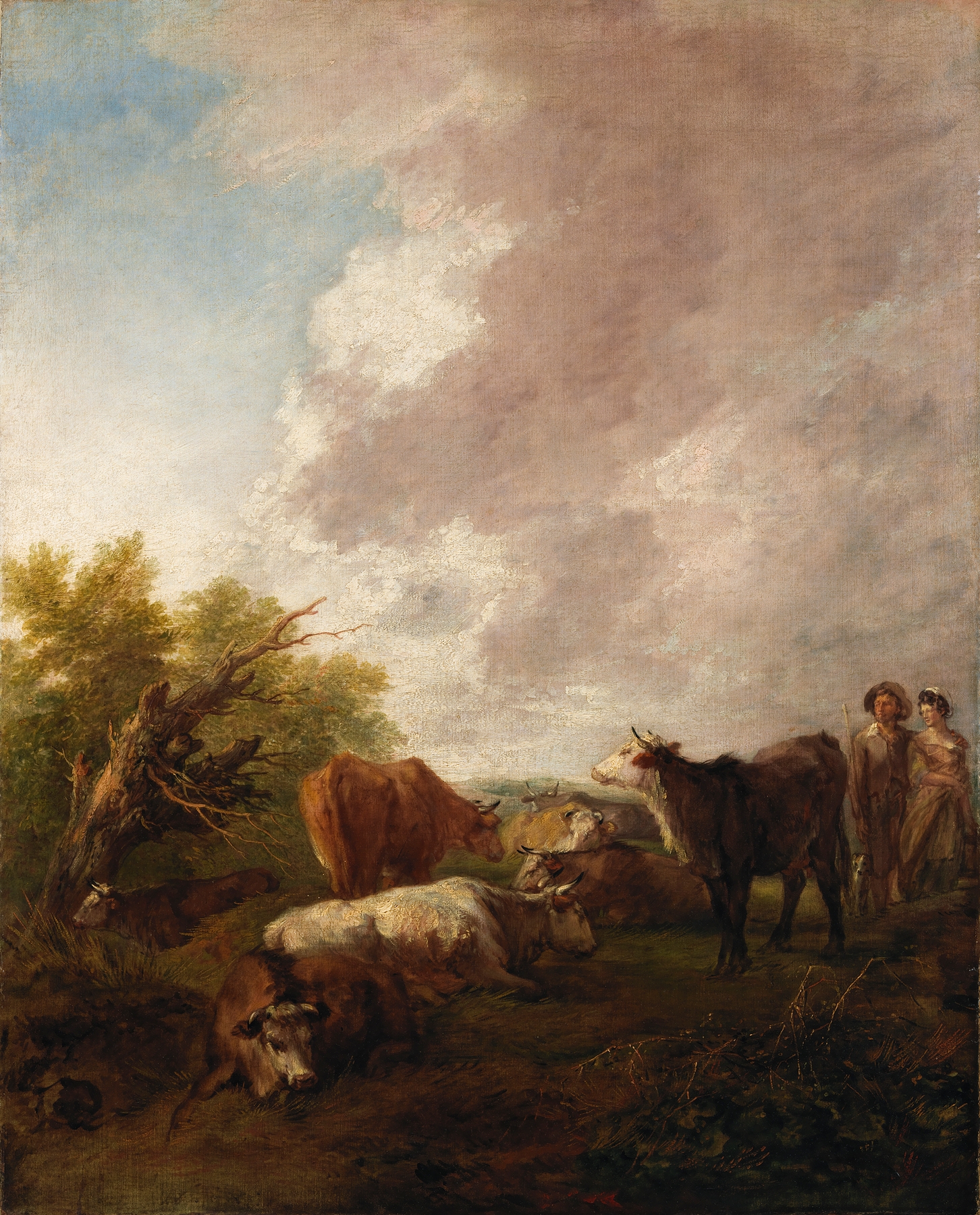
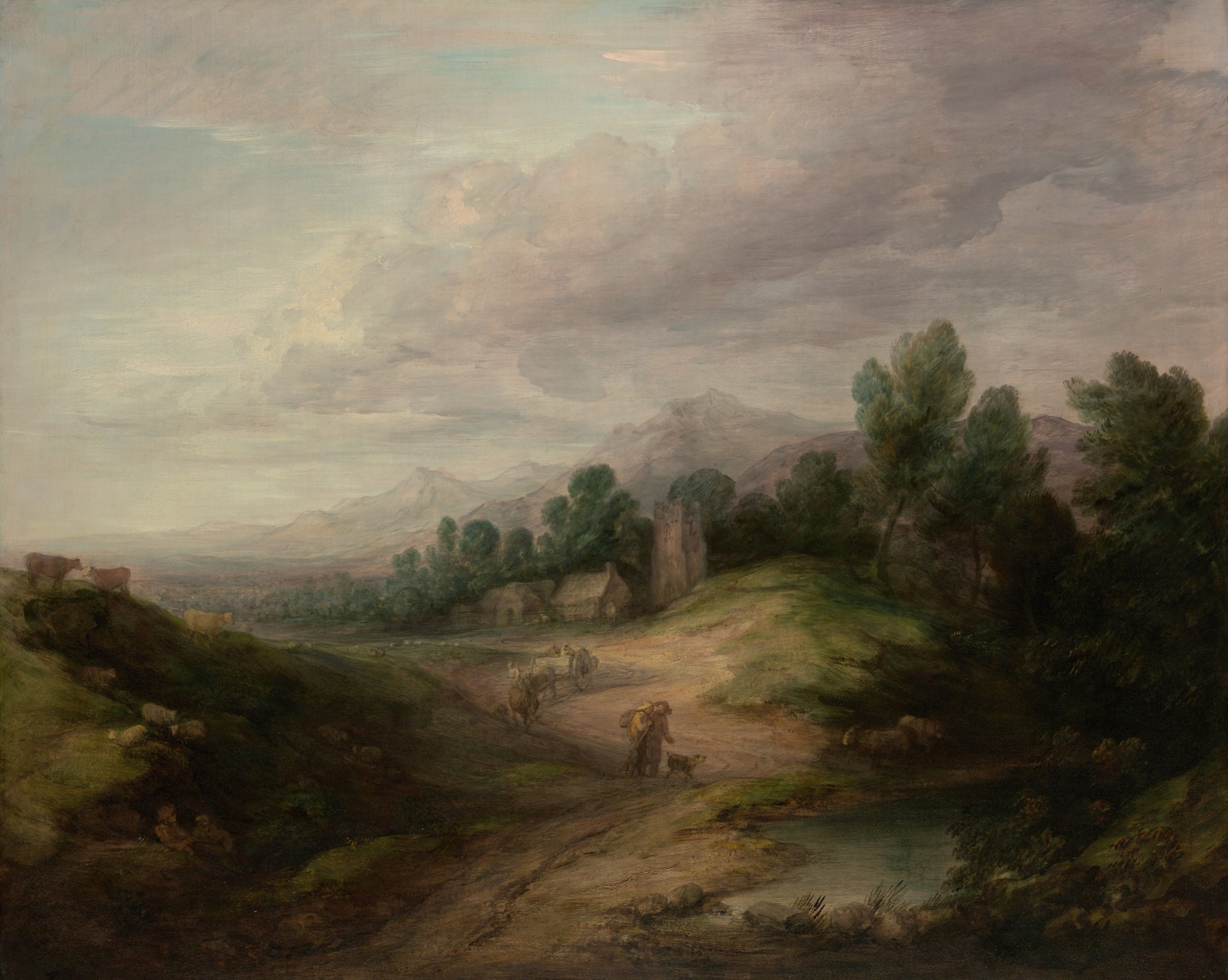
“Every brushstroke is a heartbeat remembered.” In Wooded Upland Landscape, time stands still, captured in the delicate dance of nature’s hues. This painting invites us to contemplate the fleeting moments that create lasting memories, held within the embrace of vibrant greens and soft browns. Look to the left at the majestic trees that tower above, their leaves dappled with sunlight filtering through the canopy. Observe how the artist’s brushstrokes create a tapestry of texture on the bark, each stroke a testament to the life that flourishes beneath.
The subtle blending of colors conveys a sense of warmth, while the gentle undulations of the hills draw your eyes deeper into the scene, inviting you to wander through this idyllic landscape. Amidst the beauty lies a narrative of contrast—the serene stillness of nature juxtaposed with the tumult of human existence beyond its borders. The brightness of the sky hints at the passage of time, suggesting a day on the brink of dusk, while the impending shadows evoke a sense of calm resolve. Here, the idyllic landscape serves not just as a visual escape, but as a reminder of the ephemeral nature of both time and beauty.
In 1783, Gainsborough painted this masterpiece during a period of personal transition, as he sought to establish his legacy in a rapidly changing art world. At this time, his style was evolving, blending his earlier portraiture skills with landscapes that resonated with emotion and depth. The work reflects a moment where Gainsborough embraced the tranquility of the English countryside, creating a piece that resonates with the timelessness of nature amidst the chaos of life.