A View of the Bay of Naples, Looking Southwest from the Pizzofalcone Toward Capo di Posilippo — History & Analysis
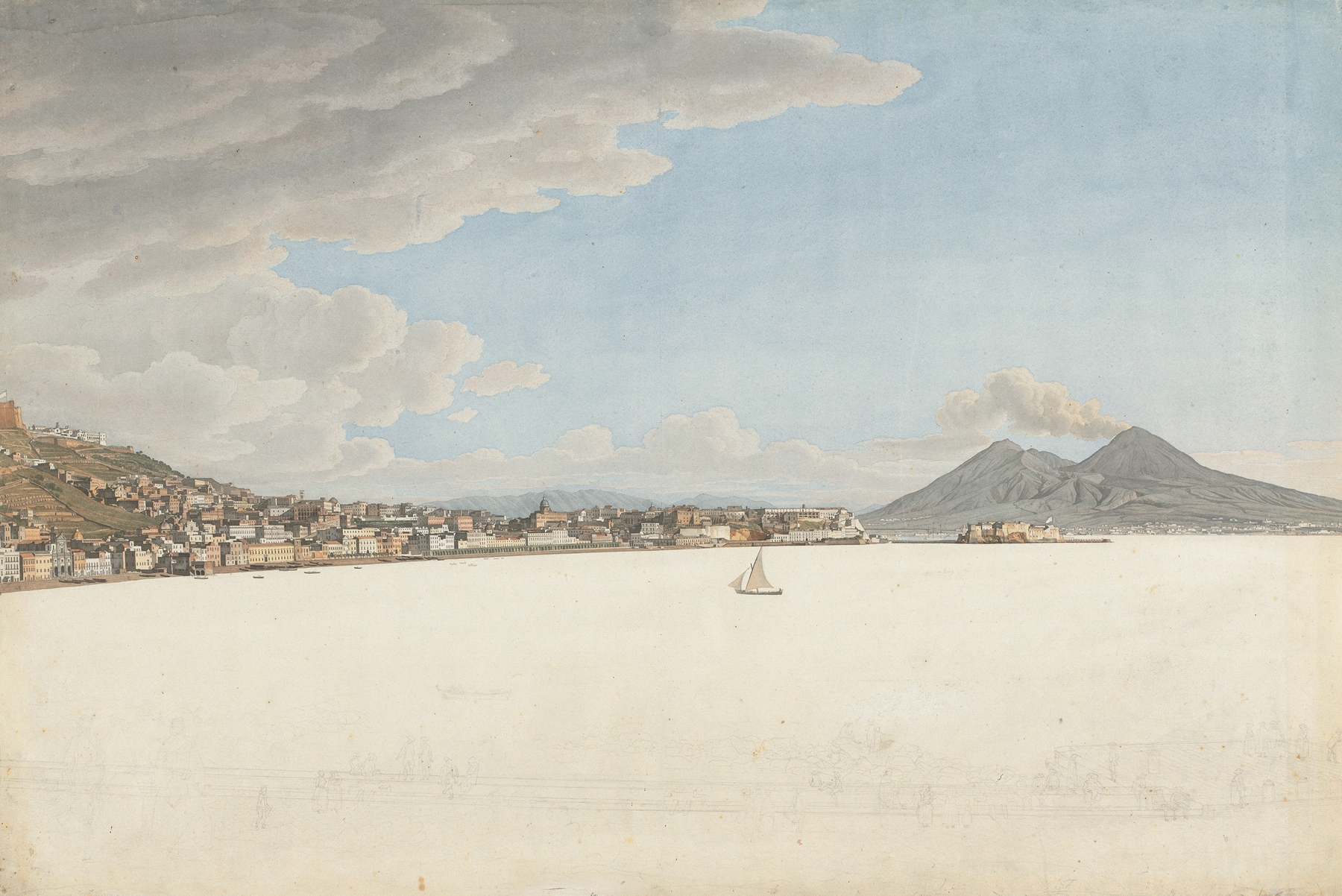
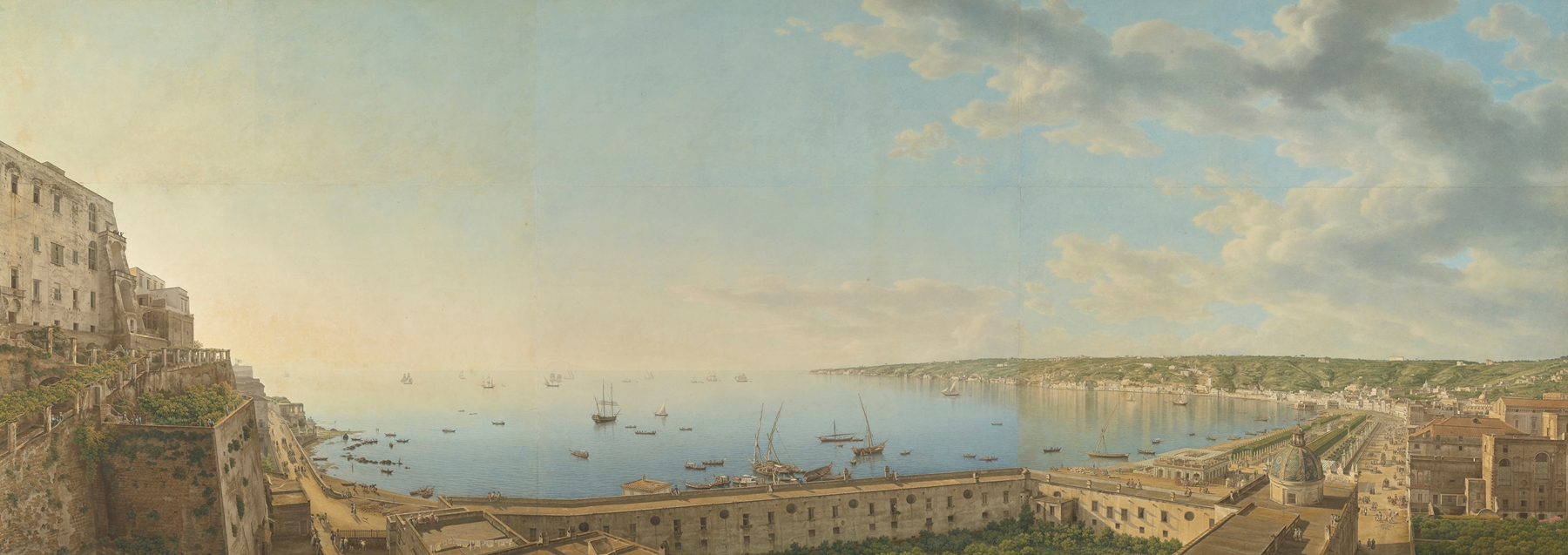
Can paint confess what words never could? In A View of the Bay of Naples, Looking Southwest from the Pizzofalcone Toward Capo di Posilippo, the silence of the landscape speaks volumes, echoing the void left by unspoken thoughts and emotions. Look to the horizon, where the deep blue of the bay meets the soft pastels of a dusky sky. The gentle brushwork captures the sun’s fading light, illuminating the rolling hills and architectural silhouettes with a warm, golden hue. Notice how the delicate interplay of colors invites the eye to explore the serene water, reflecting the tranquil beauty of the scene.
The horizontal lines of the coastline provide a grounding force, while the scattered clouds add a touch of dynamism, teasing the stillness of the moment. As you delve deeper into this landscape, hidden meanings emerge in the contrasts between light and shadow. The bay's calm surface suggests peace, yet the looming mountains in the distance remind us of the ever-present challenges of life. This tension between tranquility and the unknown creates a sense of longing, a whisper of the void that permeates the canvas.
Each brushstroke holds a narrative, hinting at the stories of those who have gazed upon this view, steeped in both wonder and melancholy. Giovanni Battista Lusieri painted this masterpiece in the late 18th century, during a time when the Romantic movement was blooming in Europe. As an Italian landscape artist, Lusieri was drawn to capturing the sublime beauty of his homeland, particularly the allure of Naples. At this point in his career, he was deeply influenced by both classical ideals and the emerging Romantic sensibility, striving to convey not just a scene, but the emotional weight that landscapes can carry.