Lake Averno — History & Analysis
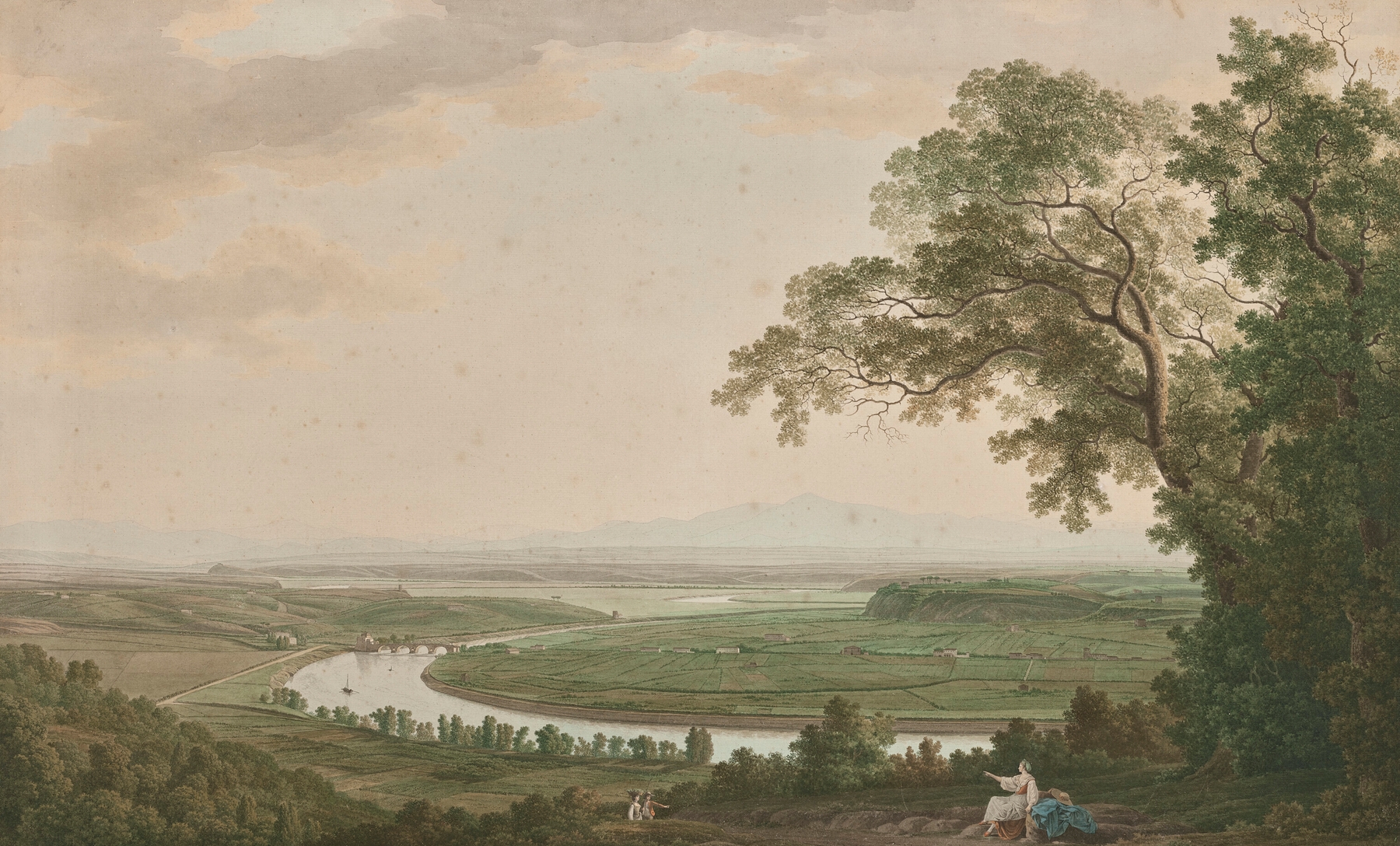
Under the brush, chaos becomes grace. In the realm of art, beauty often emerges from the interplay of turmoil and tranquility, and Lake Averno encapsulates this duality with striking elegance. Look to the foreground where gentle ripples dance across the water's surface, reflecting the lush greens and muted earth tones that define the landscape. Notice the way the light spills over the trees, illuminating patches of vibrant foliage while casting soft shadows that hint at an uncharted depth beneath the serene exterior.
The composition invites the viewer’s gaze to wander from the calm water to the distant hills, suggesting a journey through nature that intertwines solitude and harmony. Hidden within this picturesque scene lies an intricate dialogue between stillness and motion. The juxtaposition of the tranquil lake against the jagged mountains evokes a tension that is both soothing and unsettling. The interplay of light and shadow reveals a complexity beneath the surface—a reminder that beauty can harbor secrets, and that serenity may, at times, mask underlying chaos.
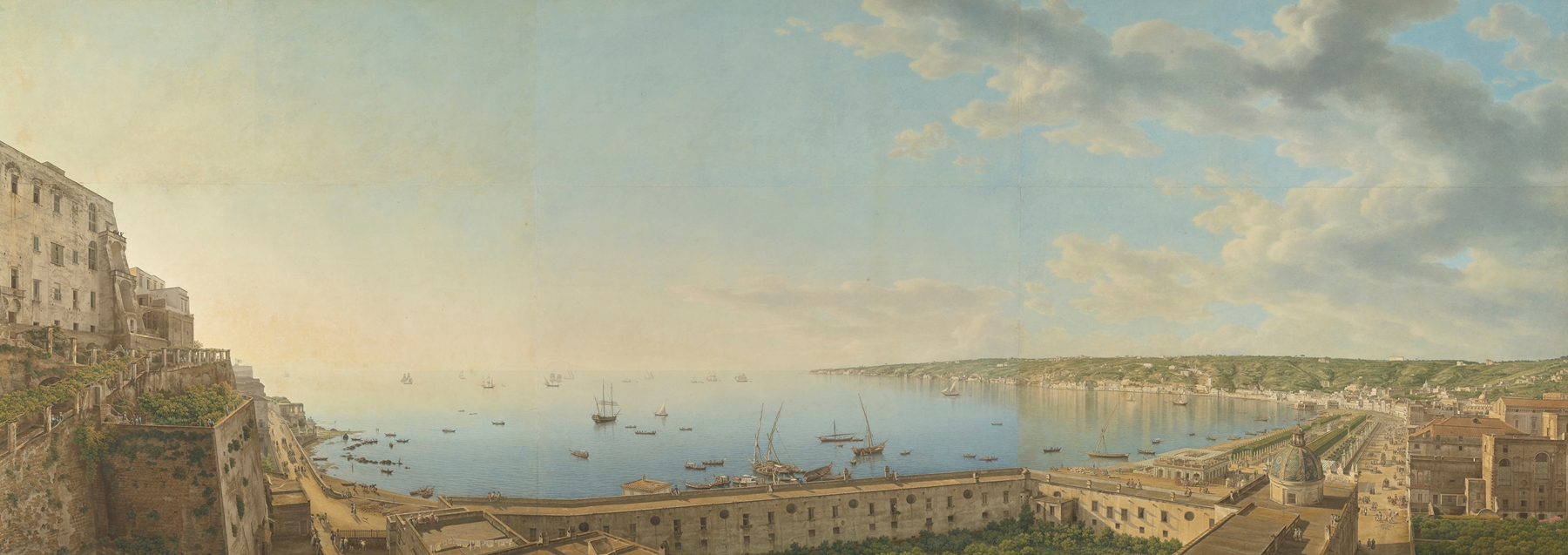
Each brushstroke tells a story of its own, capturing the essence of a place where nature breathes and whispers tales of existence. Giovanni Battista Lusieri painted Lake Averno in 1786, during a period when he was deeply influenced by the serene landscapes of Italy. He was in Naples at the time, amidst a flourishing artistic community that valued the representation of nature. This era was marked by a desire to capture the sublime beauty of the natural world, reflecting both an admiration for its grandeur and a yearning for personal connection within its vastness.