The Bay of Naples with Mounts Vesuvius and Somma — History & Analysis
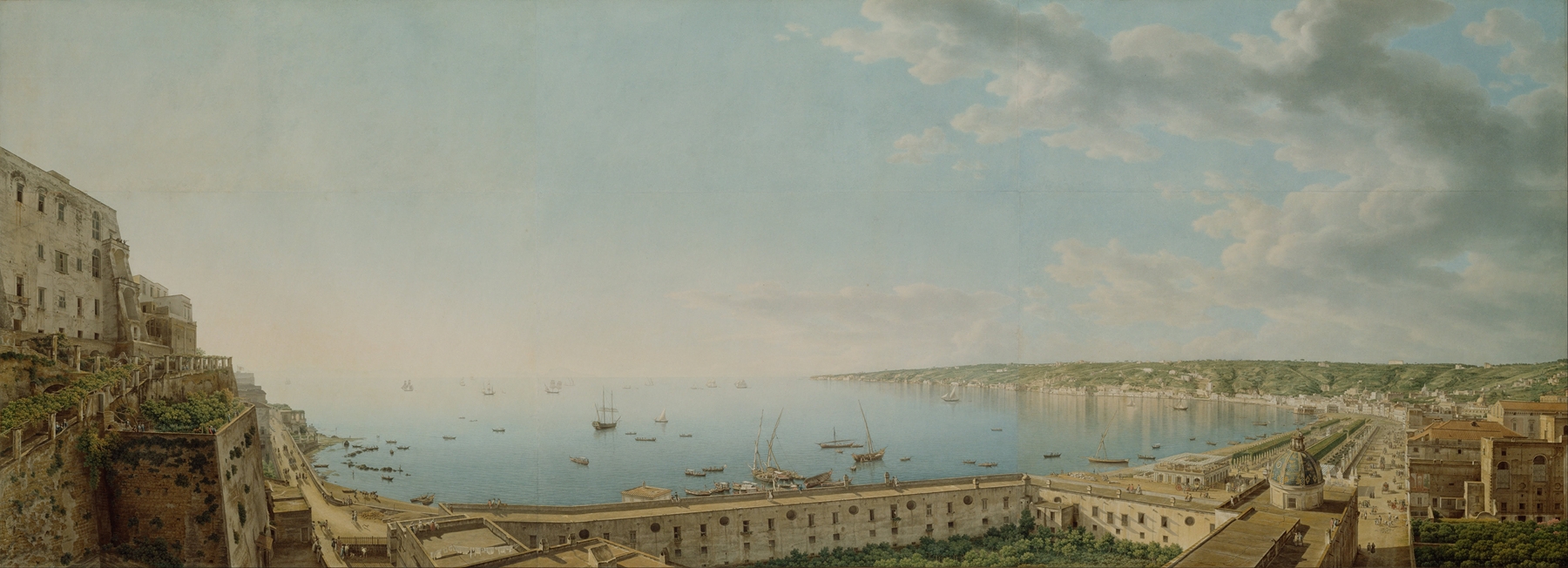
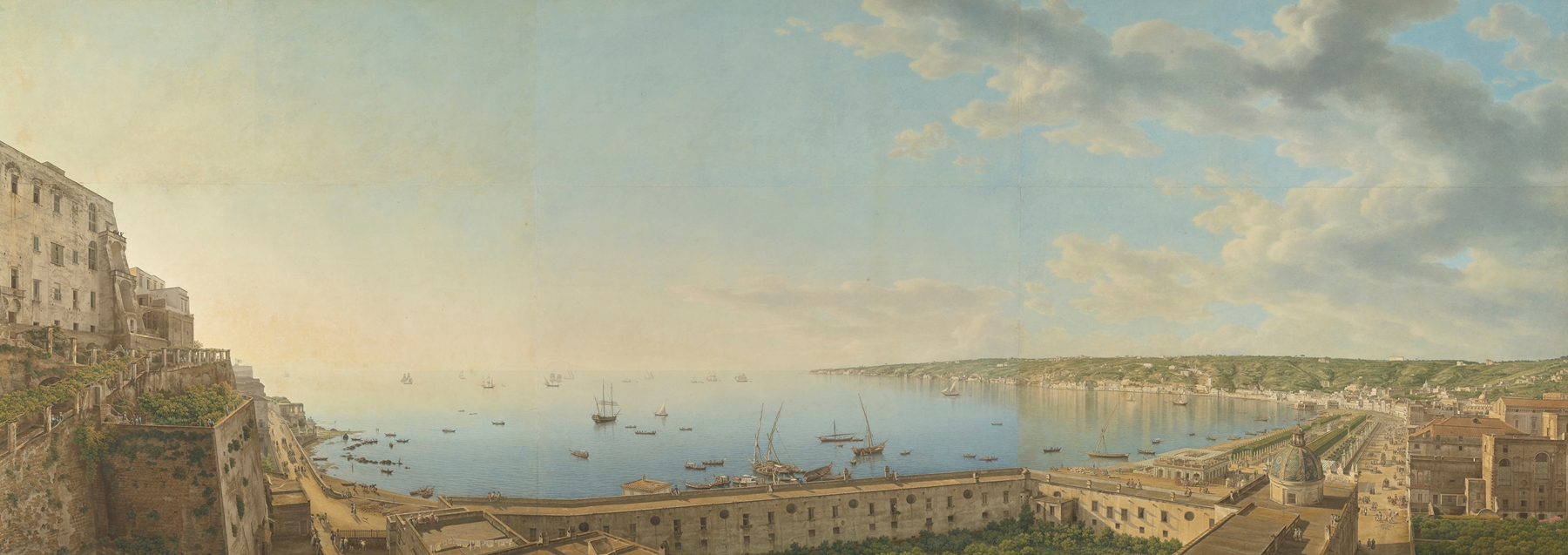
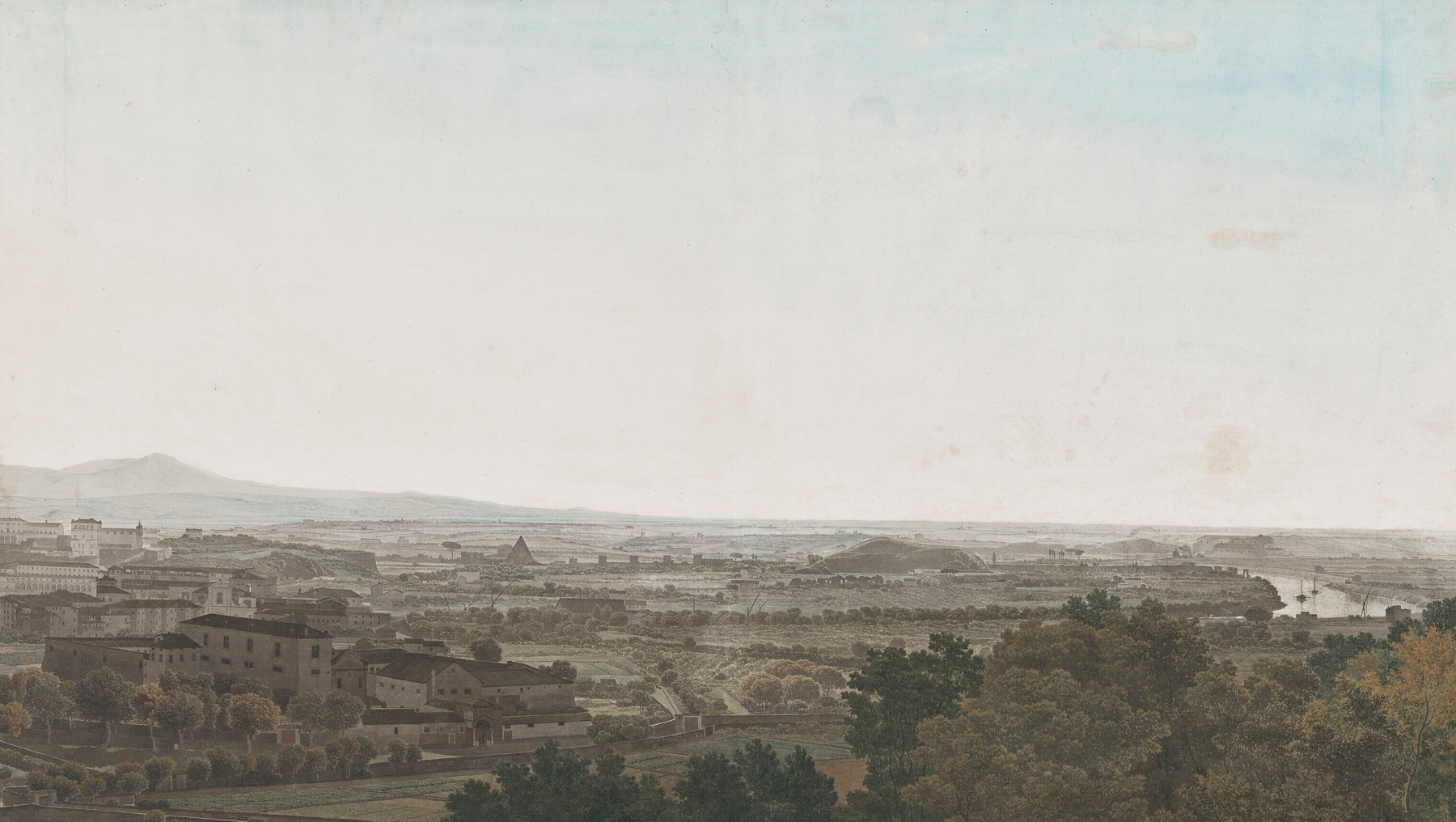
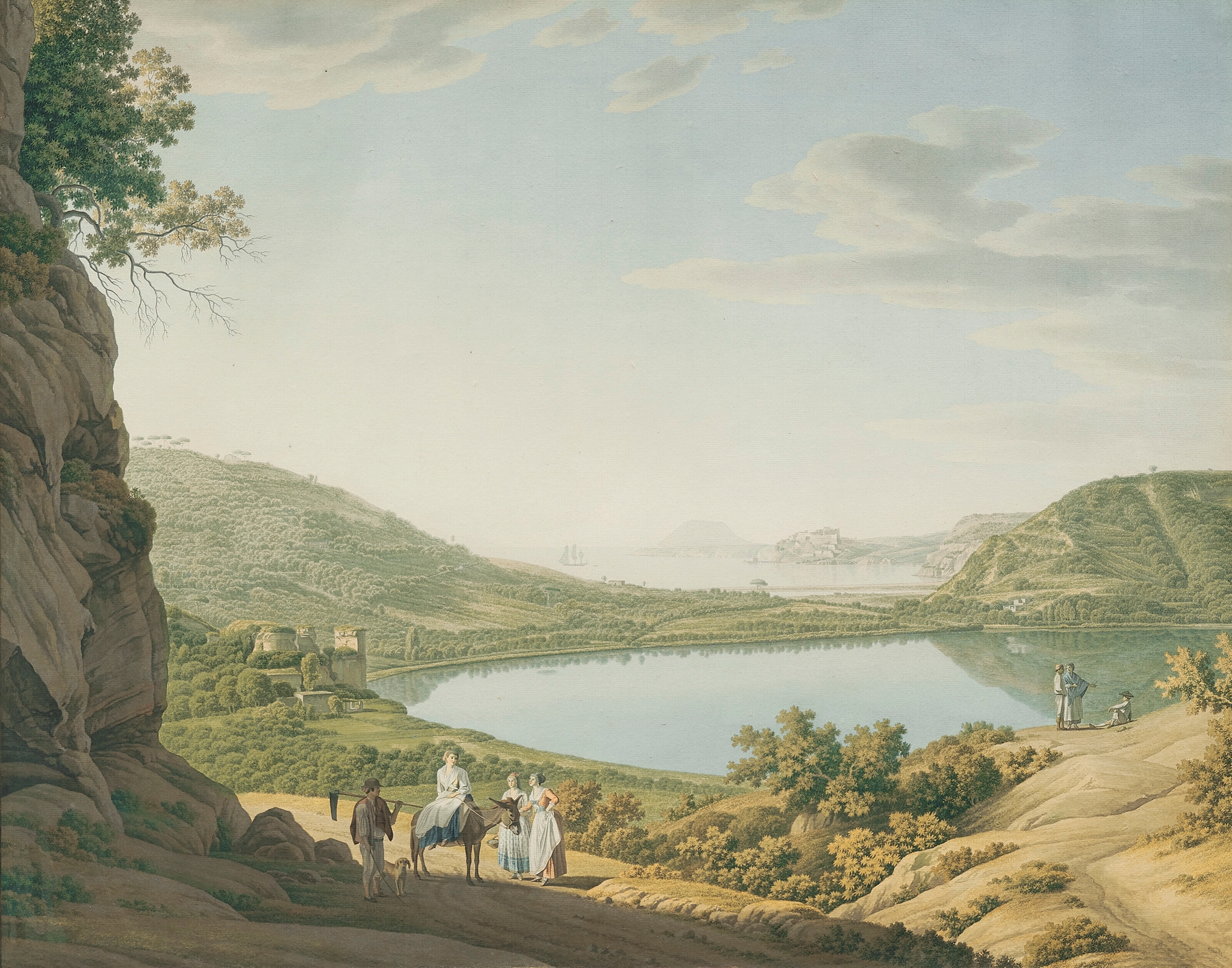
“Between color and silence, truth hides.” In The Bay of Naples with Mounts Vesuvius and Somma, the tranquil beauty of a serene landscape belies the violent potential simmering beneath its surface. This duality invites us to explore the tension between the picturesque and the perilous, reminding us that beauty often conceals darker realities. Look to the foreground, where the shimmering waters of the bay blend seamlessly with the warm hues of the setting sun. The gentle waves reflect a palette of soft blues and golds, while the verdant slopes leading up to the imposing mountains draw the eye upward.
Notice how the artist masterfully contrasts the calm of the sea with the rugged, formidable peaks of Vesuvius and Somma, their forms looming ominously yet captivatingly in the background. The brushwork captures the lush foliage, inviting the viewer to feel the embrace of nature, all while hinting at the latent threats that the mountains represent. As your gaze wanders, the details reveal the complex interplay of serenity and danger. The vibrant flora flourishes in the foreground, yet shadows linger at the mountains’ bases, suggesting an unseen menace.
The juxtaposition of light and dark, tranquility and turmoil, evokes a sense of unease; a reminder that the beauty of this idyllic setting is fraught with the potential for catastrophe — the eruptions that have defined this landscape's history. Giovanni Battista Lusieri painted this work between 1782 and 1794 while living in Naples, a city flourishing through cultural exchange and artistic innovation. This period saw a growing fascination with the sublime in nature, alongside the ominous historical awareness of Vesuvius’ eruptions. Lusieri's brush captures both the allure and the peril of his environment, reflecting a moment in art where beauty was inextricably linked to the forces that could disrupt it.