A view of the ruins of the Baths of Caracalla — History & Analysis
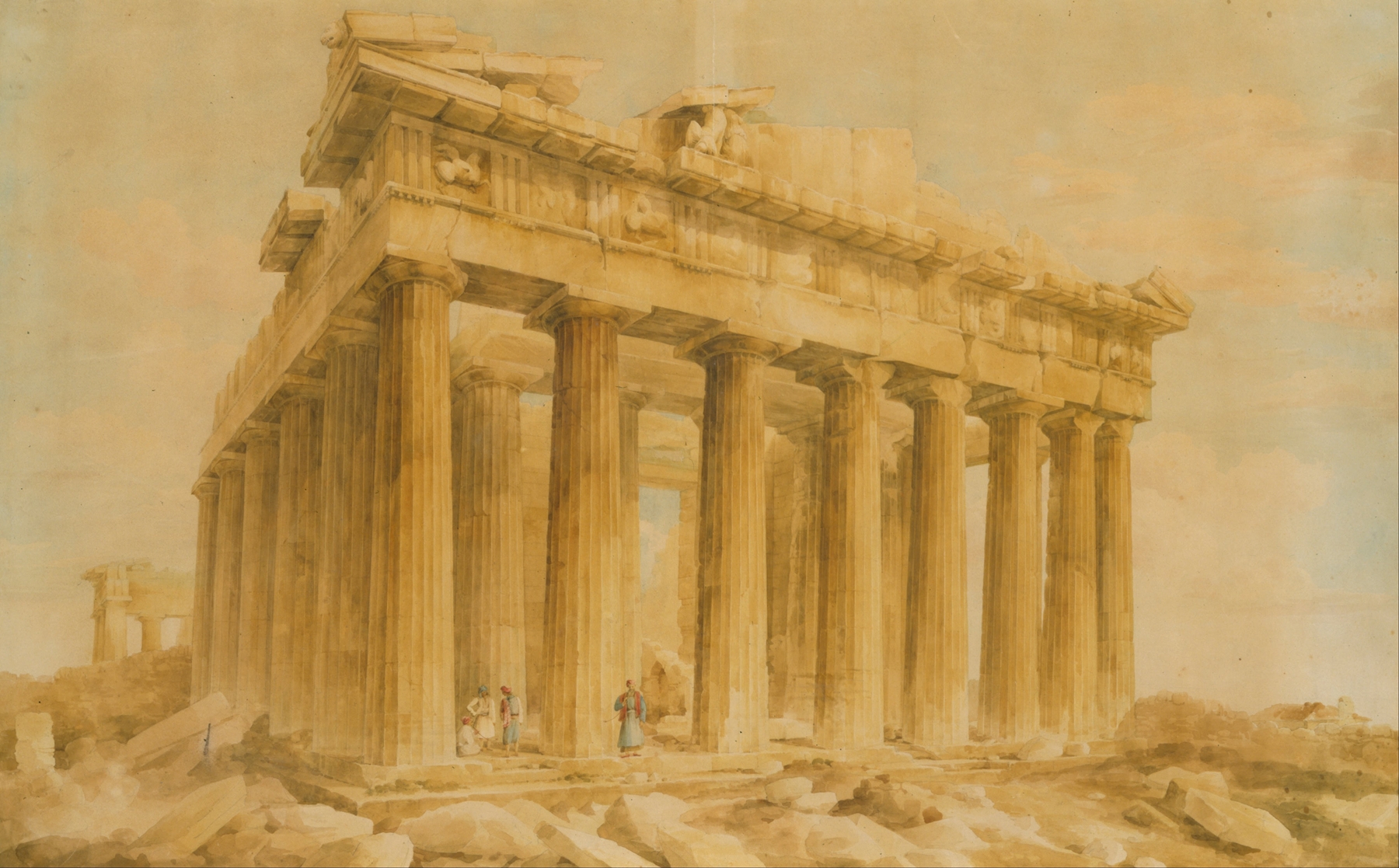
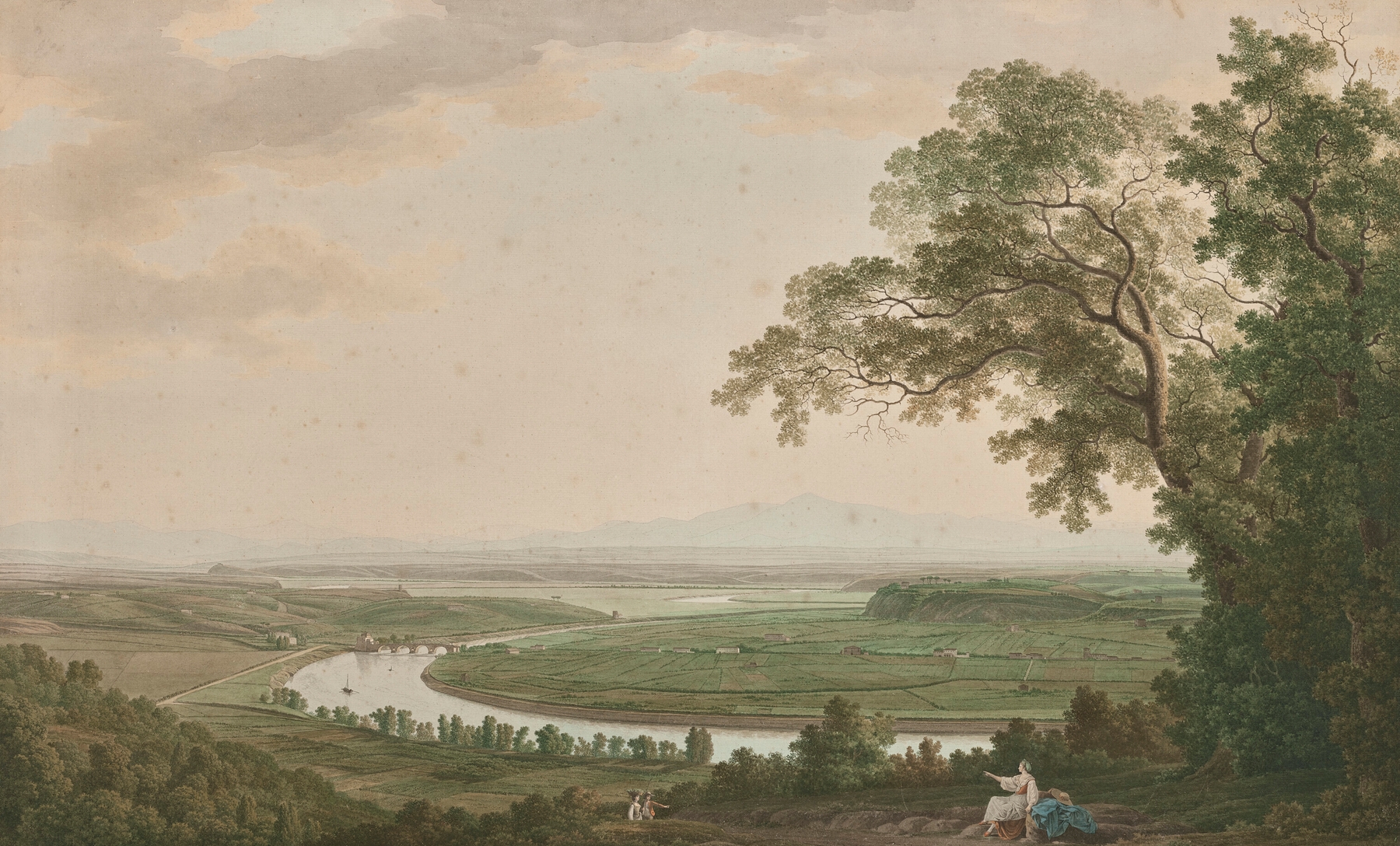
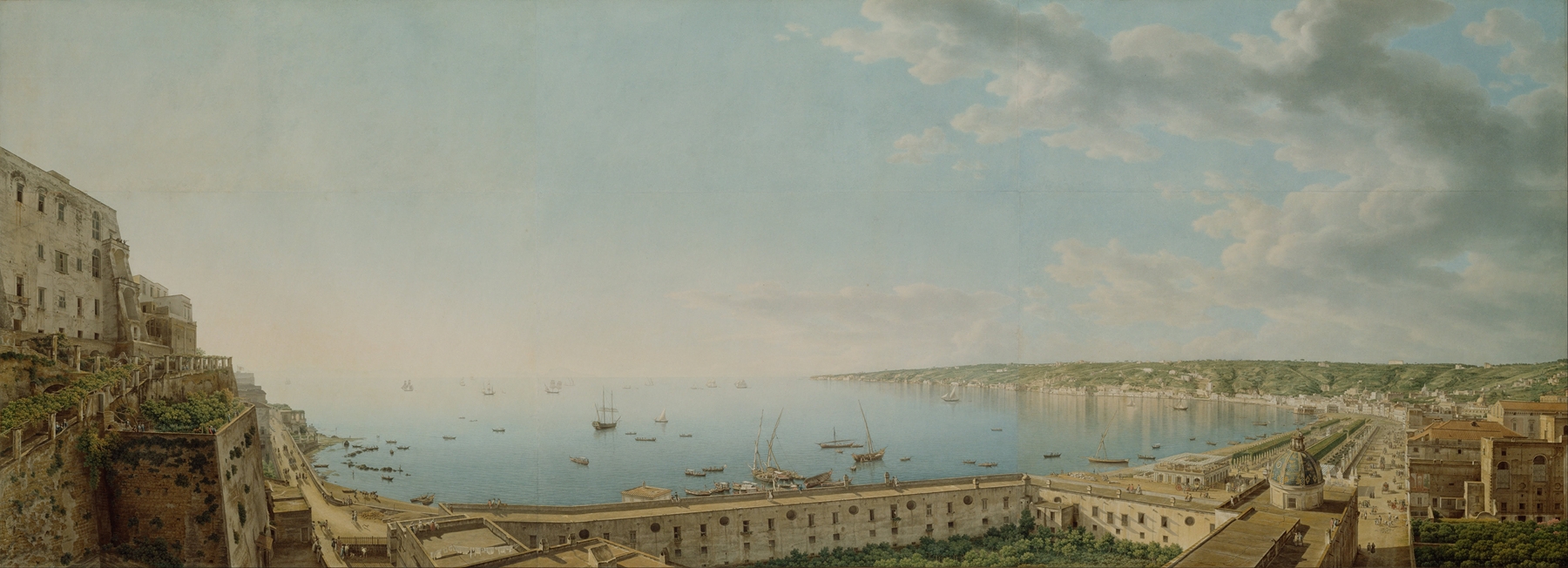
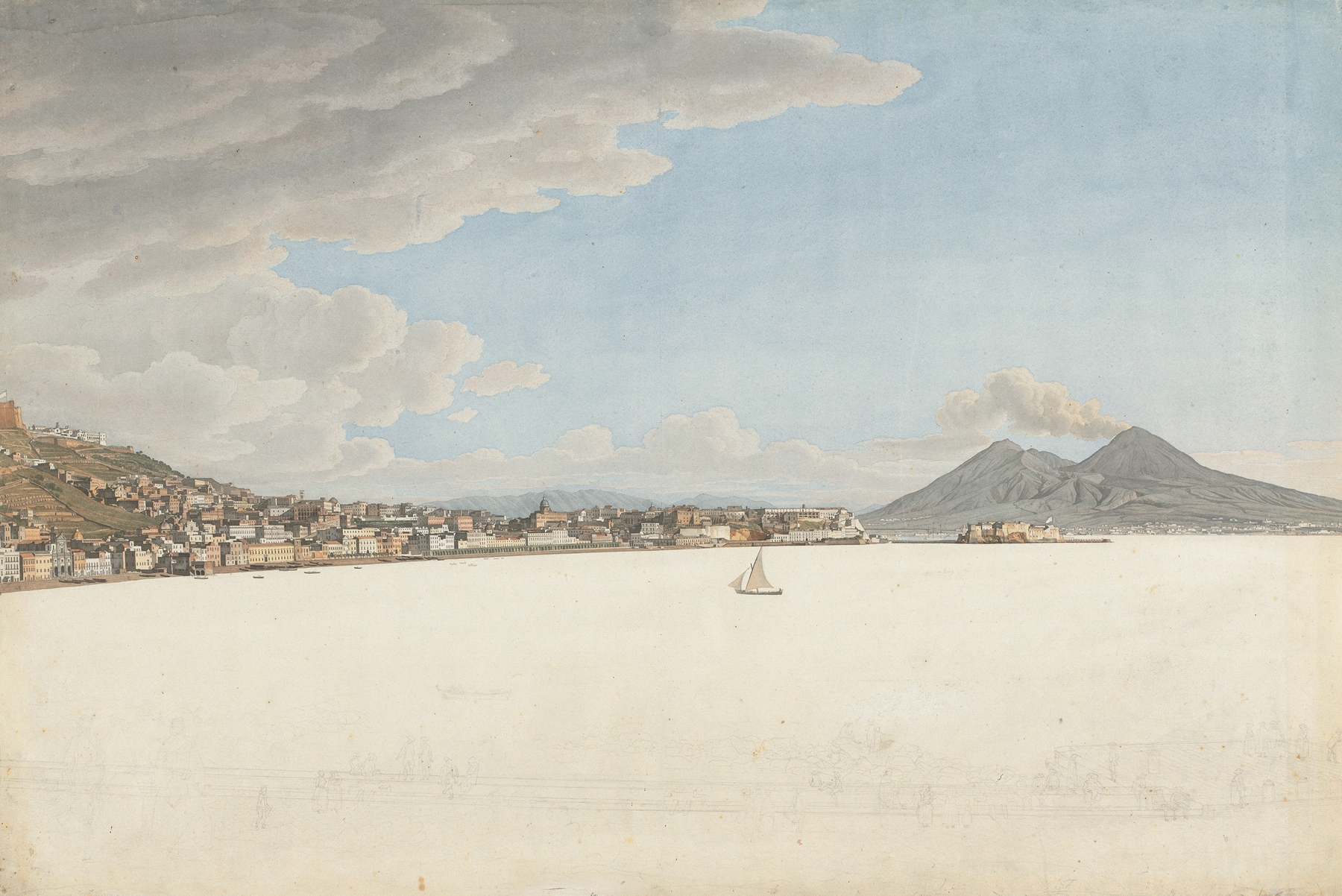
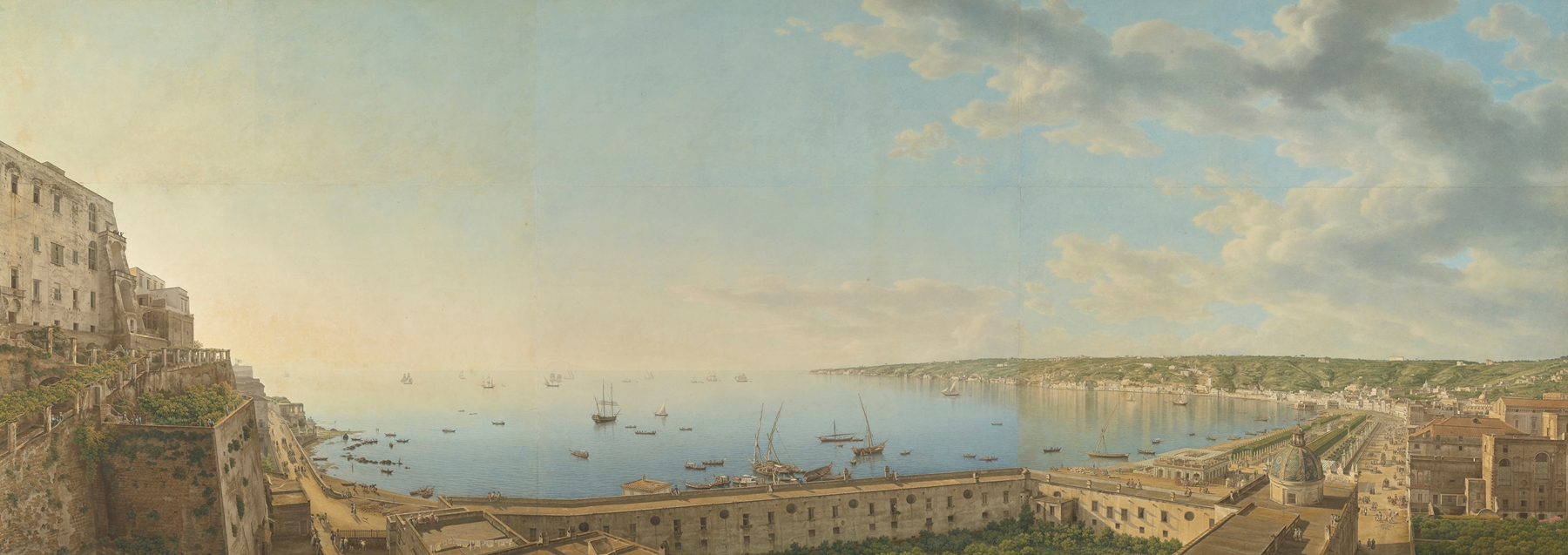
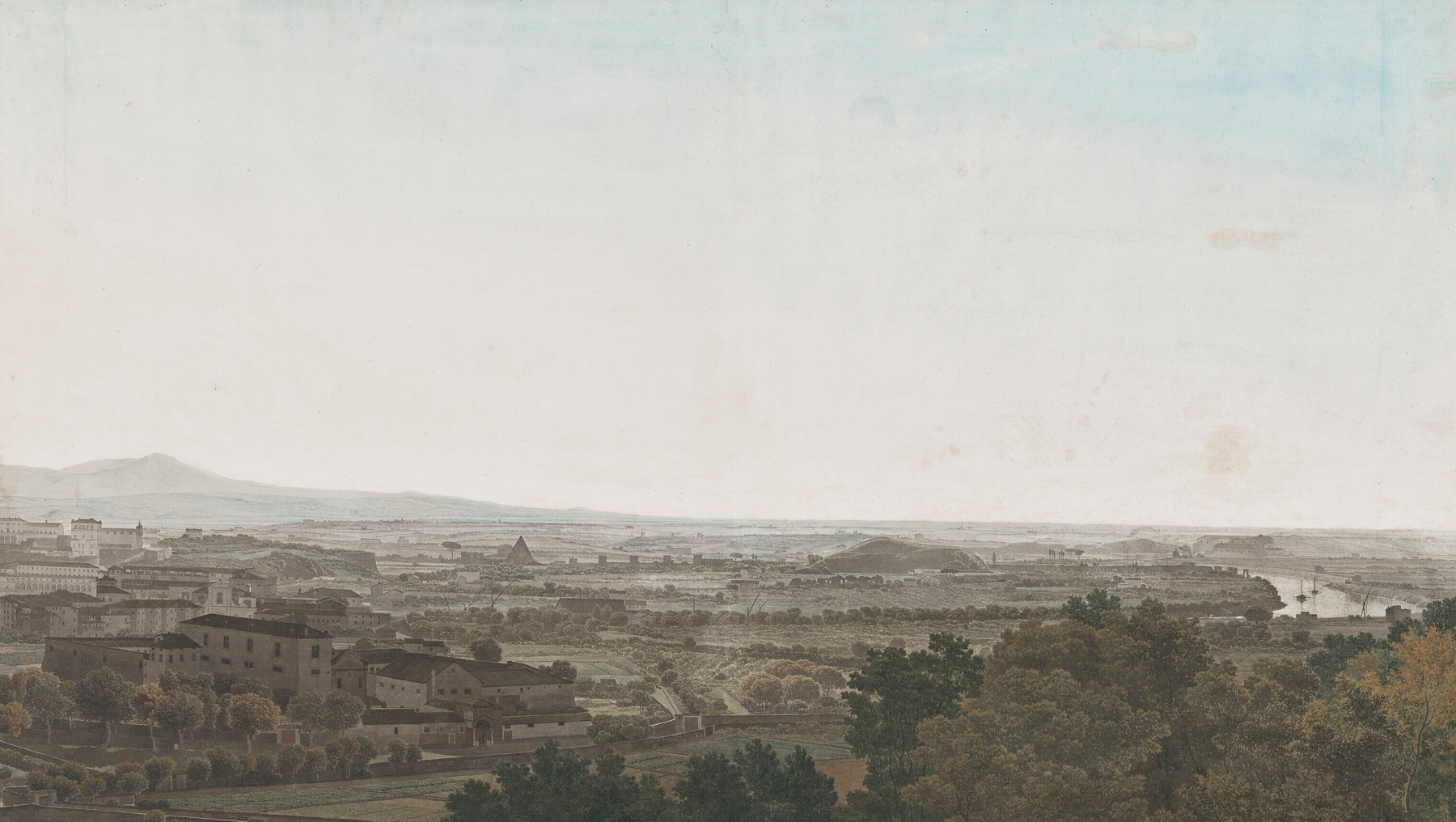
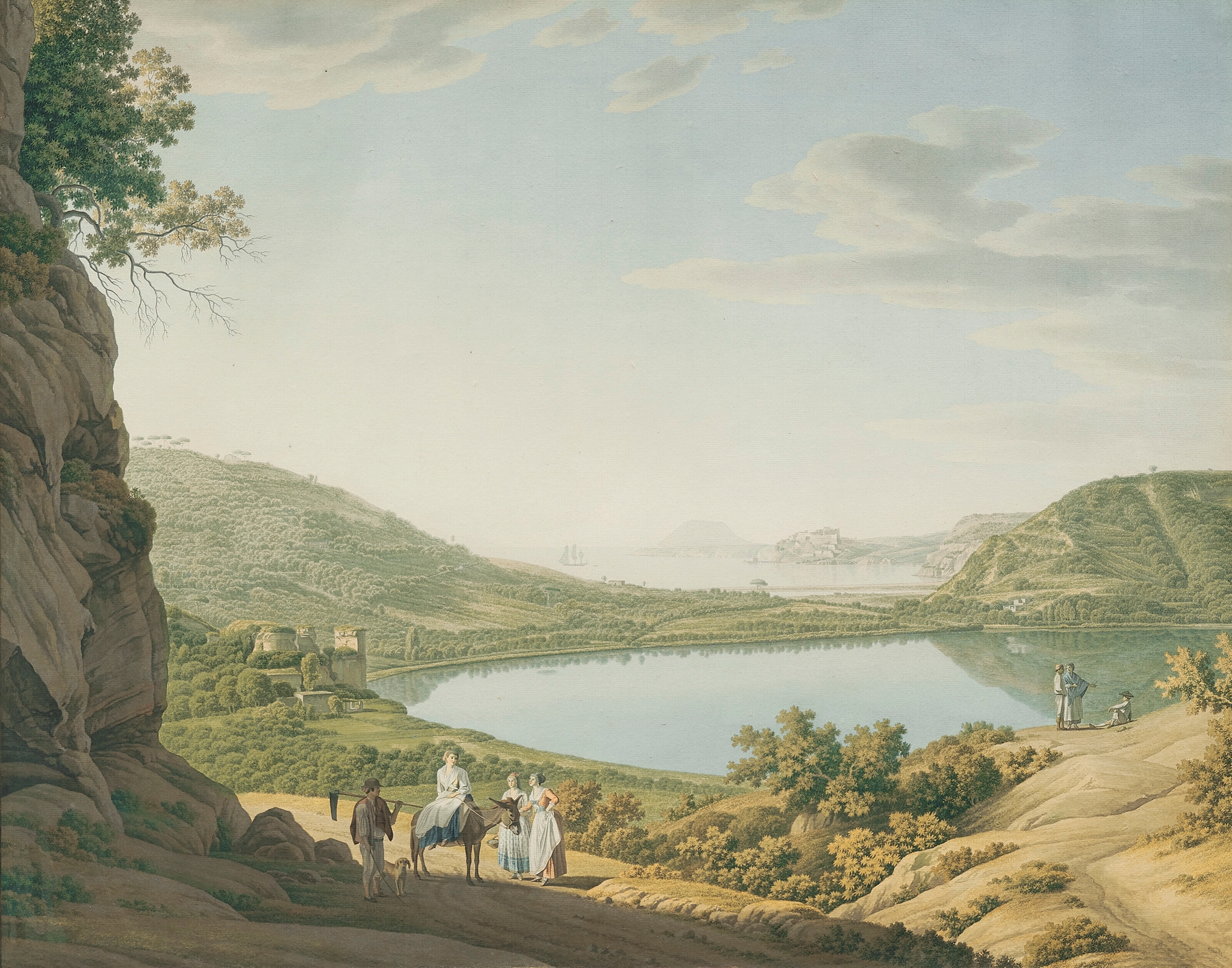
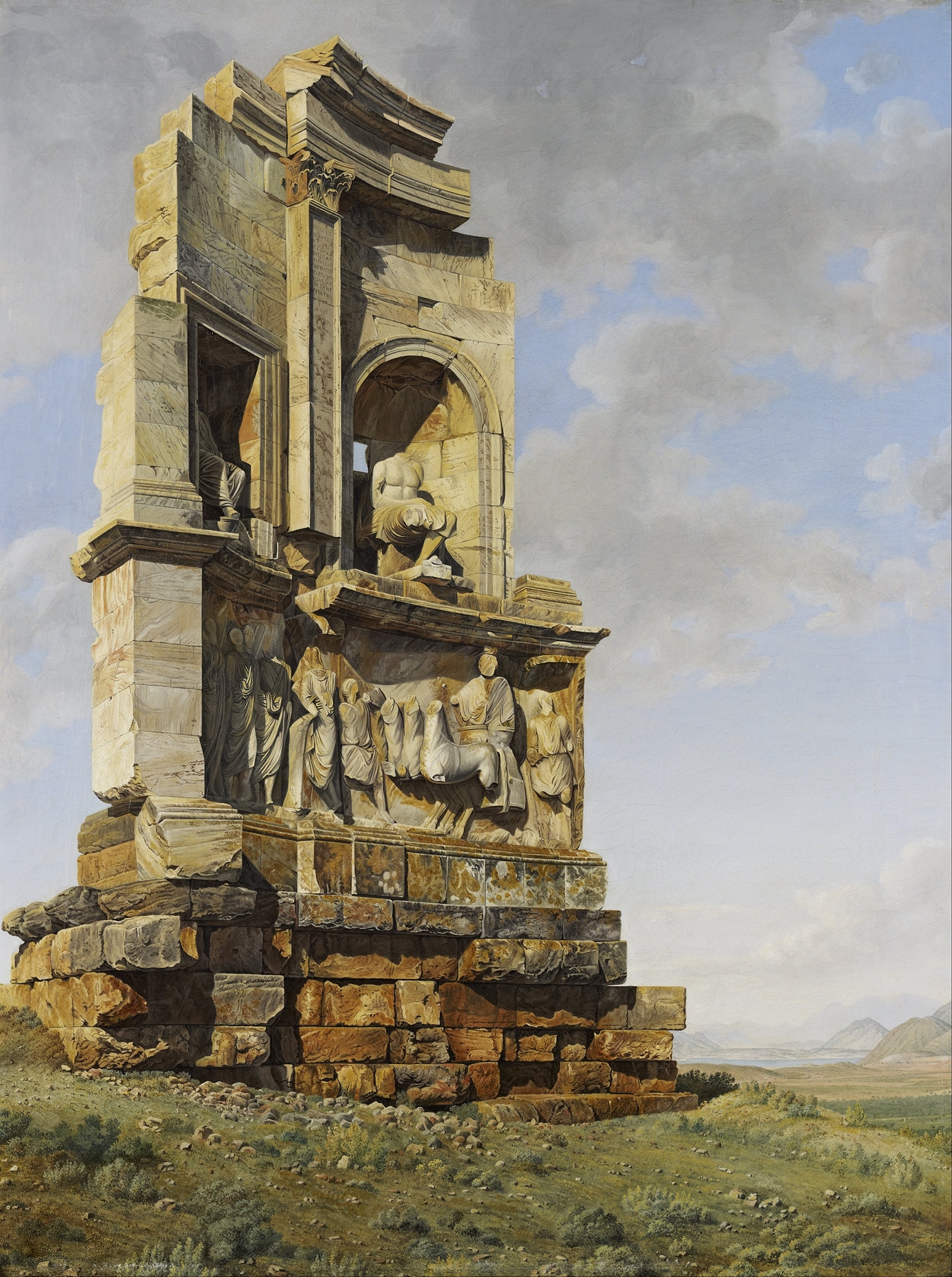
“Every brushstroke is a heartbeat remembered.” In the silence of ancient splendor, the viewer yearns for a past that feels alive yet distant. This feeling of longing permeates the canvas, evoking a sense of nostalgia for what once was, and inviting reflection on the passage of time. Look closely at the ruins occupying the center of the composition. The strong, crumbling arcs of the Baths of Caracalla stand resolute, framed by the soft, golden hues of a warm Italian landscape. Notice how the interplay of light and shadow accentuates the textures of the stone, inviting your gaze to wander along the contours of each weathered surface.
The artist’s meticulous attention to detail and use of a muted palette enhances the sense of decay, fostering an emotional resonance that speaks to the fragility of human achievement. Amidst the grandeur of ancient architecture, there lurks a poignant contrast between the monumental and the ephemeral. The serene sky, painted in gentle pastels, looms over the ruins, suggesting a quiet acceptance of time's relentless march. Hidden within this landscape are hints of life — a lone figure, perhaps a tourist or a philosopher, contemplating the remnants of a glorious past that once thrived. This solitary presence amplifies the sense of yearning, underscoring humanity's perpetual quest for connection to history.
Giovanni Battista Lusieri created this work during the late 18th century, a time when neoclassicism was flourishing in Europe. He traveled extensively, drawing inspiration from the ancient ruins of Rome. This moment in his life was marked by a deep engagement with the classical world, capturing the beauty of its remnants while grappling with the inevitable decay. His artworks serve as a bridge between past and present, reflecting both personal and collective nostalgia.