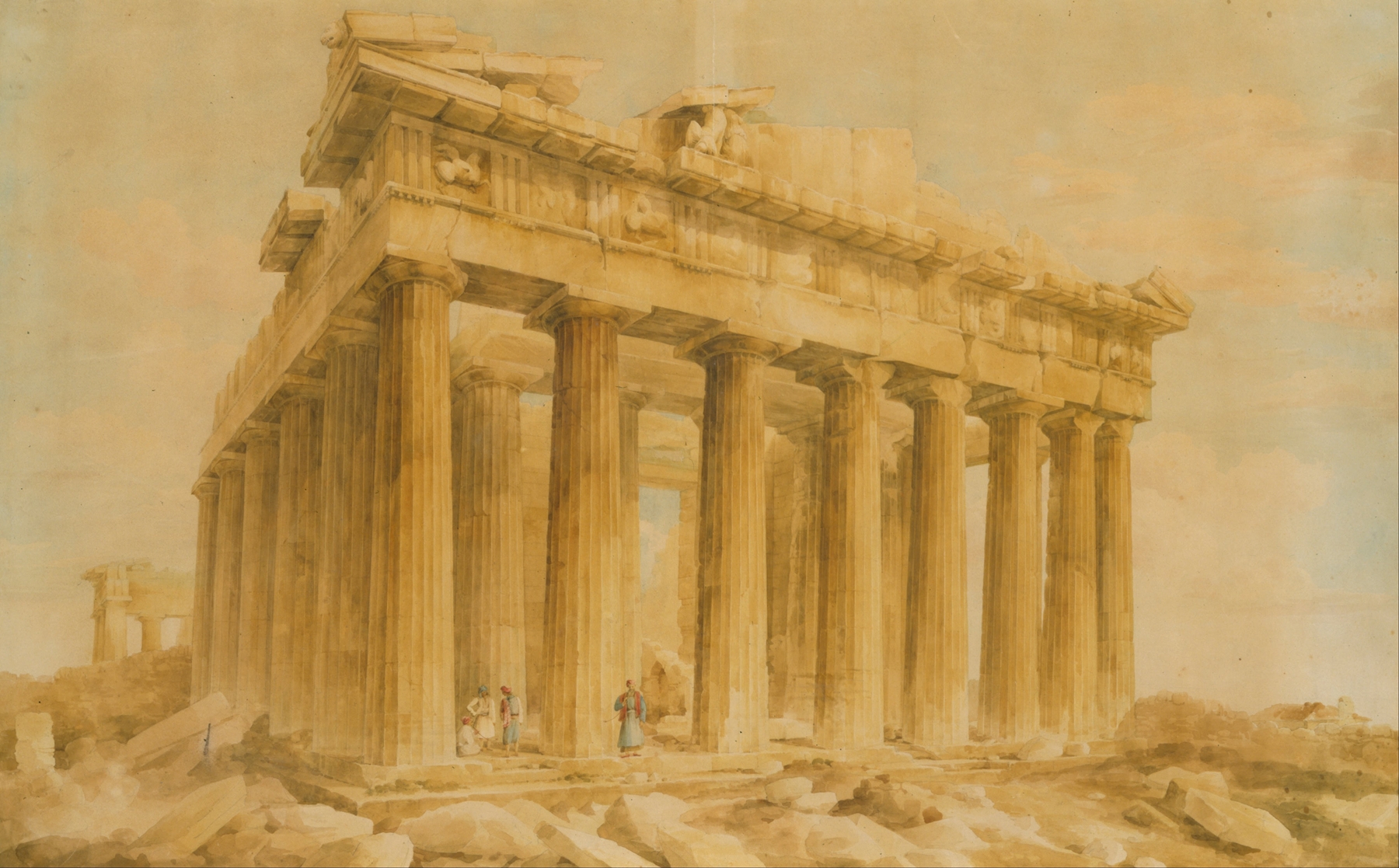
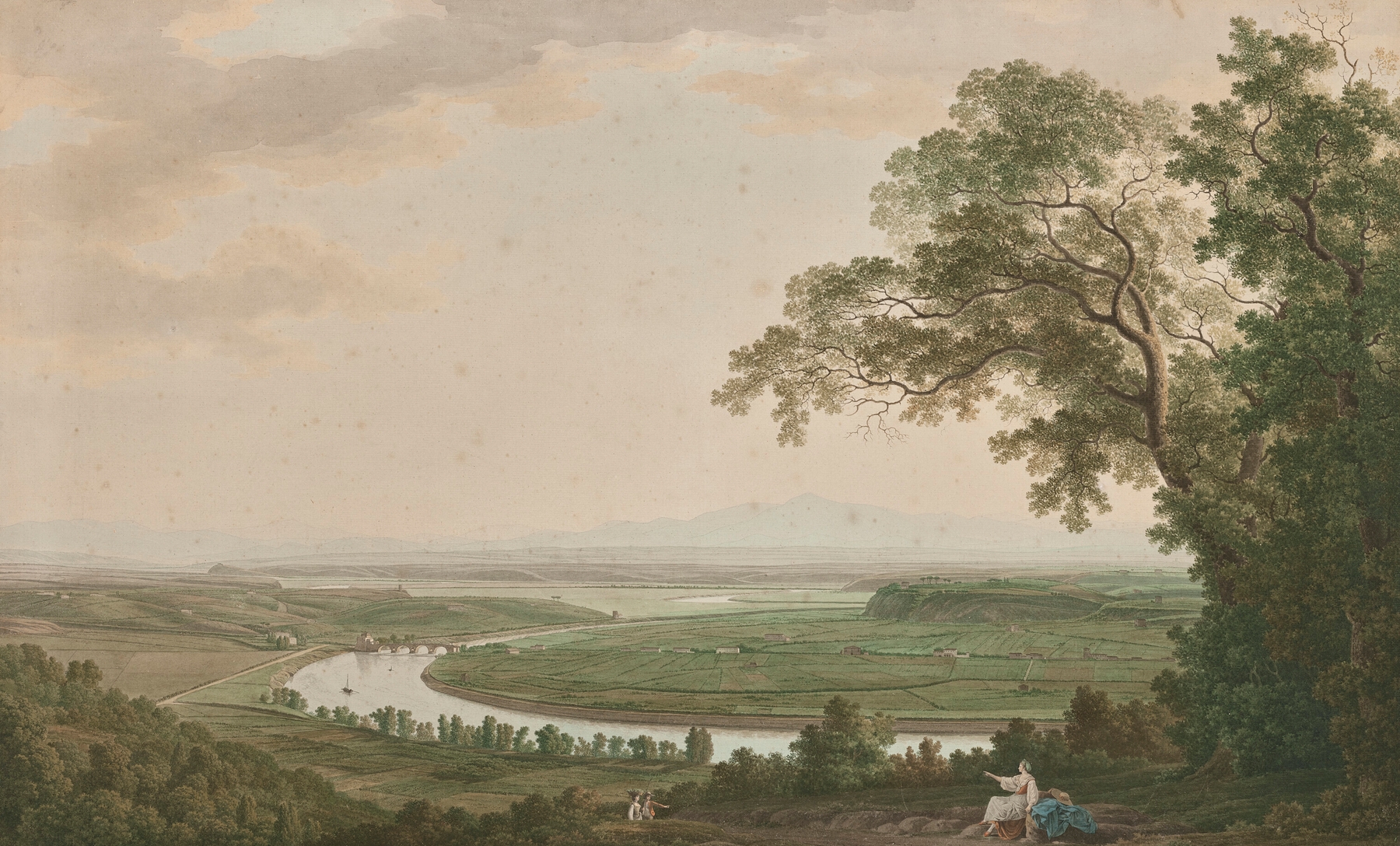
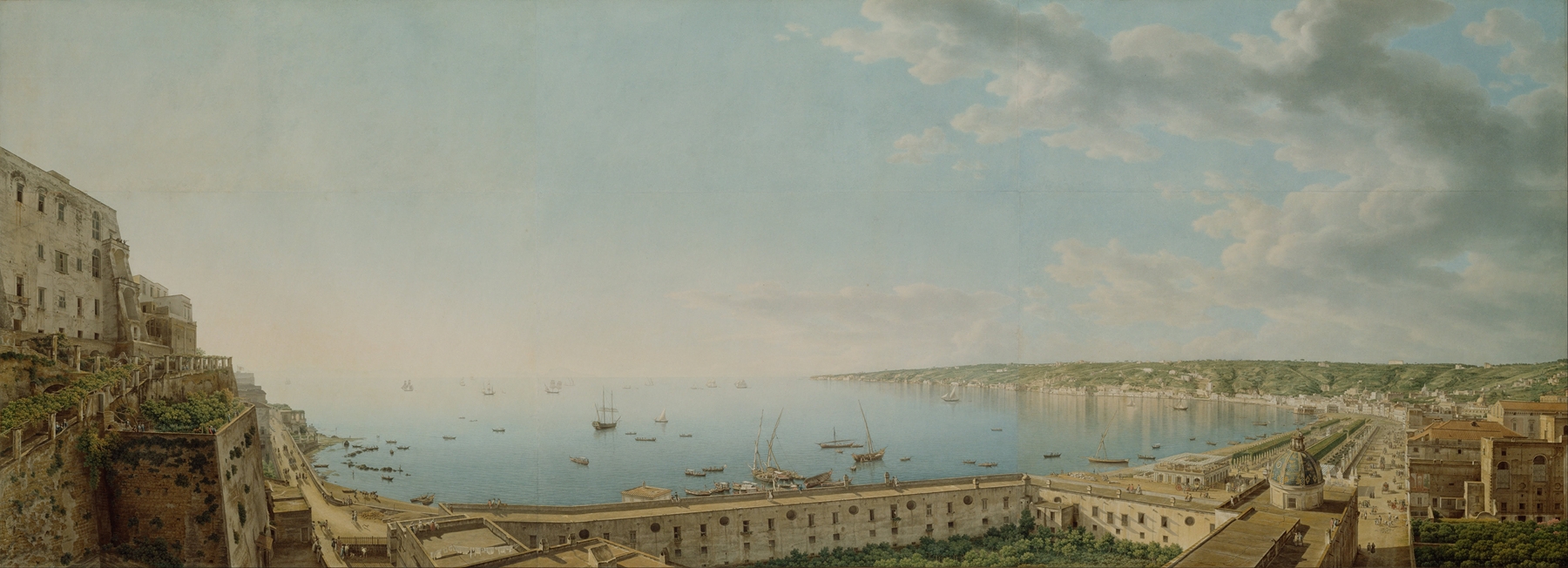
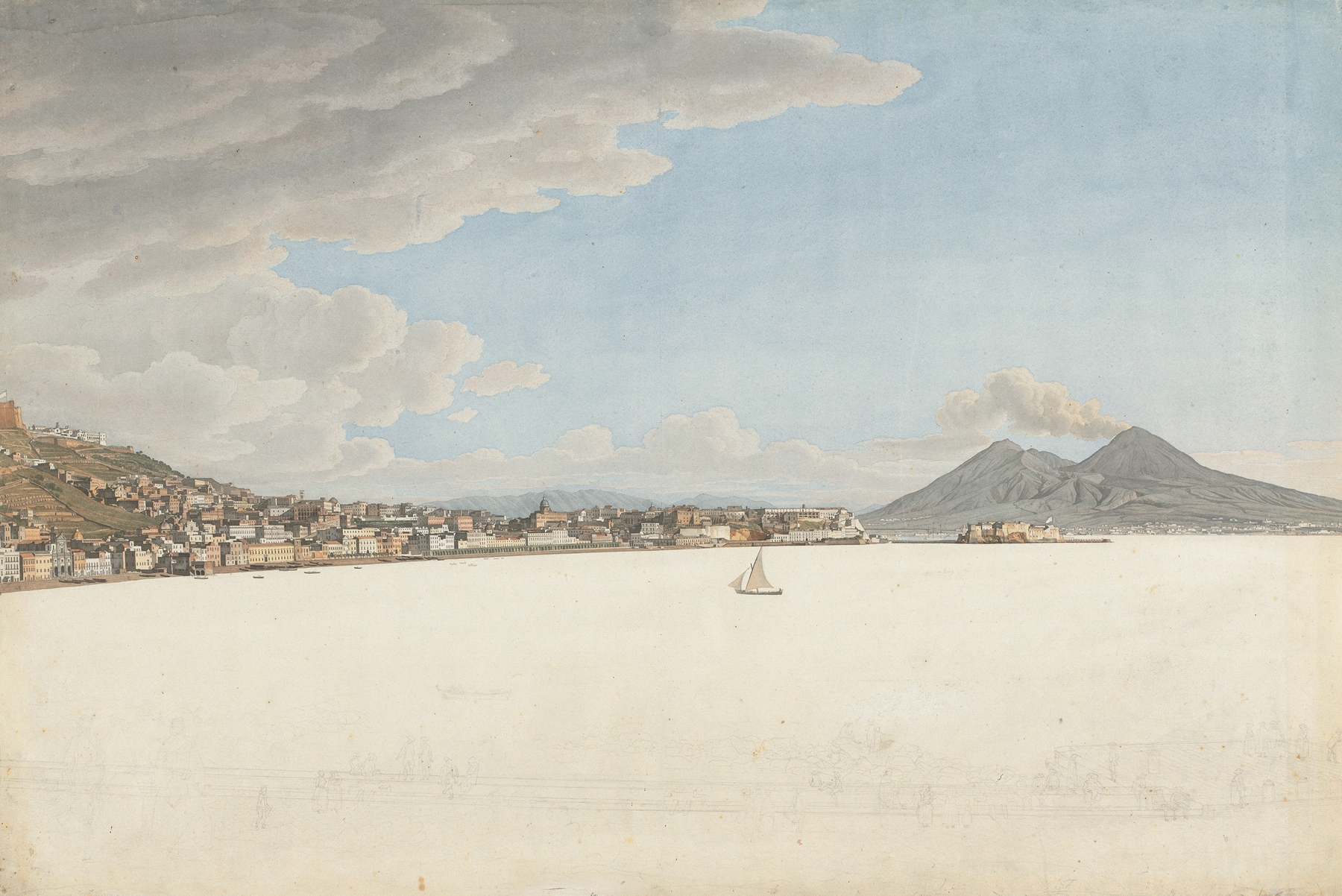
A panoramic view of Rome from the Aventine Hill towards the South — History & Analysis
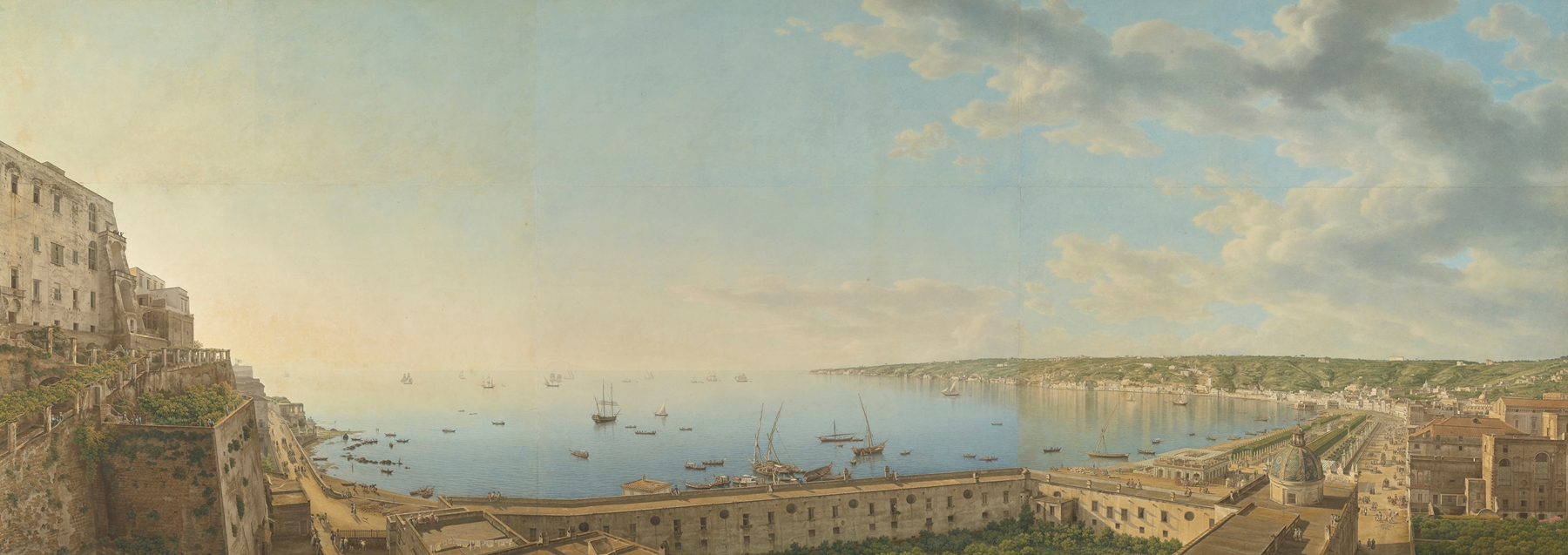
Can paint confess what words never could? In the vast expanse captured here, an unspoken emptiness lingers, echoing the silence of ancient stones and sun-drenched skies. A panorama of Rome unfurls before us, inviting contemplation of a city steeped in history yet hauntingly vacant of the vibrancy that once thrummed through its streets. Look to the left, where the soft curves of the hills cradle the city, each brushstroke breathing life into the undulating landscape. The muted palette reflects a gentle twilight, enhancing the ethereal quality of the scene.
Notice how the light breaks upon the distant structures, illuminating their façades while casting the foreground into a serene shadow, creating a delicate balance between presence and absence. The meticulous attention to detail in the architecture transports the viewer to a world both familiar and distant. The interplay of light and shadow serves as a metaphor for memory itself—bright moments of glory juxtaposed with the somber weight of time’s passage. The empty spaces in the foreground suggest a longing for the past, hinting at an emotional resonance that speaks to the viewer’s own experiences of loss and nostalgia.
This landscape is not merely a view; it is a silent witness to the stories that have unfolded and the echoes of laughter now faded in the alleyways. Created in the early 19th century, this work emerged during a time when Lusieri was deeply influenced by the Romantic movement, which sought to reconnect with nature and the sublime. Residing in Rome after years of travel, the artist engaged with a city rich in antiquity while grappling with the shifting tides of modernity and its impact on artistic expression. His meticulous rendering of the landscape reflects not only his skill but also a profound engagement with the emotive essence of place.