The Monument to Philopappos, Athens — History & Analysis
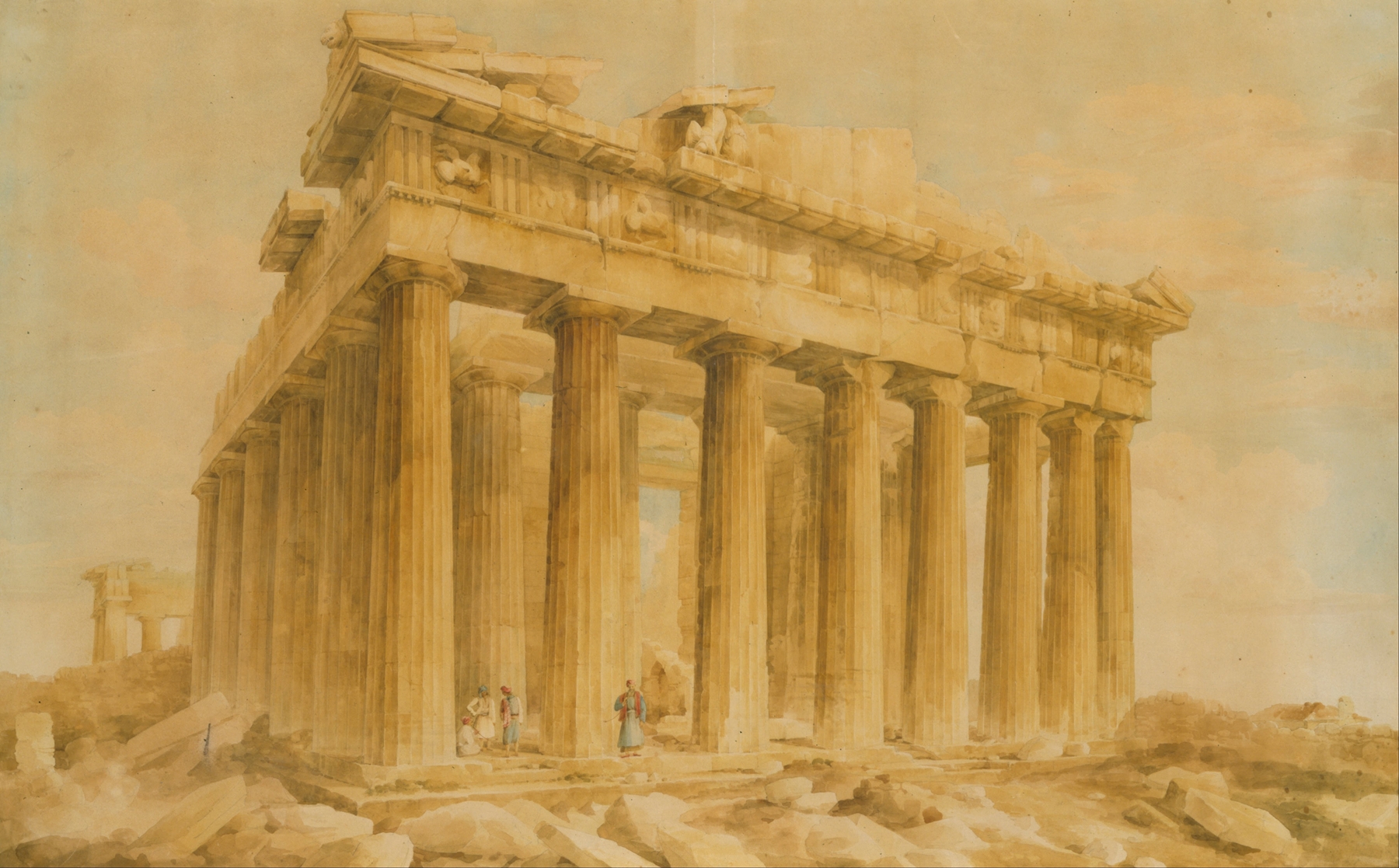
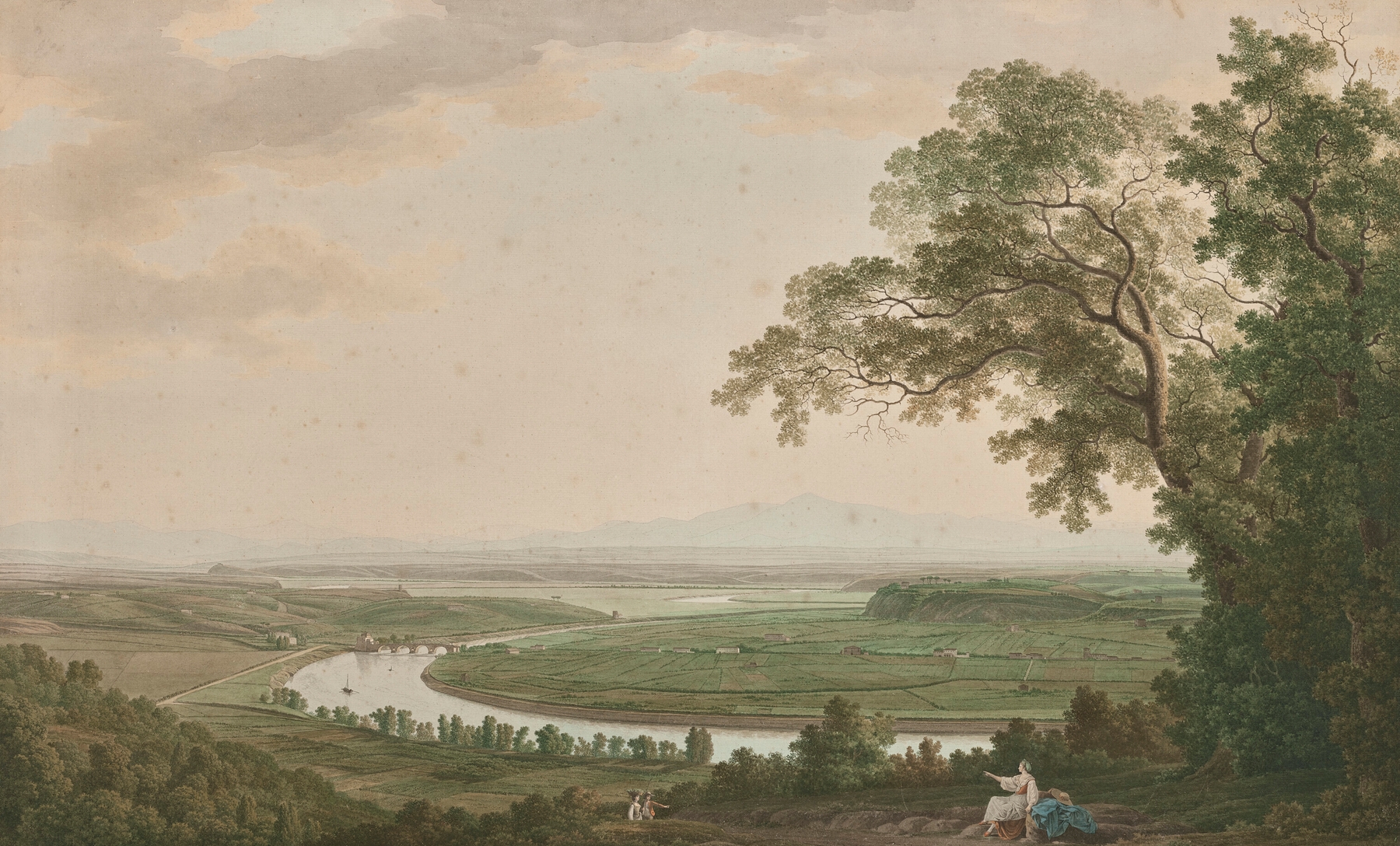
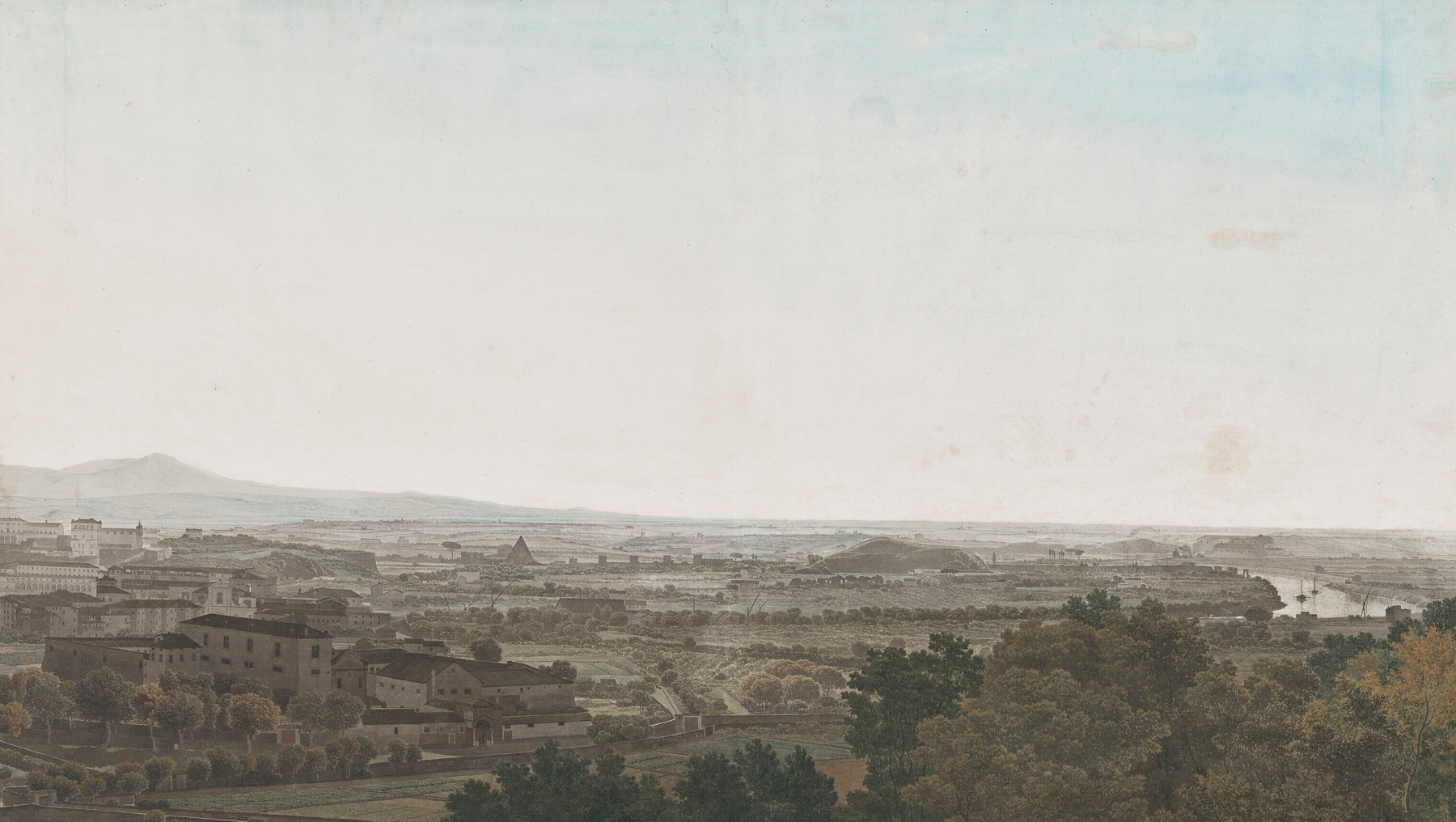
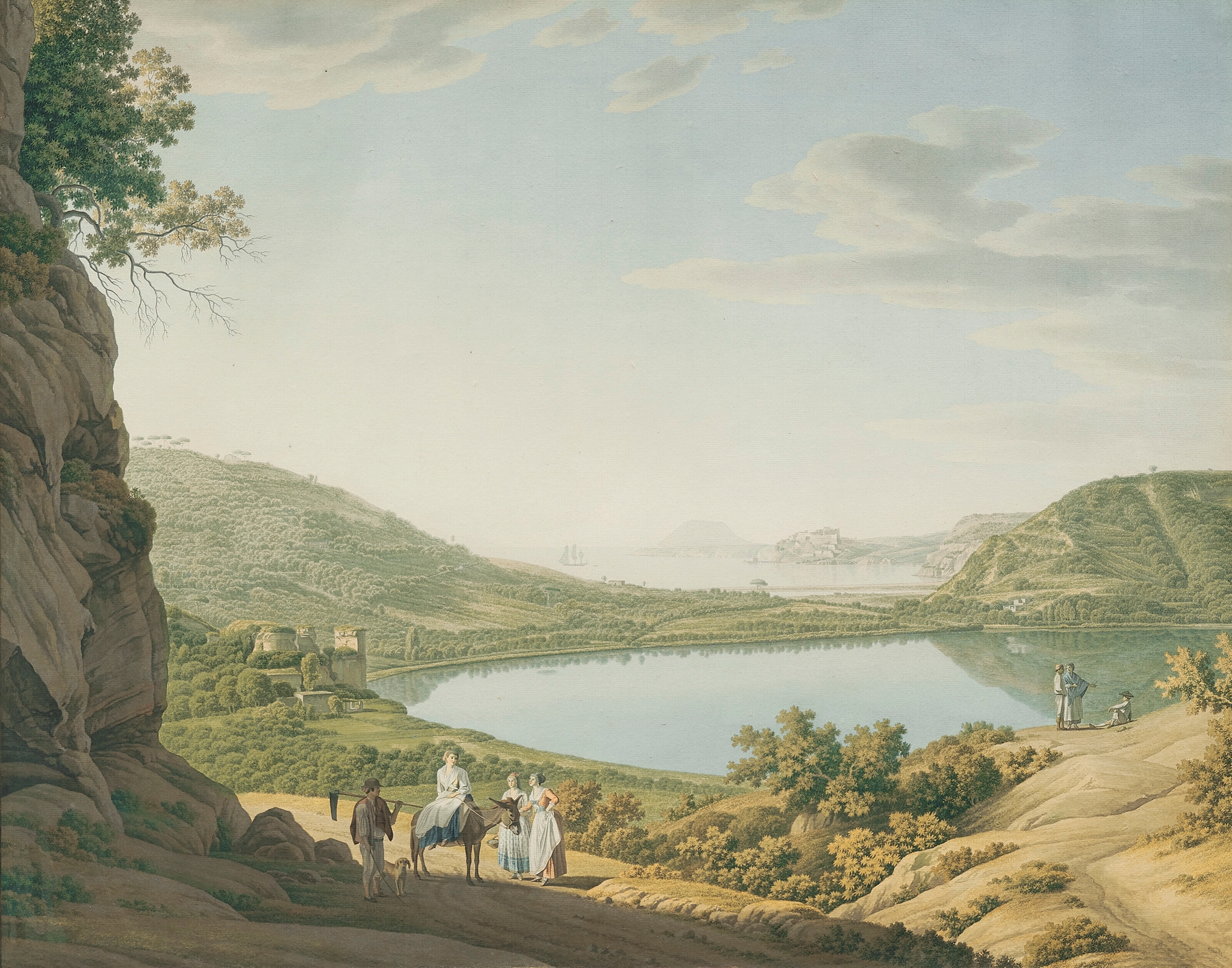
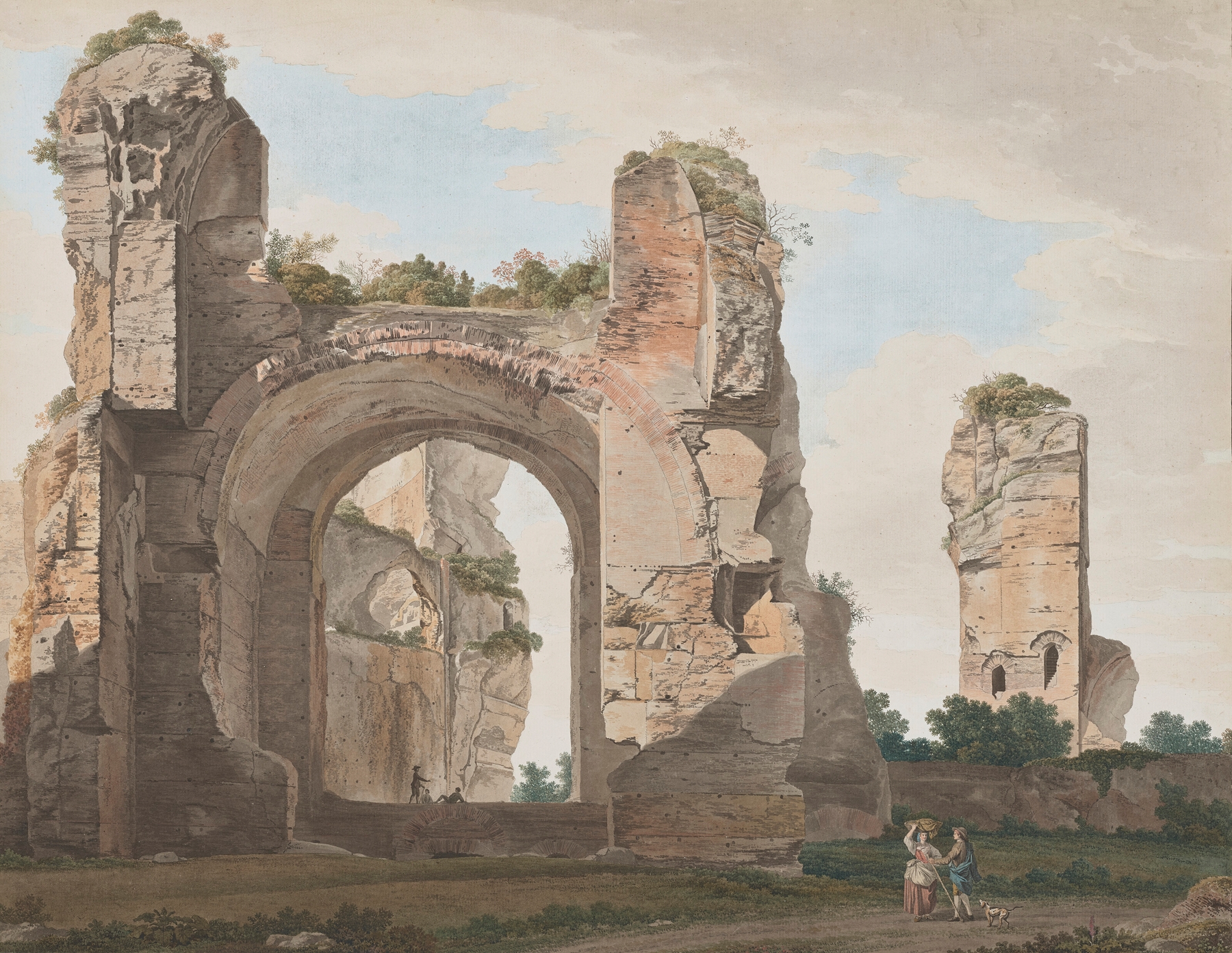
When did color learn to lie? The vibrant hues of the landscape seem to whisper secrets of time, yet beneath their gloss lies the decay of history. Look to the foreground, where the crumbled remains of a once-majestic monument stand resolute against the encroaching vegetation. The artist's brush captures the interplay of light sculpted by clouds, casting soft shadows that mingle with the vibrant greens and ochres of the landscape. Notice how the gentle curves of the terrain guide the eye towards the lofty edifice, now half-buried, where the remnants of civilization assert their presence amid nature's reclamation.
The textured strokes evoke a sense of both beauty and fragility, merging the past and present in a haunting embrace. In this artwork, decay becomes a poignant metaphor. The vibrant colors juxtaposed with the crumbling stone speak to the bittersweet passage of time—how grandeur fades yet beauty persists in the decay. The overarching tranquility belies the tension of impermanence, inviting viewers to contemplate the weight of history.
Each brushstroke reveals a struggle between human achievement and nature's relentless march, suggesting that time is both an artist and a destroyer, crafting exquisite scenes from the ruins of what once was. Giovanni Battista Lusieri created this piece during a time when he was deeply engaged with the Romantic landscape tradition, likely in the late 18th to early 19th centuries. Working in Italy and later relocating to England, Lusieri found inspiration in the ruins of classical antiquity, an obsession shared by many artists of his era. The world was witnessing a shift towards the appreciation of nature and history, fueling an artistic exploration that underscored the beauty found in decay, a theme that resonates powerfully in this work.