A View Of The Roman Forum With The Arch Of Constantine — History & Analysis
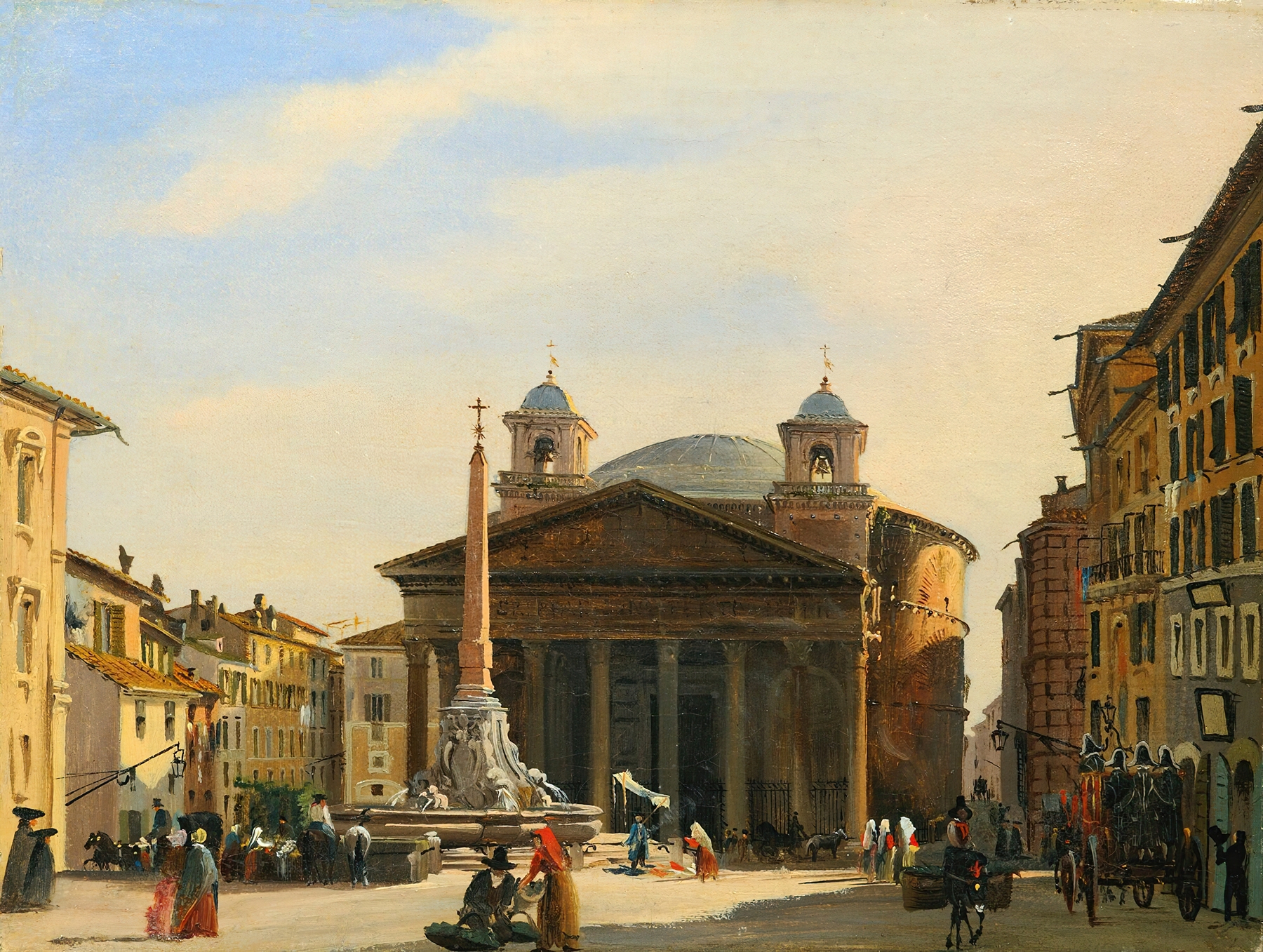
“Art reveals the soul when the world turns away.” In the hands of an artist, reality can transform into a captivating illusion, inviting us to explore what lies beyond the visible. Look closely at the archway at the center, where the Arch of Constantine stands proud against a palette of warm ochres and cerulean blues. The meticulously rendered details, from the weathered stones to the scattered figures below, draw your gaze, creating a sense of depth and perspective that tugs at the viewer's imagination. Notice how light dances across the surface, illuminating the structure while casting soft shadows that enhance the three-dimensionality of the scene, revealing a world teeming with life and history.
Yet there’s more beneath the surface. The juxtaposition of the grand arch, representative of imperial power, against the far-off ruins suggests the inevitable passage of time, a reminder that glory fades into memory. The figures scattered throughout the scene—some engaged in conversation, others lost in thought—embody the transient nature of existence, each lost in their own reality amid the permanence of stone. This interplay between the monumental and the ephemeral creates a haunting tension, urging us to reflect on what we leave behind.
Ippolito Caffi created this piece during a time of artistic exploration, likely in the mid-19th century while residing in Italy, where the Romantic movement was flourishing. The world was awakening to a renewed interest in classical antiquity, and Caffi, influenced by the tumultuous political climate and cultural revival, sought to bridge history and contemporary life through his work. His ability to capture both the grandeur of the past and the poignancy of the present speaks to the artist’s profound engagement with the world around him.