The Eclipse of the Sun in Venice, July 6, 1842 — History & Analysis
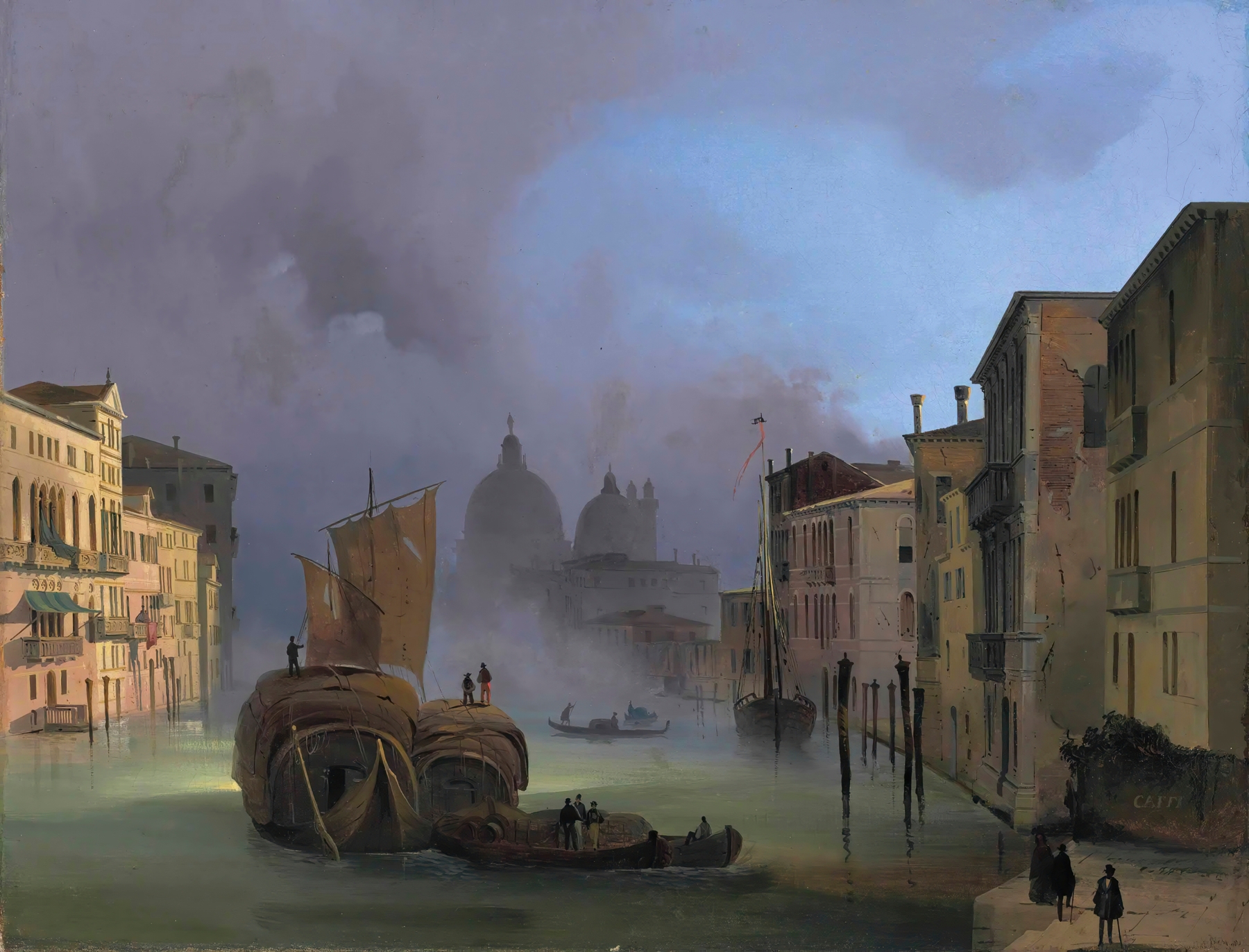
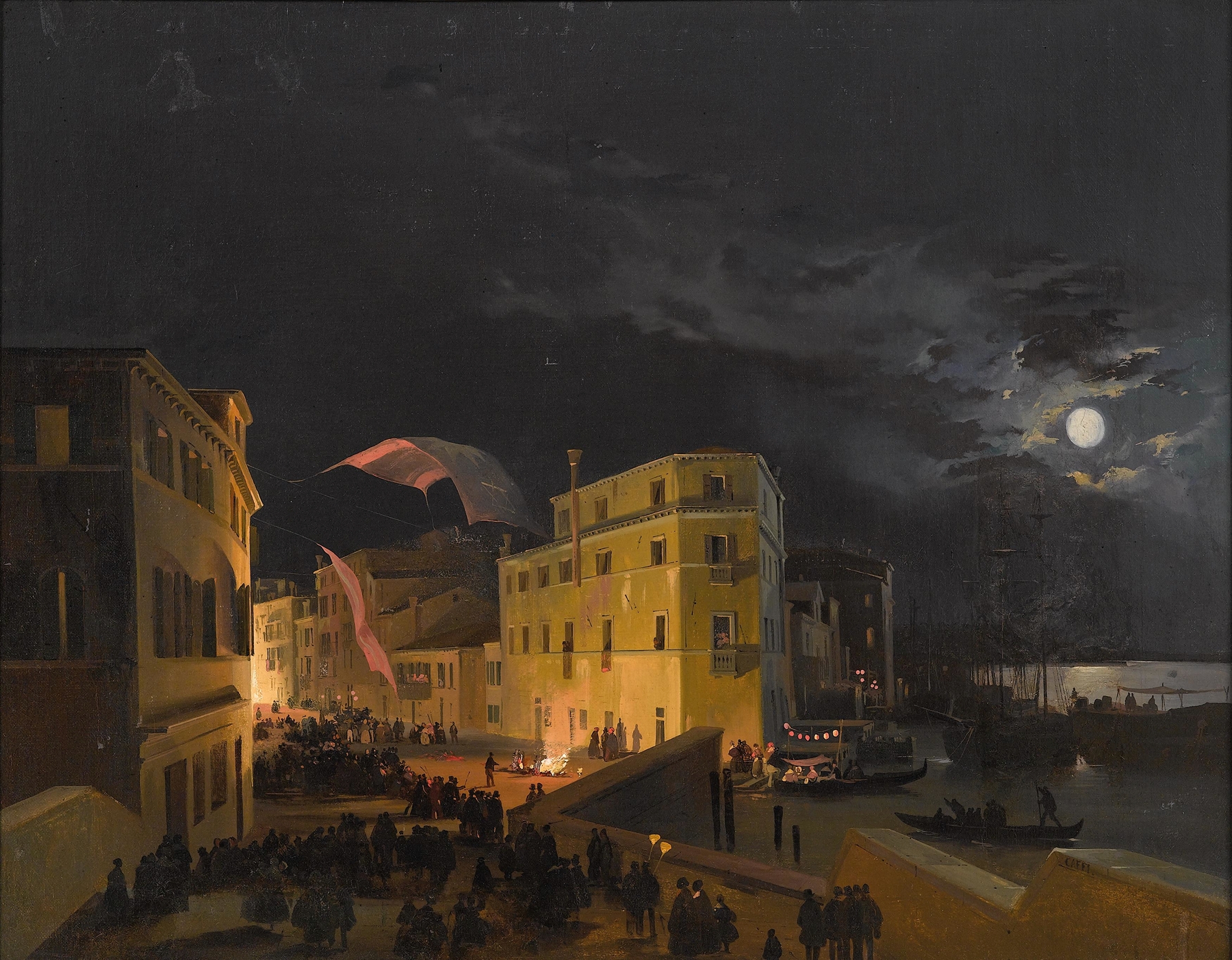
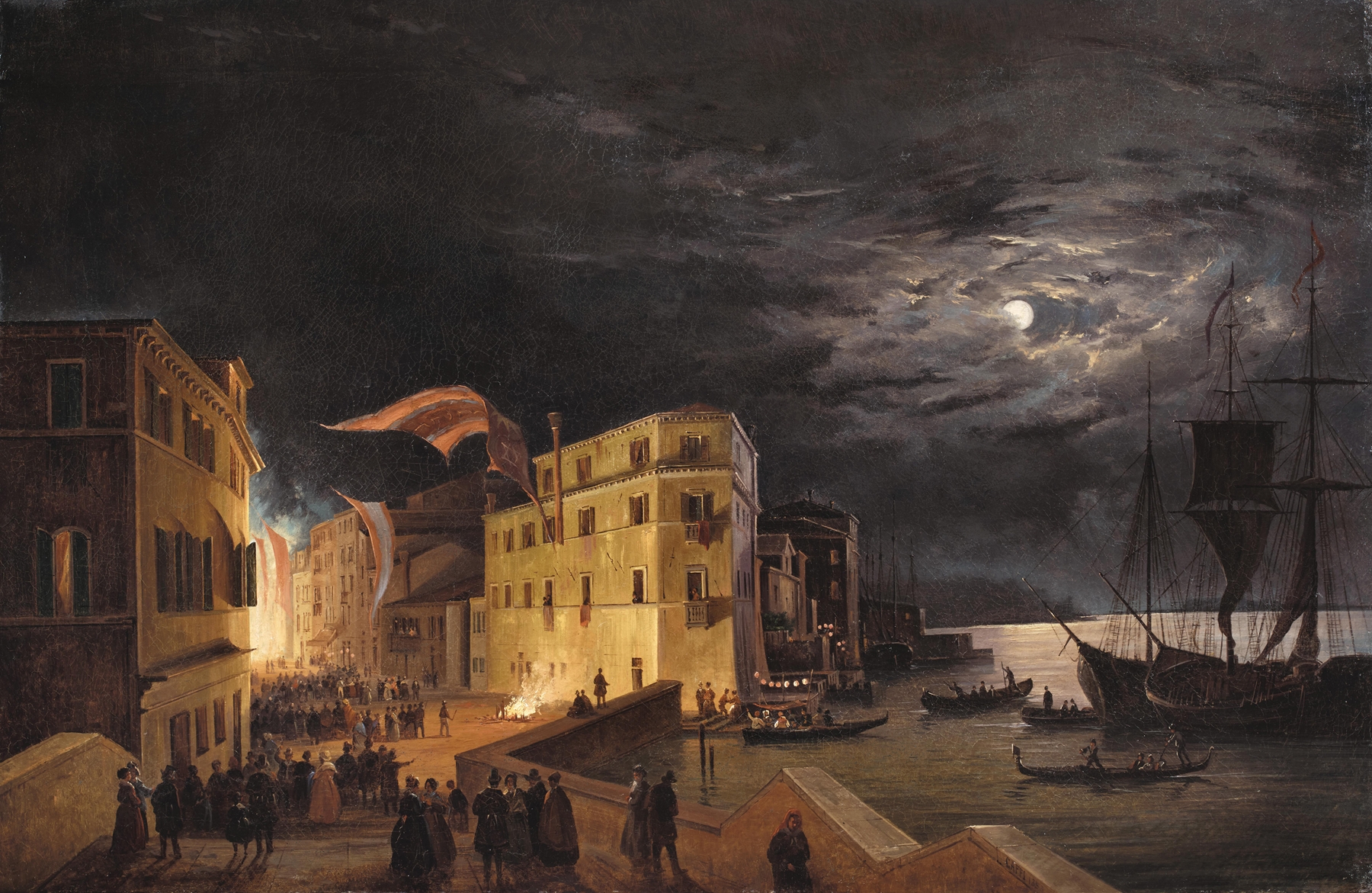
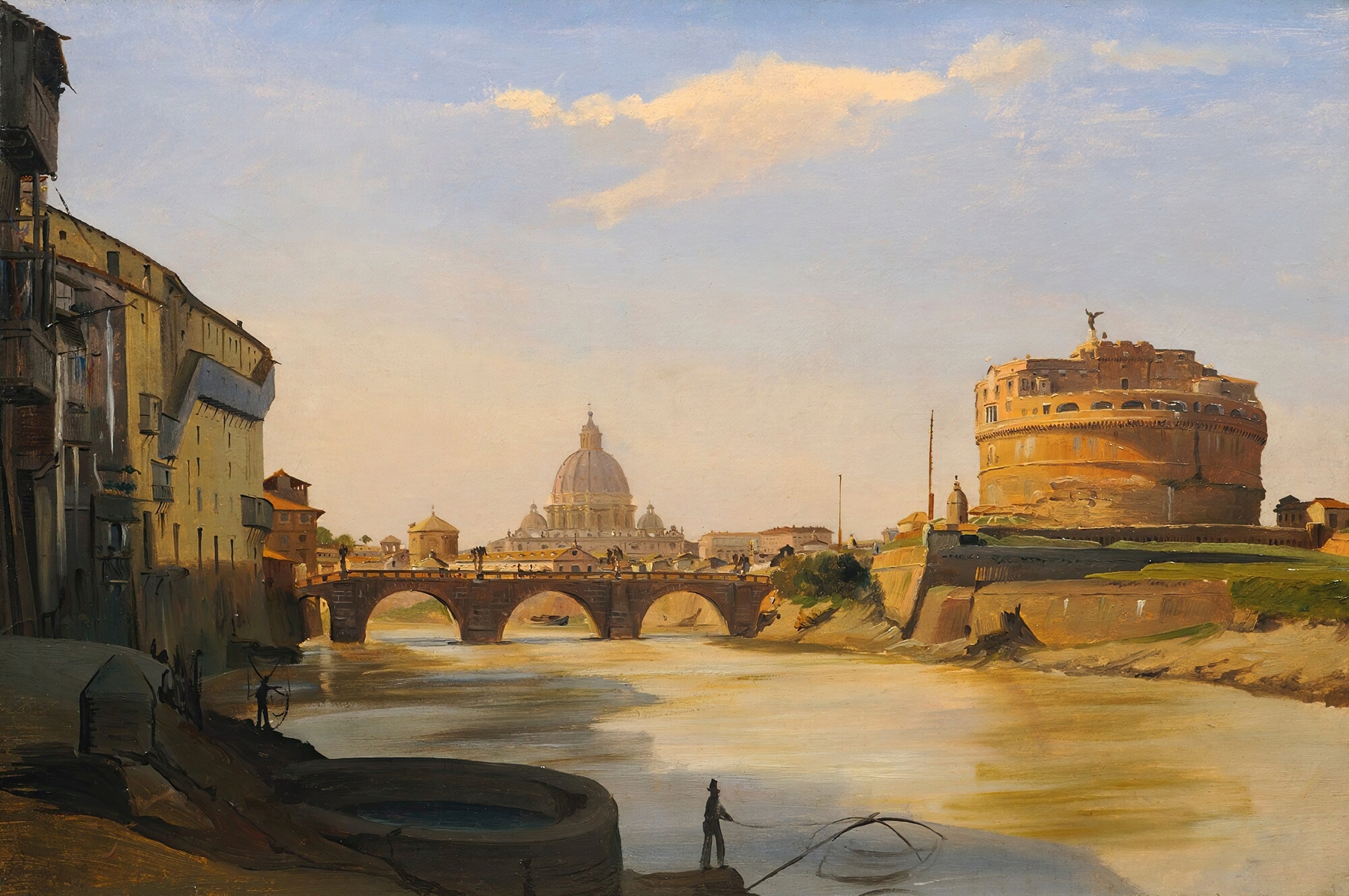
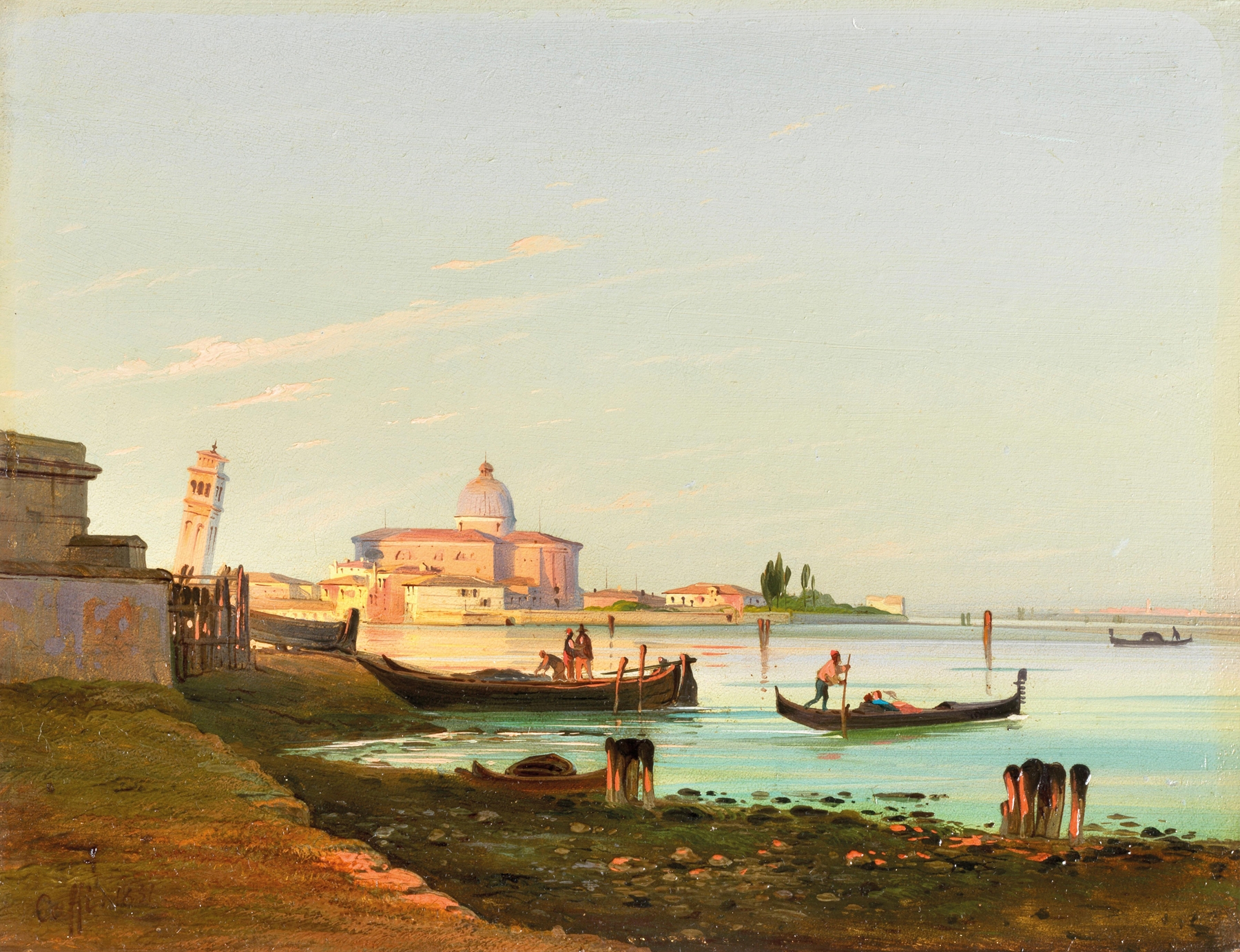
Can beauty exist without sorrow? The shimmering glow of Venice cradles a moment suspended between longing and loss, where the sun’s eclipse takes center stage, inviting a deep exploration of desire. Look closely to the left at the rich hues of the sky, where deep blues and purples swirl into a canvas of fleeting twilight. The fading daylight casts a warm, melancholic glow on the intricate architecture of the city, its iconic domes and spires reaching toward the heavens.
Notice how the water reflects this transient light, rippling gently in response to the celestial event, while the figures below seem almost frozen in a collective gasp, their faces illuminated with the awe of unfulfilled longing. The contrast between light and shadow speaks volumes; the encroaching darkness of the eclipse mirrors the deeper emotional currents that run through the scene. While the sun’s disappearance signals the inevitable passage of time, the vibrant colors suggest a hope that lingers, a desire for beauty even amidst uncertainty. Each brushstroke reveals a poignant tension, where joy and melancholy dance together, leaving viewers to ponder their own desires in the face of life's transience.
Ippolito Caffi painted this evocative work in the mid-19th century, during a time when the Romantic movement was flourishing. Living in Venice, Caffi's fascination with the interplay of light and atmosphere was deeply influenced by his surroundings and the cultural shifts of his era. The eclipse itself served as both a natural wonder and a metaphor for the fleeting nature of beauty, encapsulating the artist's inner struggles with desire and the passage of time.