The Pantheon, Rome — History & Analysis
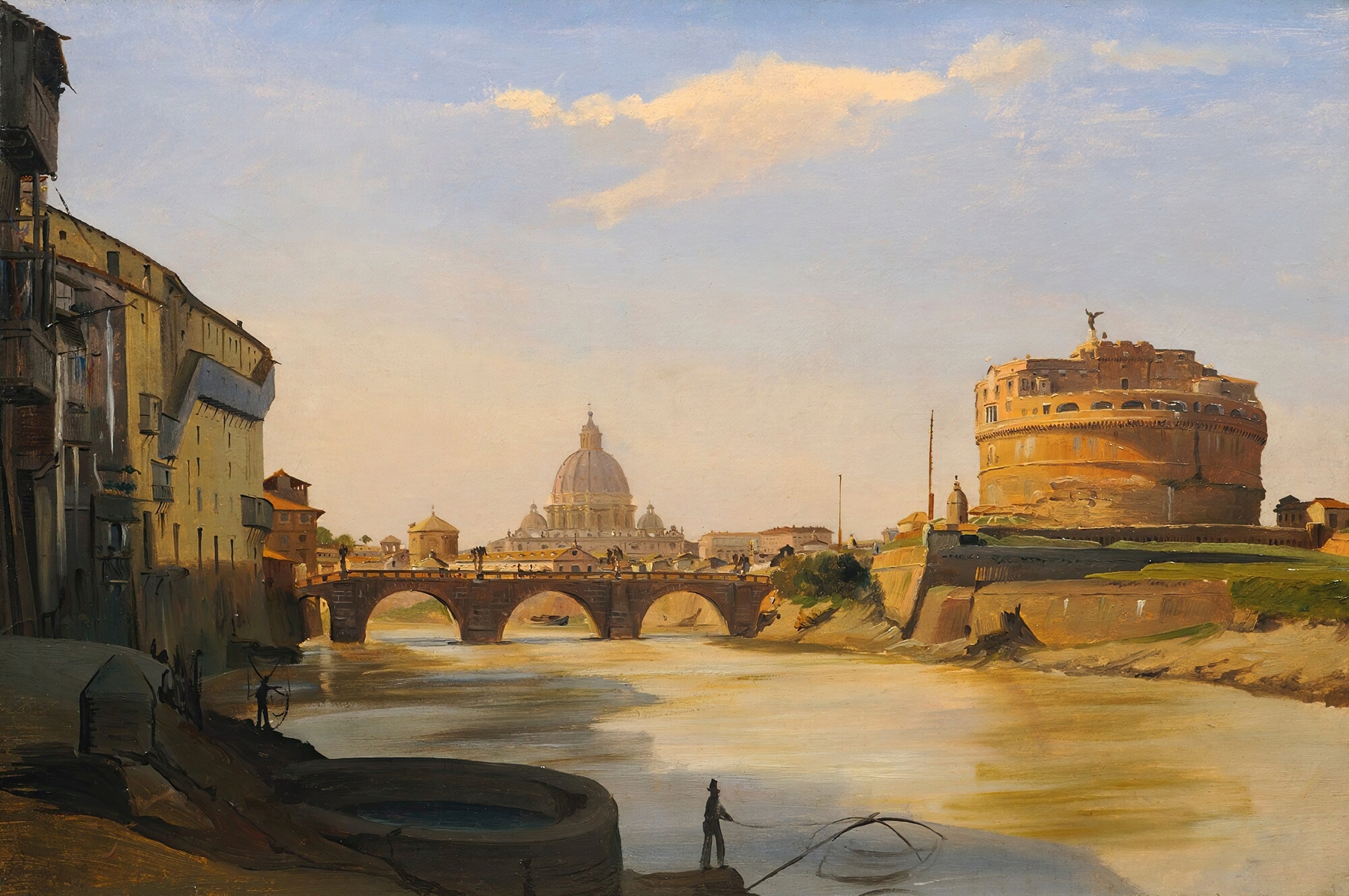
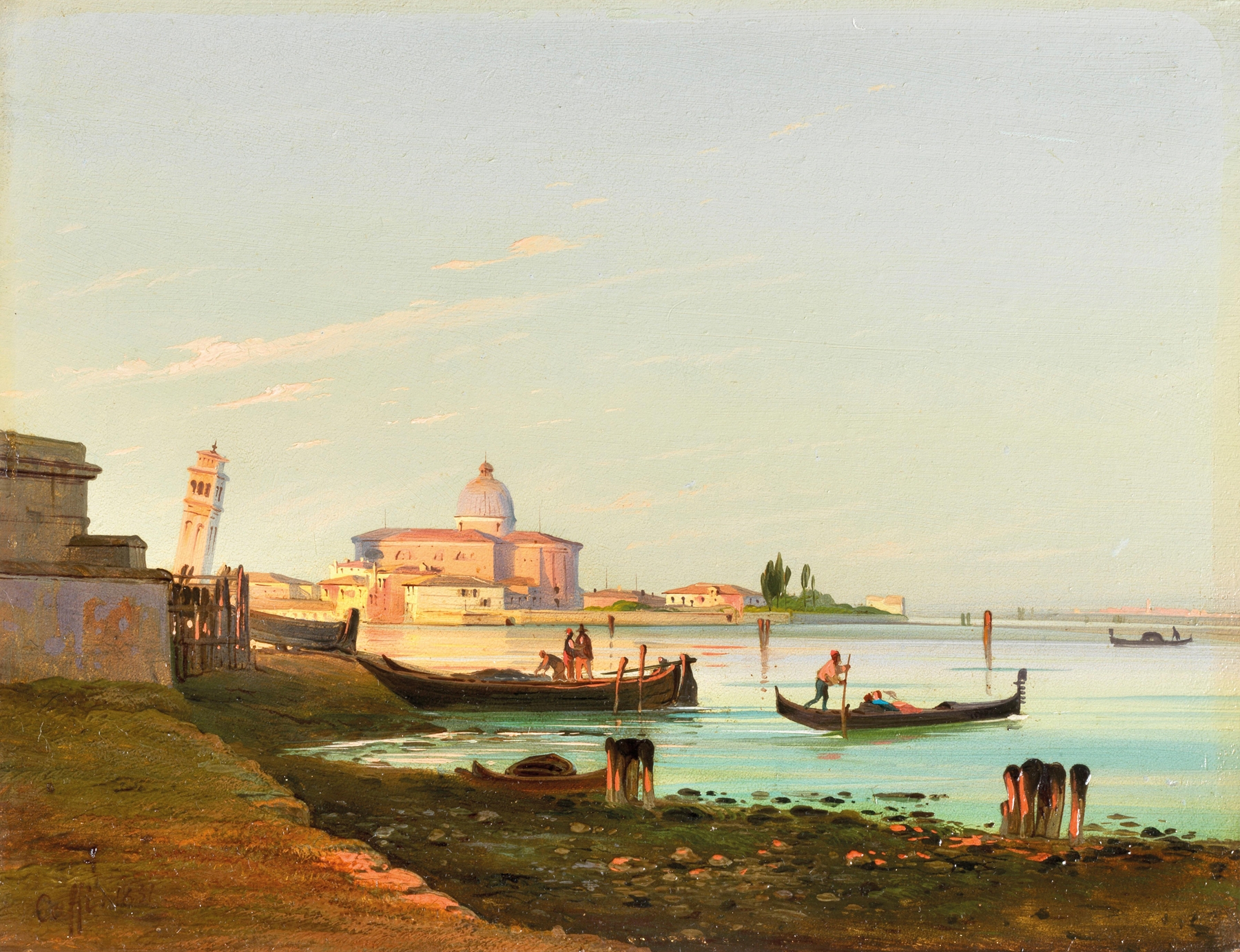
“The canvas doesn’t lie — it simply waits.” In the stillness of time, the echoes of history linger, awaiting the touch of a curious gaze. Beneath the grand dome, a sense of rebirth and renewal unfurls, urging the viewer to confront the monumental power of human creation. Look to the center of the composition, where the majestic dome rises, supported by robust columns that invite the eye to trace their elegant lines. The play of light filtering through the oculus casts a divine glow on the marble floors, creating a stark contrast between shadow and illumination.
Notice how the artist employs a warm palette, rich earth tones mingling with ethereal whites that suggest not just a space, but a sanctuary. Each brushstroke is deliberate, guiding your attention to the architectural grandeur while simultaneously echoing the spirit of reverence inherent in this sacred place. Beneath the surface, the painting speaks of contrasts: the permanence of stone against the impermanence of life, the serene silence interrupted only by whispers of generations past. The interplay of light symbolizes hope, suggesting that even in stillness, there is an unseen energy—the promise of rebirth.
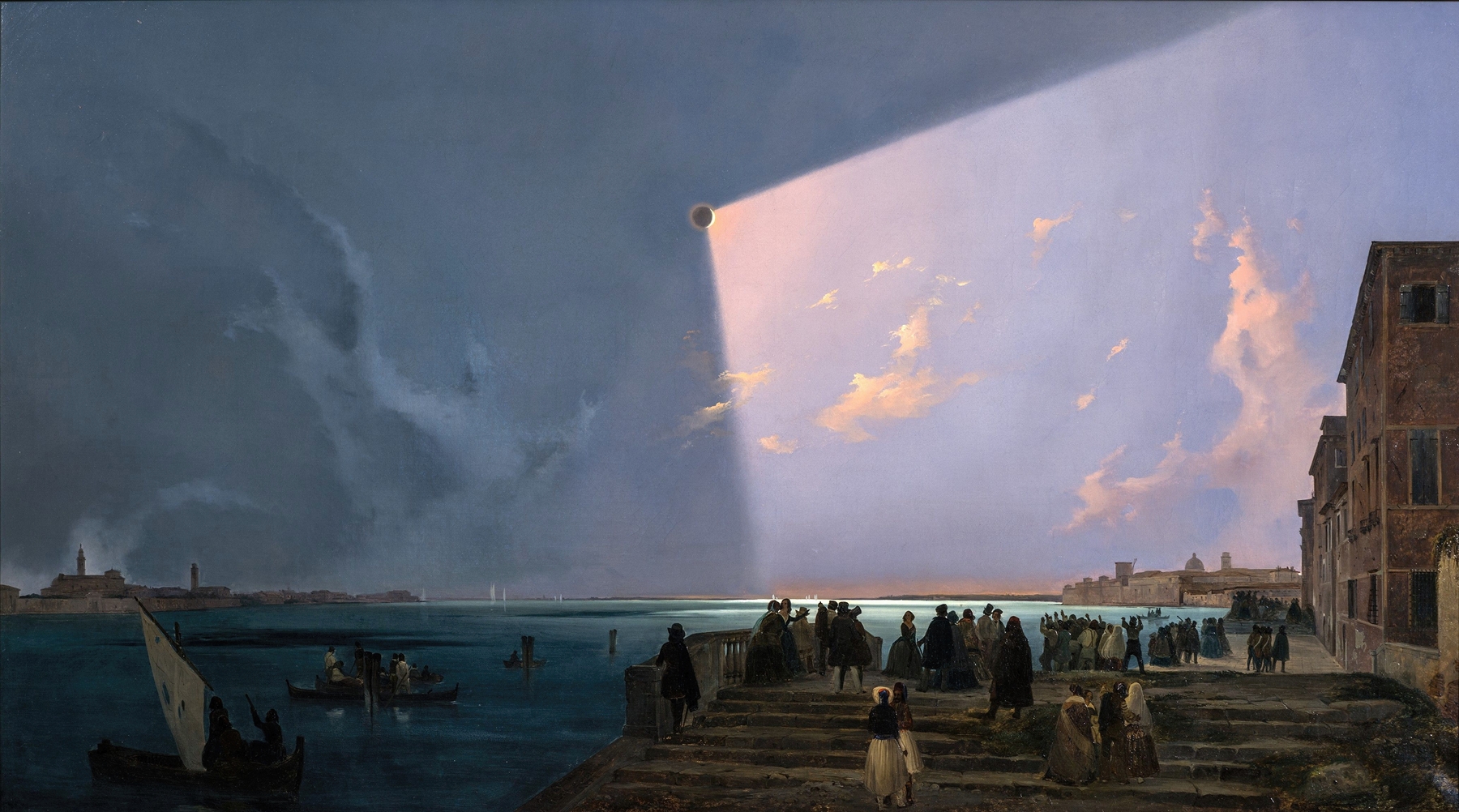
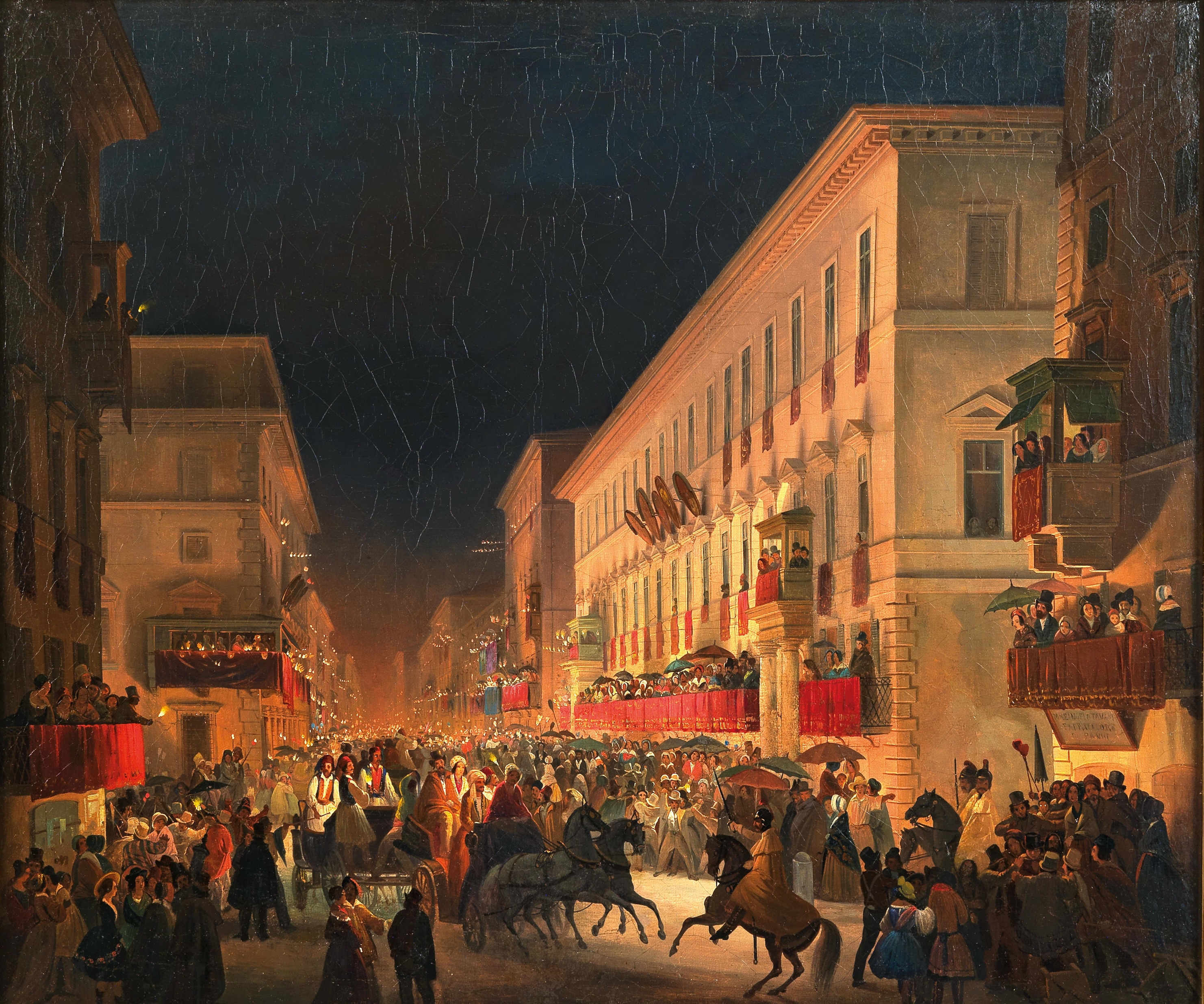
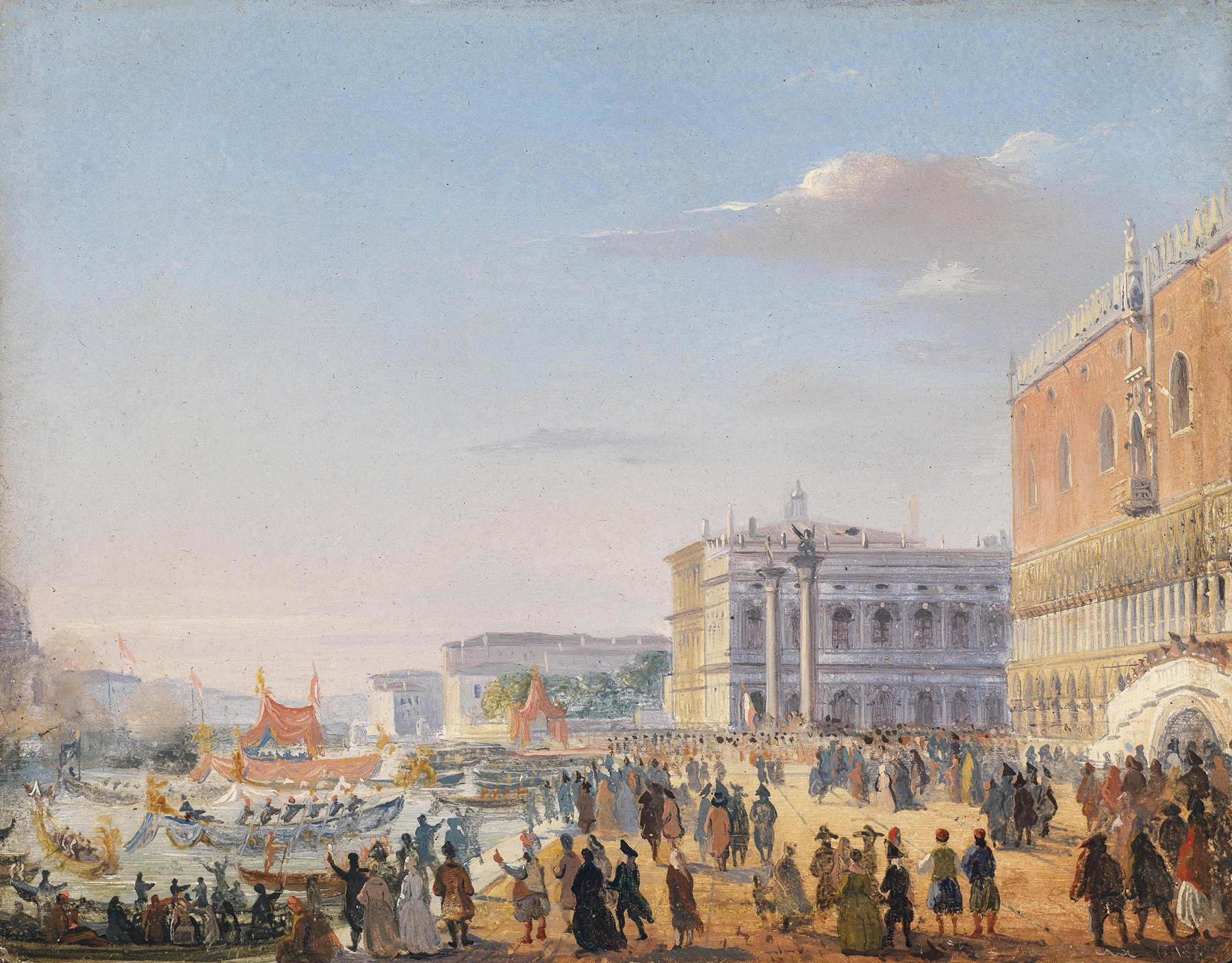
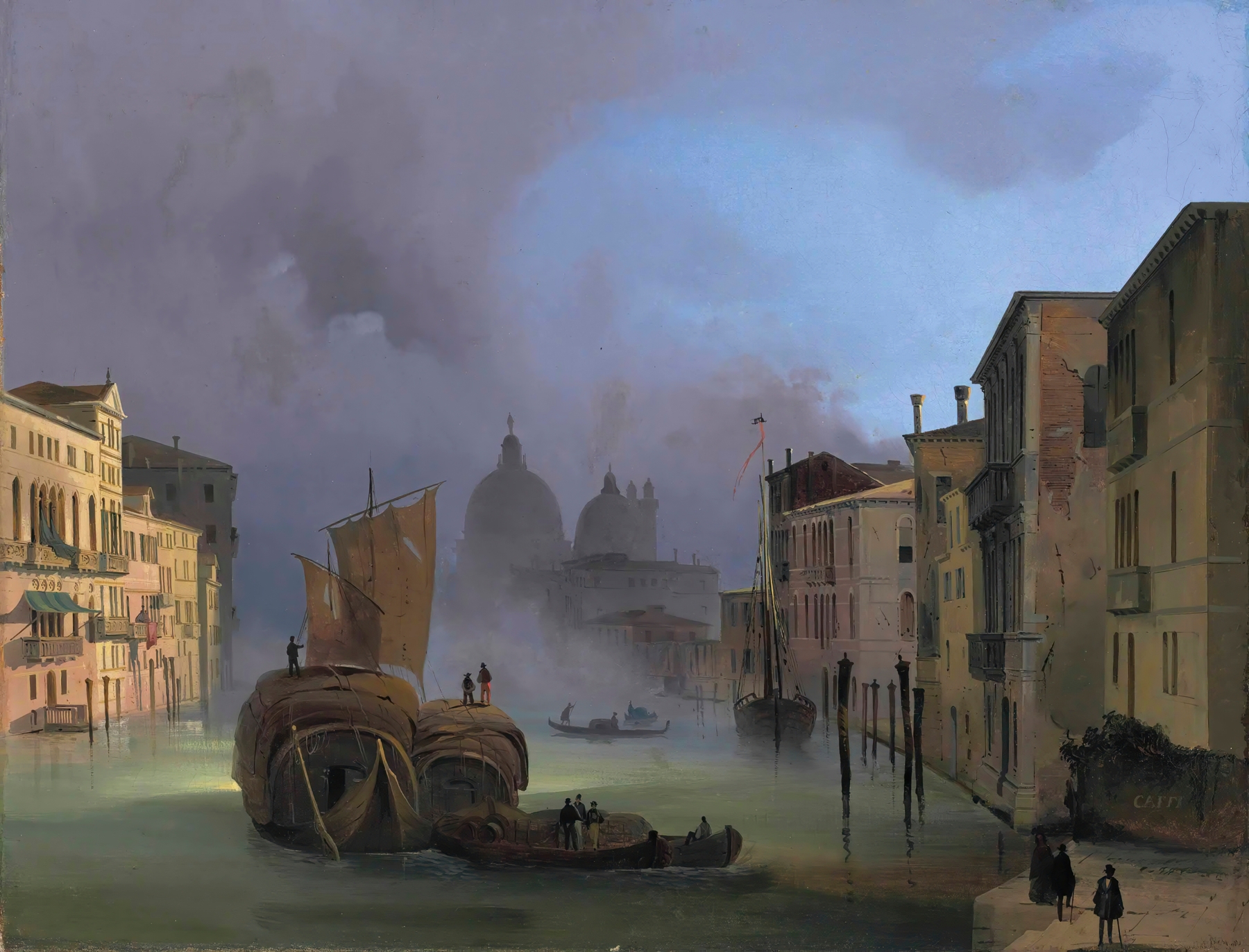
The figures, though small and distant, embody the continuity of faith and culture, linking the past to the present through their quiet, timeless presence. Ippolito Caffi painted this evocative scene during the mid-19th century, a time marked by a fascination with classical architecture and a revival of interest in antiquity. Living in Venice, Caffi was immersed in a world where the grandeur of the past inspired a new generation of artists. As Europe was undergoing significant change, his works reflected both a longing for heritage and the enduring beauty of human achievement.