Carnival In Rome, The Feast Of Moccoletti — History & Analysis
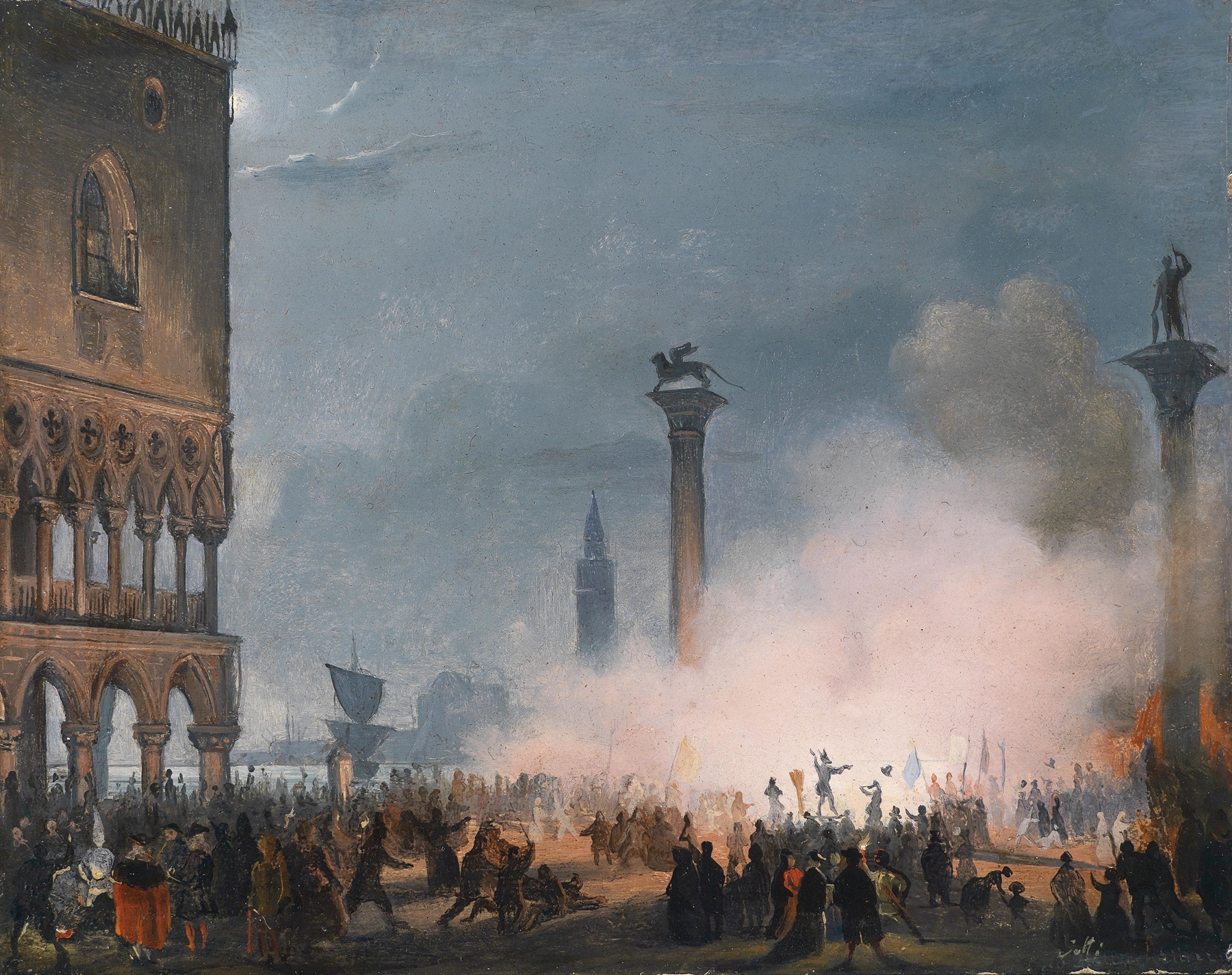
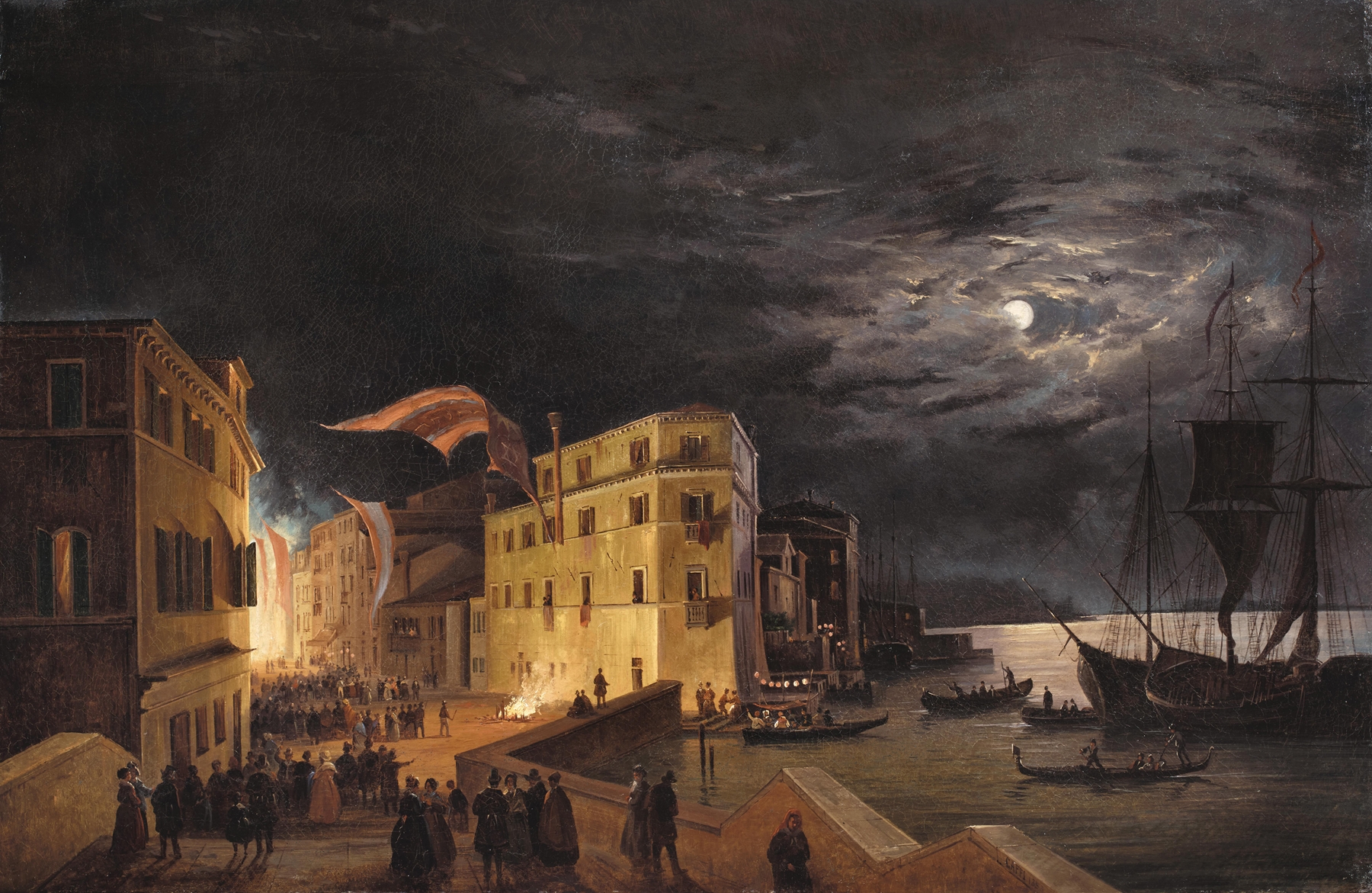
A sea of lantern light dances across the Roman square, illuminating jubilant faces that flicker like flames in the night. Laughter mingles with the faint echo of music, creating an electric pulse that resonates through the crowd. In the midst of it all, a moment of stillness, where joy collides with a whisper of mortality, reminds every observer that celebration is fleeting. Look to the left at the vibrant figures adorned in elaborate masks and costumes, their expressions awash with delight.
The artist’s deft brushwork captures each flicker of light against their garments, making the colors almost sing. Notice how the warm tones of gold and amber contrast with shadows lurking in the corners, suggesting the delicate balance between life’s exuberance and the shadow of what lies beyond. Delve deeper, and you’ll find the subtle interplay of chaos and order. The exuberant figures are juxtaposed with a solitary figure lingering on the periphery, embodying the tension between indulgence and contemplation.
This juxtaposition evokes a poignant reminder of mortality; while life unfolds in moments of joy, it is often shadowed by the inevitability of time's passage and the fading of light. Caffi painted this vibrant scene during a period known for its artistic exploration in mid-19th century Italy, a time when the country was navigating its own social and political transformations. As the artist captured the ephemeral joy of the Moccoletti festival, he was likely reflecting on the broader human experience of celebration amidst the awareness of life's transience.