View Of The Castel Sant’angelo, Rome — History & Analysis
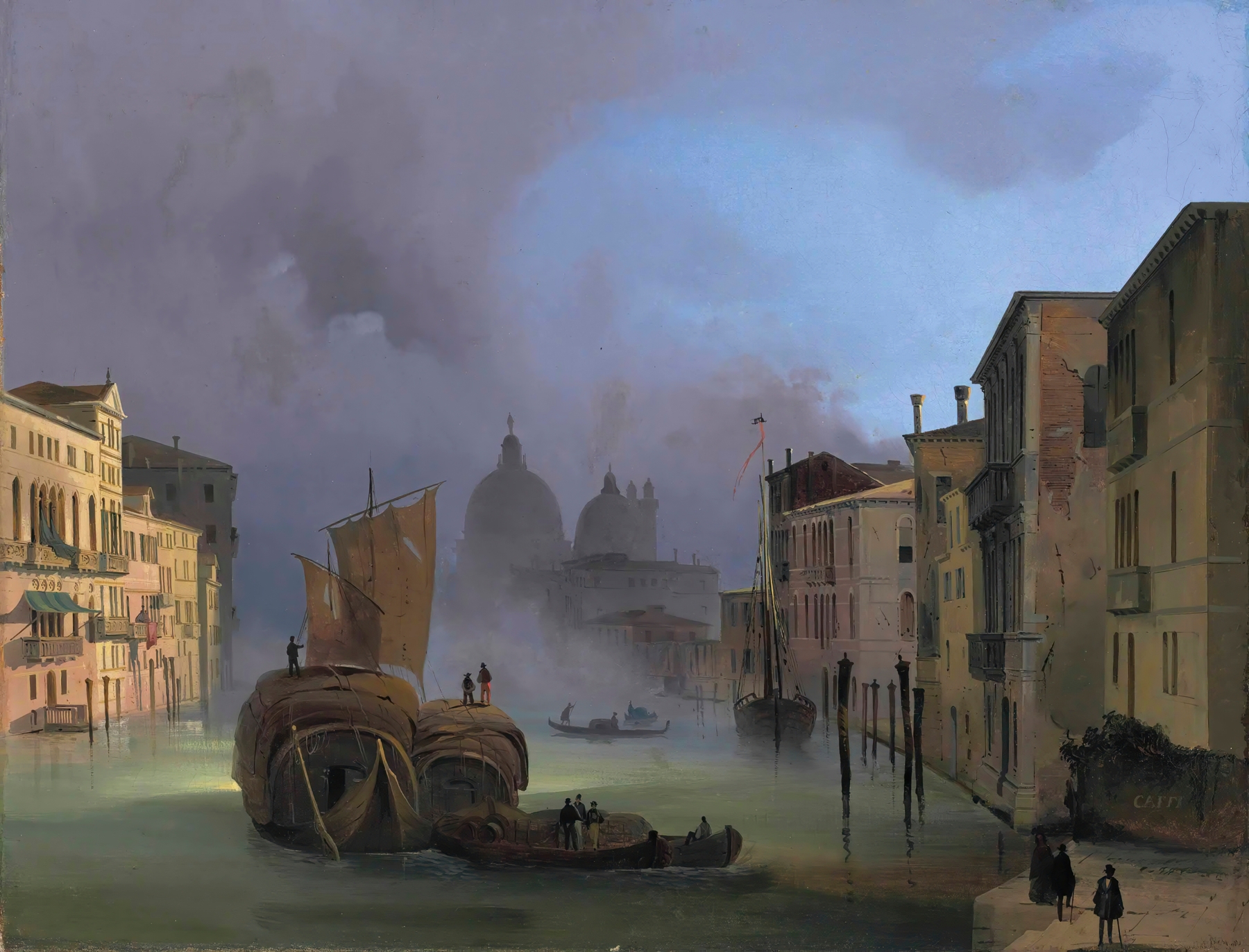
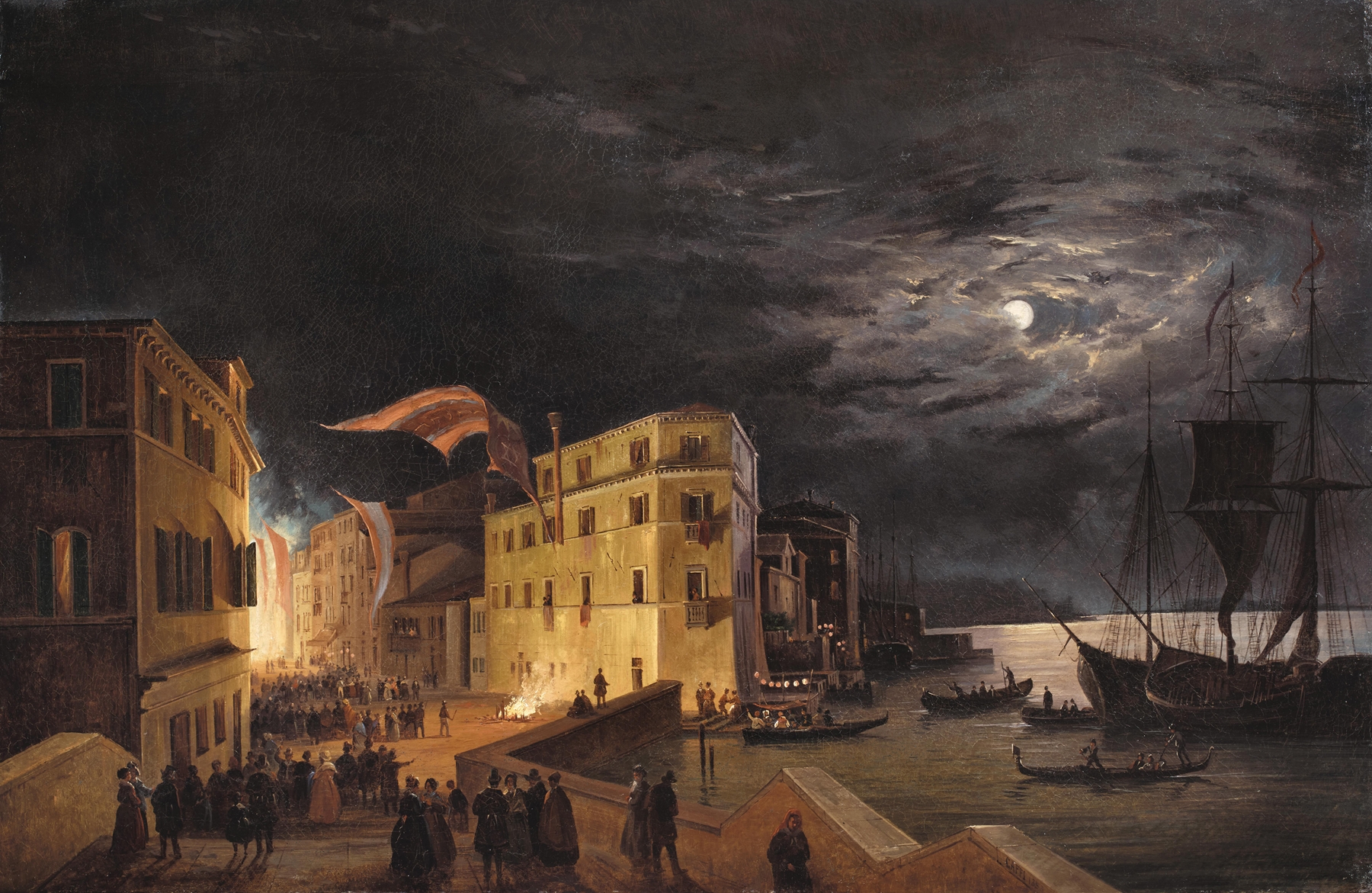
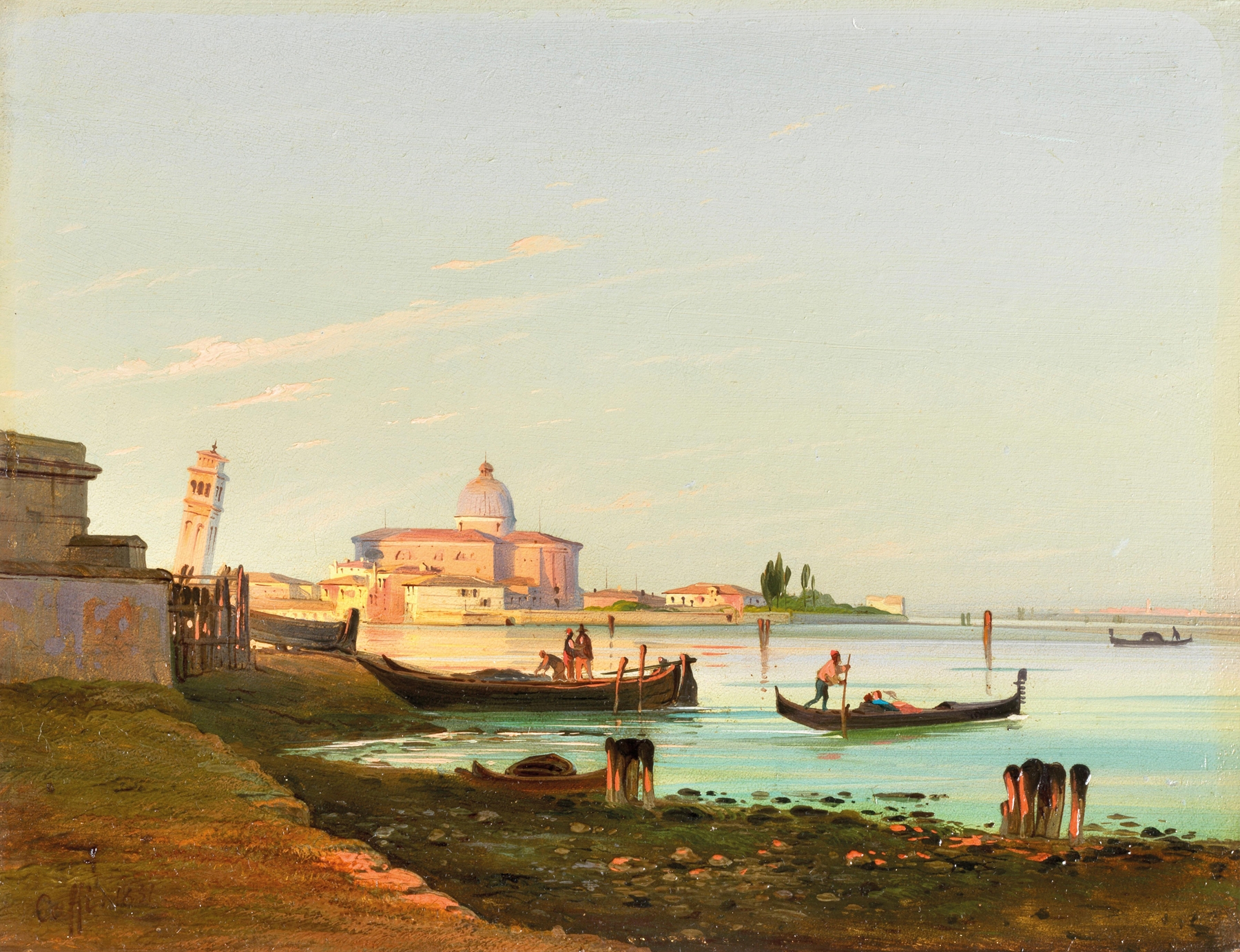
“Art reveals the soul when the world turns away.” In the stillness of twilight, the melancholy of existence unfolds through the lens of a masterful gaze. It is in these fleeting moments that an artist captures not just a scene, but the very essence of human emotion. Look to the left at the silhouette of the Castel Sant’Angelo, its rounded edifice framed by a faint wash of twilight hues. The interplay between warm oranges and muted blues evokes a serene yet somber atmosphere, while the delicate brushwork brings out the architecture's intricate details.
Notice how the sky fades into a deeper blue, hinting at the approaching night, a transitional space that amplifies the sense of longing and reflection that permeates the canvas. The juxtaposition of light and shadow in the work reflects a deeper emotional landscape. The towering castle, a symbol of strength, stands firmly against the encroaching darkness, while the water below, smooth and placid, hints at the depths of one’s thoughts—calm yet tumultuous. This duality underscores the artist's explorations of human resilience amid an inevitable decline, where beauty and sadness coexist harmoniously.
Ippolito Caffi painted this evocative piece during the mid-19th century, a period marked by the rising Romantic movement in art. Working primarily in Italy, he sought to explore landscapes infused with emotion, reflecting a world in flux. The historical context of political turmoil and changing societal structures in Rome likely shaped his vision, allowing him to channel his own sense of melancholy into the tranquil yet poignant view of the Castel Sant’Angelo.