Venice, a Nocturnal Festival on Via Eugenia — History & Analysis
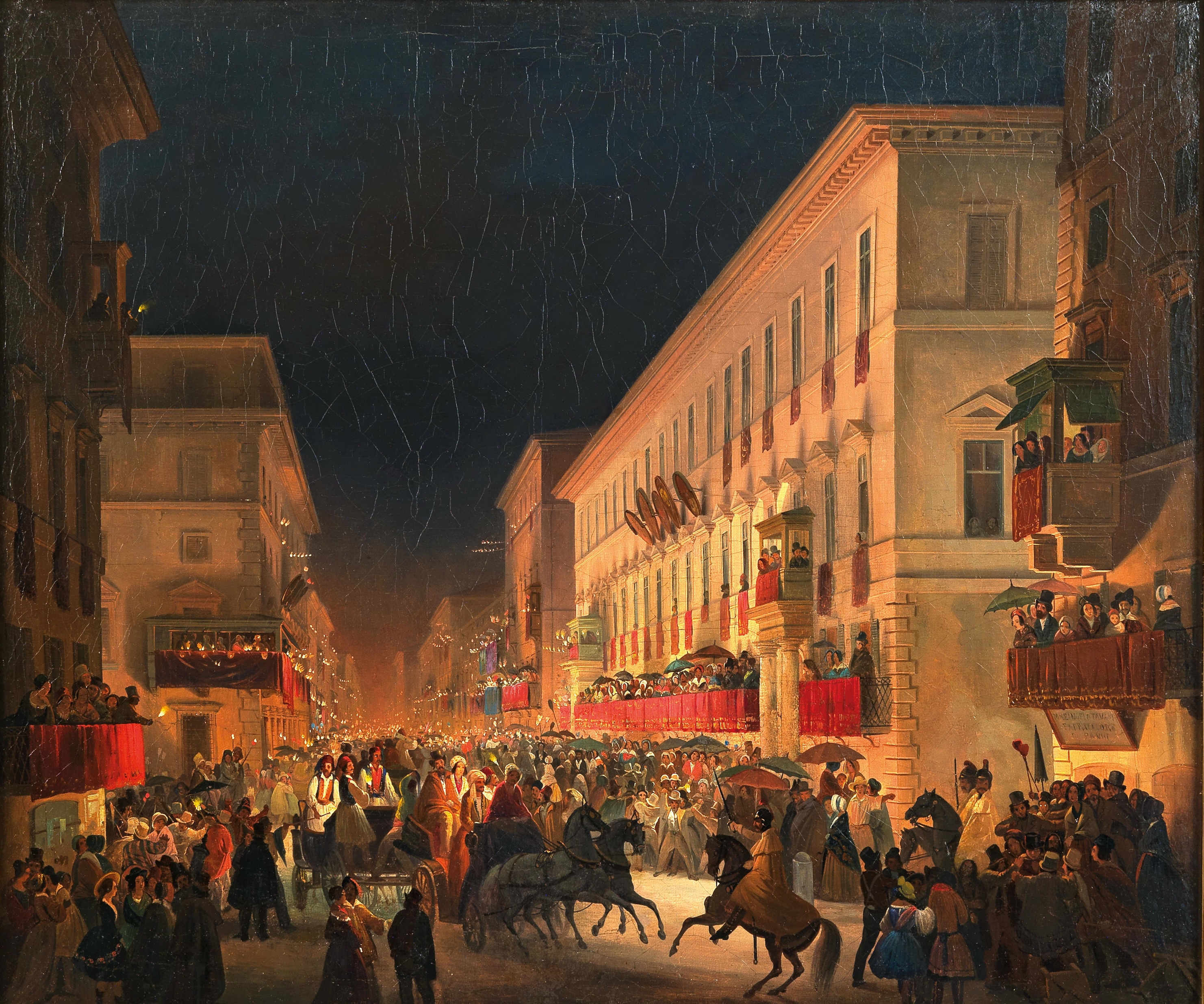
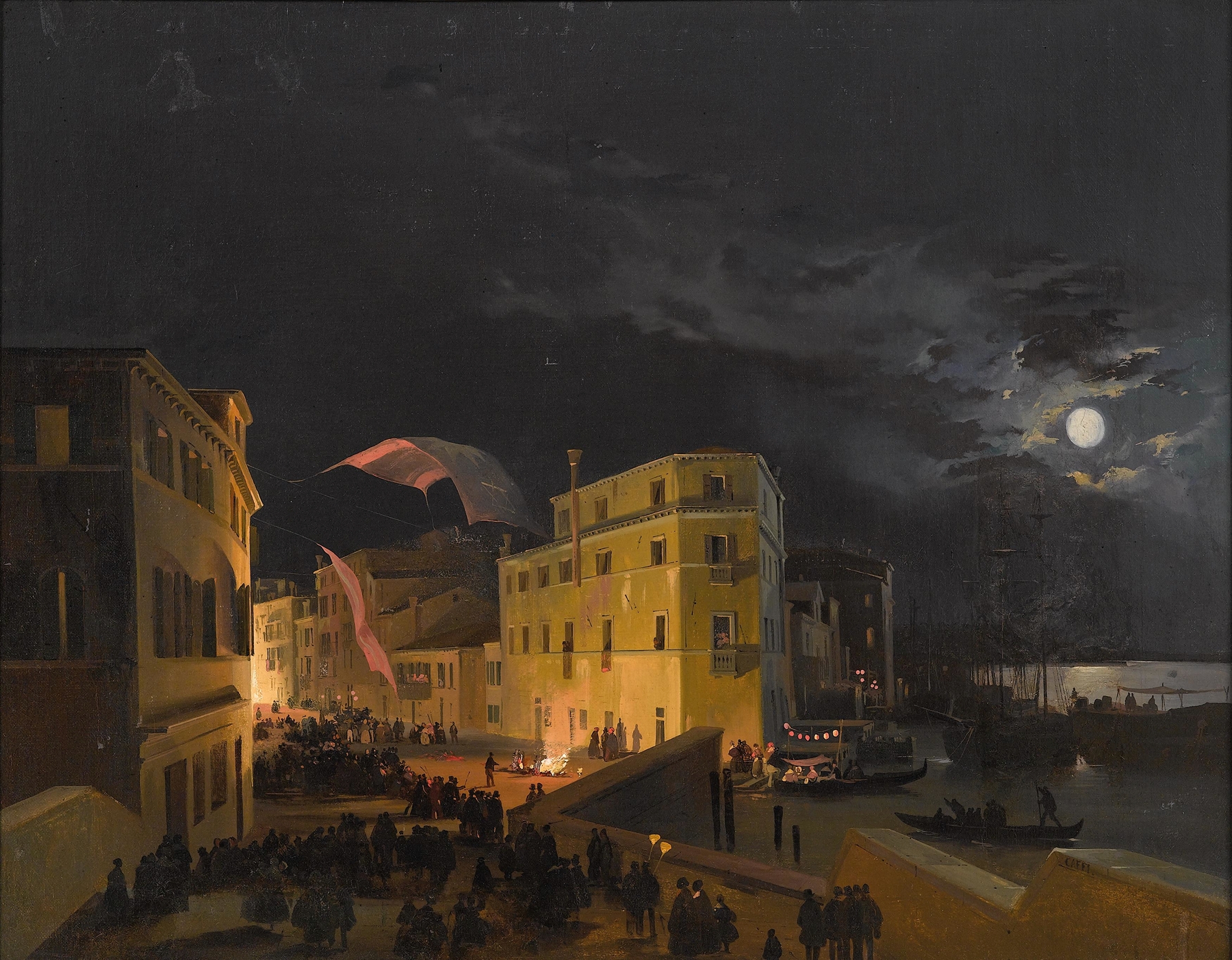
Is this a mirror — or a memory? In Venice, a Nocturnal Festival on Via Eugenia, an intoxicating sense of destiny weaves through the twilight air, inviting viewers to ponder the boundaries between recollection and reality. Look to the foreground, where a cascade of lanterns spills warm light onto the cobblestone streets, casting intricate shadows that dance alongside the revelers. The vibrant hues of blue and gold mingle in the sky, hinting at the enchantment of the night, while the soft reflections in the canal create a dream-like quality.
Each figure, adorned in flowing garments, embodies the joy of celebration, yet their faces carry a hint of wistfulness, as if aware that these moments are fleeting. The painting teems with emotional contrasts: the laughter of the crowd juxtaposed against the stillness of the dark waters, the vibrancy of life shadowed by the inevitable passage of time. The juxtaposition of light and dark whispers secrets of nostalgia, while the varied expressions of the participants invite deeper contemplation about the nature of happiness and longing—a reminder that while festivities may evoke joy, they also herald the approach of quiet solitude.
Ippolito Caffi painted this scene in 1858, during a period of fascination with the romantic and the ephemeral in the world of art. Living in Venice, he was immersed in the vibrant culture and the city's unique interplay of light and water. At this time, the Romantic movement was reshaping artistic expression, and his work encapsulated a desire to capture the fleeting beauty of life, reflecting both personal and collective experiences in an ever-changing world.