A Watermill — History & Analysis
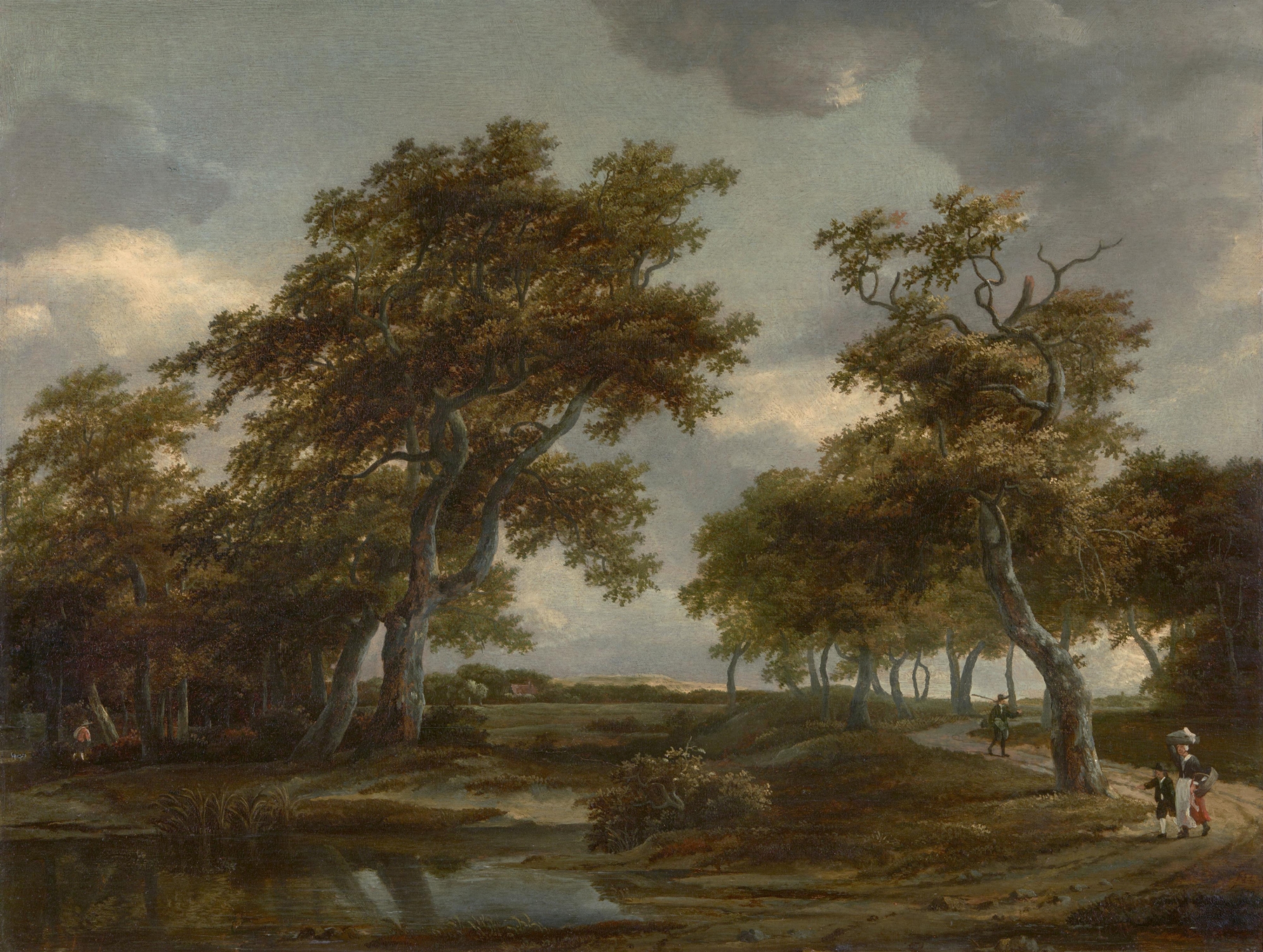
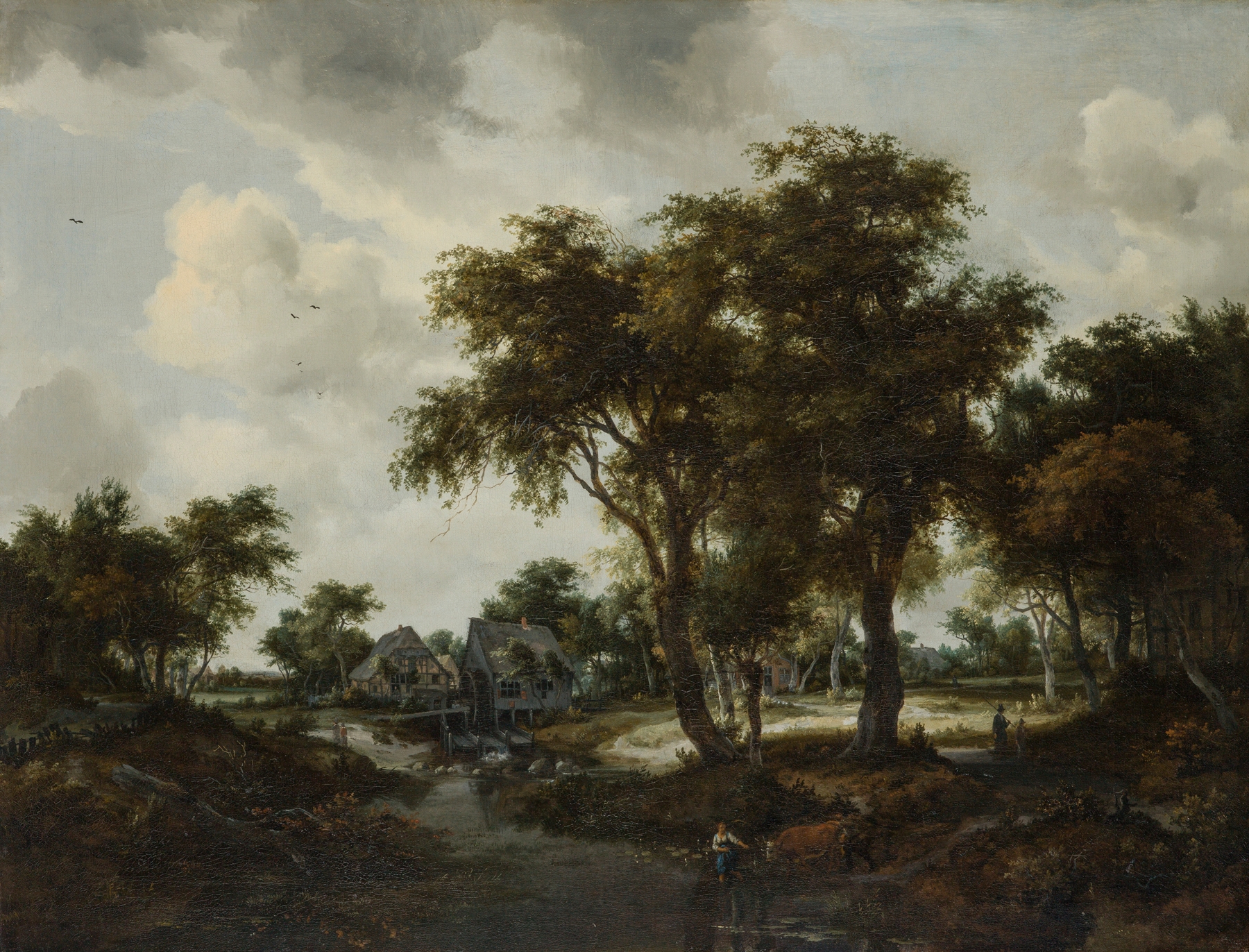
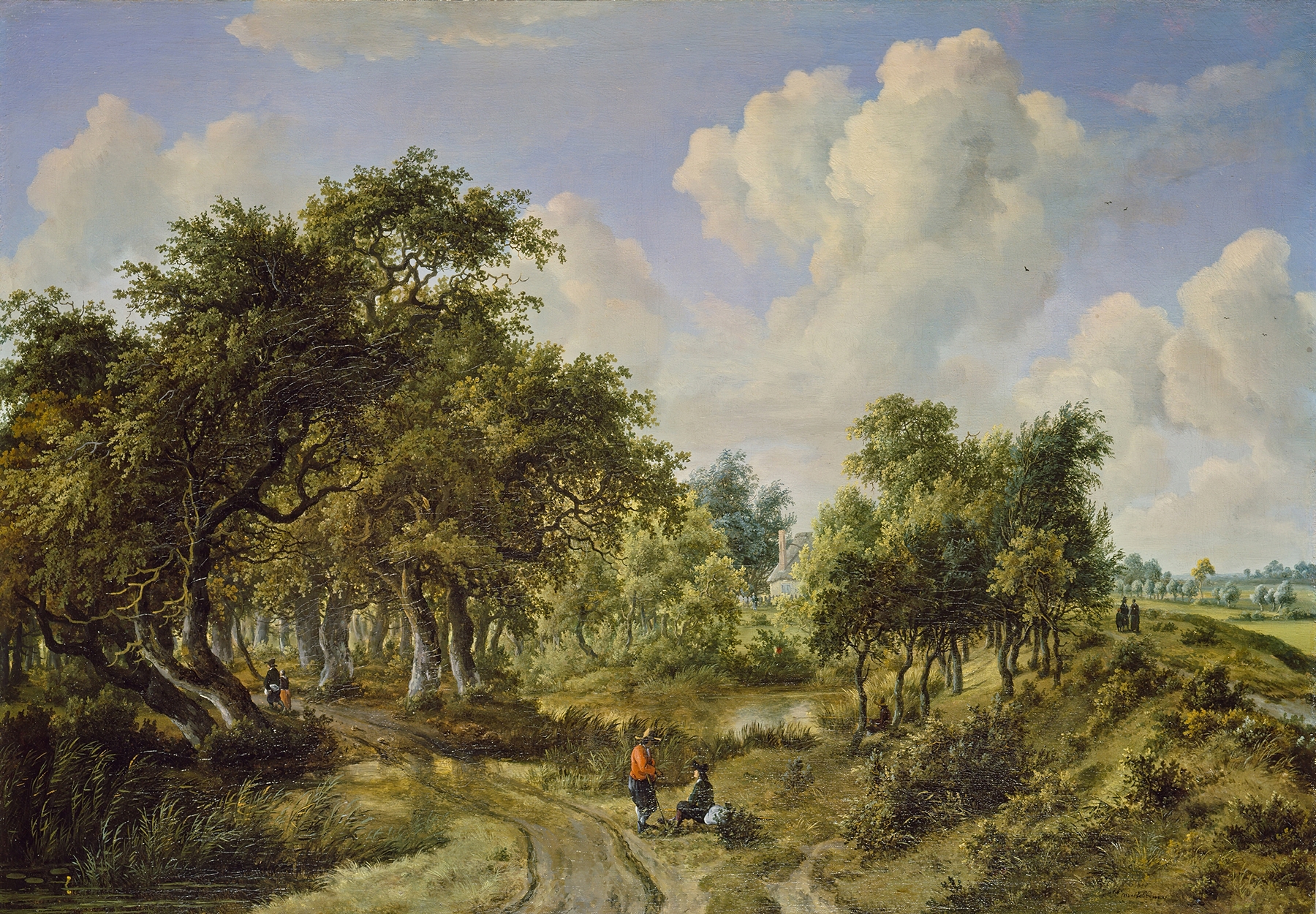
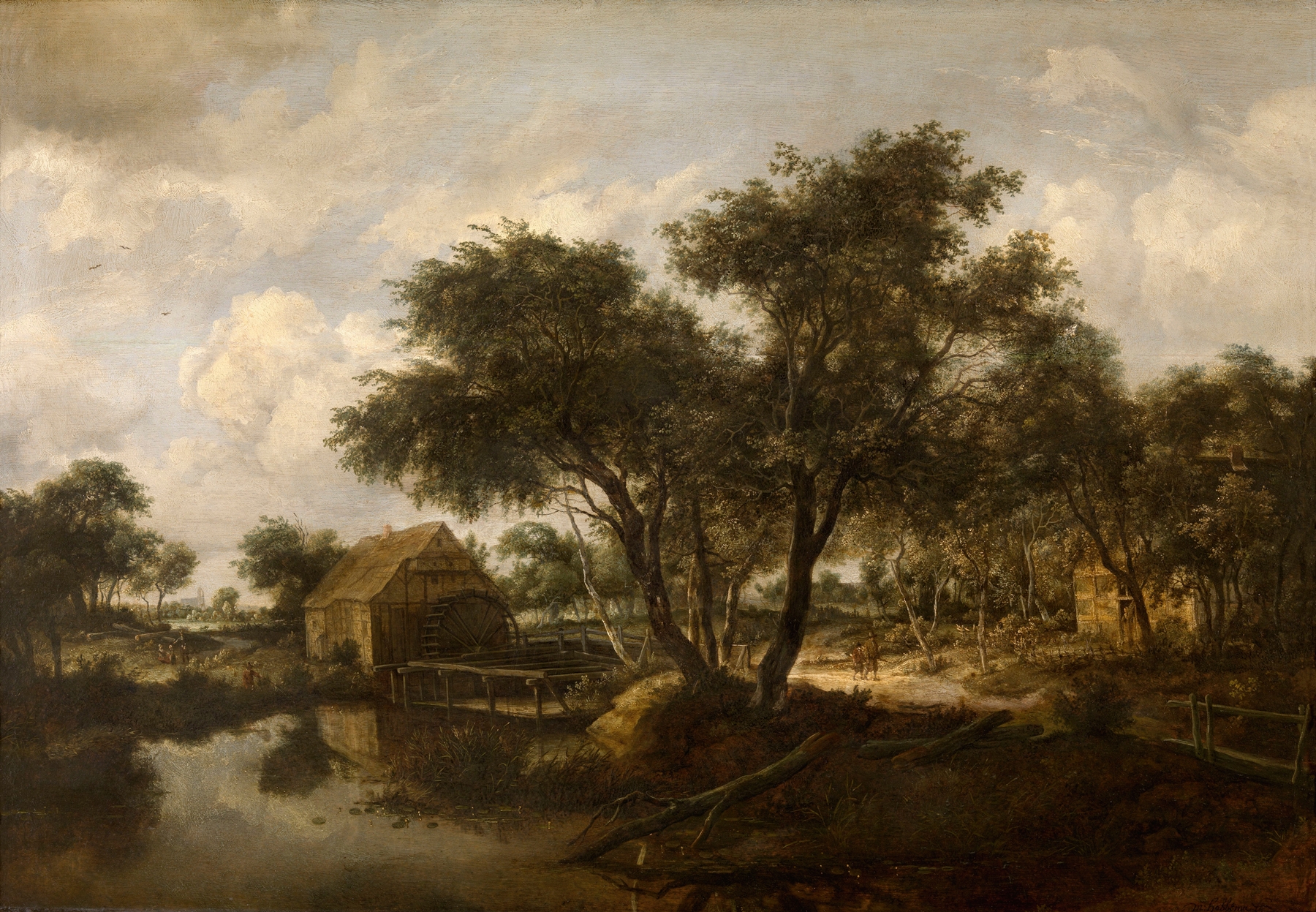
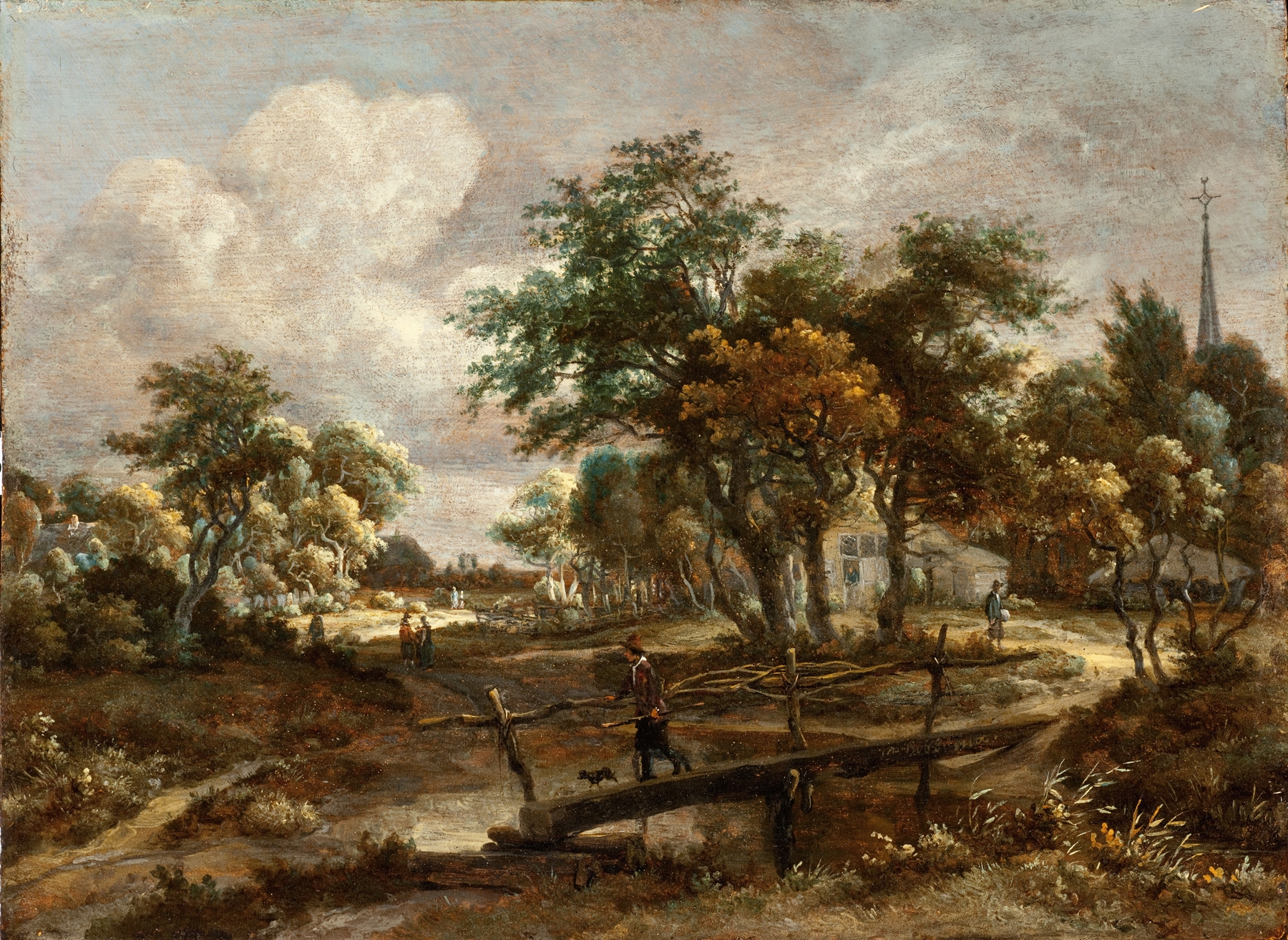
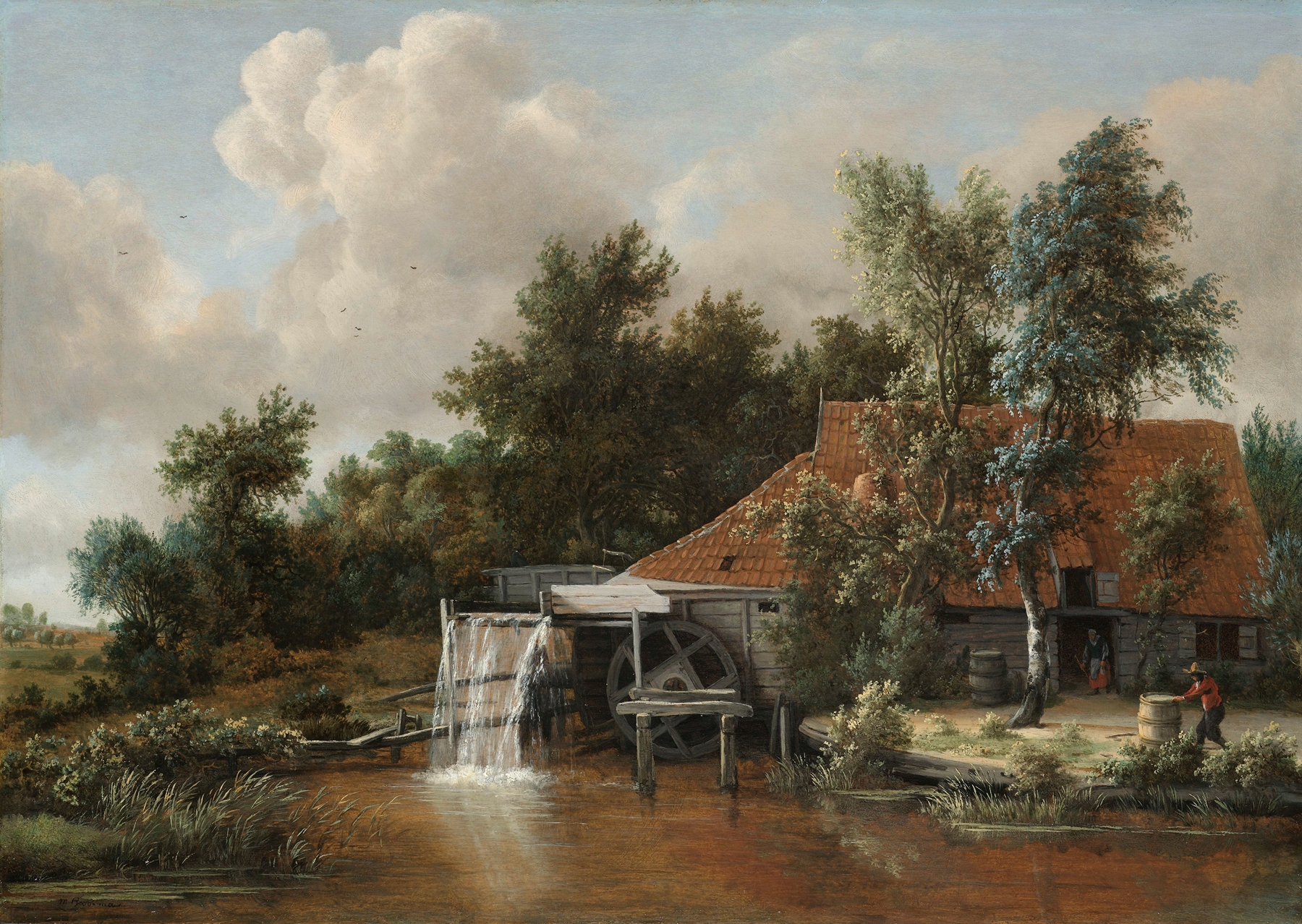
Can paint confess what words never could? In A Watermill, the brush whispers secrets of time—a serene reminder of nature's unyielding embrace and the fleeting moments of rural life. Focus on the mill itself, nestled in the canvas's gentle embrace. Its weathered wooden structure rises majestically against a backdrop of lush greenery, drawing the eye with a harmonious blend of browns and greens.
Notice how the sunlight dances on the water’s surface, capturing the glimmering reflections that evoke both tranquility and movement. The painter's meticulous attention to detail makes every leaf and ripple feel tangible, inviting the viewer into this idyllic scene. The tranquility of the watermill belies an undertone of nostalgia—a longing for a simpler existence intertwined with nature. The contrast between the dynamic rushing water and the static mill speaks to a delicate balance between human craftsmanship and the relentless passage of time.
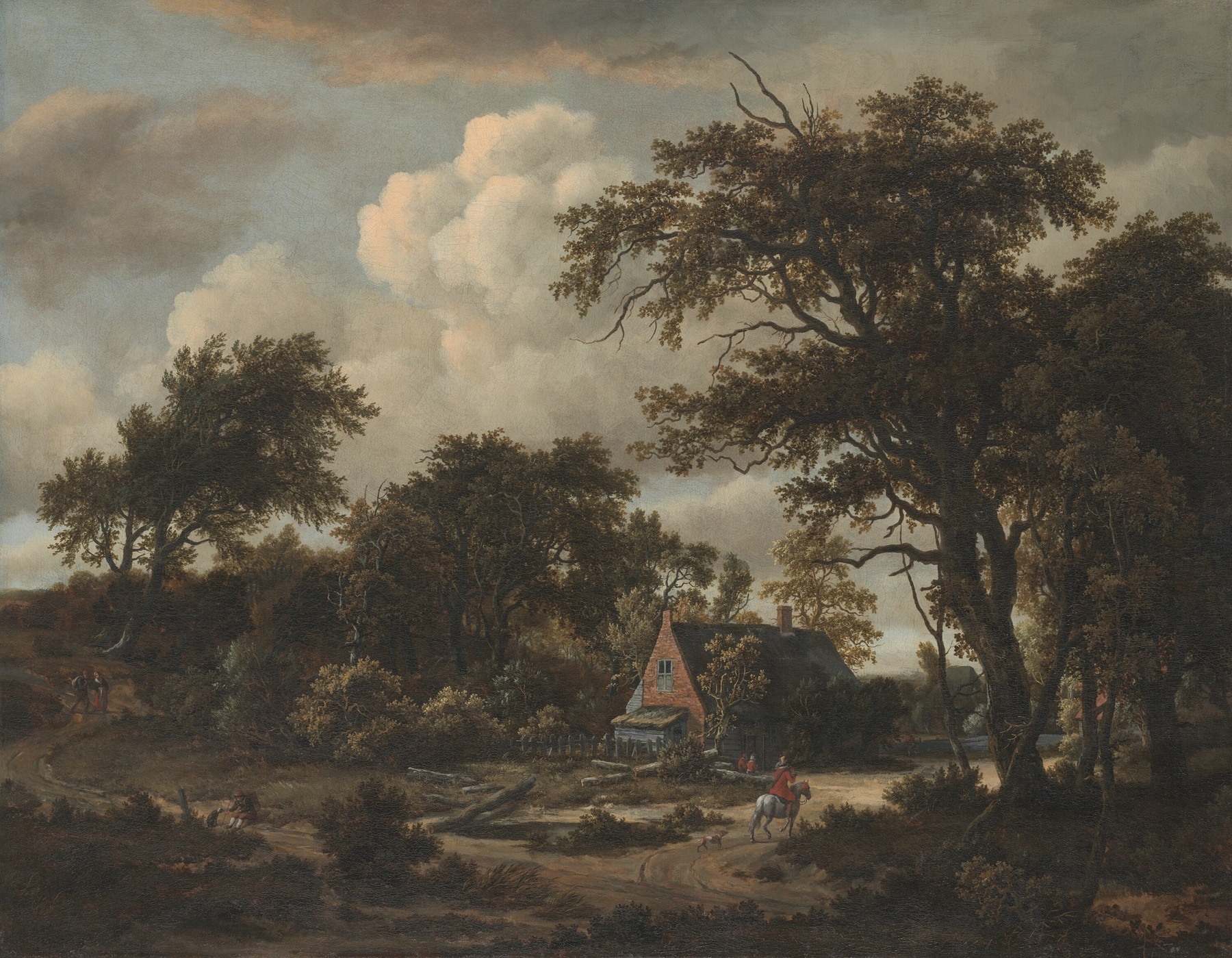
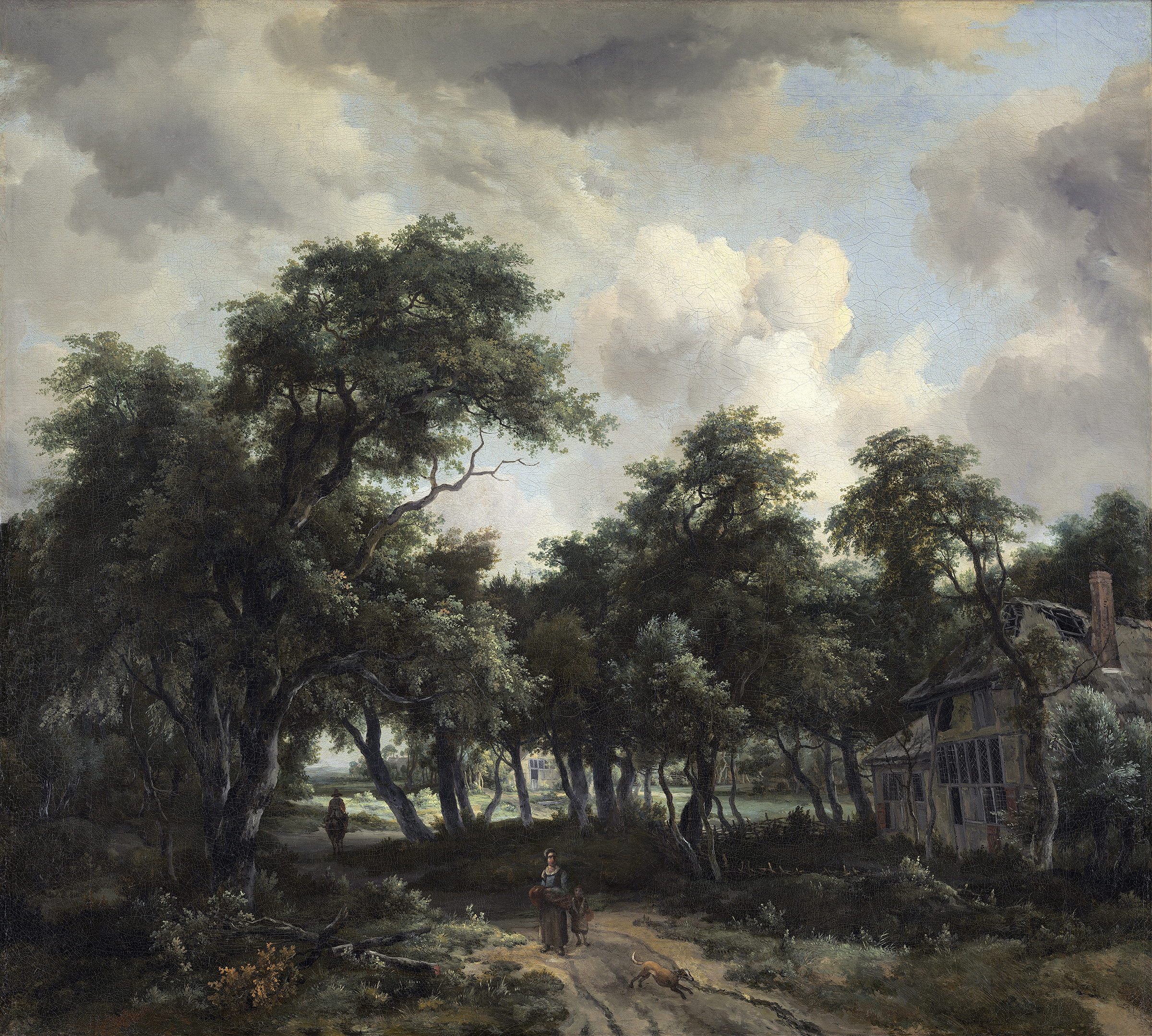
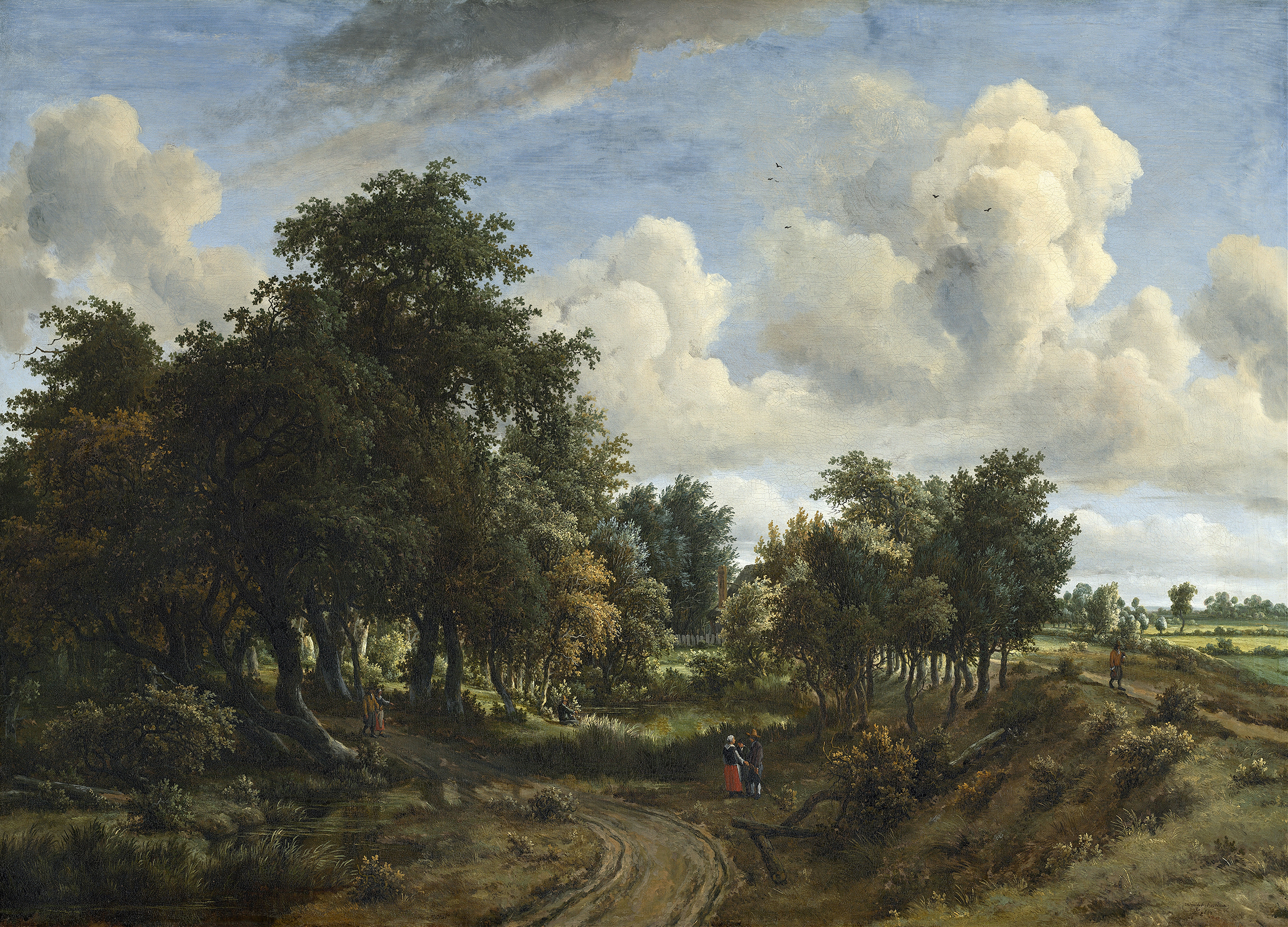
Every element, from the softly rendered clouds to the serene figures tending the landscape, suggests a layered memory, evoking both peace and an unspoken yearning for what once was. Created around 1664, this piece came during Meindert Hobbema's most prolific period, when he explored the Dutch landscape with meticulous precision and an intimate understanding of rural life. At this time, the Dutch Golden Age was flourishing, characterized by a burgeoning interest in nature and its portrayal in art. Hobbema, living in Amsterdam, was deeply influenced by the natural world around him, capturing its essence through his dedicated brushwork and love for the countryside, which resonated with both contemporary observers and future generations.