Landscape with a Footbridge — History & Analysis
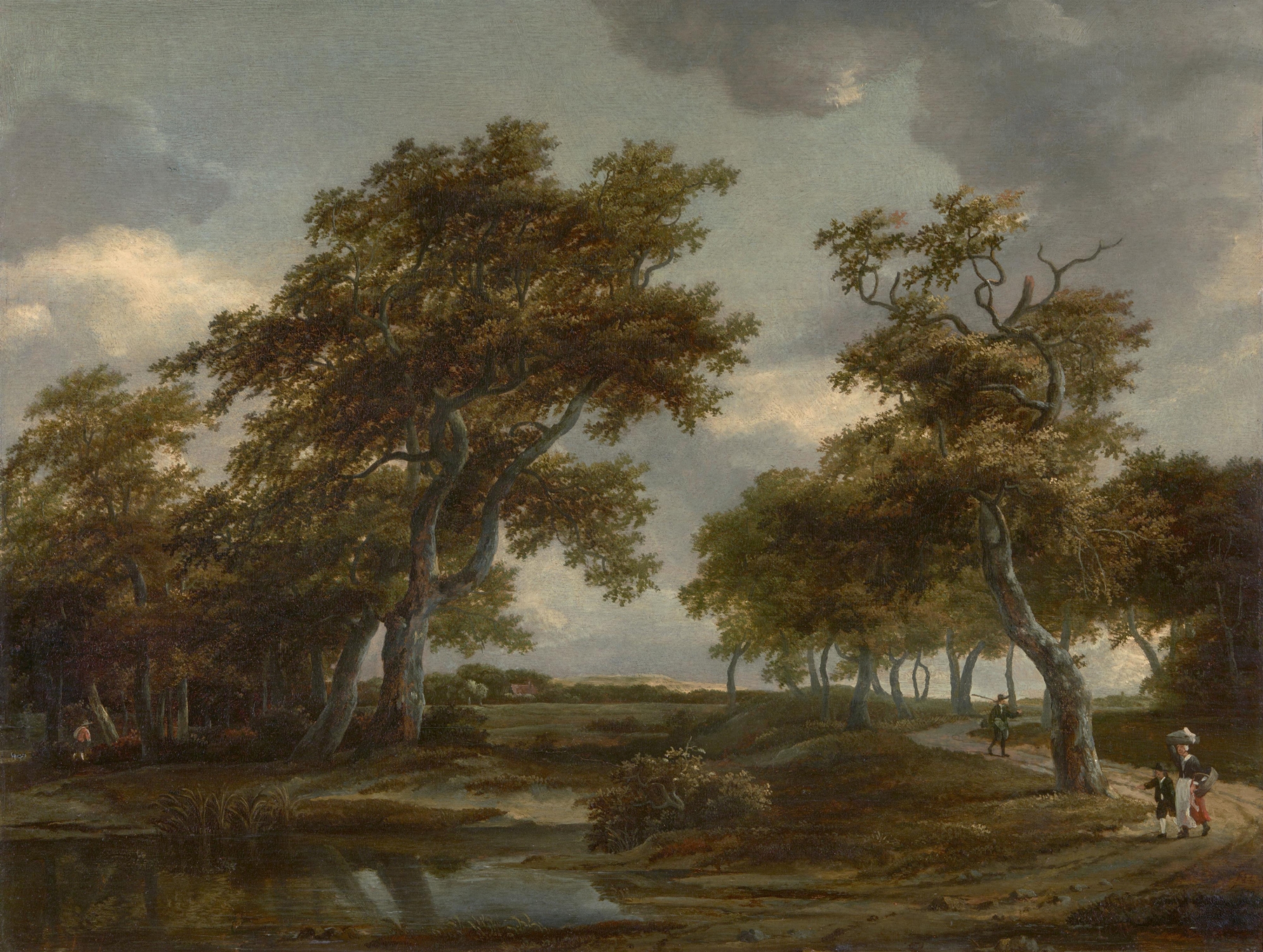
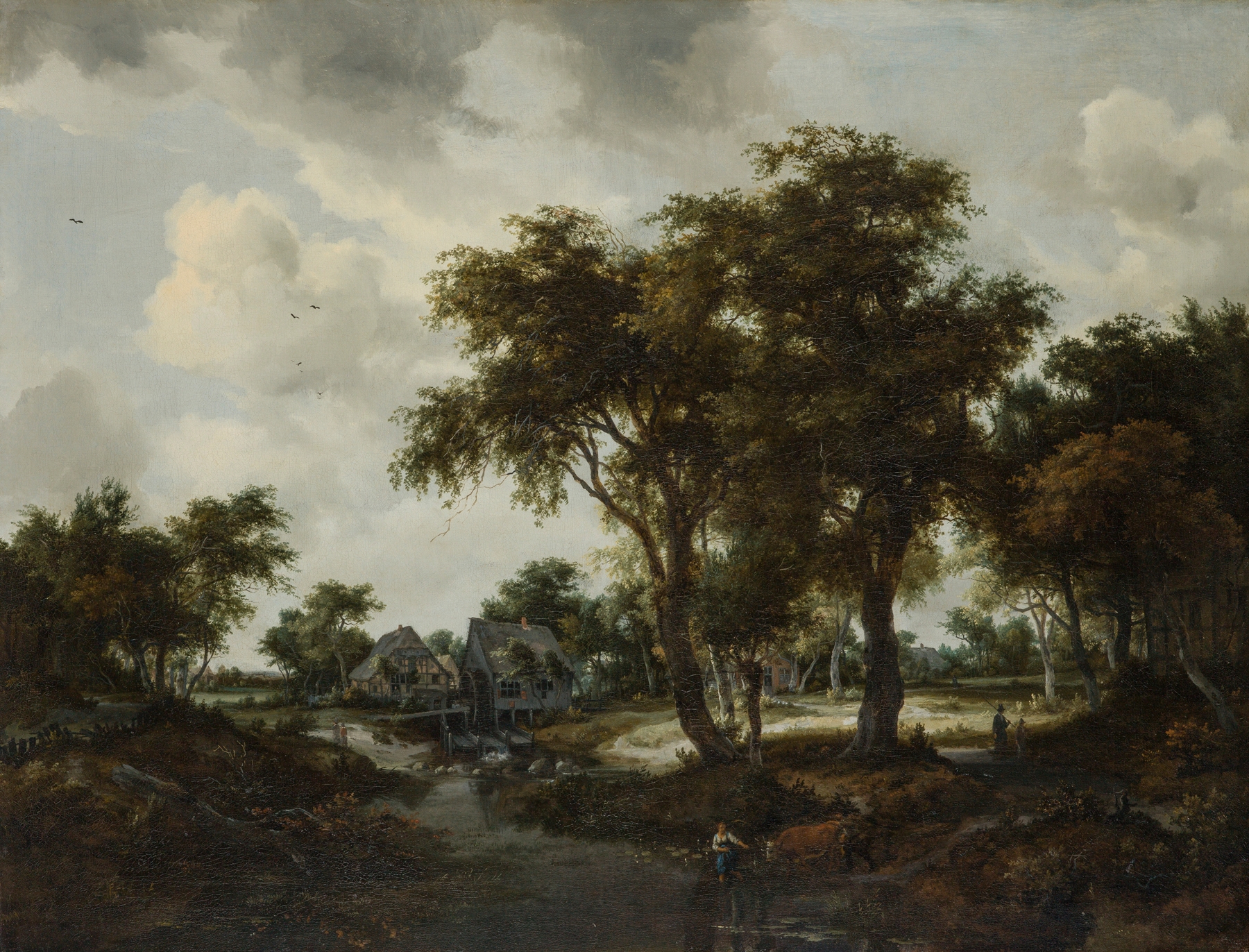
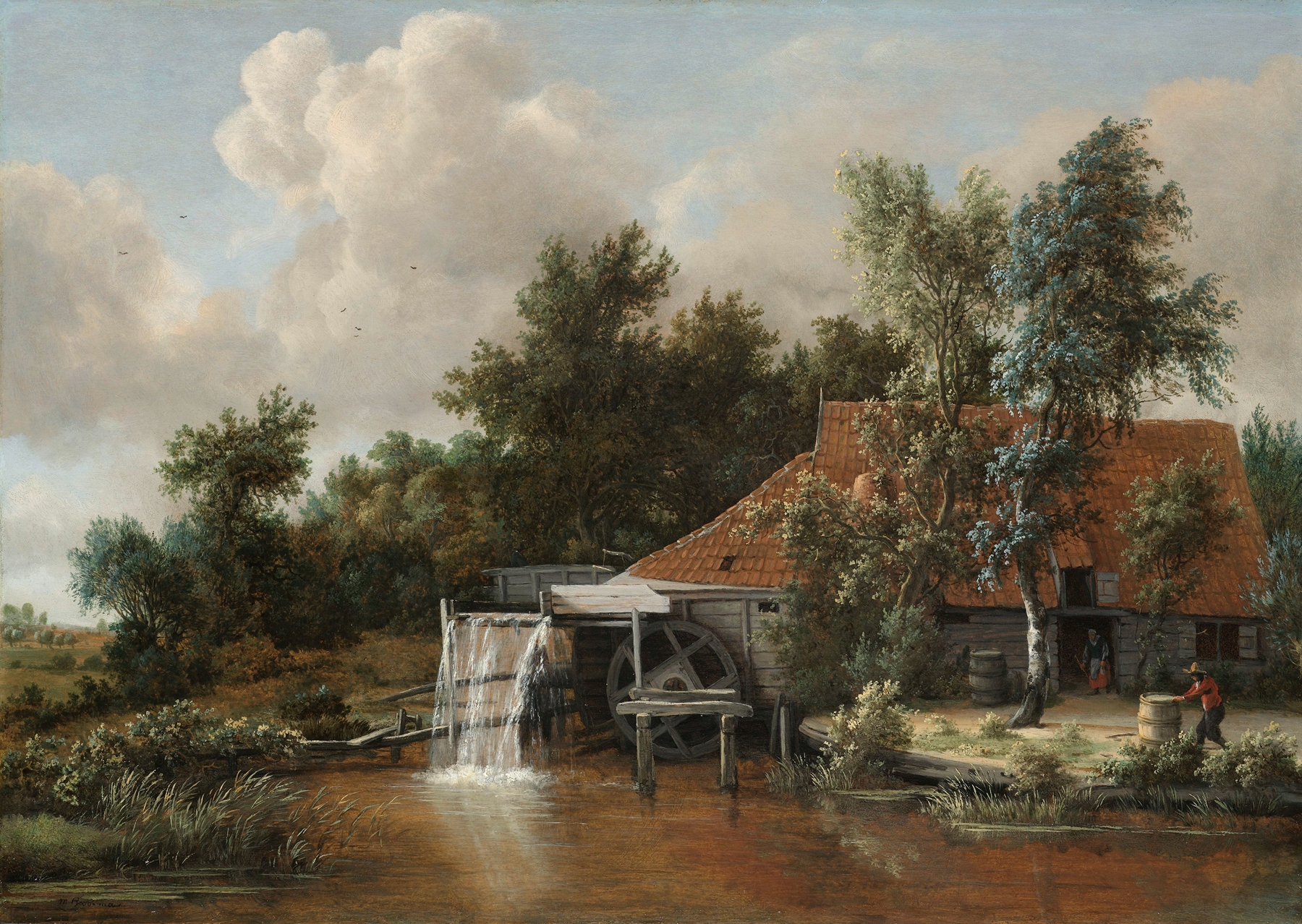
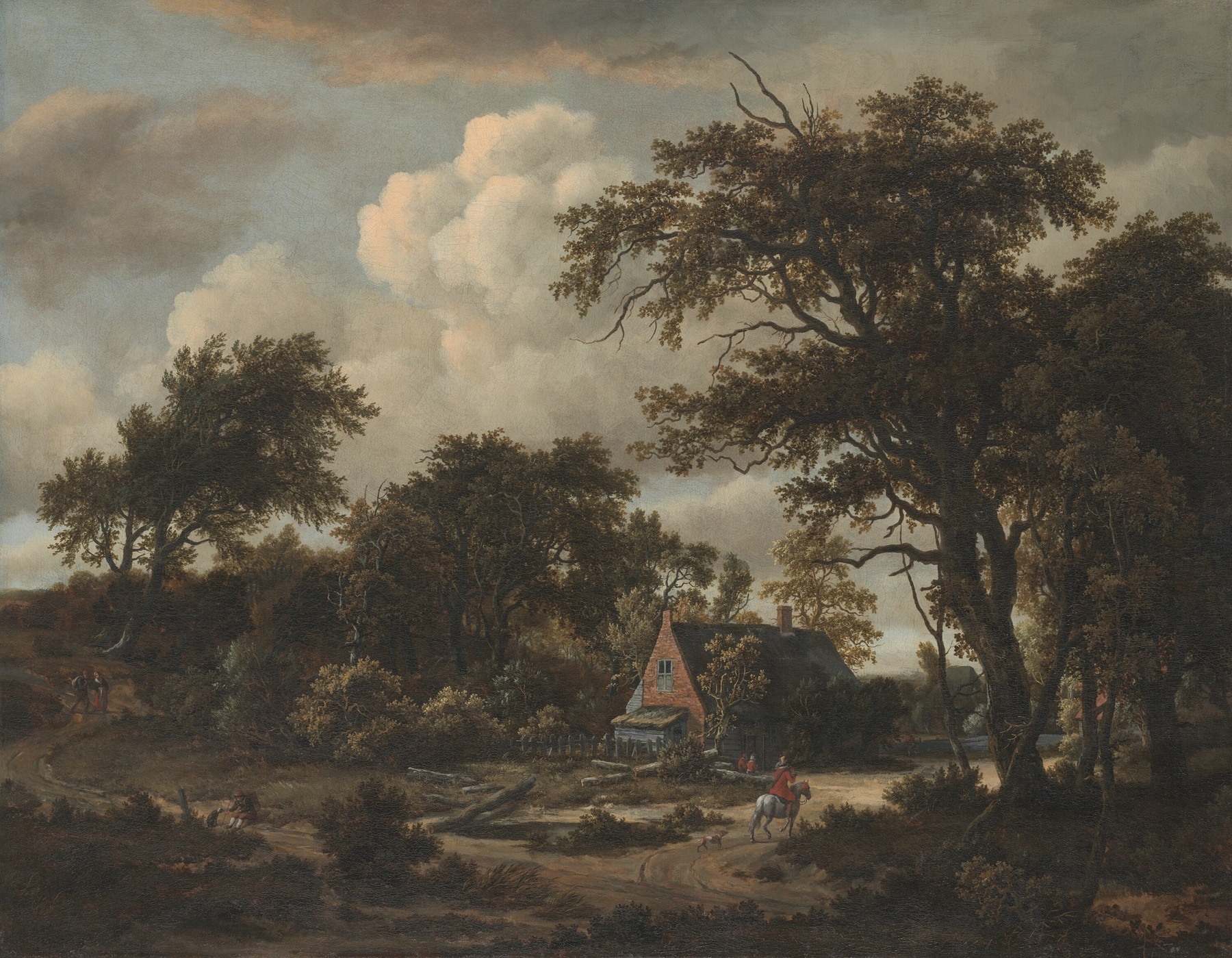
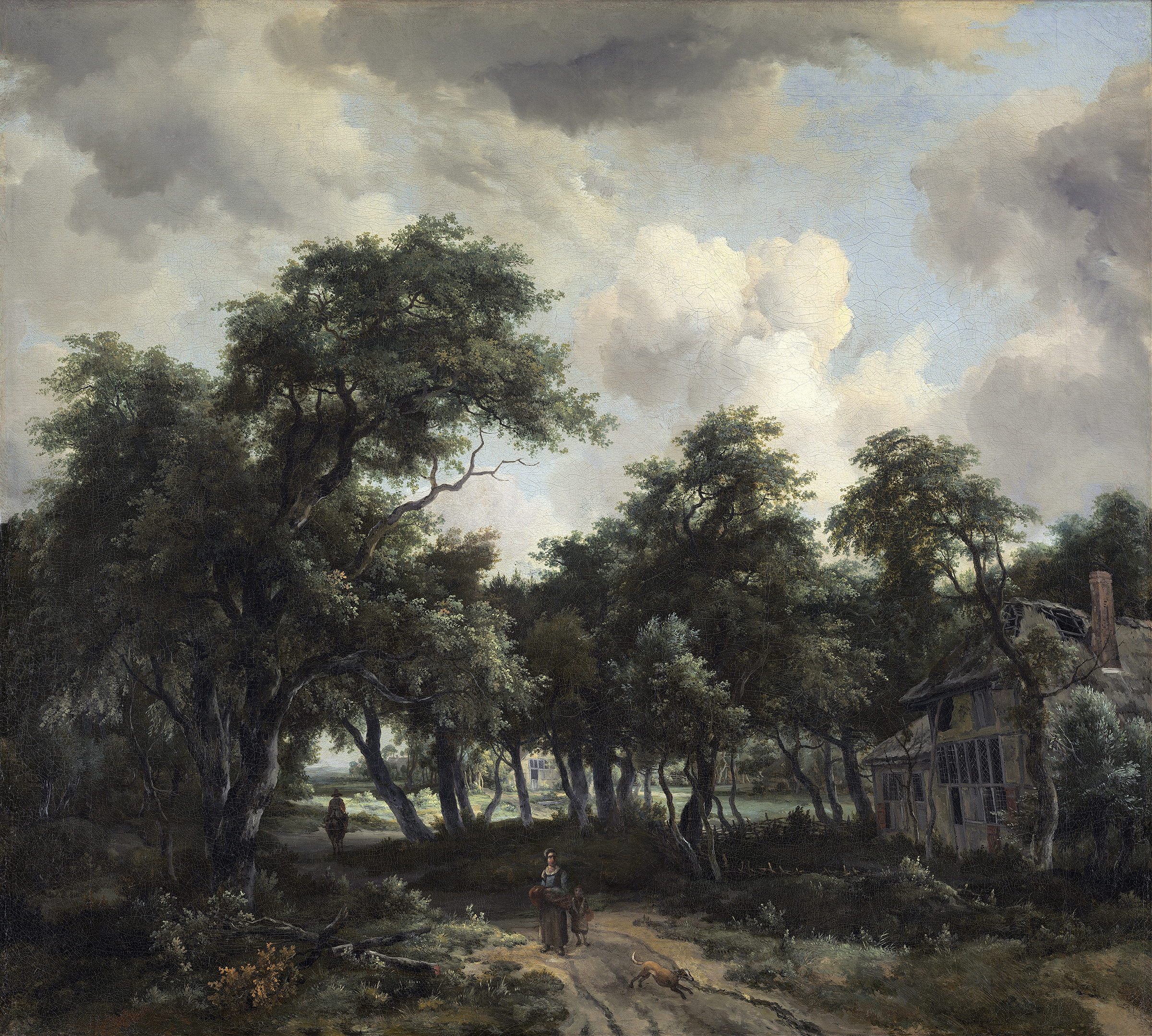
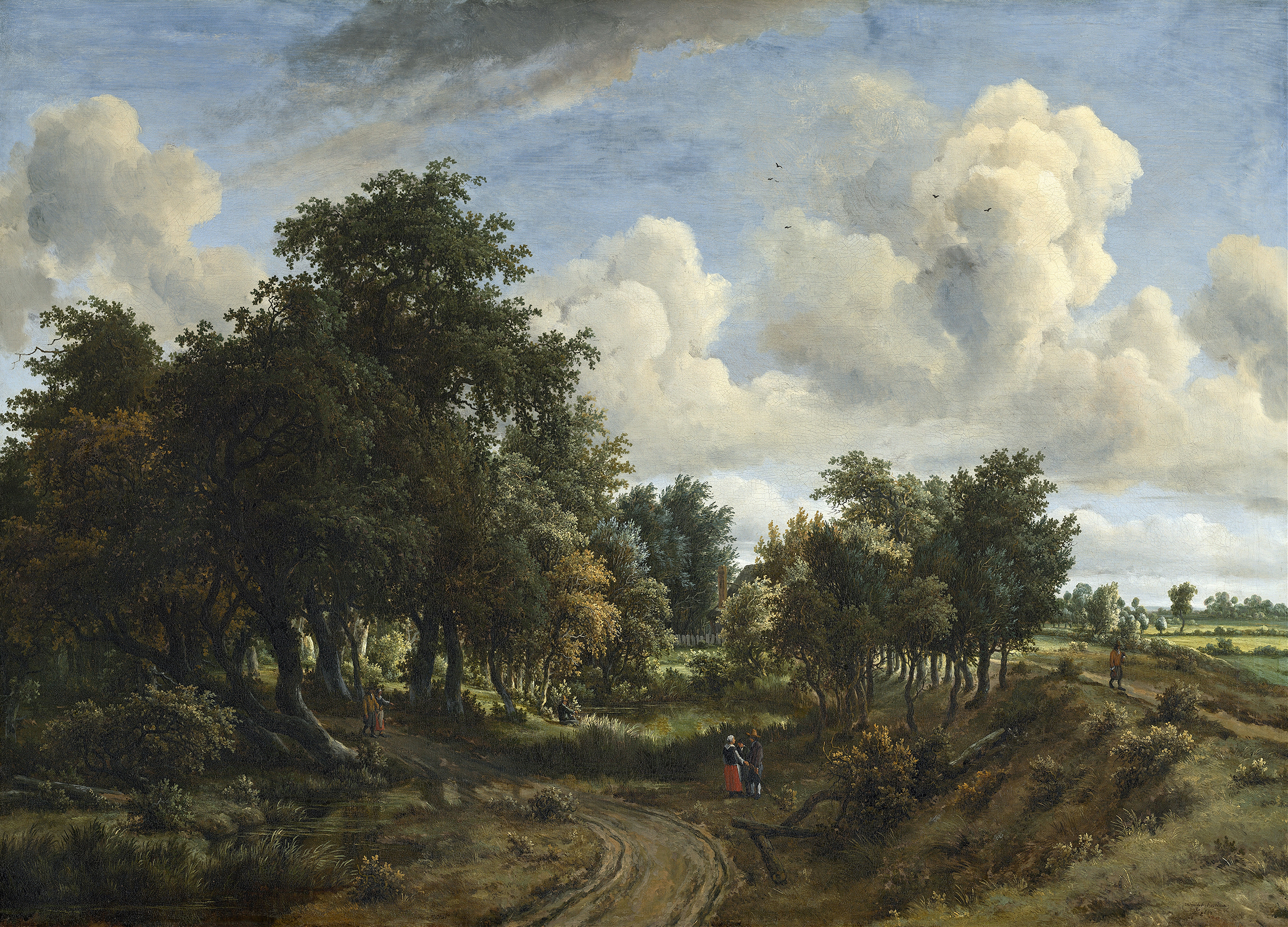
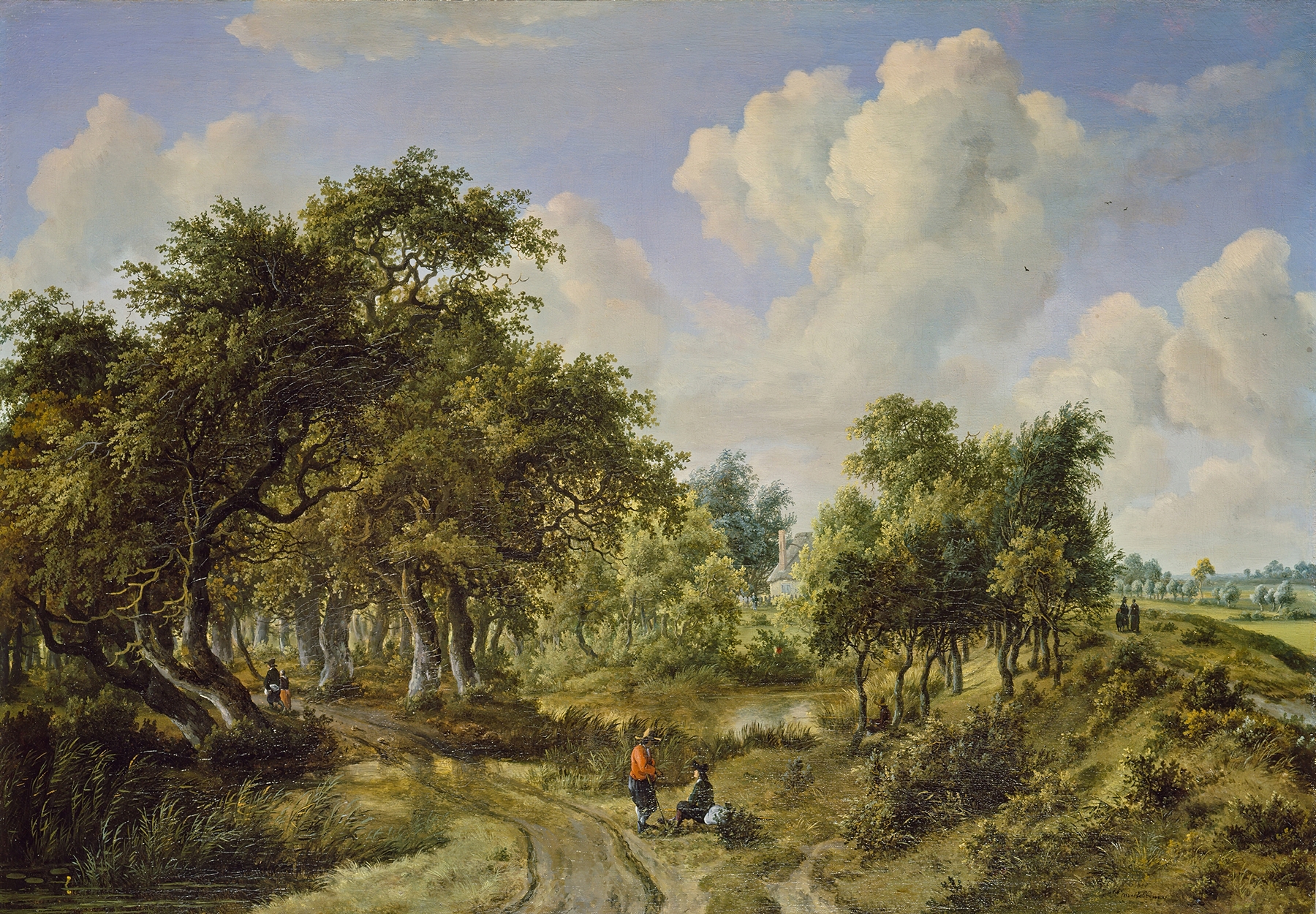
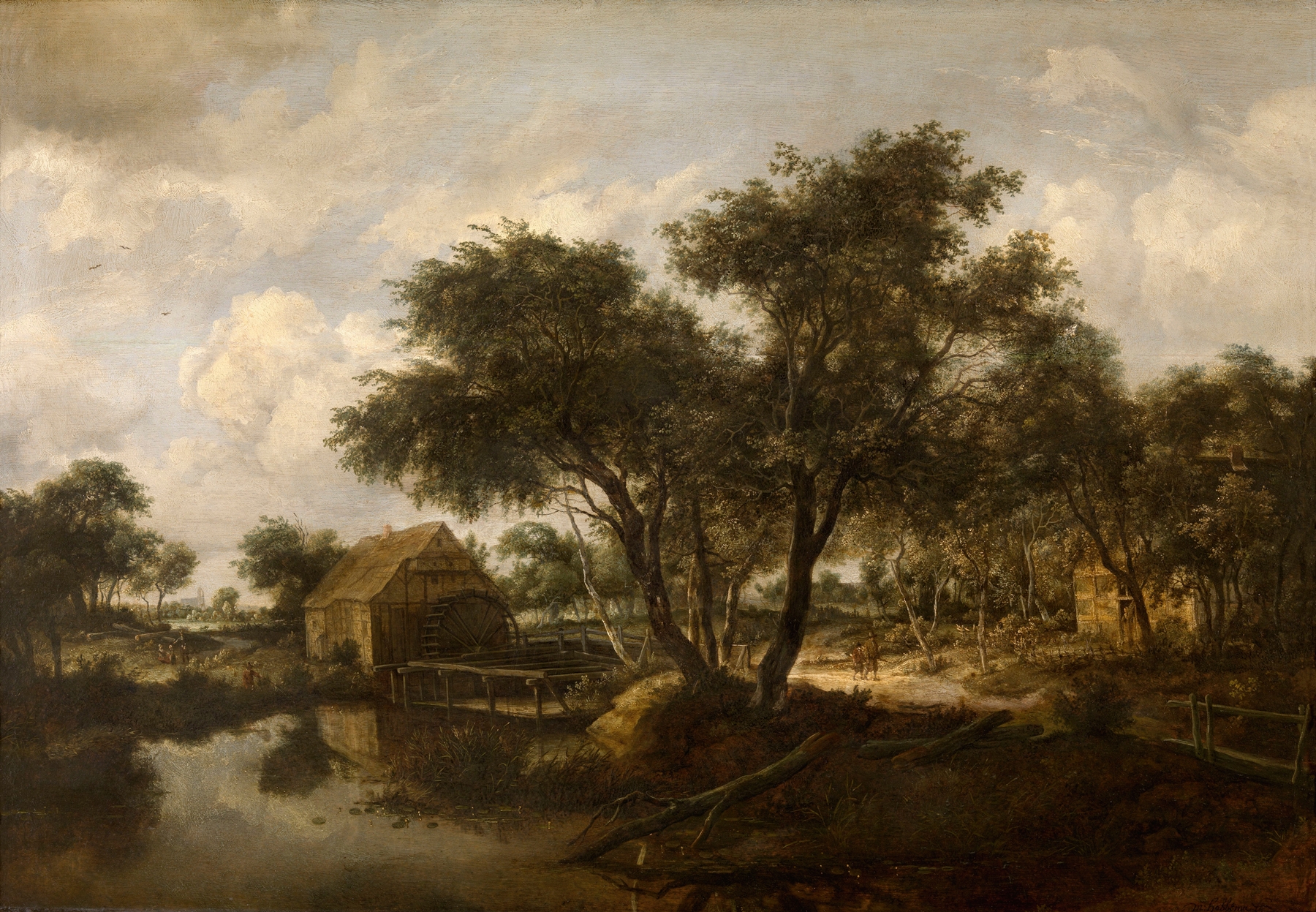
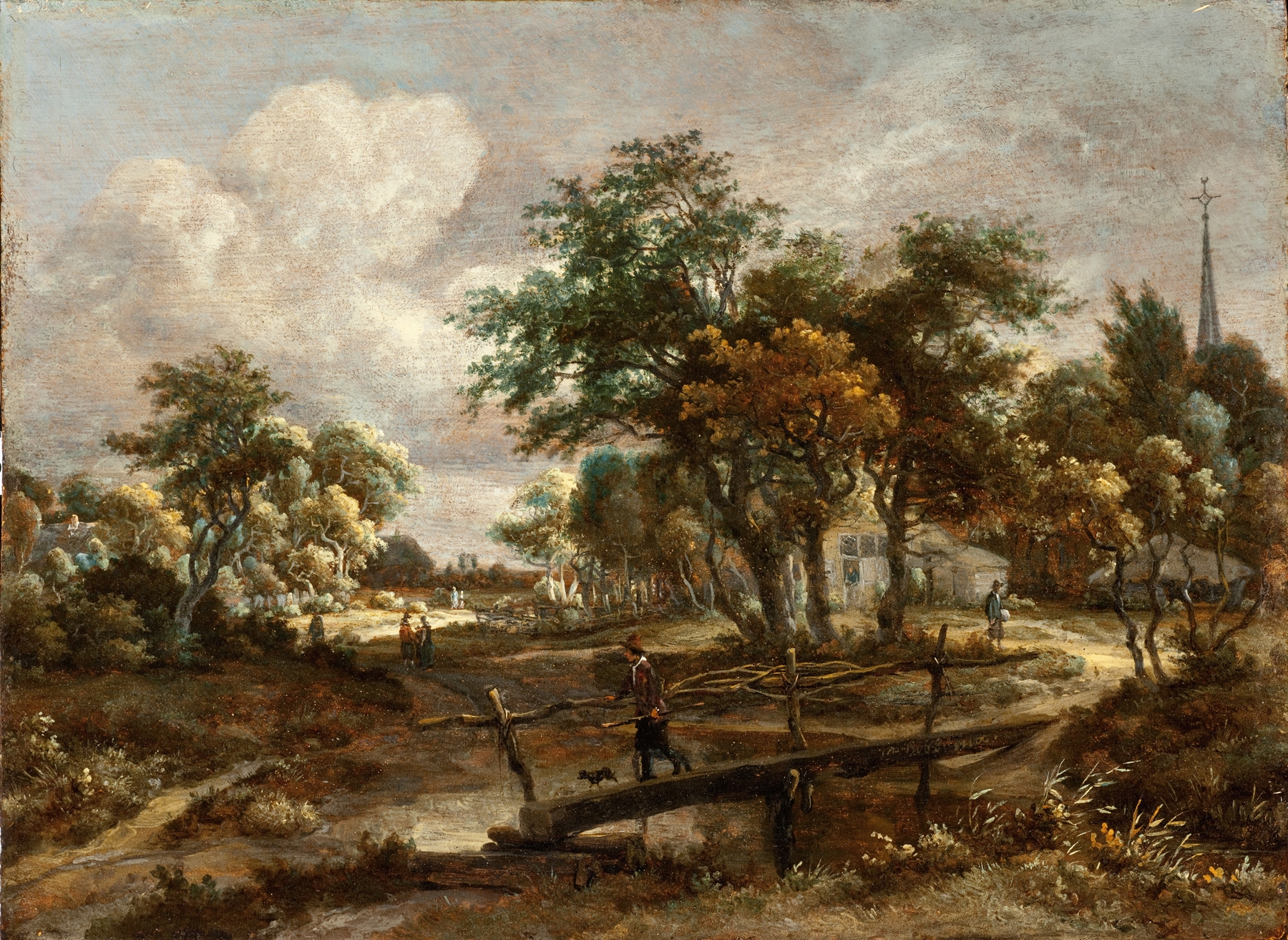
“Every brushstroke is a heartbeat remembered.” In a world where nature whispers secrets and time flows like a gentle stream, moments of rebirth await us in the lush strokes of a masterful landscape. Here lies a tranquil scene, inviting yet layered, embodying the cycle of life in the embrace of verdant greenery and soft light. Focus your gaze on the footbridge, gracefully arched over the placid water, the point where two realms converge. Notice how the sun filters through the trees, casting dappled shadows that dance over the surface, while the vibrant greens of the foliage pulse with life.
The composition draws the eye along the winding path, leading effortlessly from the foreground into the depths of the serene landscape, a journey both literal and metaphorical. Yet, this idyllic vision holds deeper meanings. The contrast between the sturdy bridge and the soft, flowing water suggests resilience against the passage of time, a metaphor for humanity's ongoing journey. The play of light hints at fleeting moments, evoking a sense of nostalgia and hope intertwined, as if the scene breathes with renewed purpose.
Each element, from the watchful trees to the soft ripples, serves as a reminder of nature's cycles—of endings that give way to new beginnings. Painted between 1664 and 1665, the artist captured this scene during a time when Dutch art was flourishing, characterized by its focus on landscapes infused with realism. Hobbema, known for his depictions of serene countryside, was deeply influenced by the prevailing Baroque style, which emphasized nature's beauty and tranquility amid a rapidly changing world. This work reflects not only his mastery of perspective and light but also the societal yearning for peace and harmony in an era marked by turmoil.