A Wooded Landscape — History & Analysis
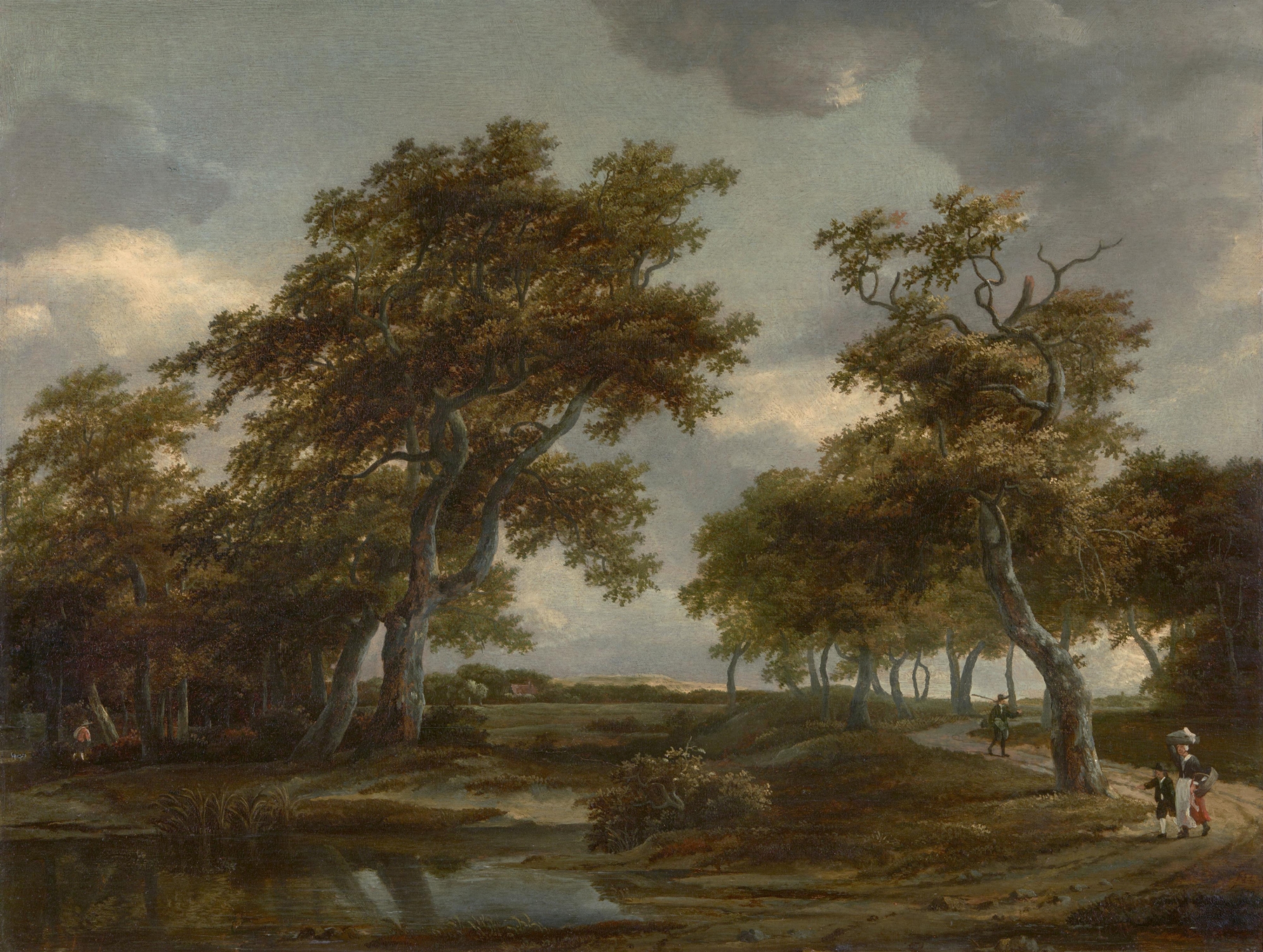
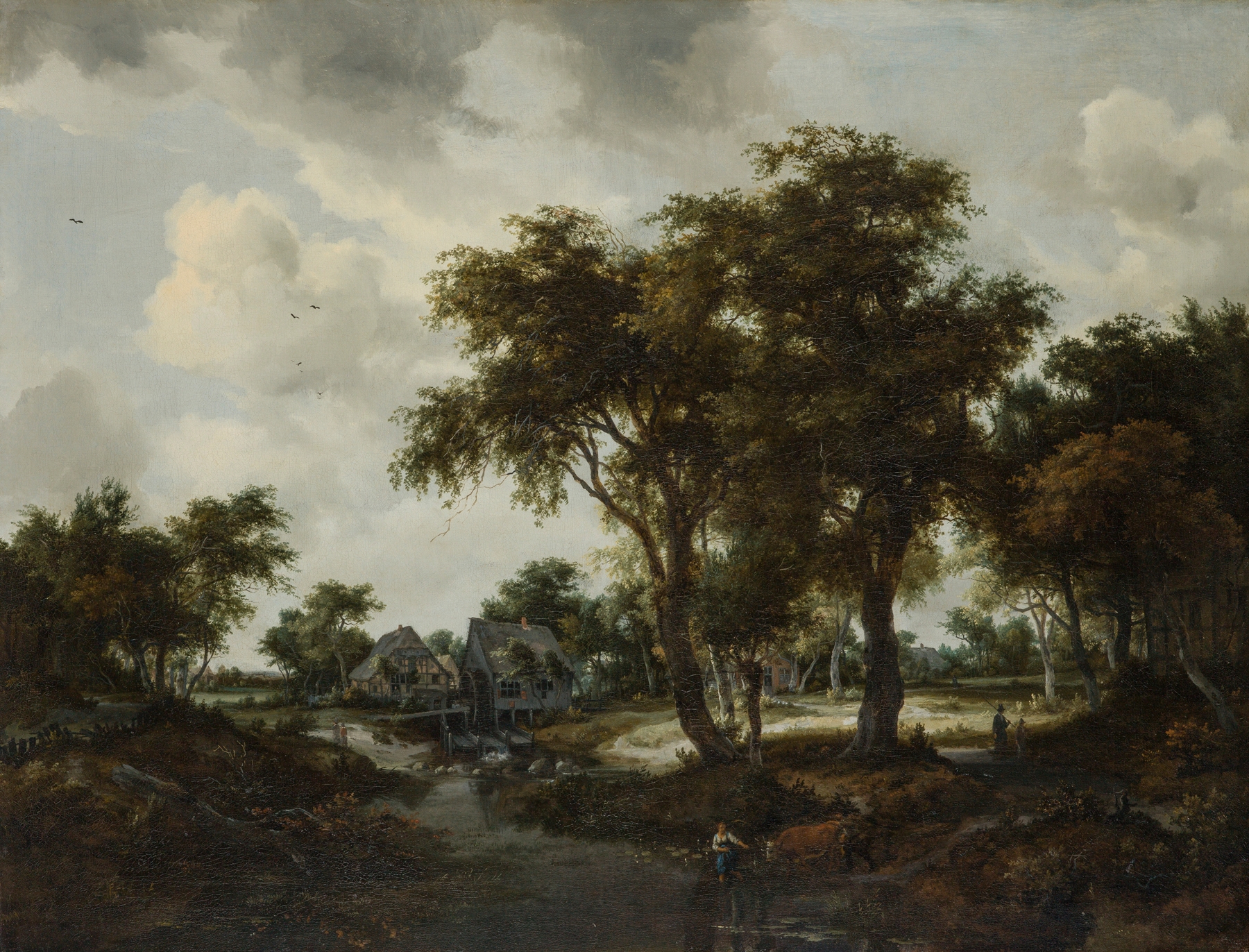
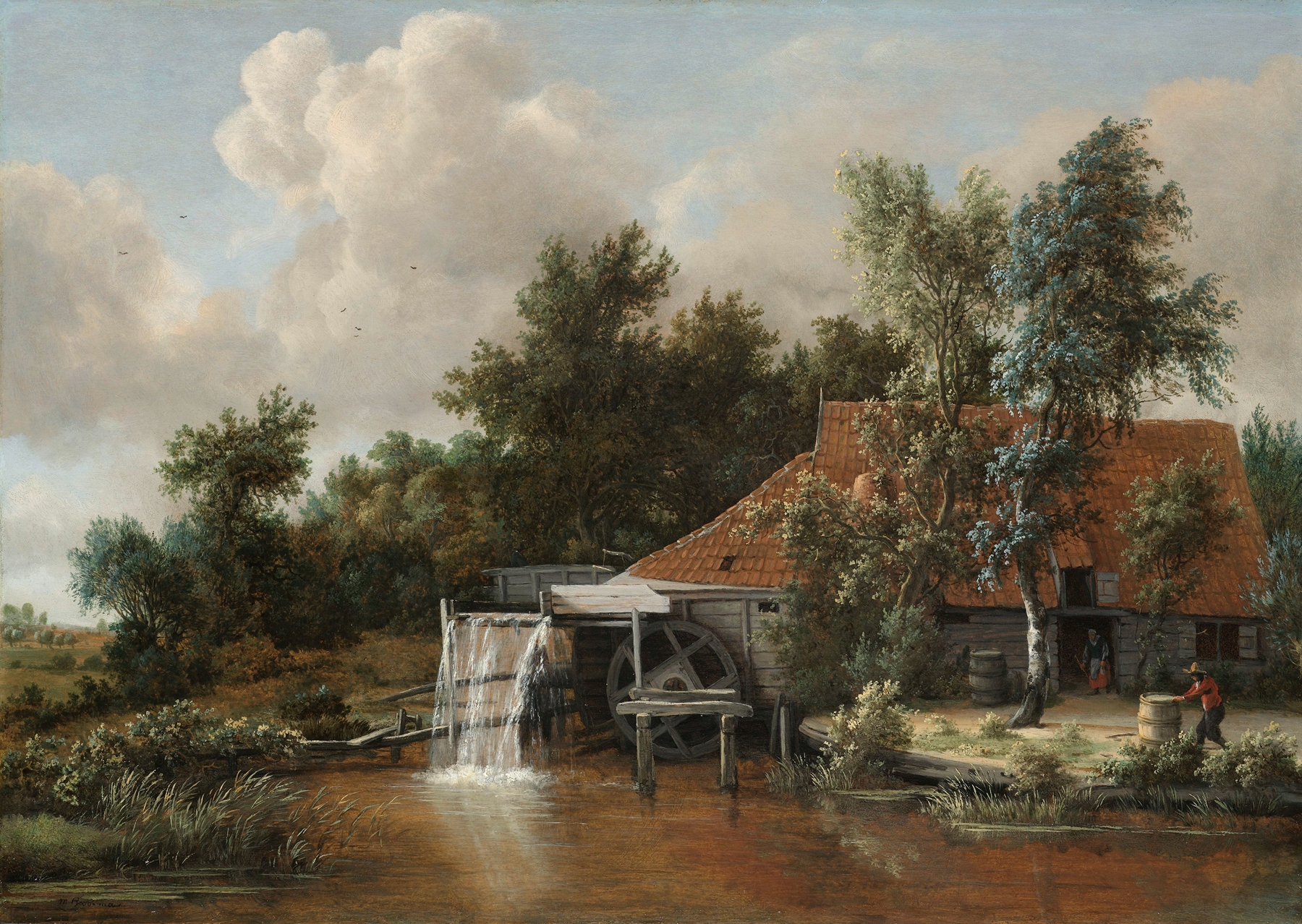
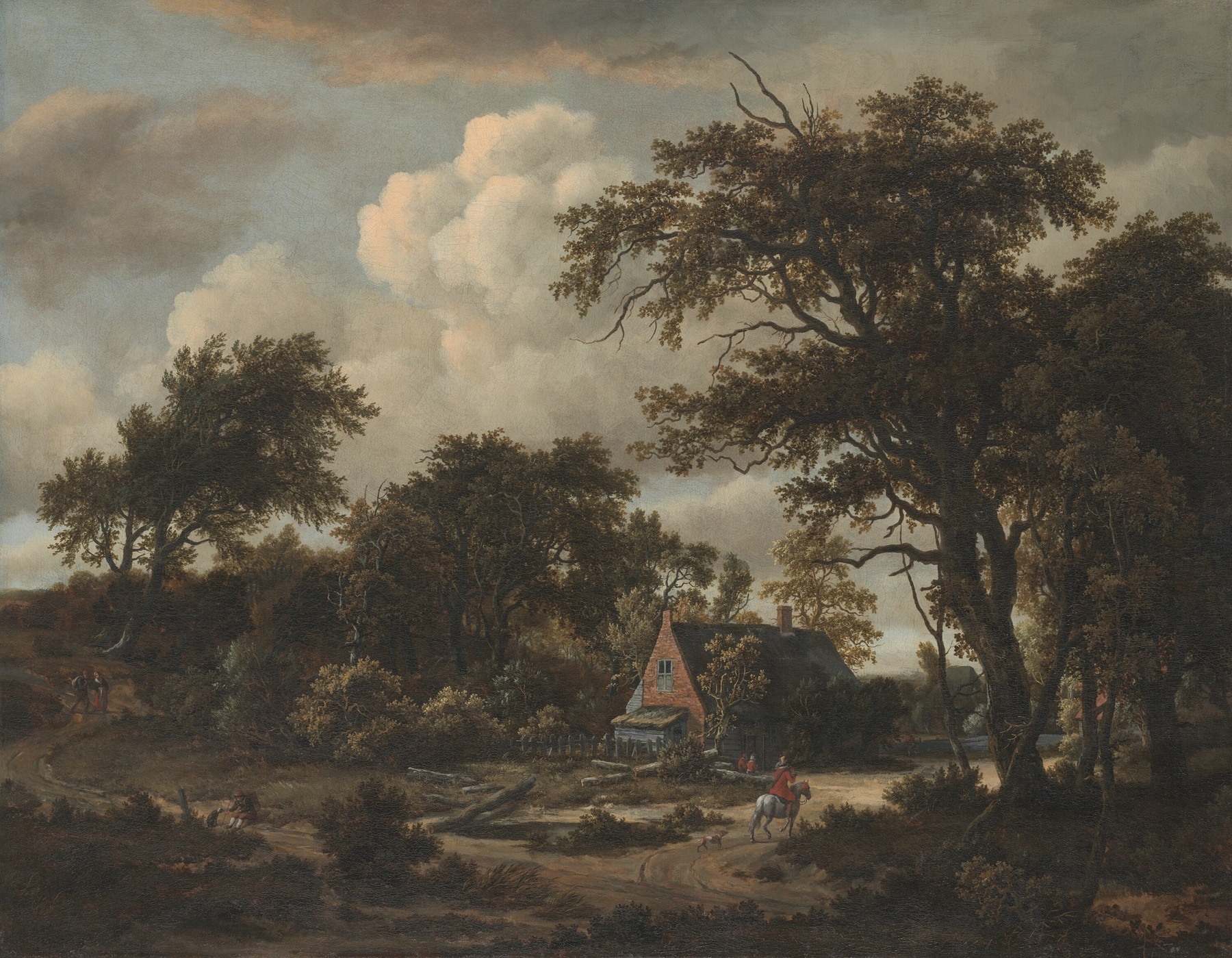
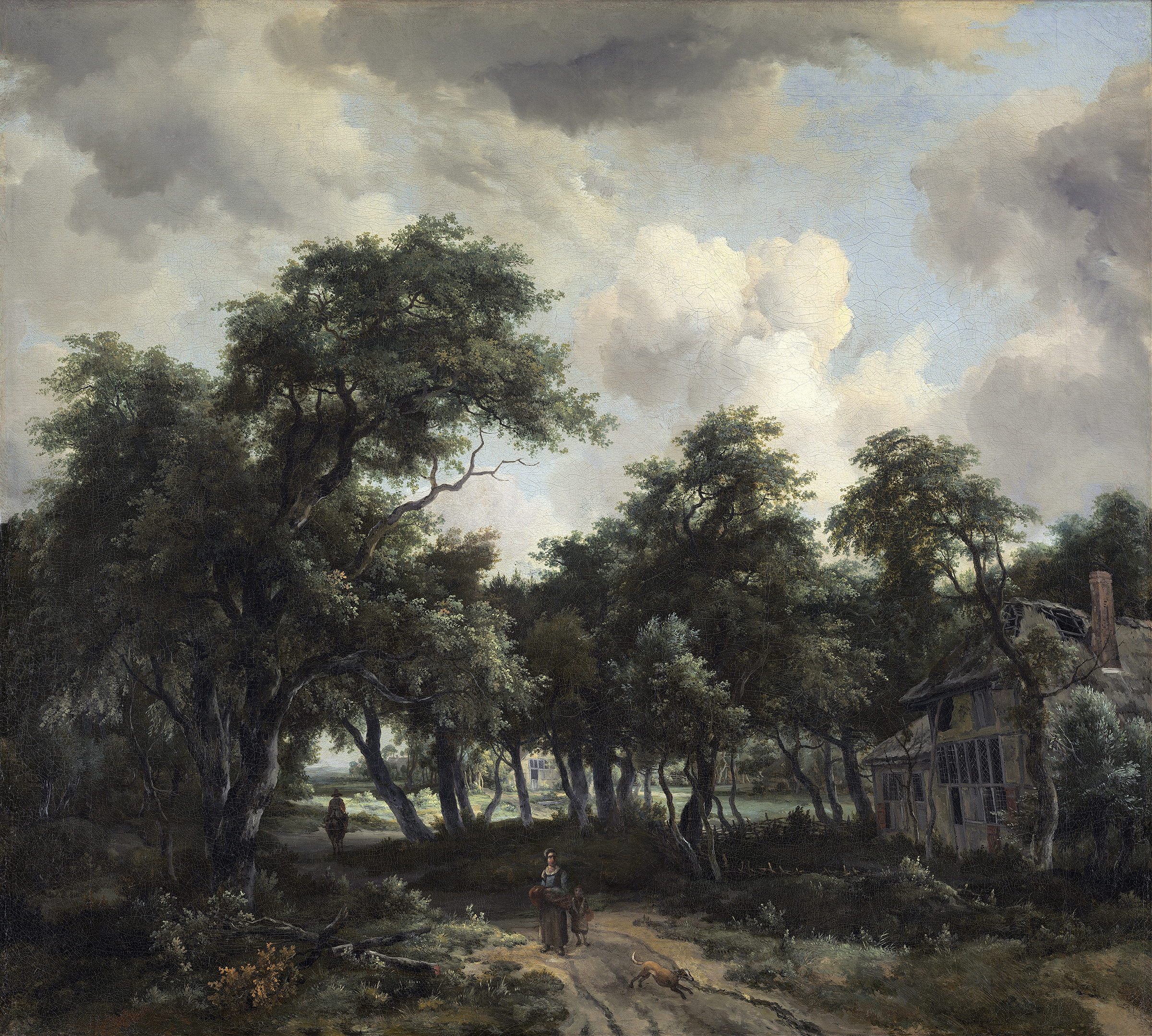
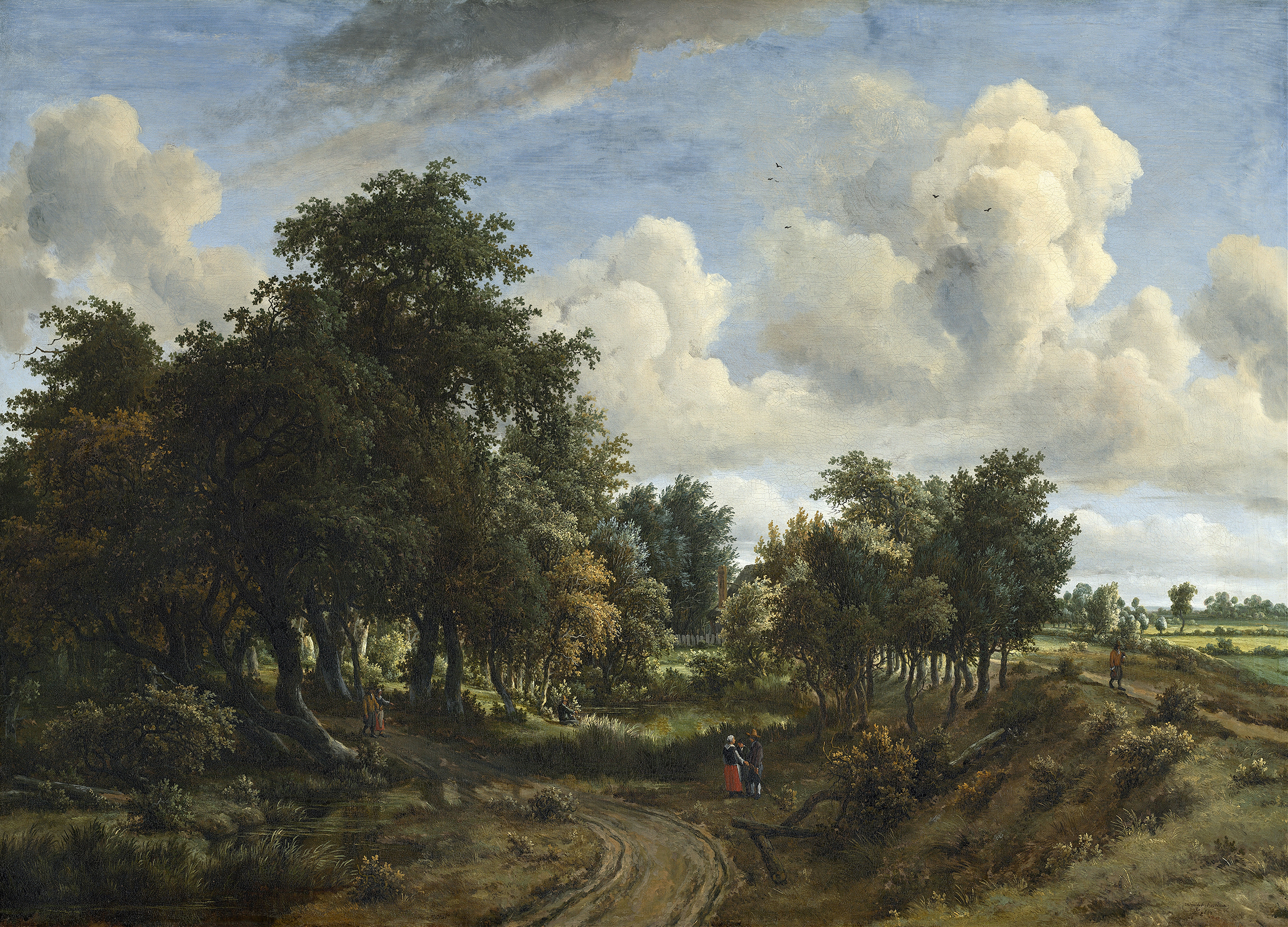
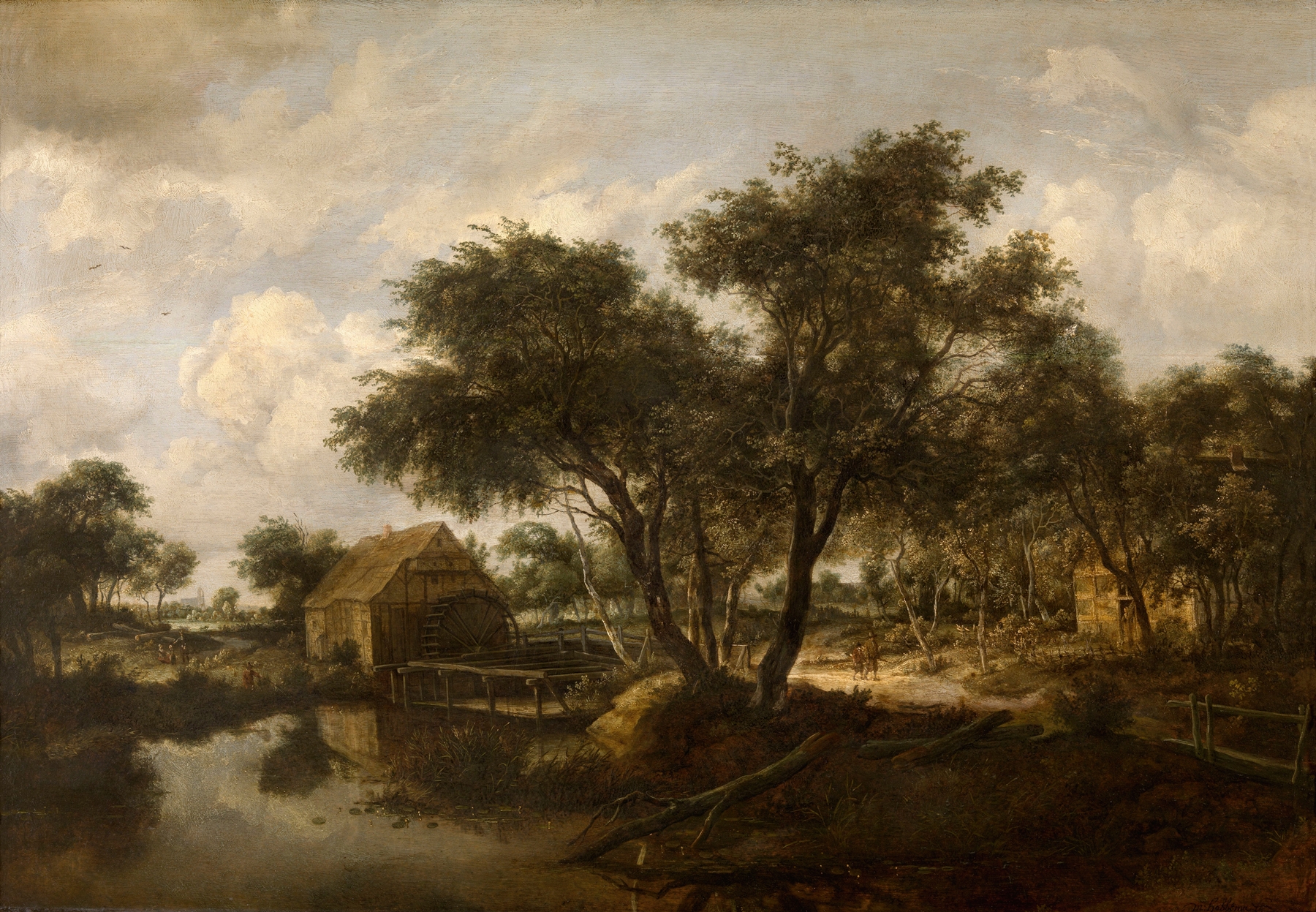
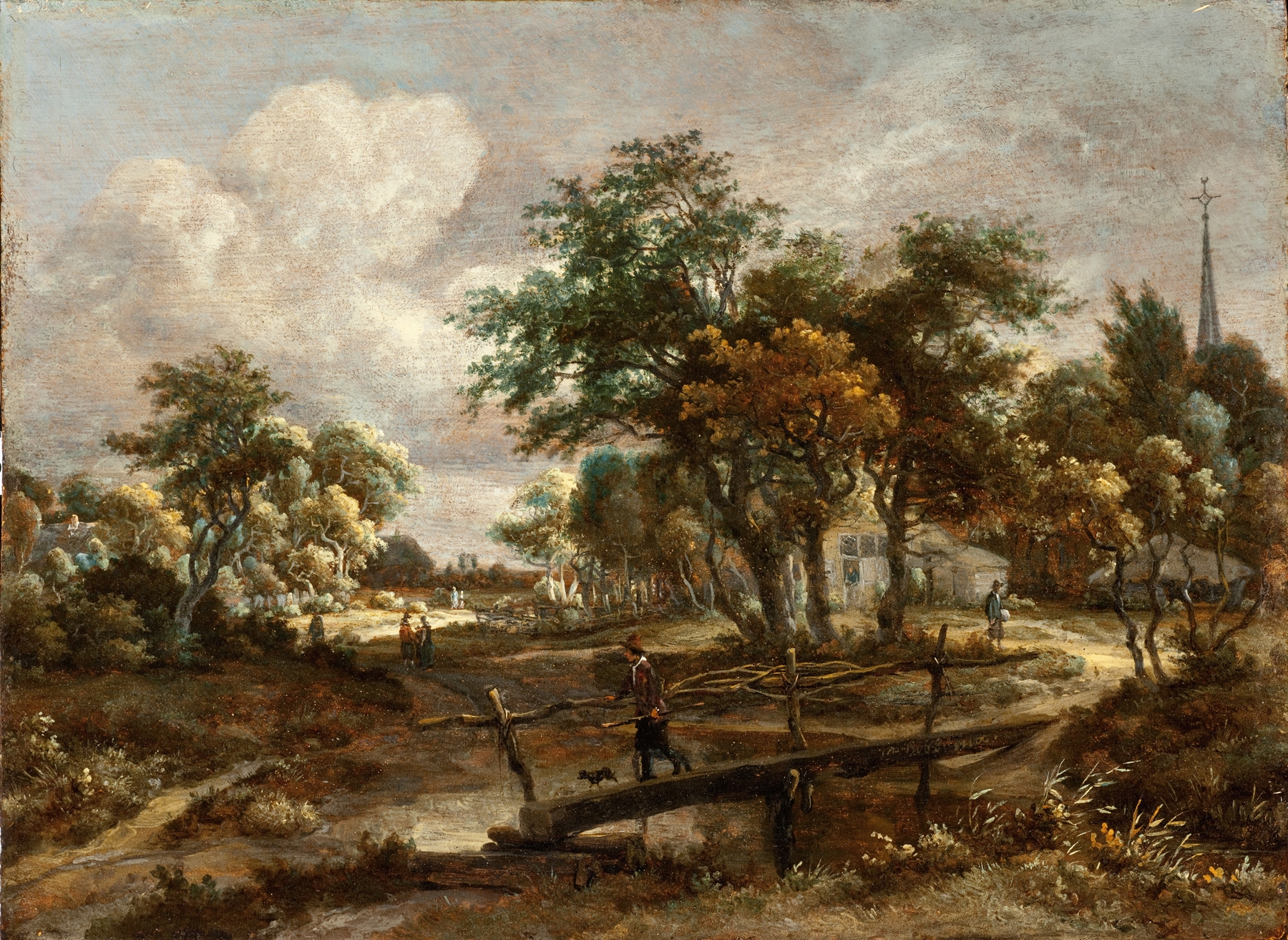
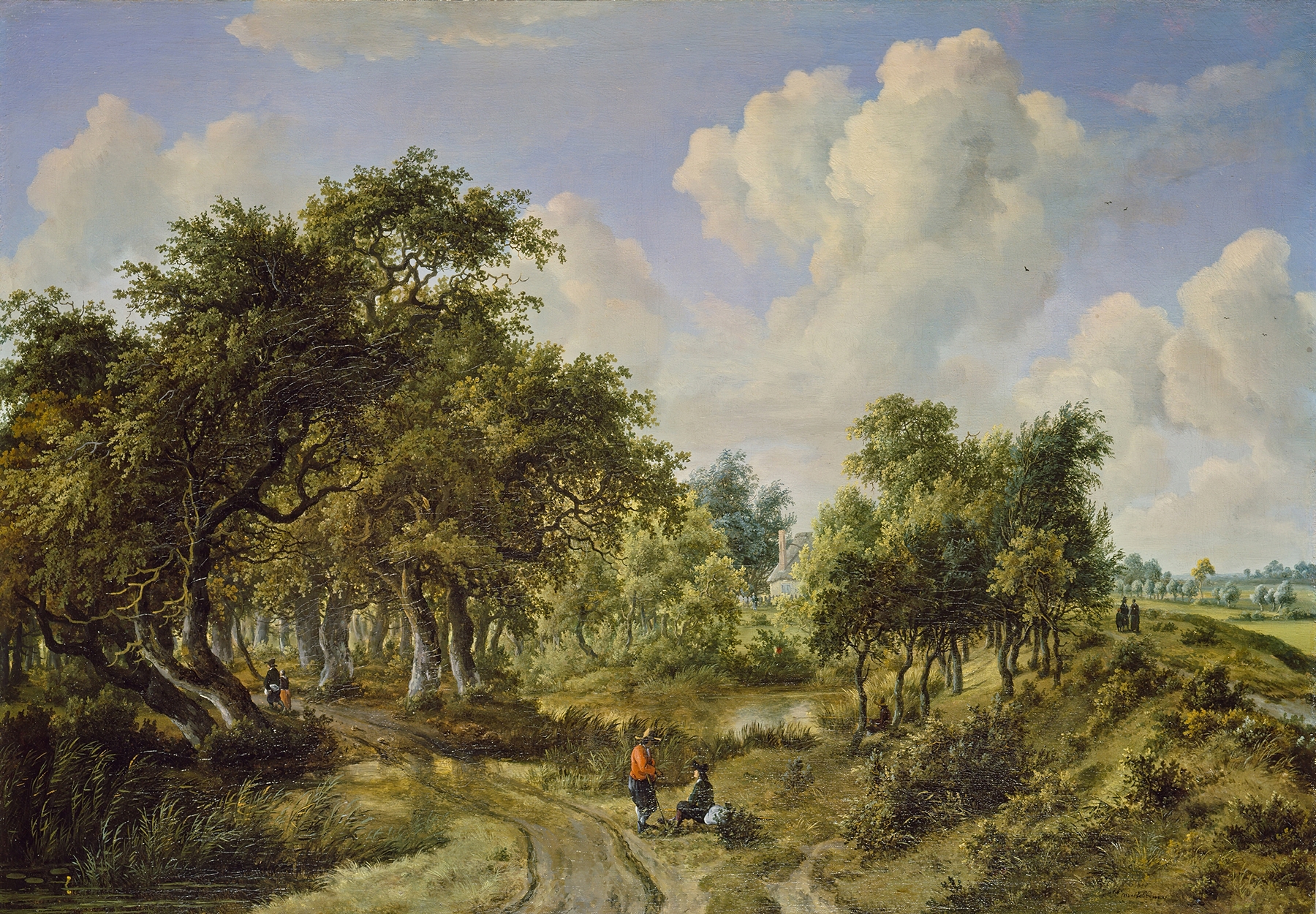
Can paint confess what words never could? In A Wooded Landscape, vivid strokes encapsulate the essence of memory—inviting viewers to wander through a realm where past and present converge. Look to the foreground, where the rich greens of the foliage beckon, a canopy of life above a tranquil brook. The trees, rendered with meticulous detail, stretch towards the sky, their textures alive with the play of light and shadow.
Notice how the sunlight filters through the leaves, creating a dappled effect that hints at movement and time—each branch cradling its own story, each blade of grass a whisper of days long gone. As you explore further, uncover the contrasts woven into the scene: the vibrancy of nature juxtaposed with the quiet stillness of the water. The reflections on the surface suggest a longing, a desire to hold onto transient moments. Hobbema’s choice of palette, dominated by earthy tones interspersed with glimmers of gold, evokes a nostalgic warmth, stirring emotions of both connection and solitude that resonate deeply within the viewer.
In the heart of the Dutch Golden Age, A Wooded Landscape was painted around 1663 when Hobbema was in his thirties, living in Amsterdam. This period was marked by an increasing admiration for landscapes that mirrored the simplicity and beauty of rural life. The artist’s own experiences shaped his work, as the burgeoning market for such paintings allowed him to explore the serene and romantic aspects of the natural world amidst a rapidly changing society.