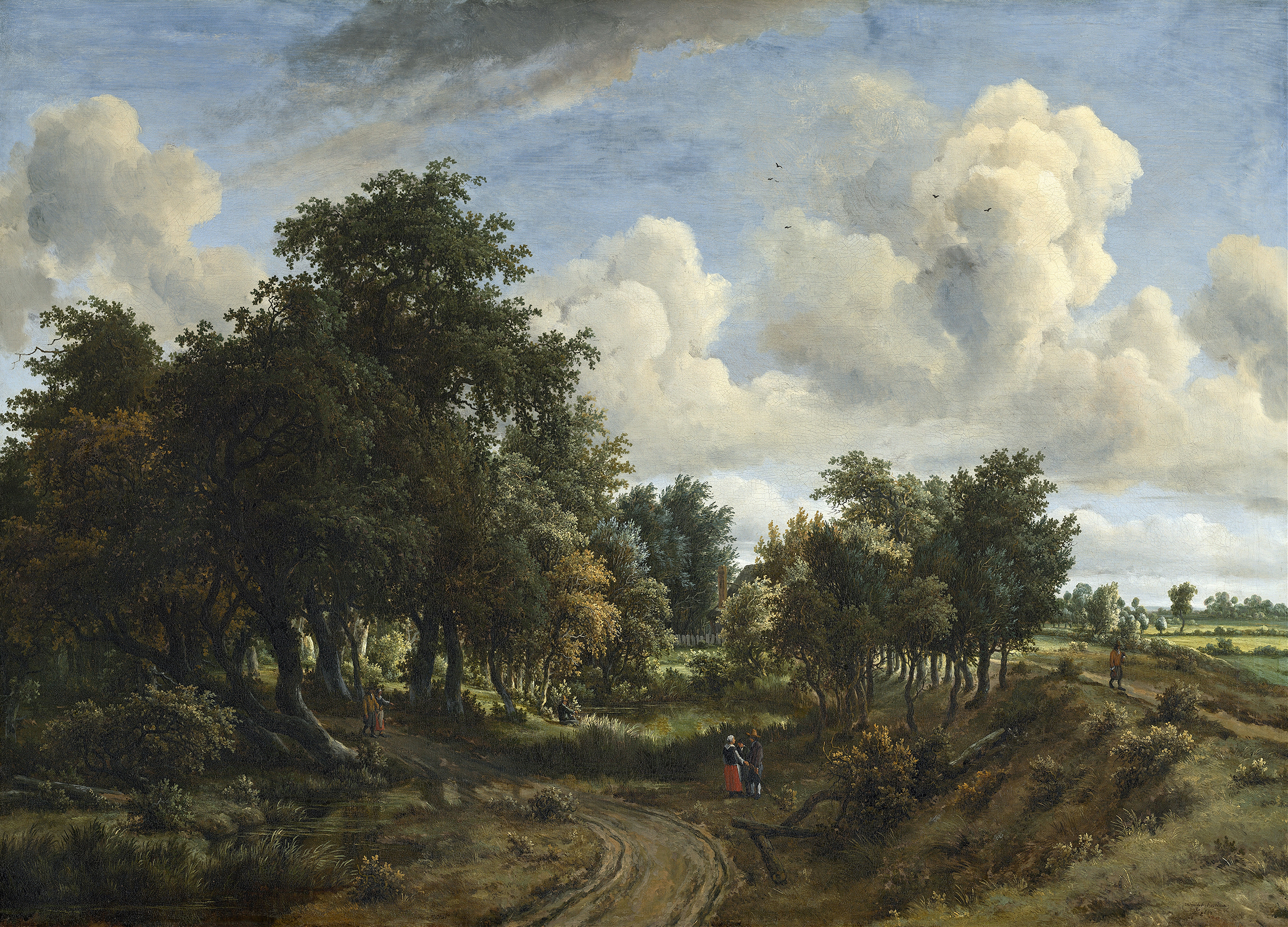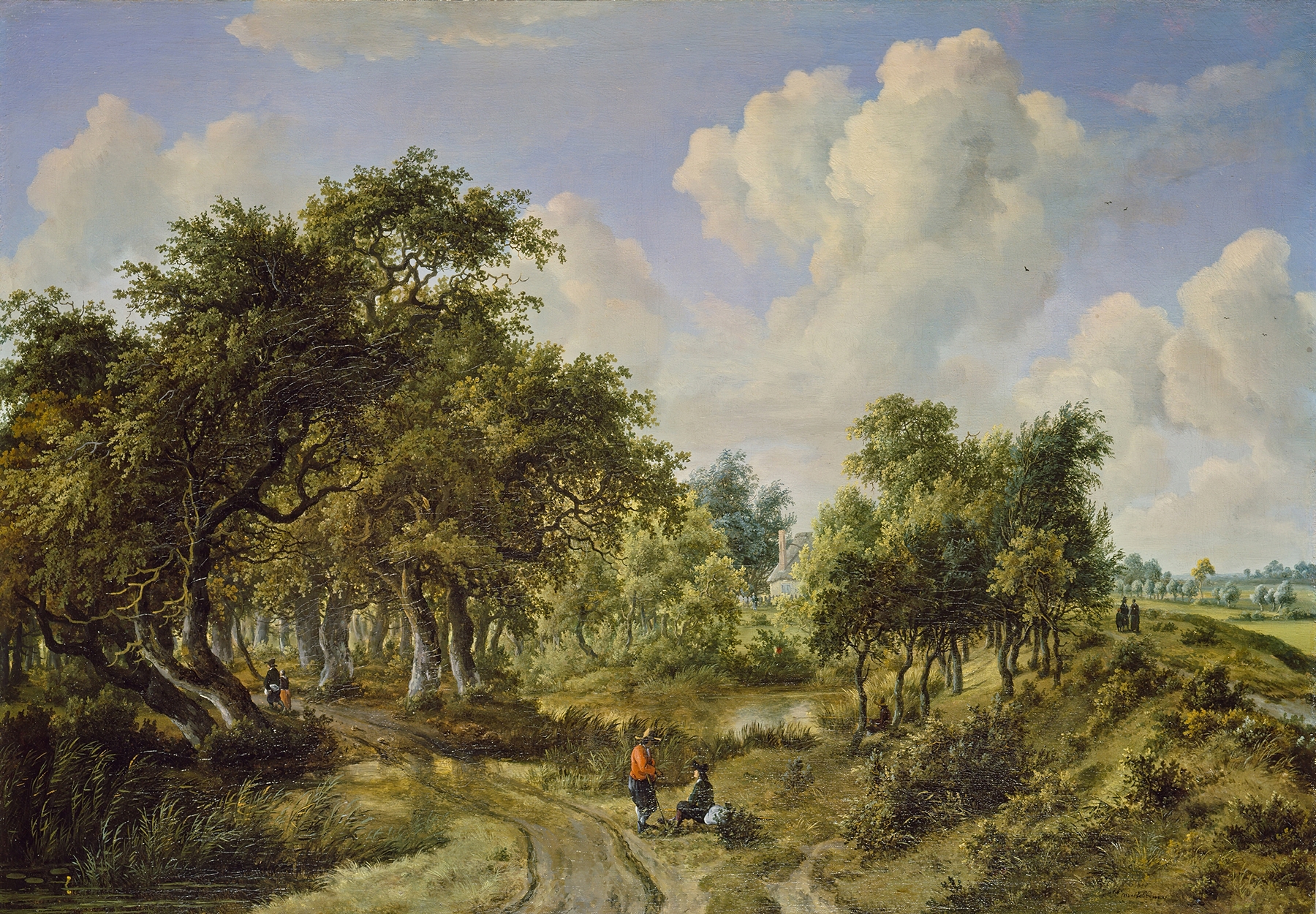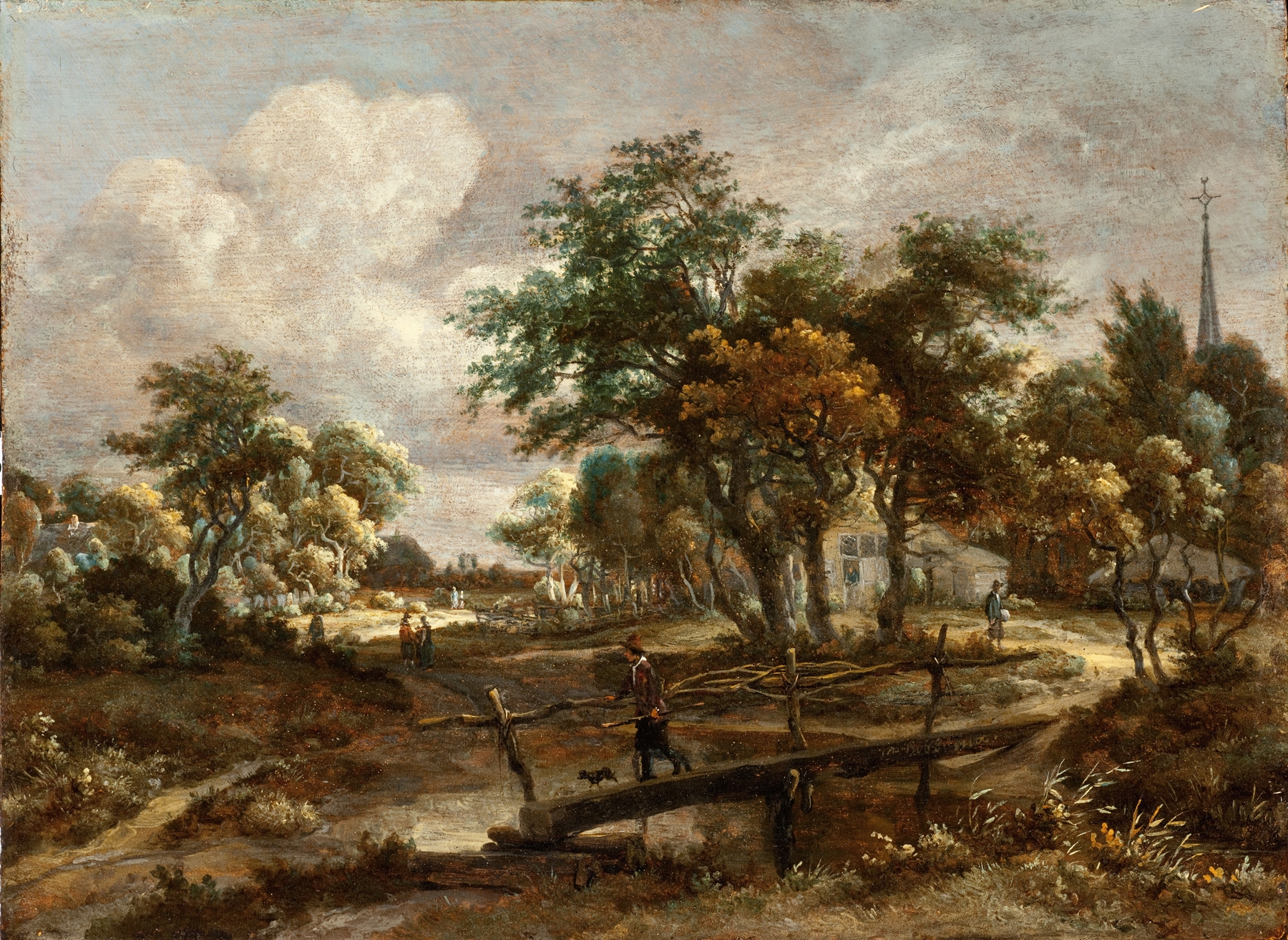
Water Mill — History & Analysis
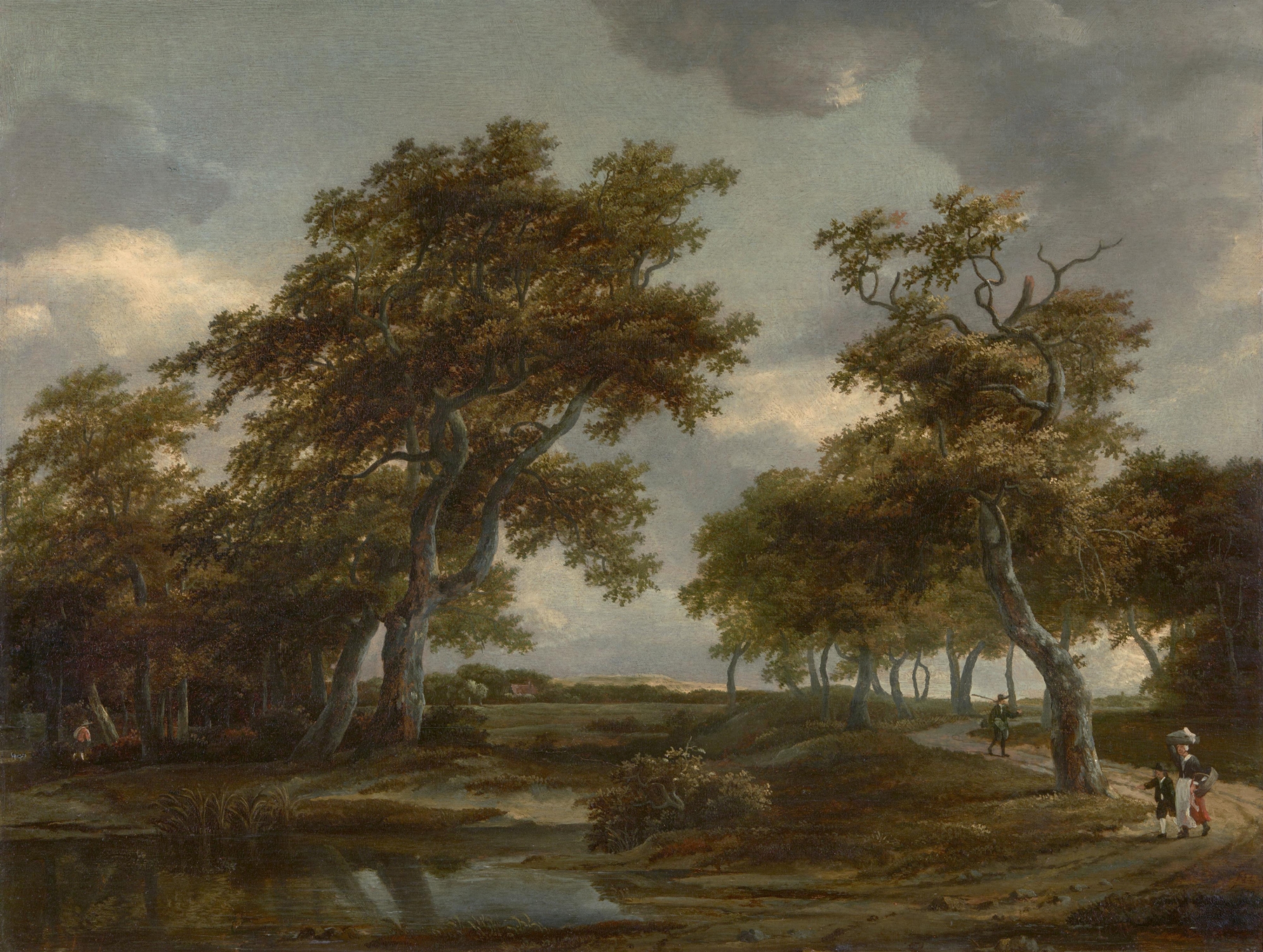
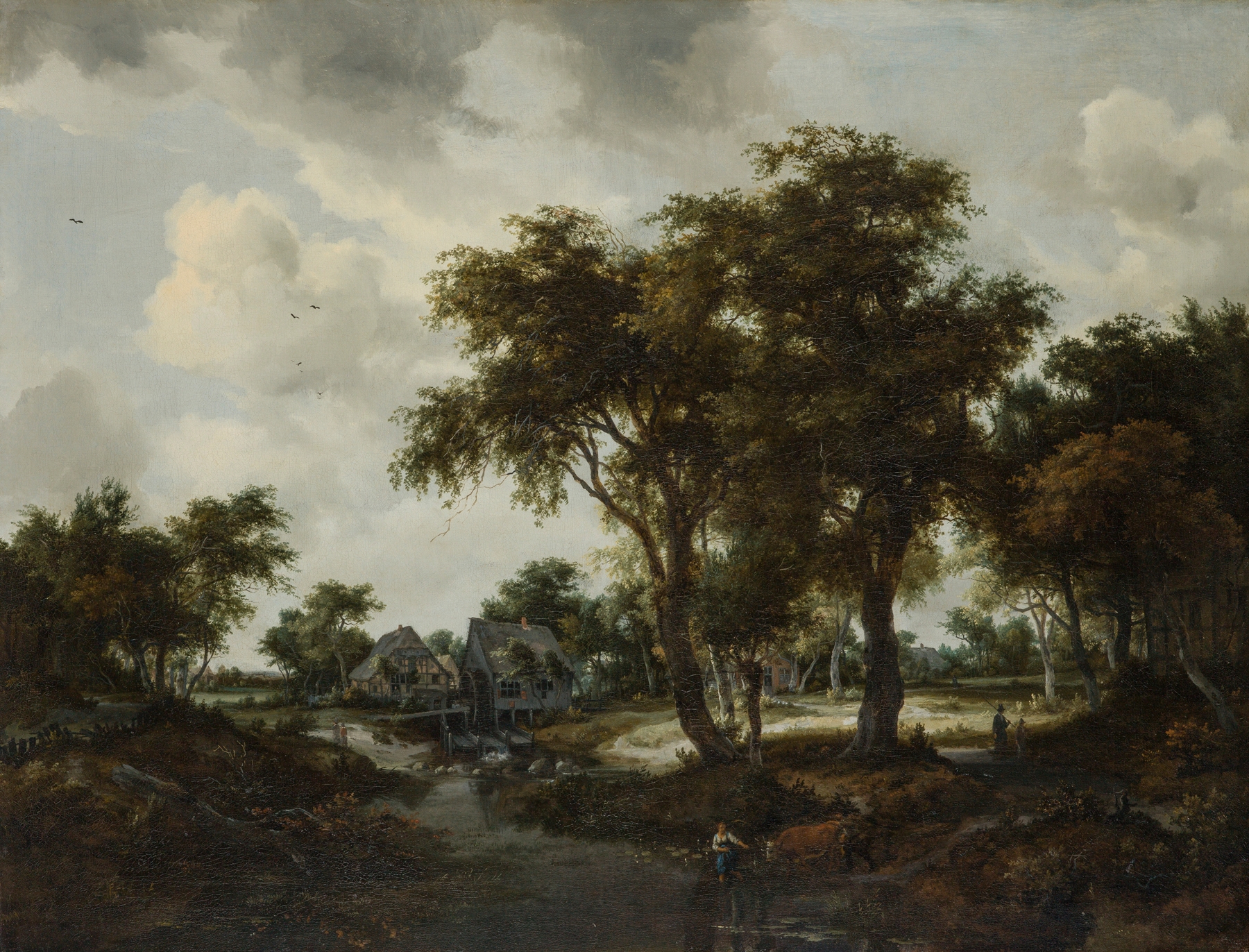
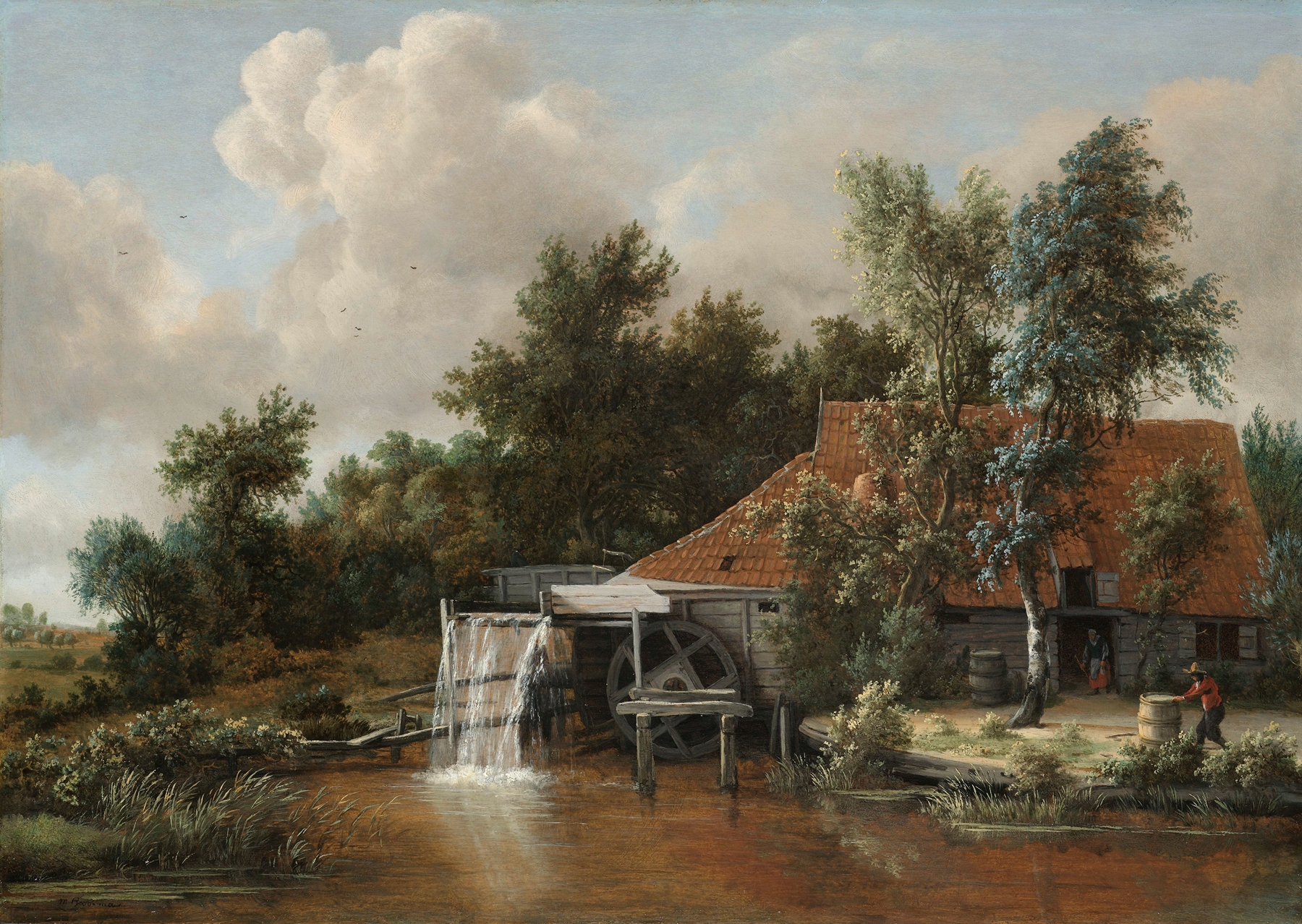
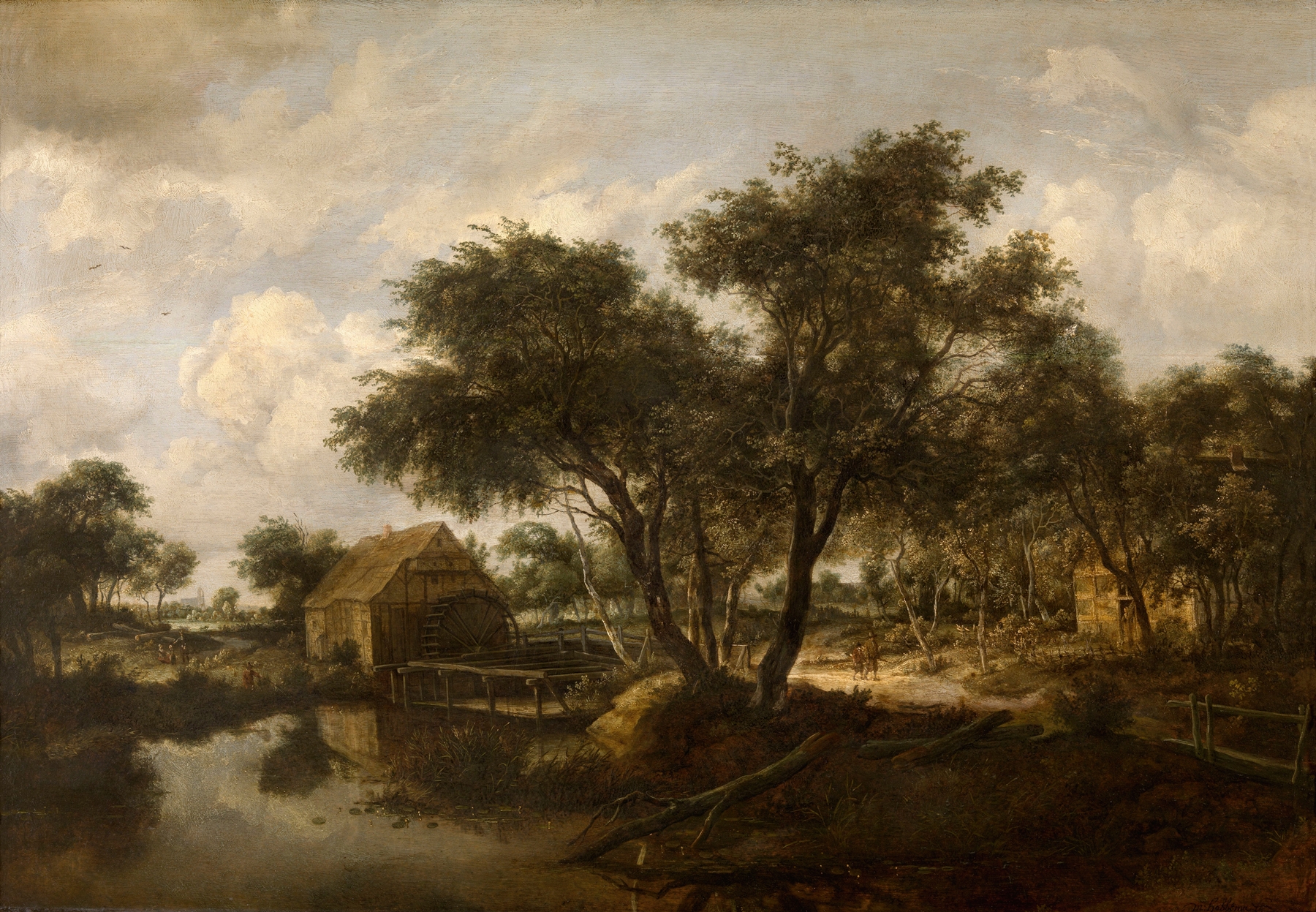
Could beauty survive in a century of chaos? In the serene landscape of Water Mill, the question lingers like the gentle ripples on the pond’s surface, inviting contemplation amid the storms of history. Look to the left at the rustic water mill, its sturdy structure grounded in tranquil harmony with the surrounding nature. The soft, dappled light filtering through the lush trees plays upon its weathered beams, casting elongated shadows that stretch across the grassy bank.
Notice how the artist employs rich greens and earthy browns, grounding the scene while the glimmer of water reflects hints of blue and gold, offering a delicate contrast to the solidity of the mill itself. The juxtaposition of the natural beauty and human craftsmanship speaks volumes. The mill represents industriousness and tradition, yet the surrounding environment breathes life into it, suggesting a symbiotic relationship between humanity and nature.
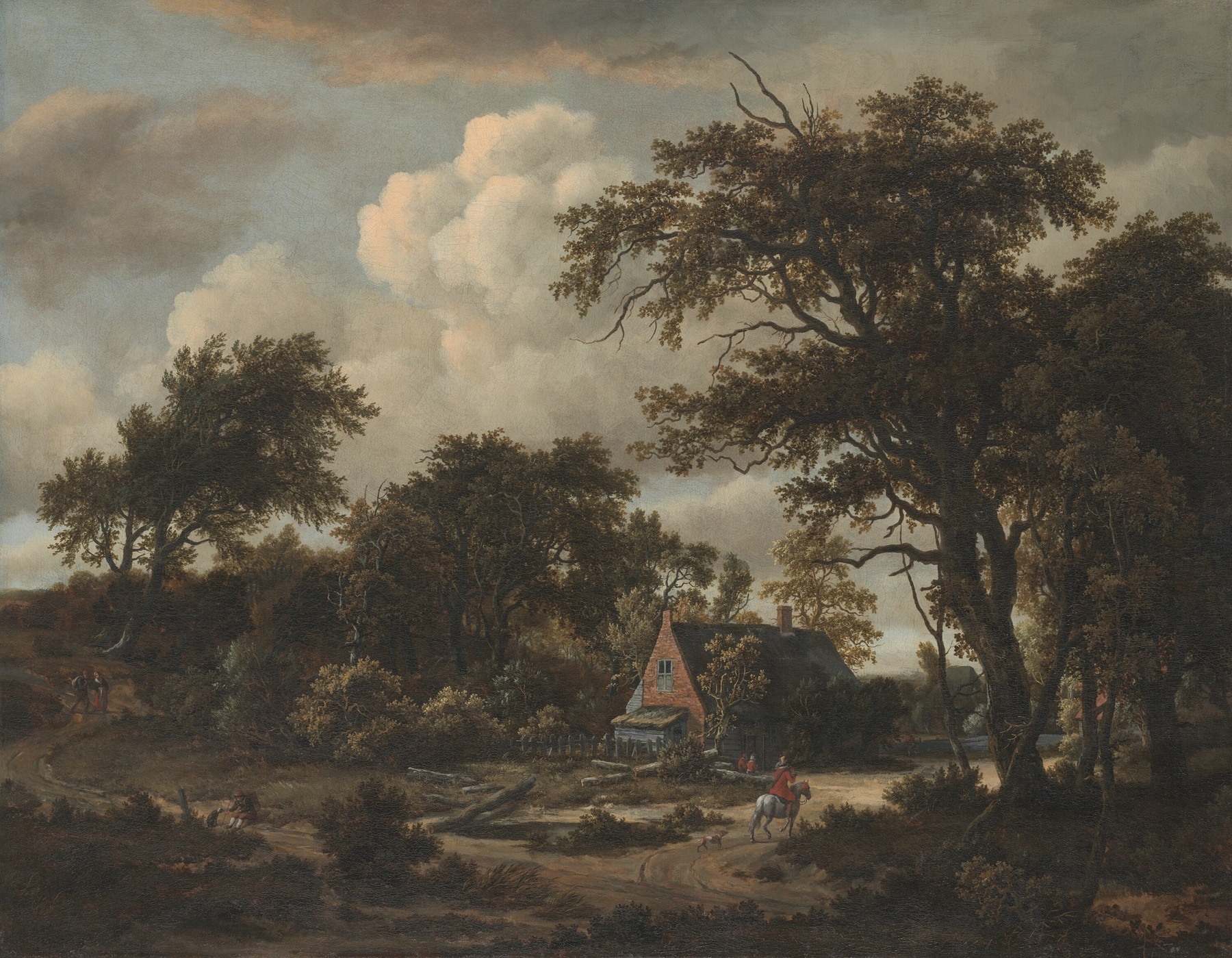
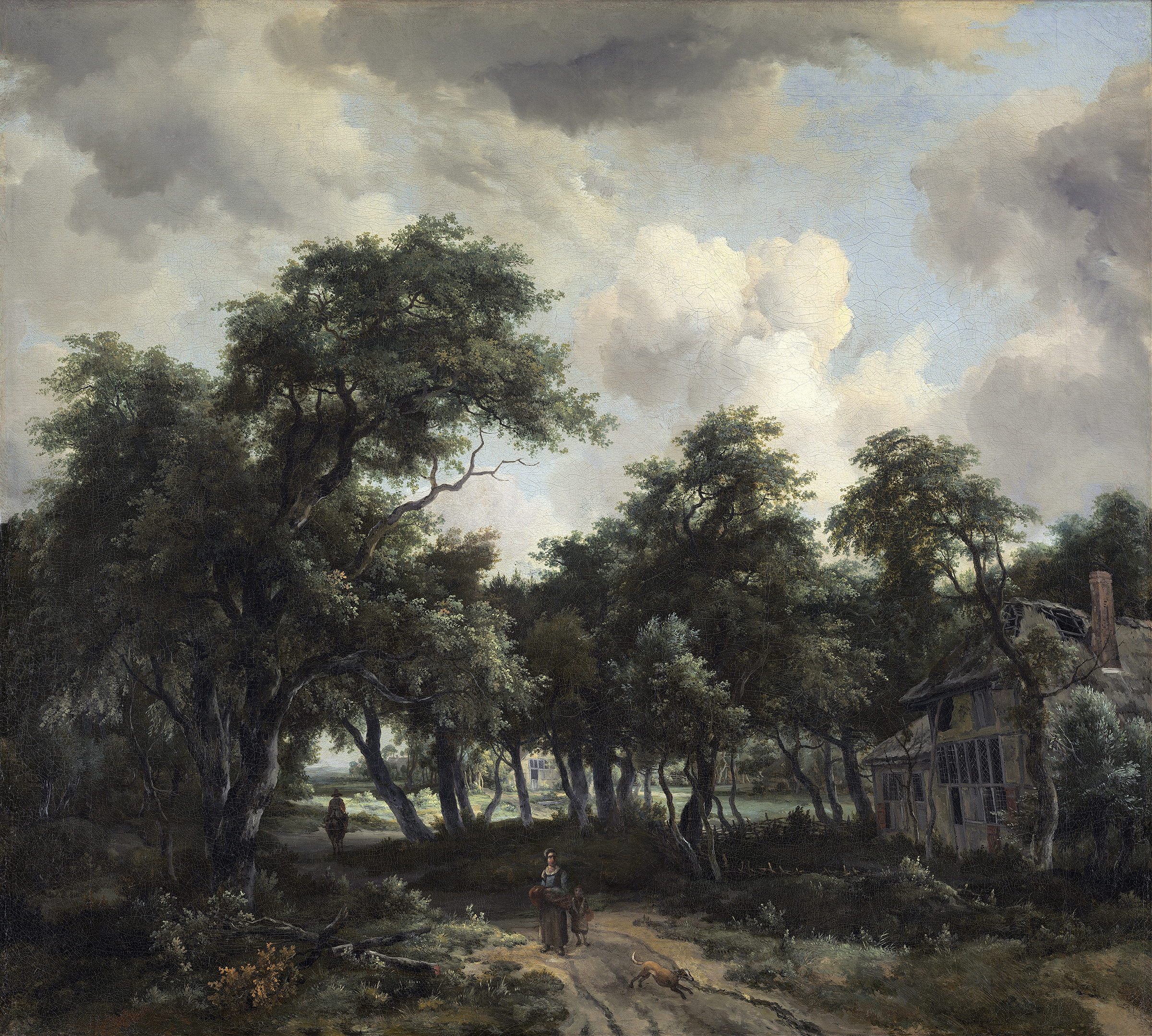
In the background, the distant figures engaged in quiet labor evoke a sense of timelessness, while the almost palpable stillness hints at the undercurrents of change and revolution that loom just beyond the horizon. Meindert Hobbema painted this piece between 1670 and 1685 during the Dutch Golden Age, a period marked by remarkable advances in art and commerce. At a time when Europe was rife with political upheaval and conflict, Hobbema’s landscapes offered a refuge — a window into an idyllic world where beauty could persist, emphasizing a desire for stability amidst the chaos surrounding him.