Wooded Landscape with Cottage and Horseman — History & Analysis
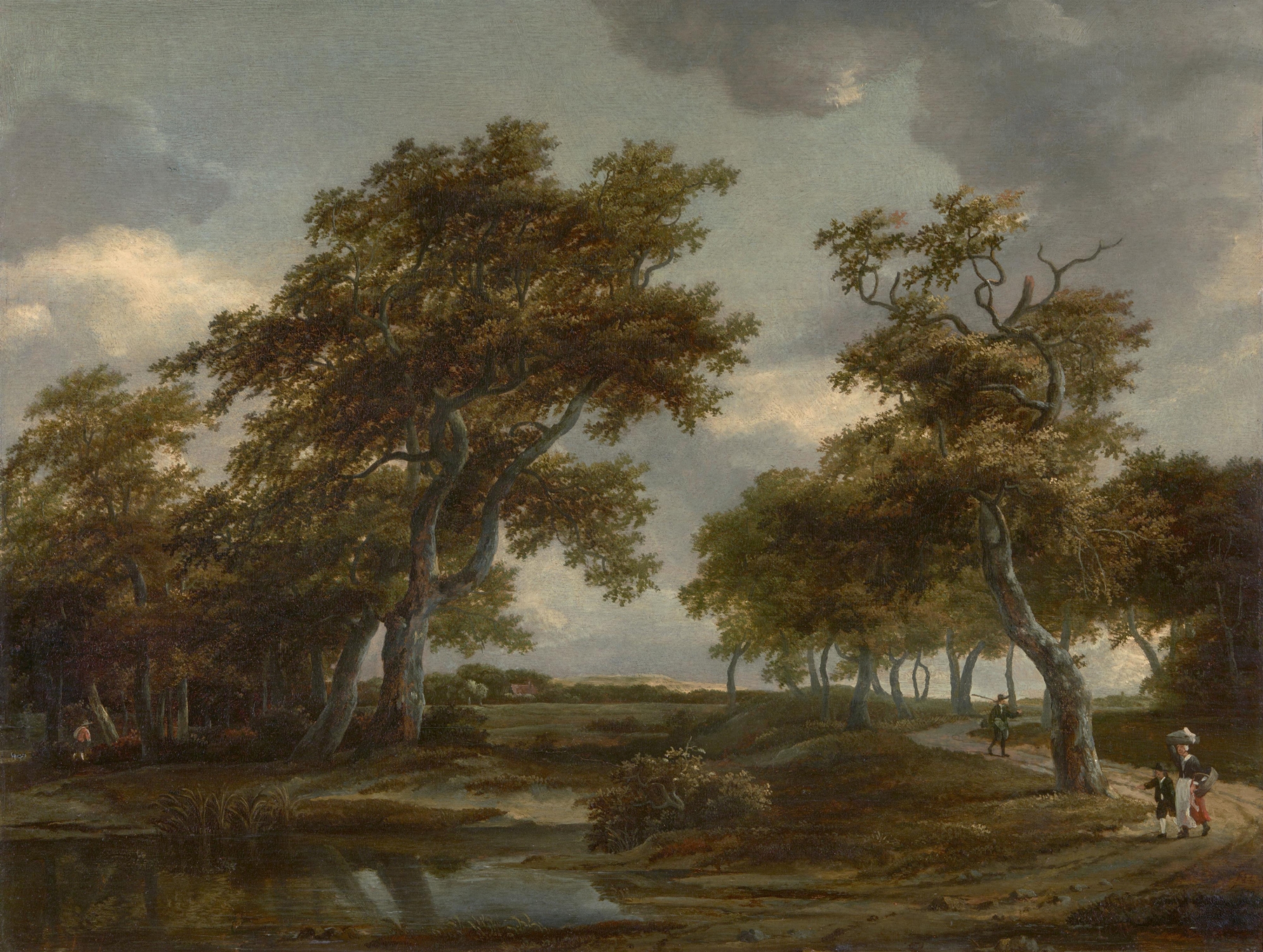
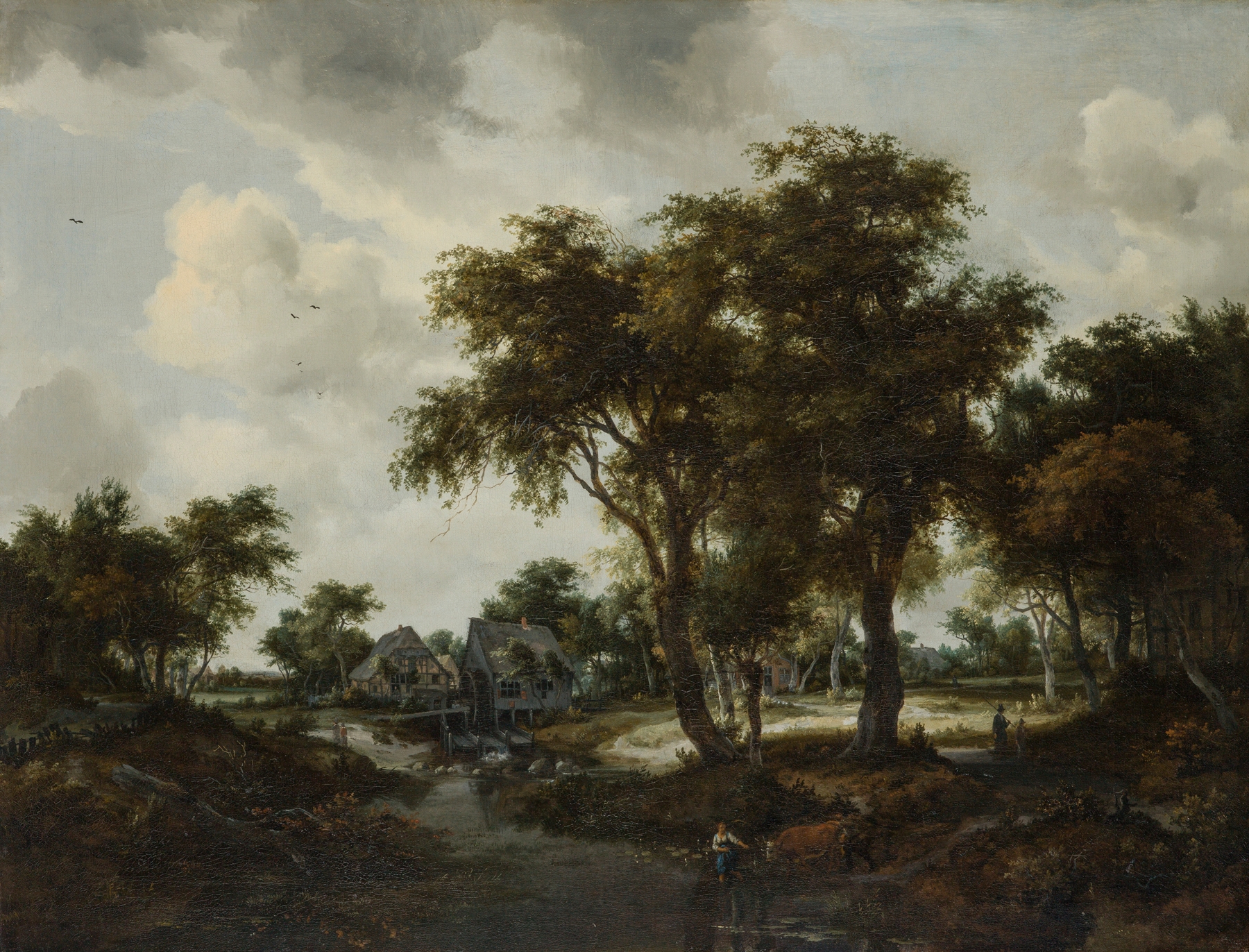
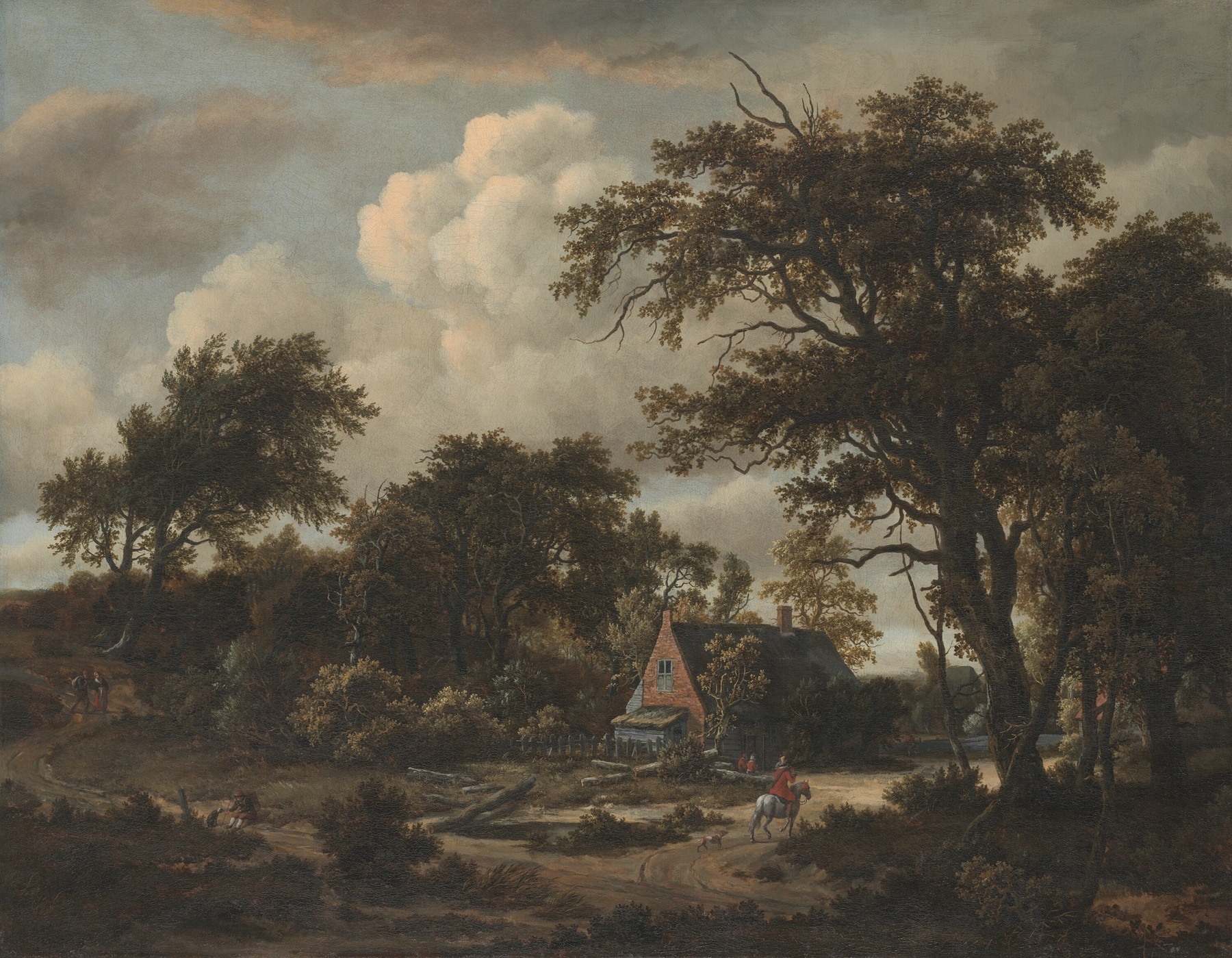
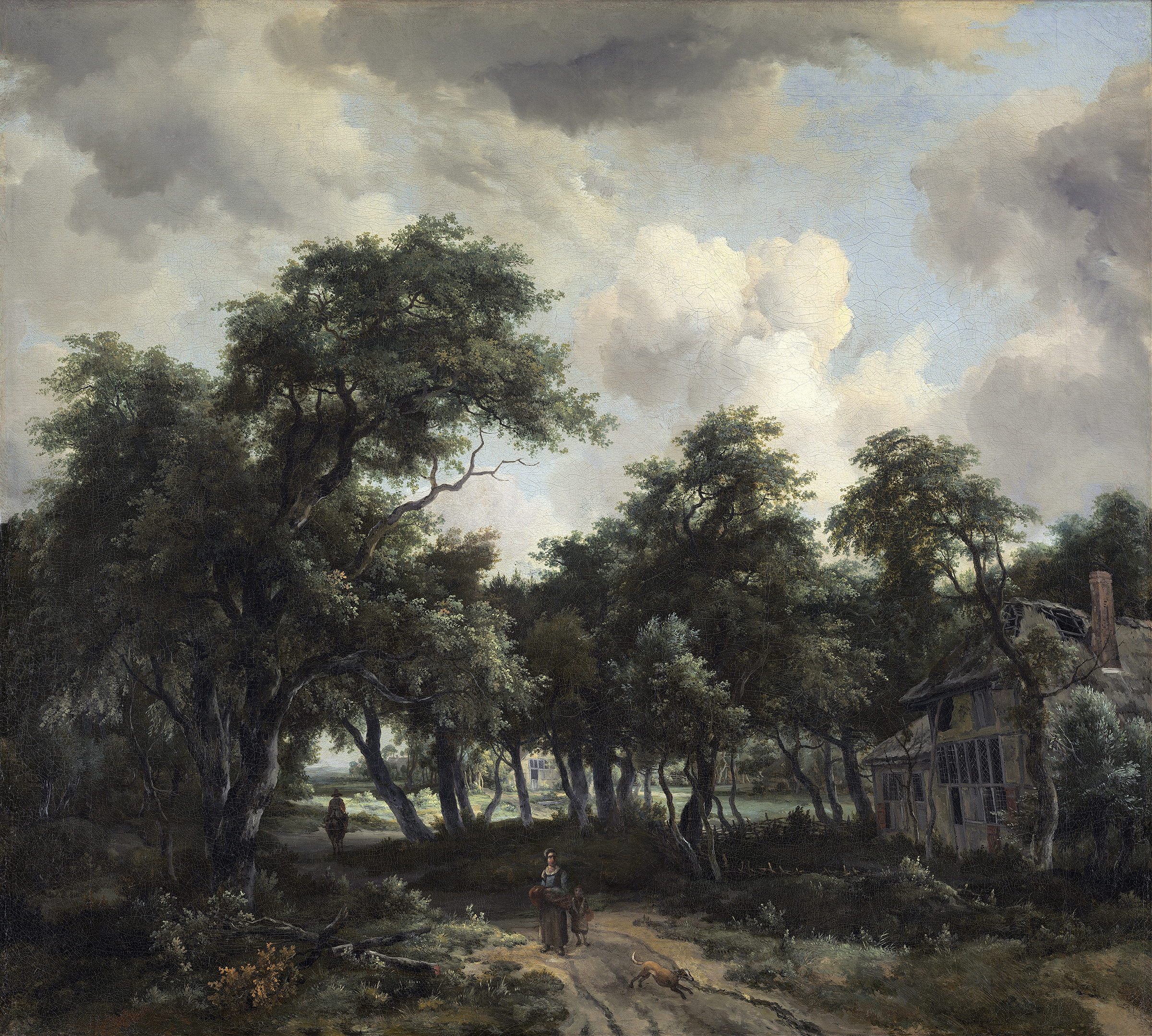
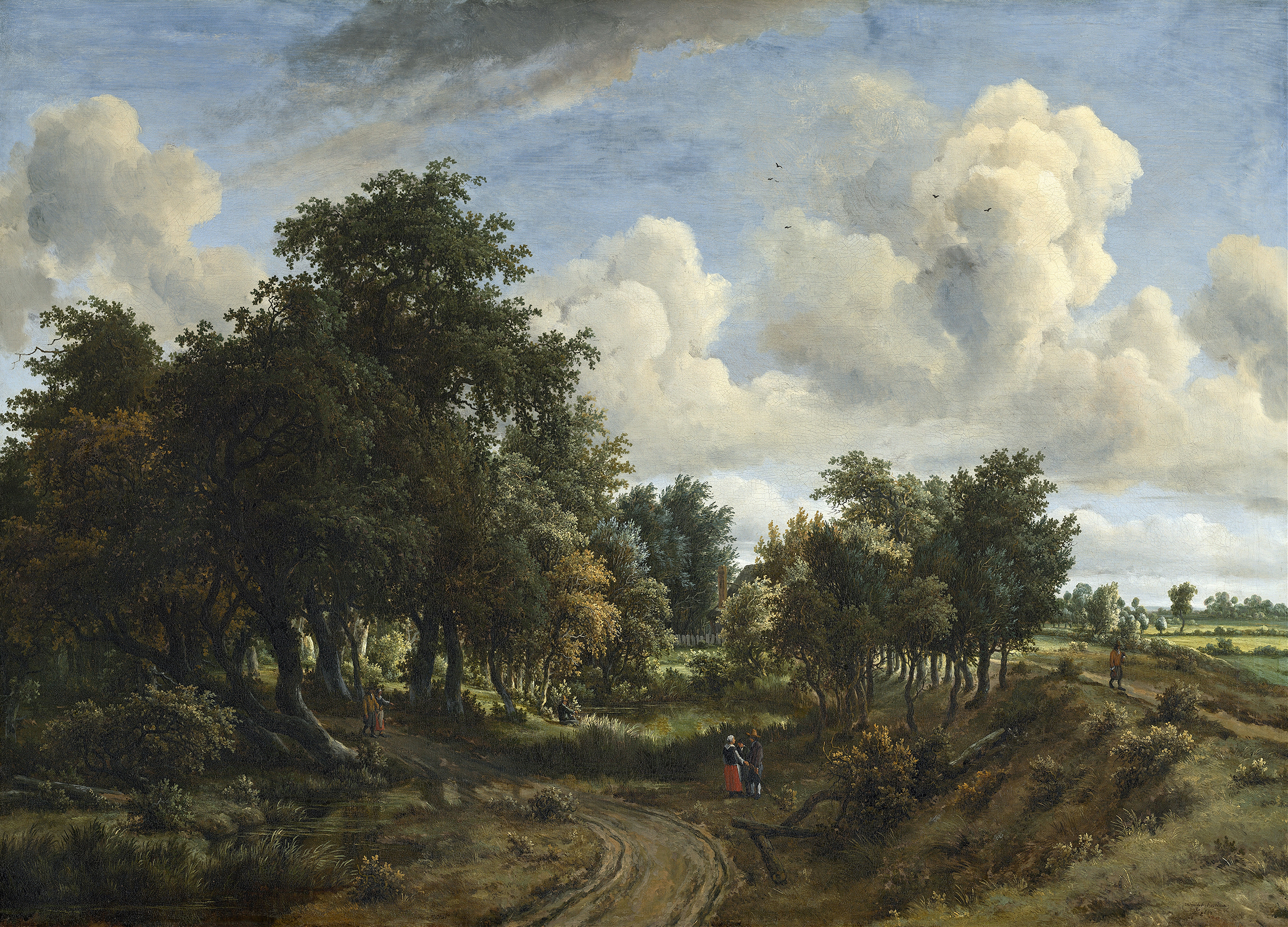
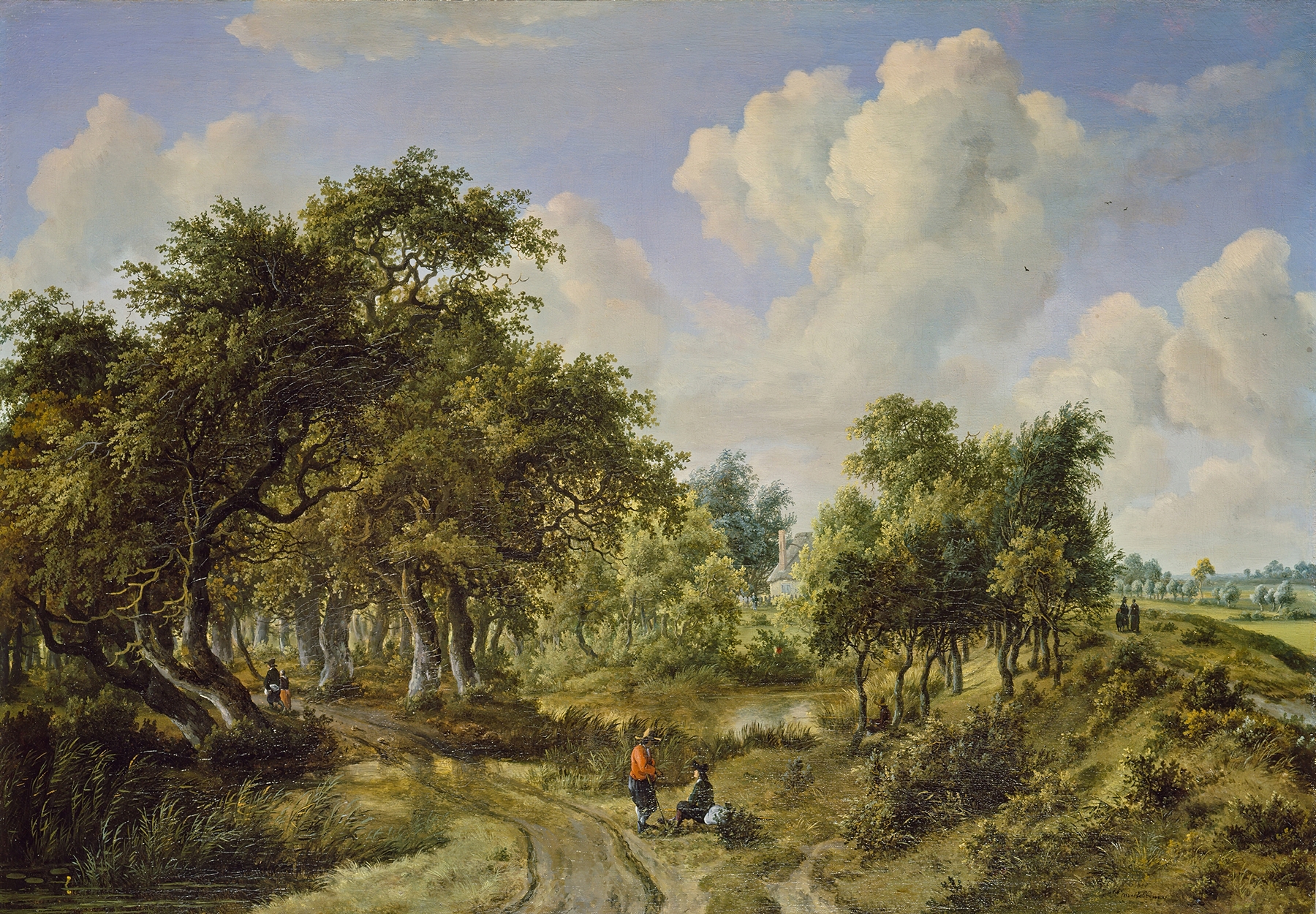
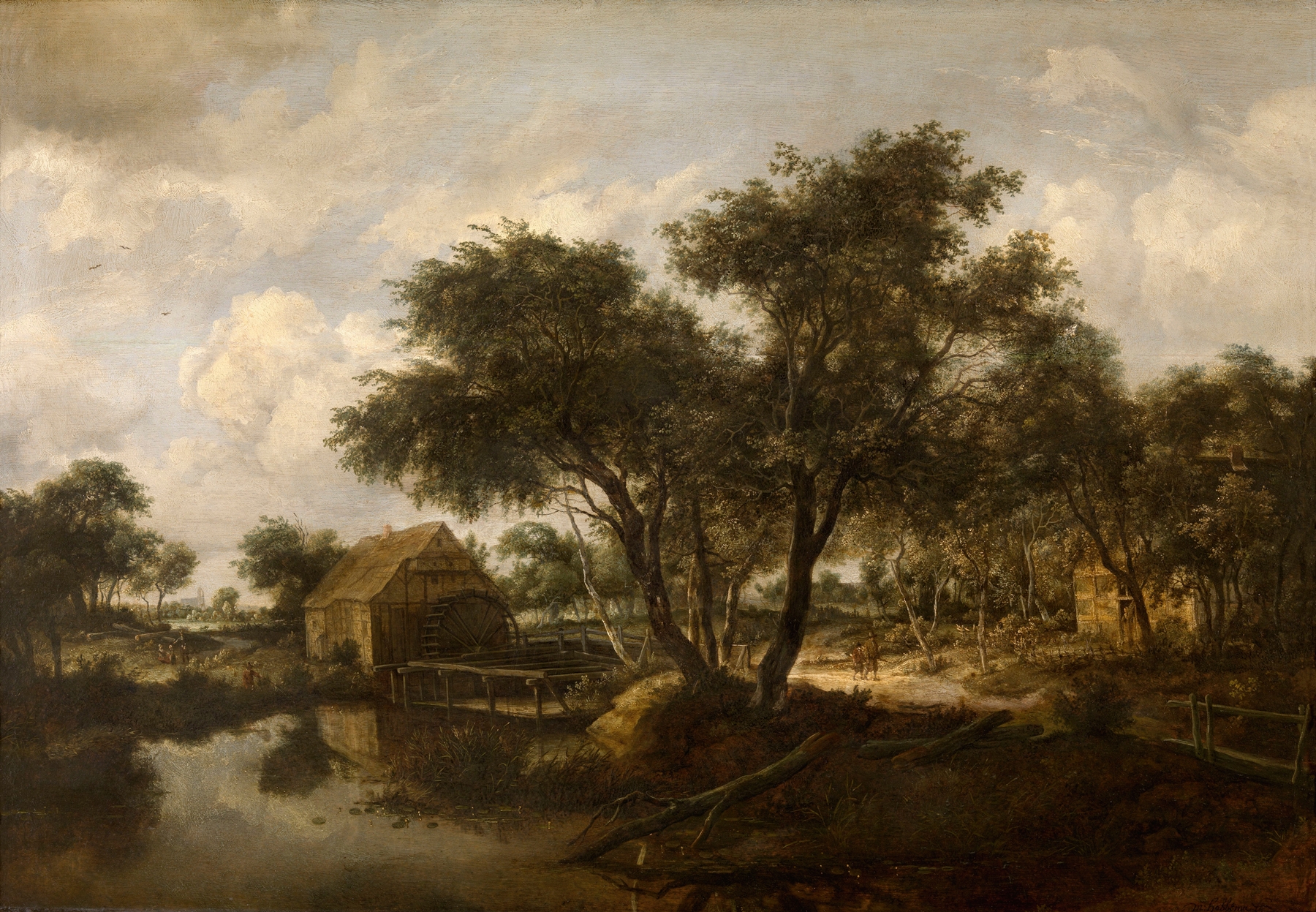
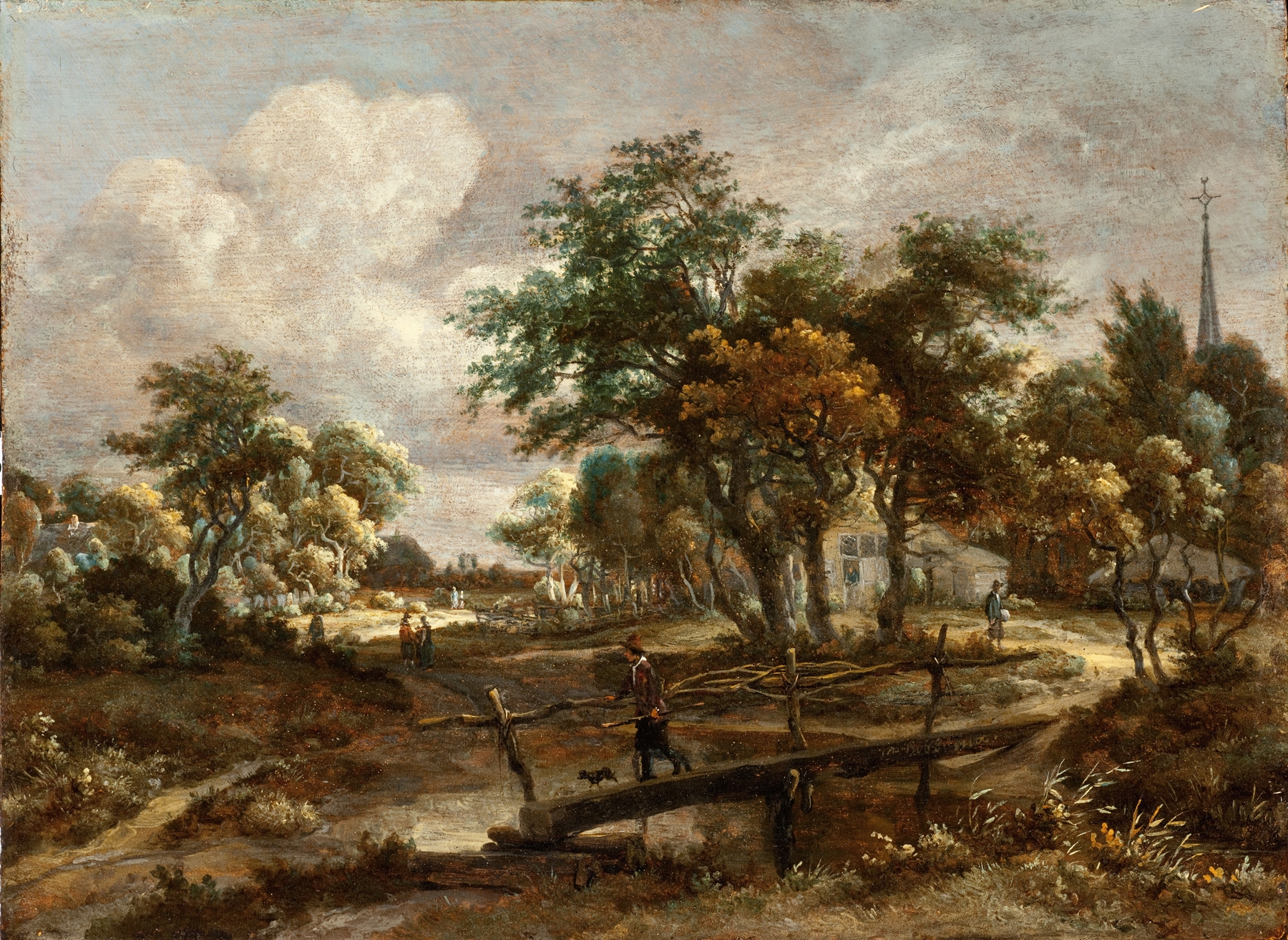
What secret hides in the quiet of the canvas? A landscape ensconced in serene tranquility whispers of life just beneath the surface, beckoning the viewer to explore its depths. Look to the left at the charming cottage, its thatched roof nestled among lush green foliage. The light filters through the trees, casting delicate shadows that dance across the earthy path, leading the eye toward the distant horizon. Notice how Hobbema employs a palette of vibrant greens and soft browns, skillfully blending colors to create an immersive sense of environment.
The composition draws you in, making you feel as if you could step into this idyllic scene. Yet, beneath this picturesque surface lies a tension of illusion. The solitary horseman, poised and confident, suggests a story of journey and solitude, while the enveloping landscape hints at both warmth and isolation. The way the trees arch over the path creates a sense of enclosure, a reminder that beauty often thrives within boundaries, yet it is the journey that unfolds beyond them.
Each brushstroke reveals the delicate balance between nature's allure and the quiet solitude that invites contemplation. In 1663, Meindert Hobbema painted this work during a time of flourishing Dutch landscape art, marked by a deep appreciation for the natural world. Living in Amsterdam, he was part of a movement that sought to capture the nuances of light and space within pastoral scenes. The tranquil yet complex interplay of elements in this painting reflects both his mastery and the cultural emphasis on the beauty of rural life during the Dutch Golden Age.