A winter landscape with a village and travellers on a path — History & Analysis
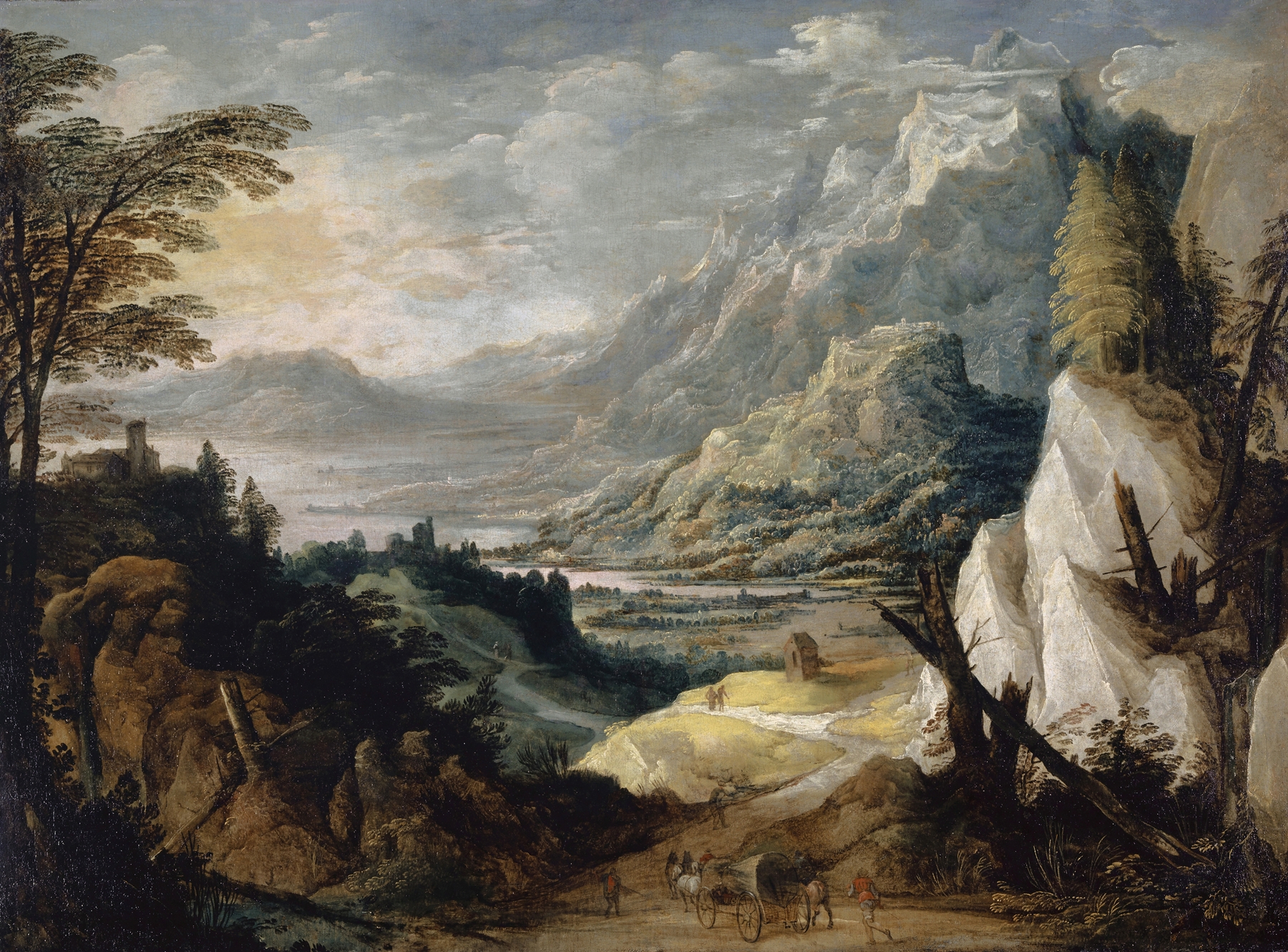
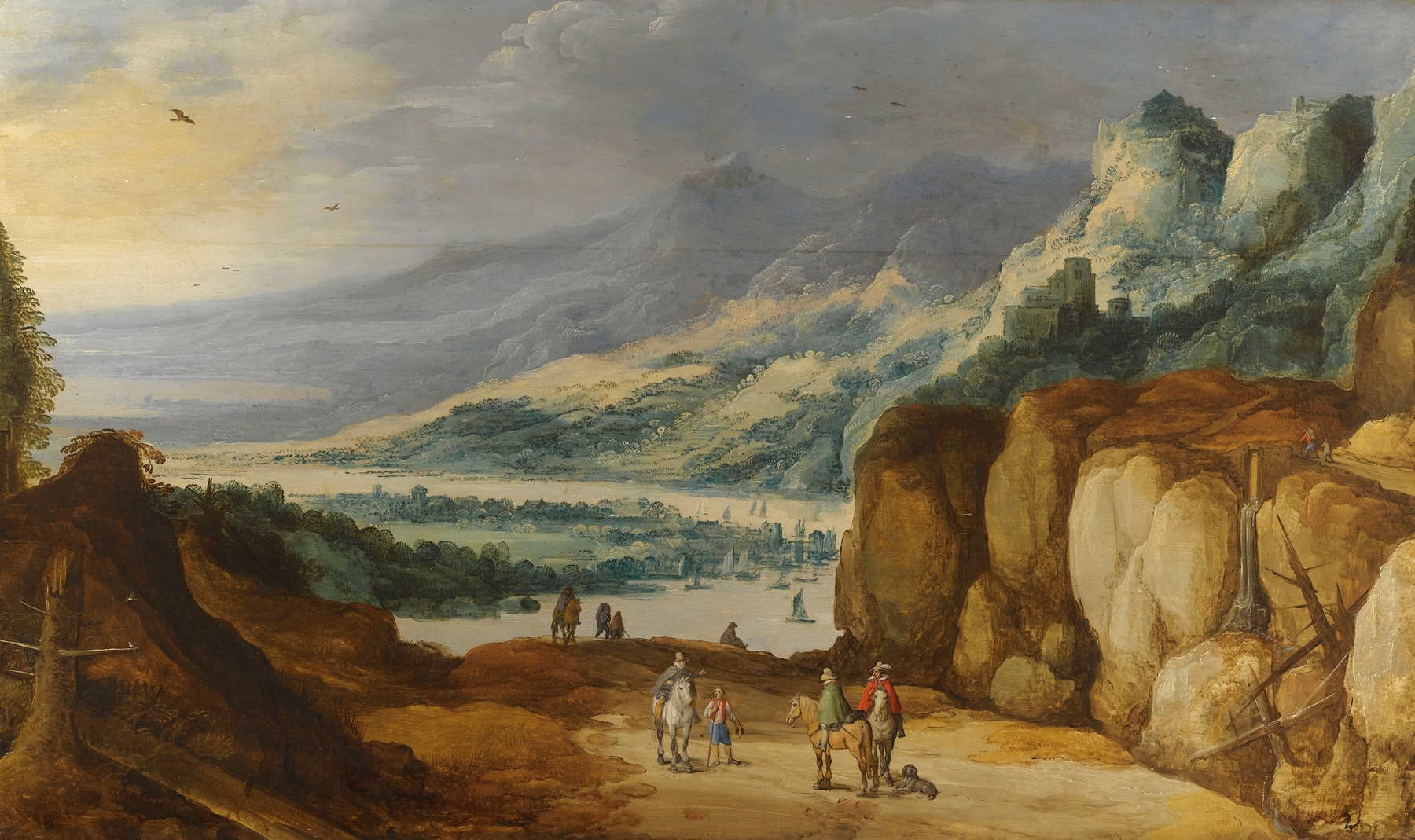
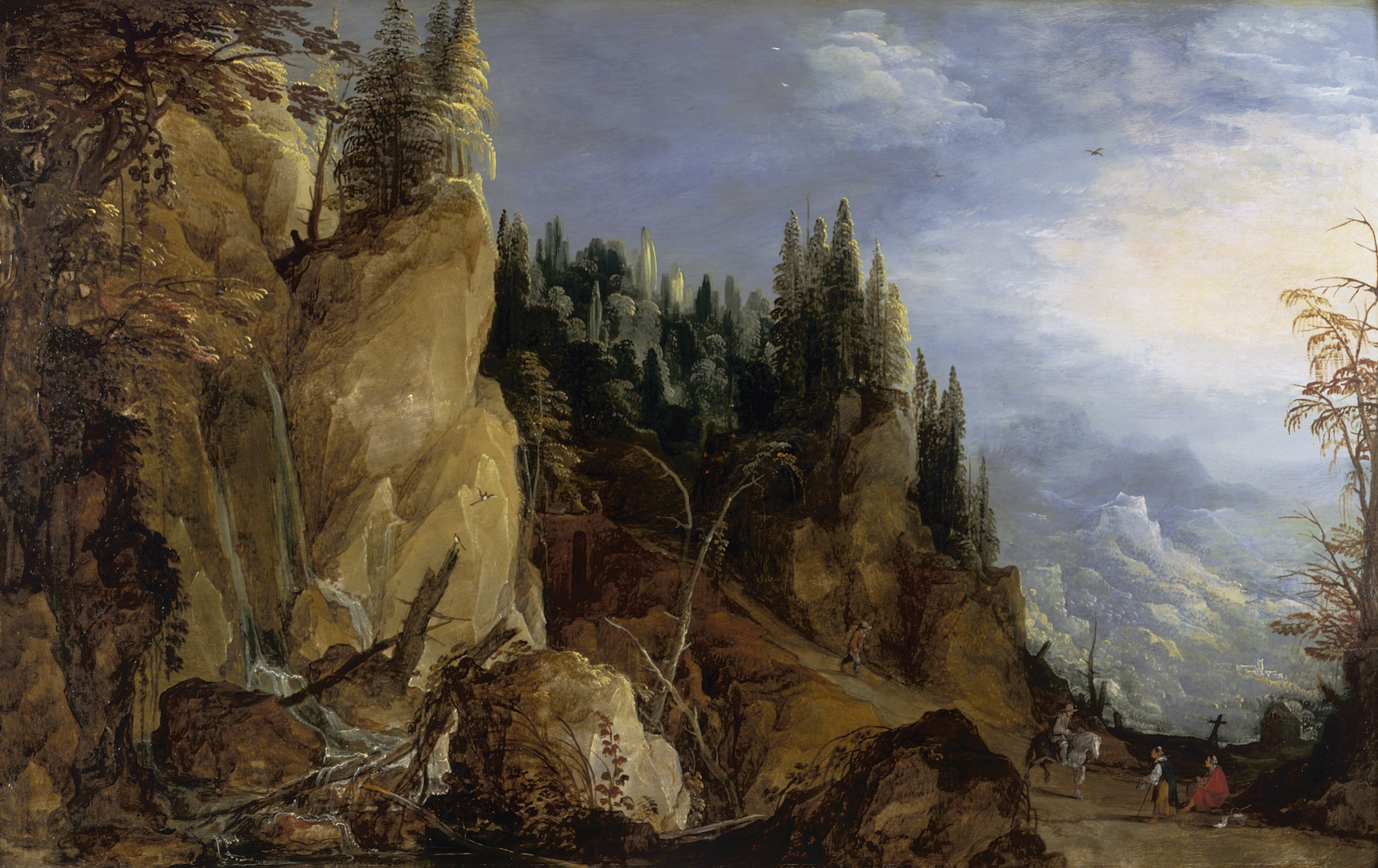
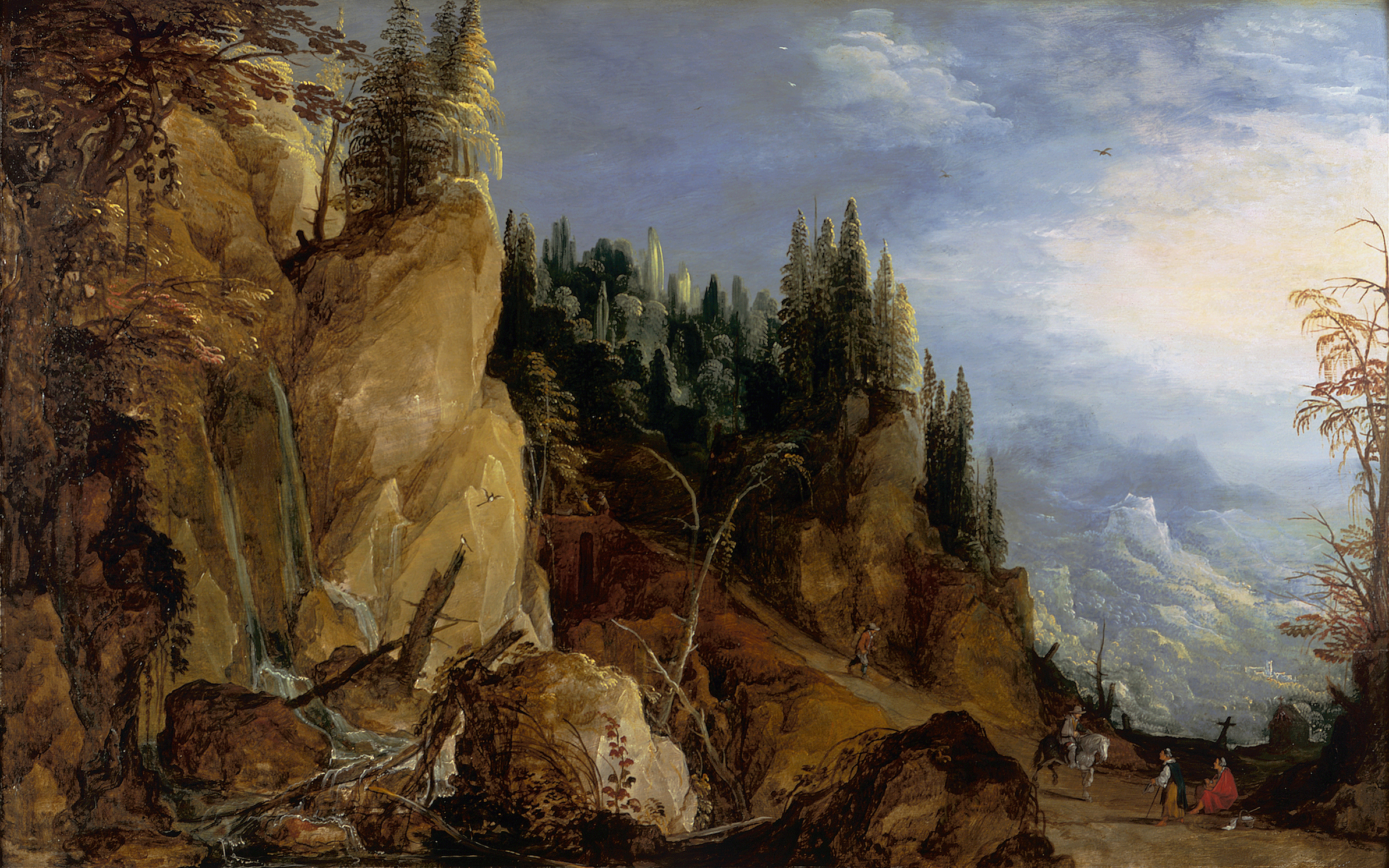
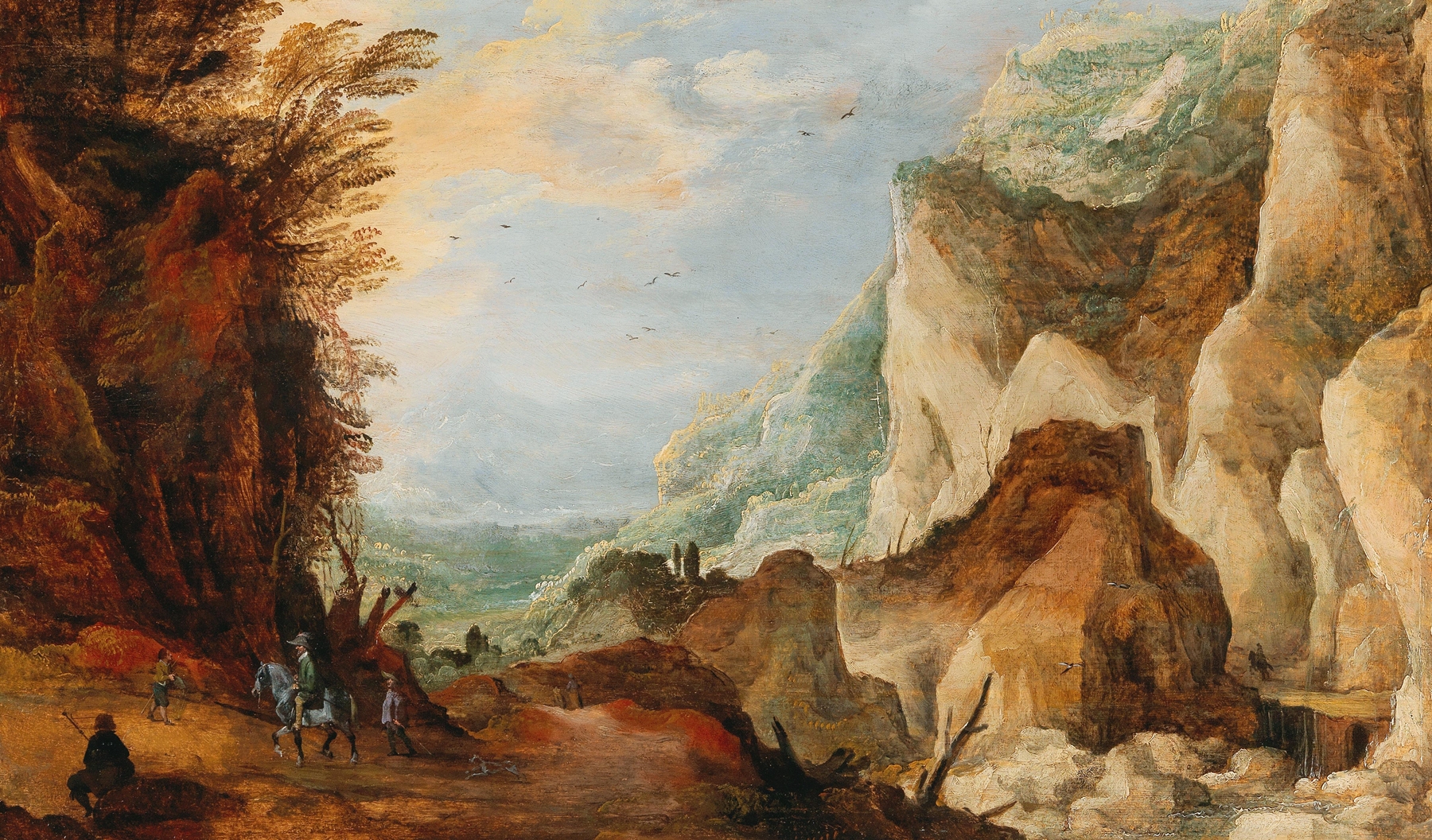
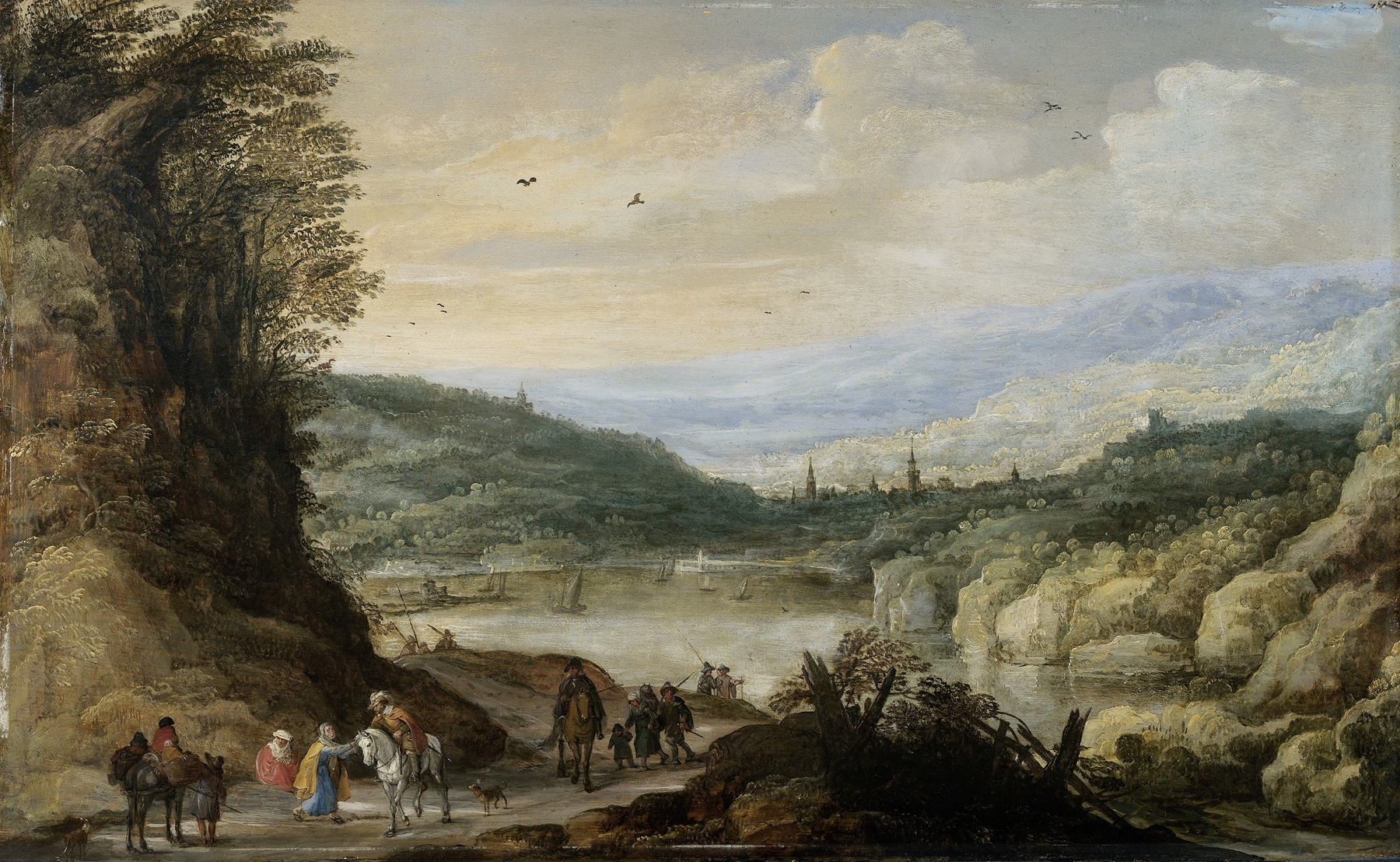
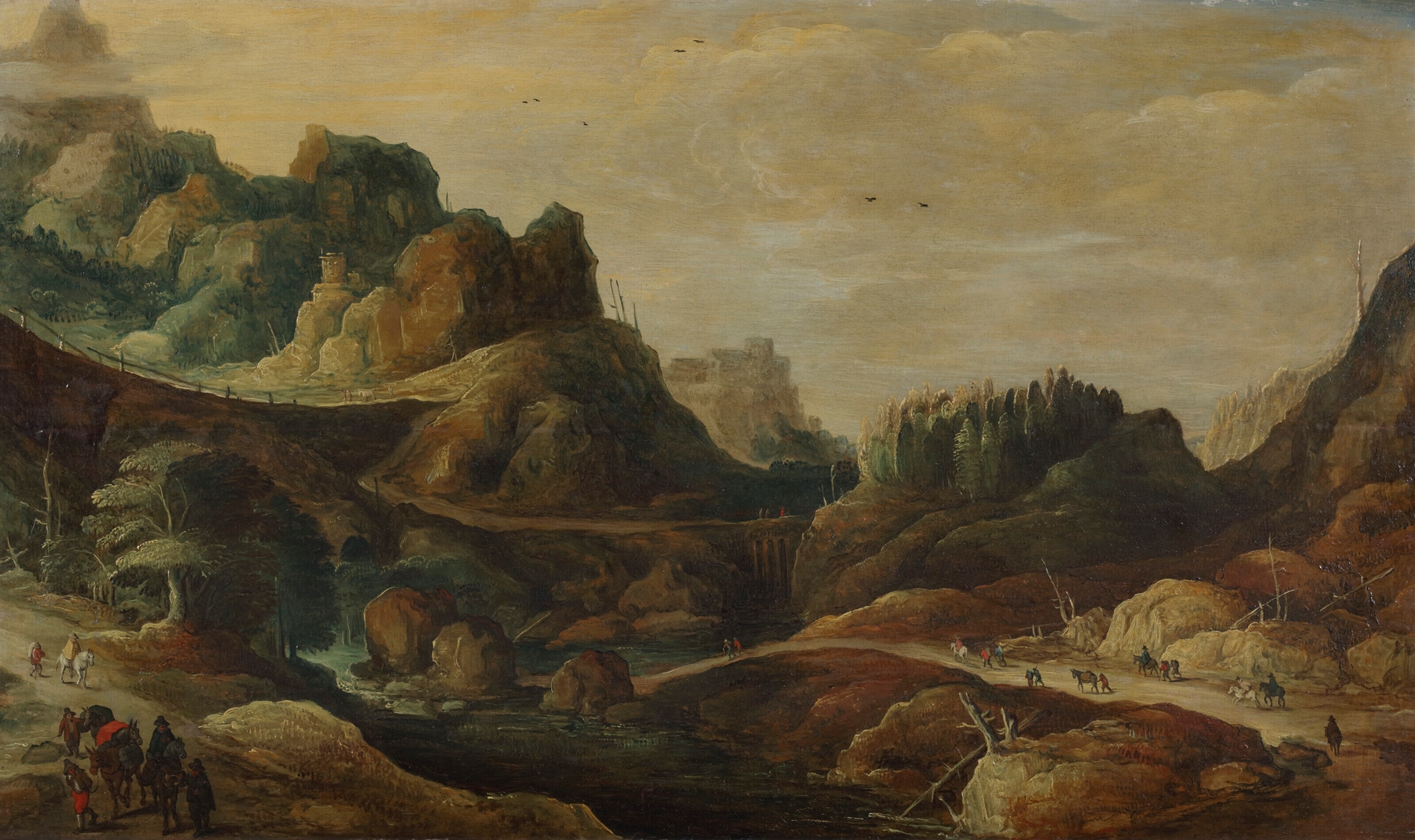
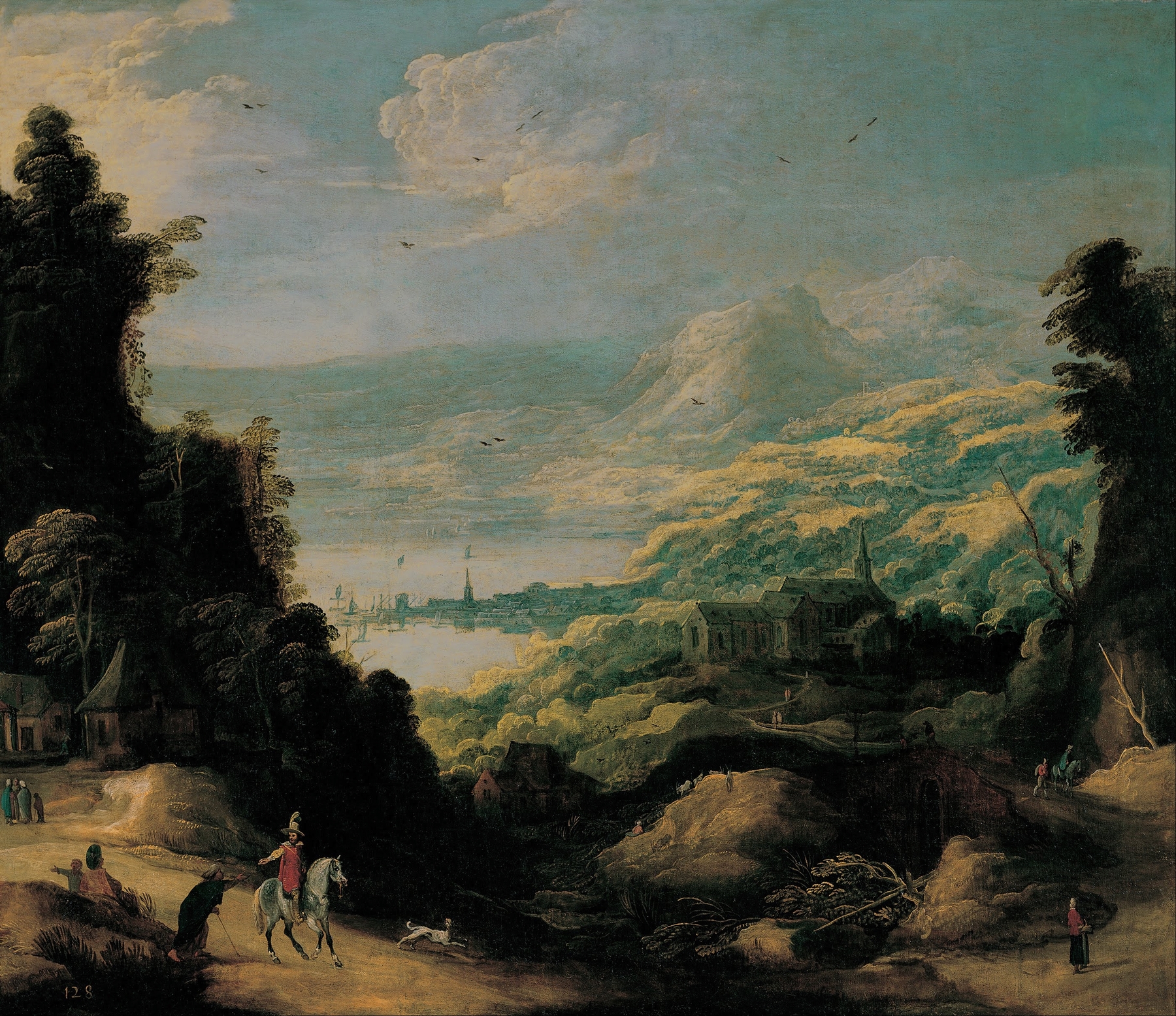
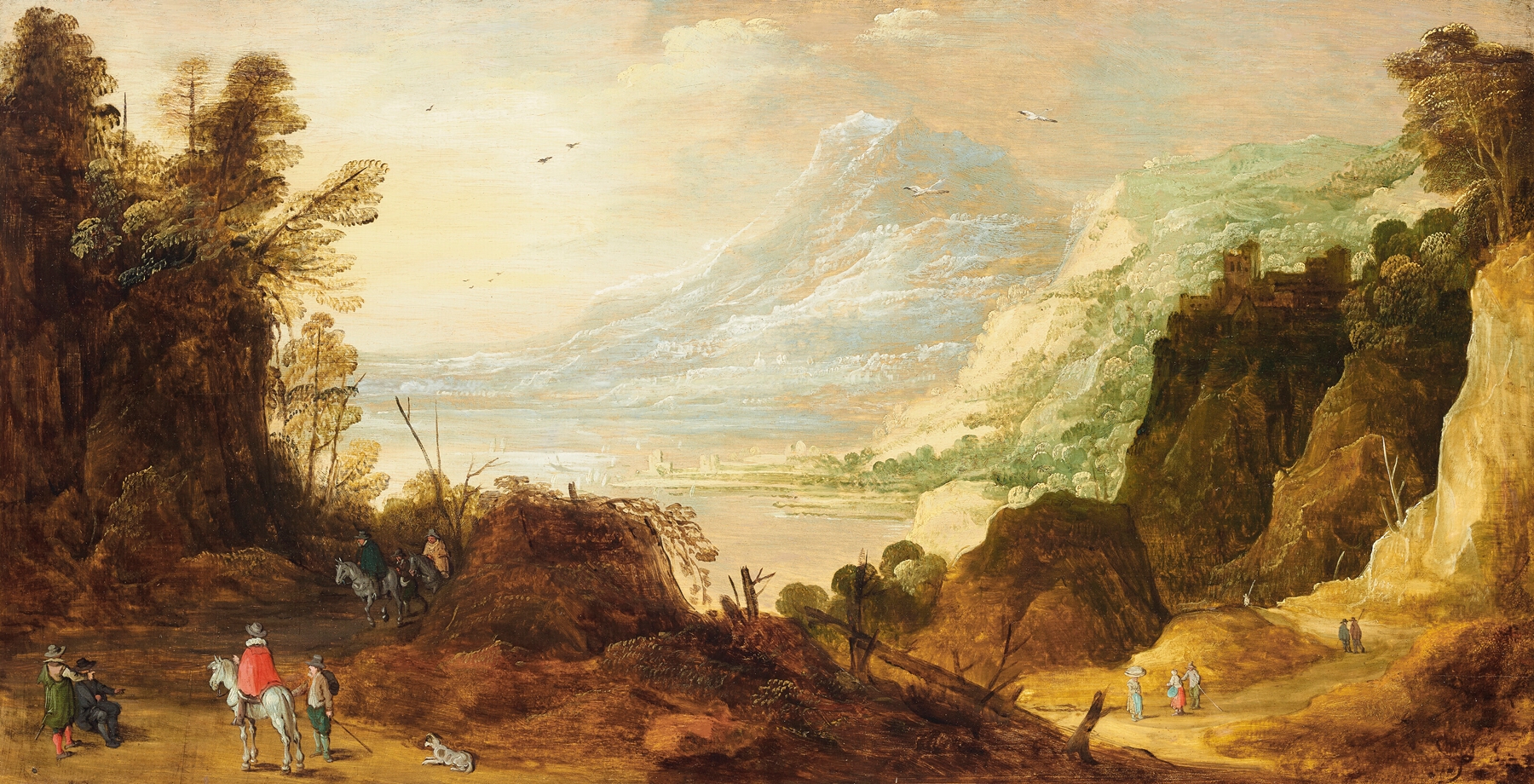
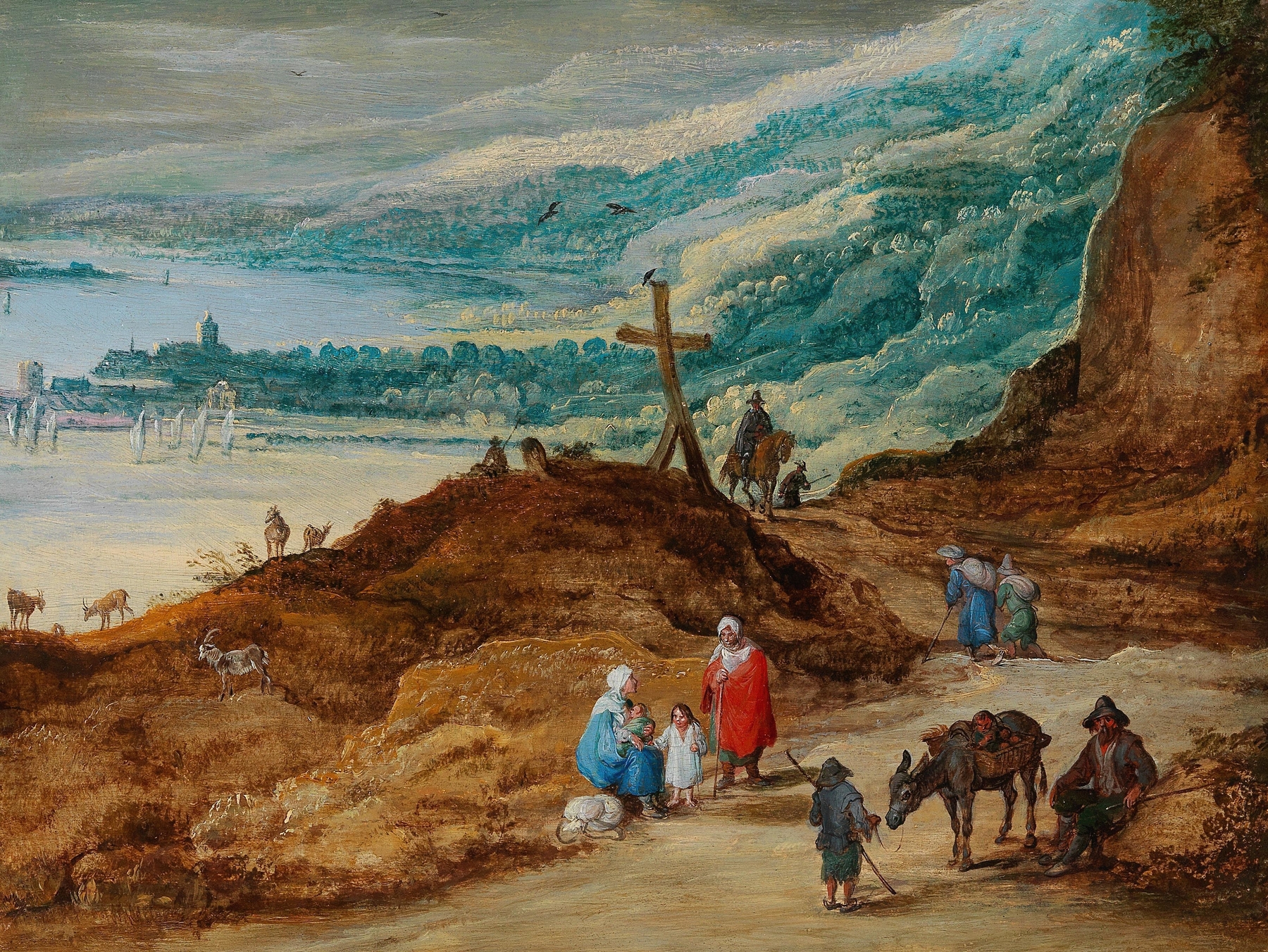
“Art reveals the soul when the world turns away.” In the hushed silence of winter, a subtle decay whispers through the snow-blanketed landscape, offering a poignant reminder of life’s fleeting beauty. Look to the foreground, where travelers make their way along a winding path, their figures almost swallowed by the vastness of the white expanse. The delicate brushstrokes capture the chill in the air, while soft, muted tones of gray and blue dominate the canvas, evoking a sense of quiet melancholy. Notice how the light seems to filter through the overcast sky, illuminating the village in the distance, and drawing your gaze towards the modest homes nestled amid barren trees, each structure a testament to resilience against the harsh winter.
Within this serene yet somber composition, contrasts emerge — warmth and cold, movement and stillness. The travelers, clad in muted colors, represent both transient human existence and the inevitability of decay, while the sturdy village stands as a stark reminder of permanence amidst nature’s cycles. Each element plays a role in narrating a story of survival, evoking feelings of nostalgia and reflection upon our own journeys through life’s seasons.
Joos de Momper painted this landscape during a time when Northern Renaissance art was flourishing, likely in the late 16th century. His work reflects a deepening interest in capturing the beauty of nature and everyday life, while also emerging in a period marked by social change and exploration. The artist’s ability to marry realism with an emotional resonance speaks to the heart of an evolving artistic landscape, allowing viewers to find meaning amidst the chill of winter.