A Wooded Landscape — History & Analysis
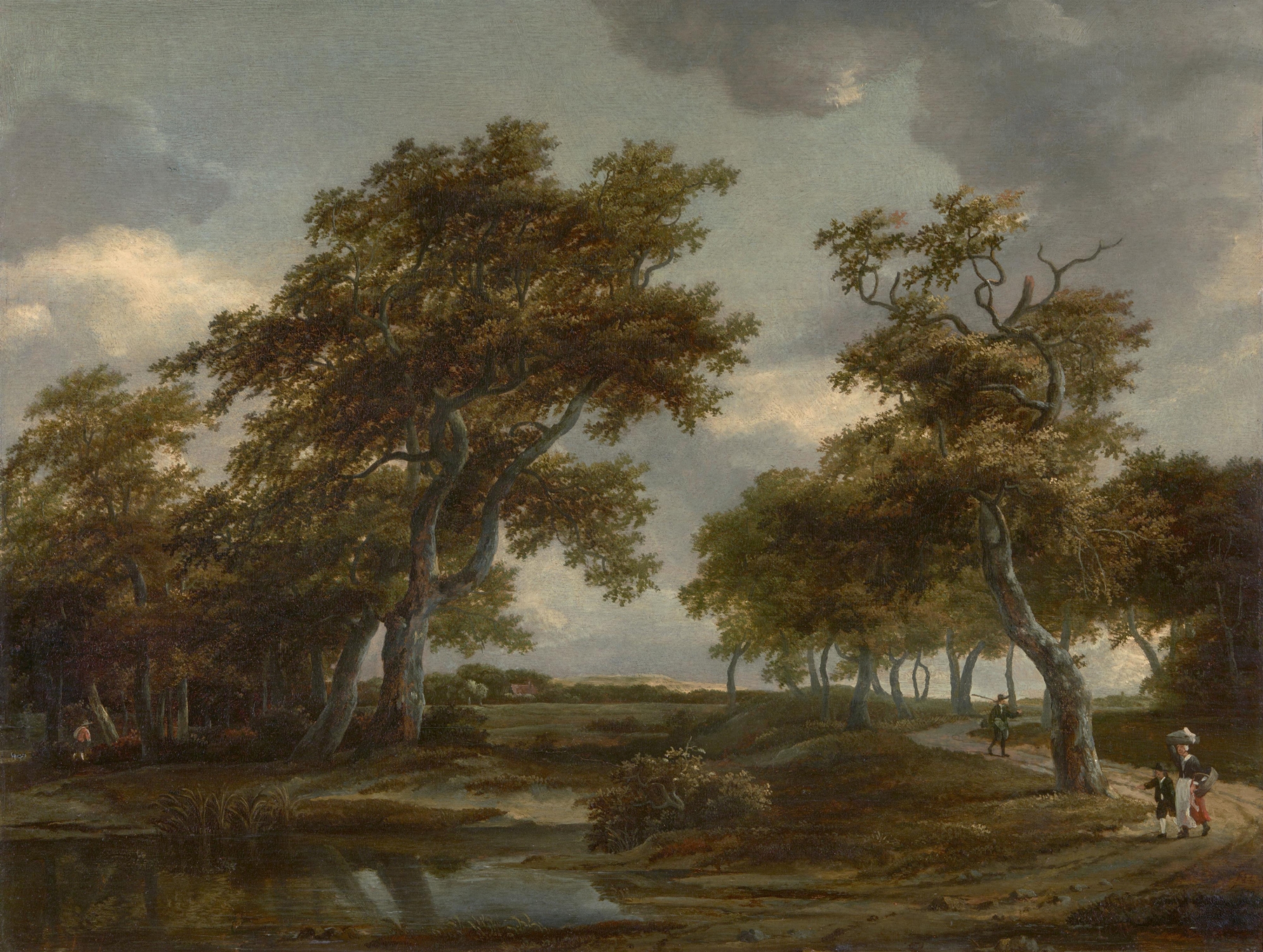
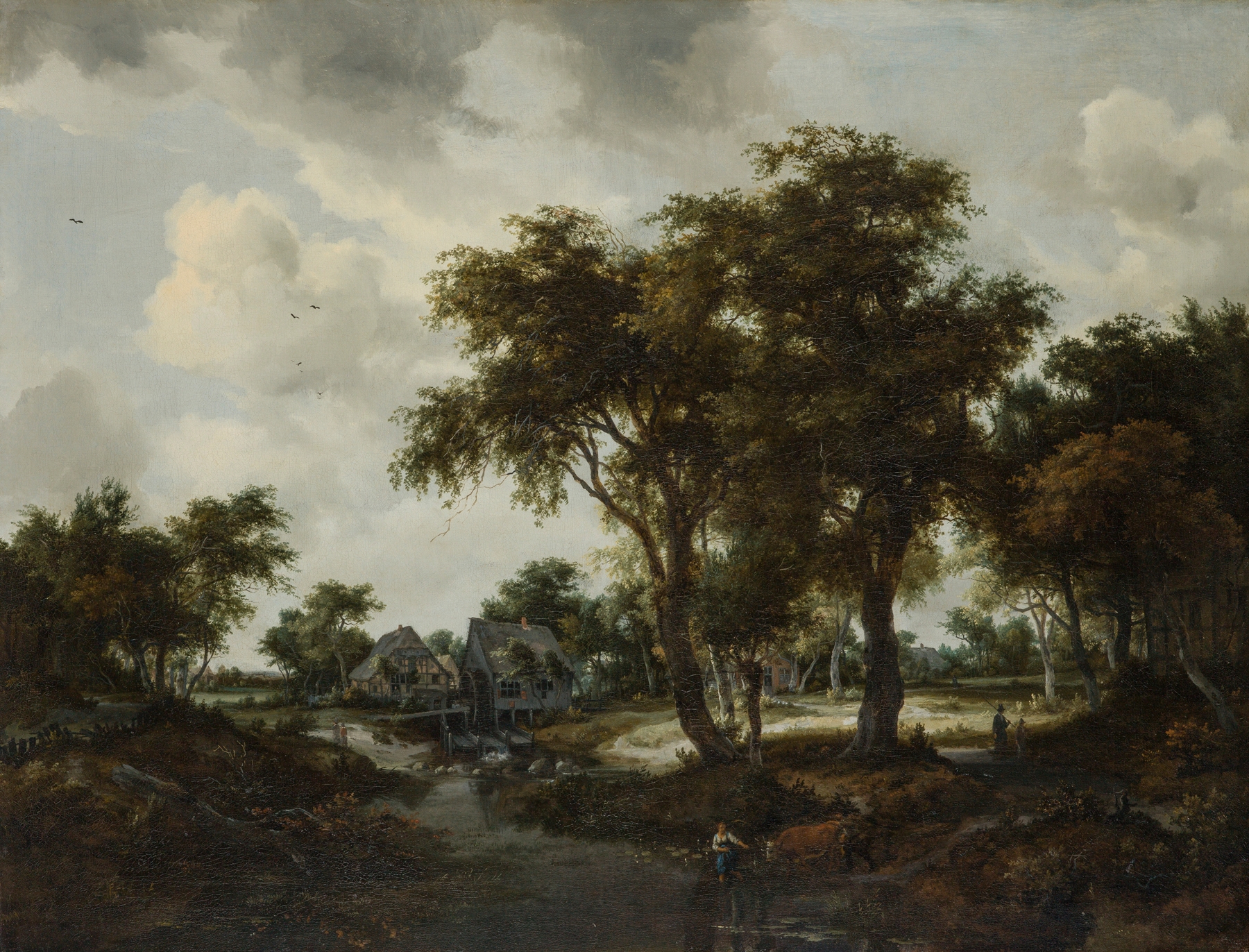
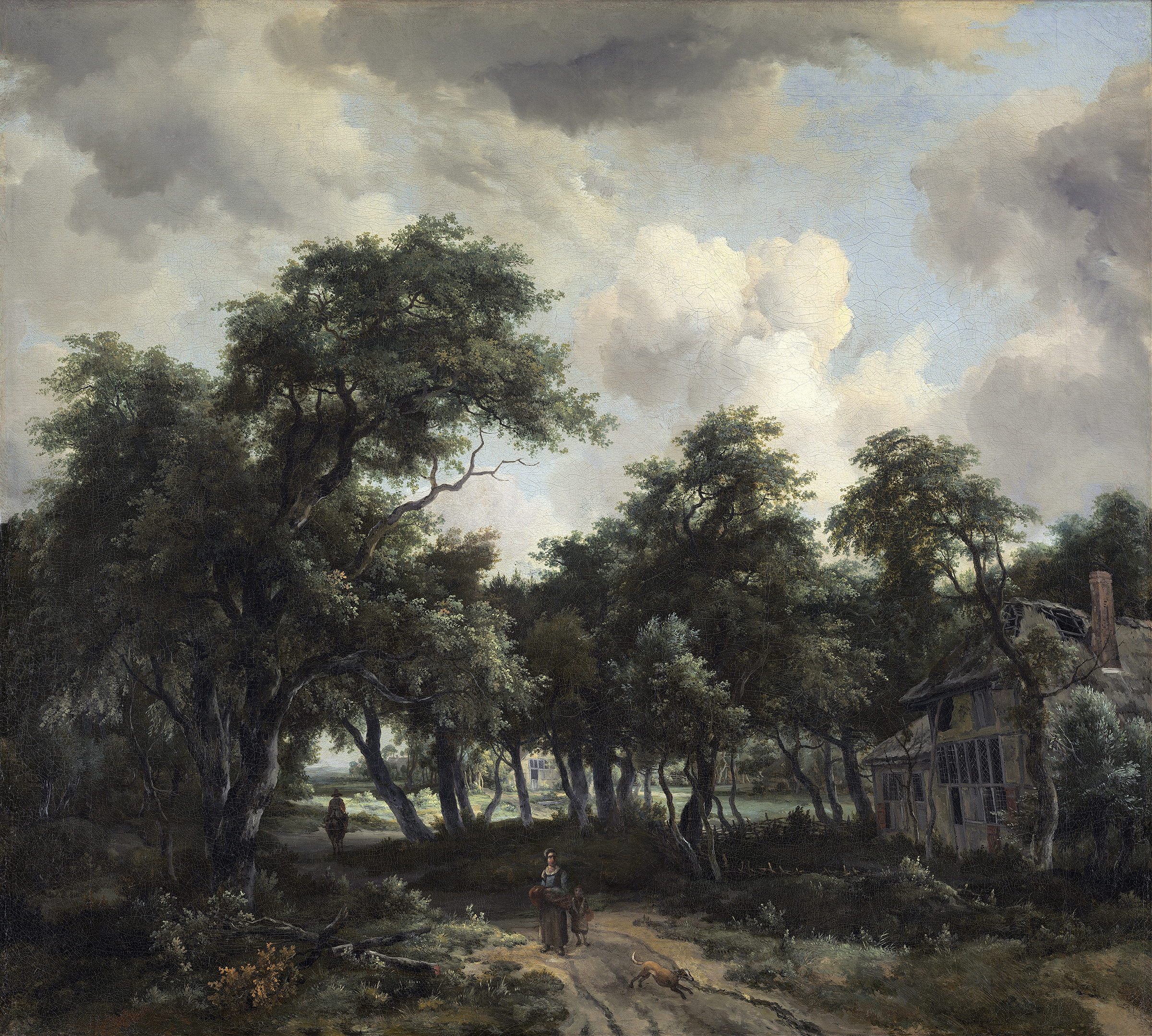
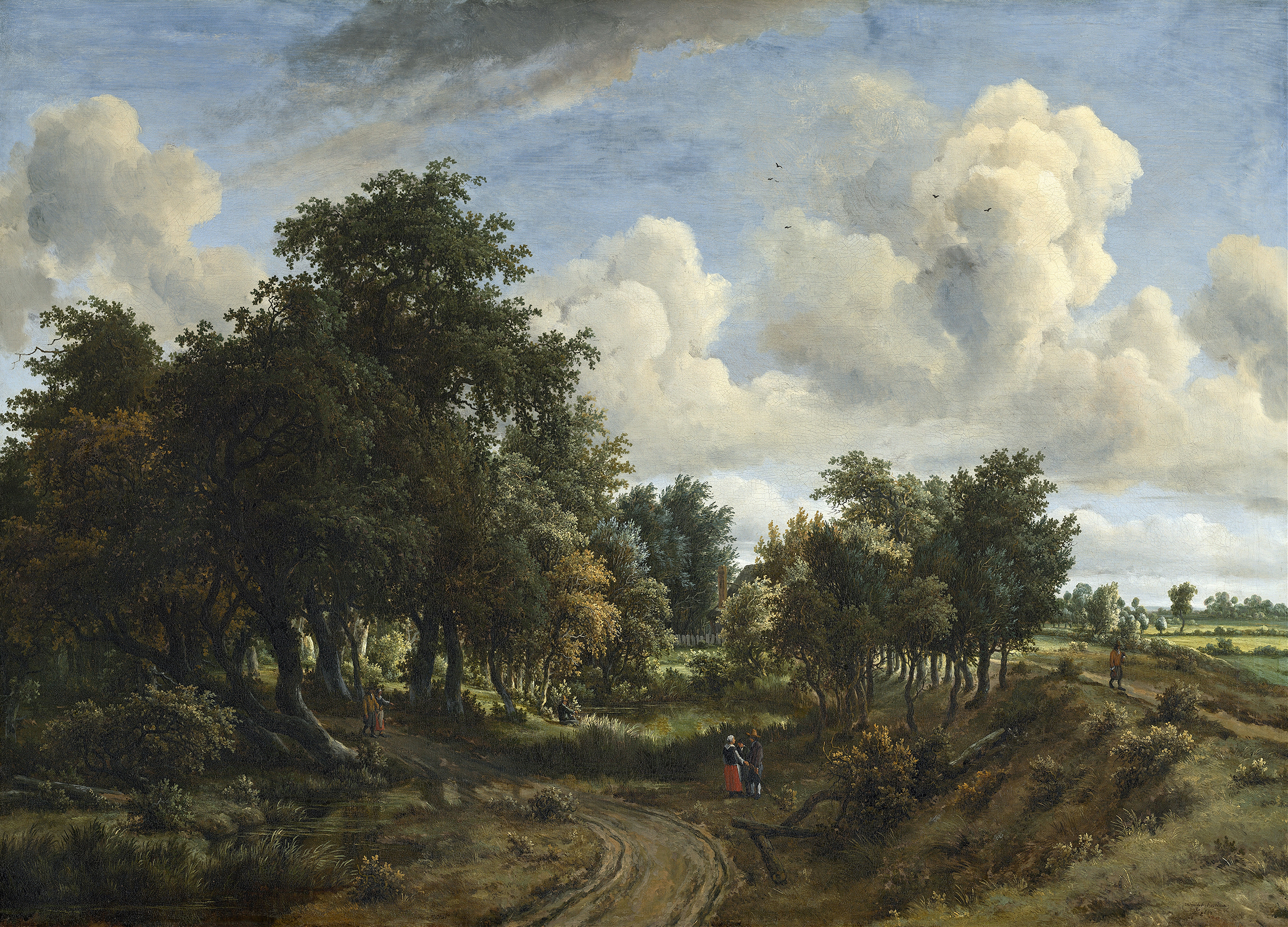
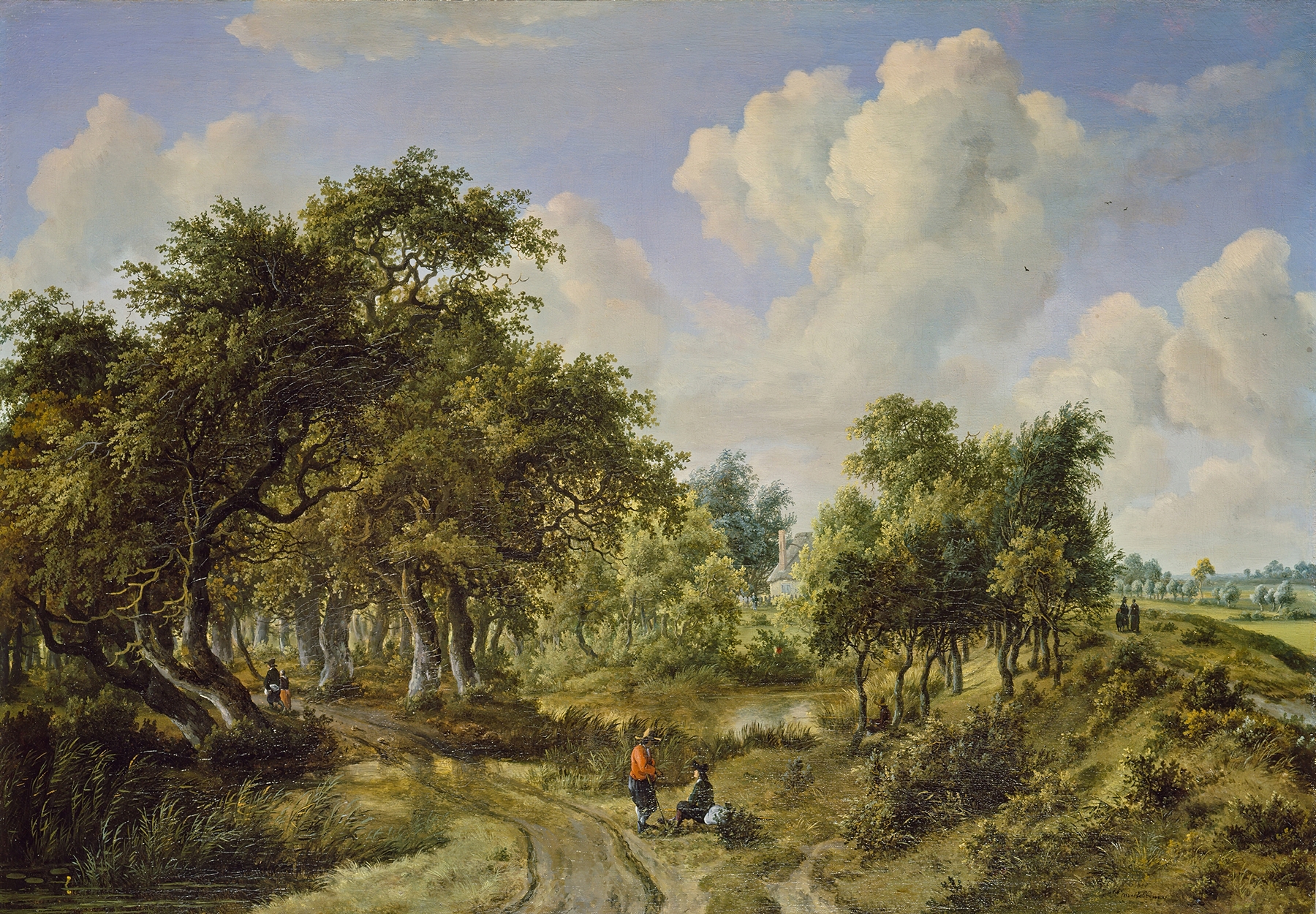
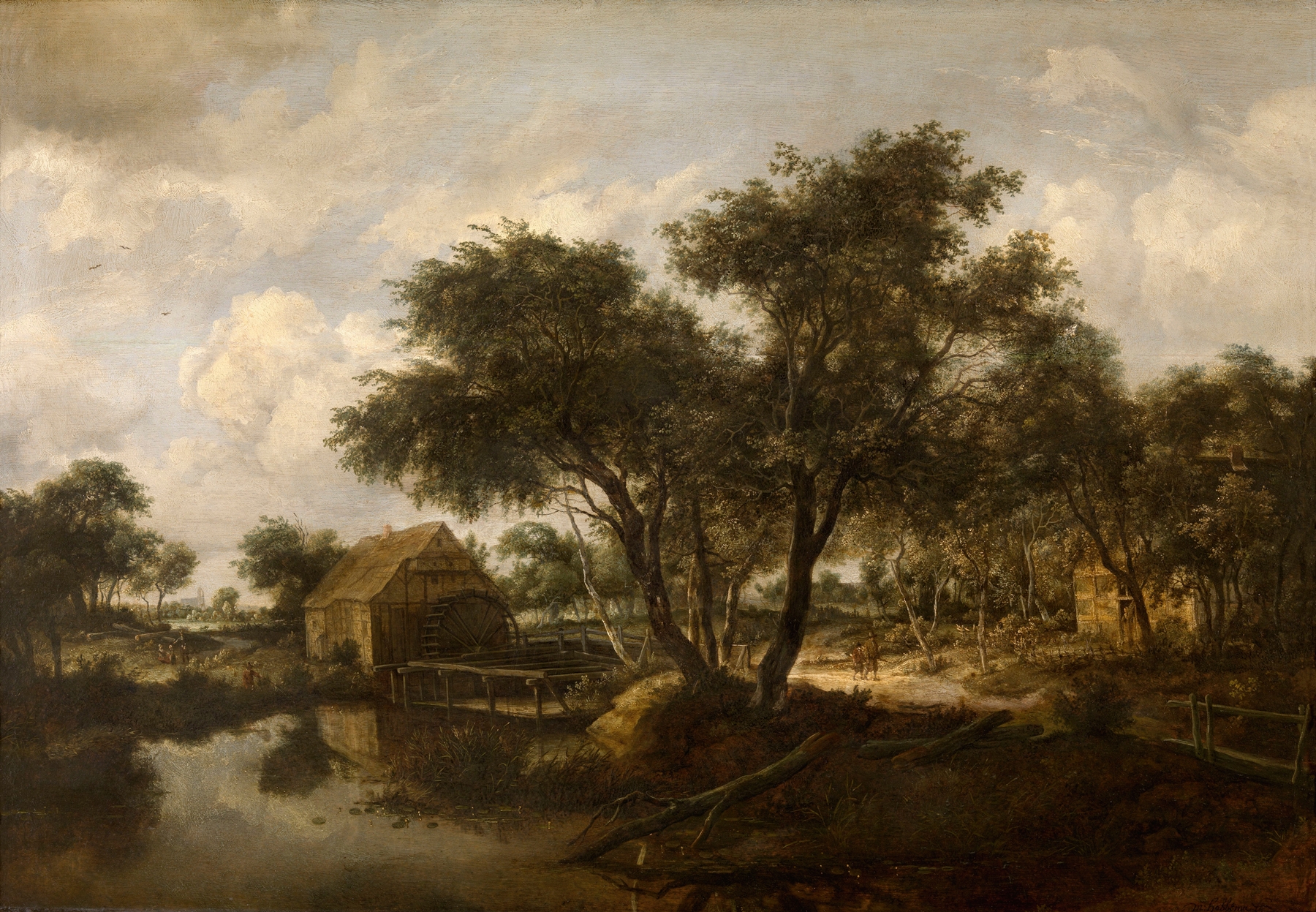
“Sometimes beauty is just pain, disguised in gold.” In the heart of nature, where the gentle embrace of trees meets the winding paths of life, the reality of awakening becomes a poignant experience. Look to the left at the towering trees, their rich greens glowing under the delicate touch of sunlight. The dappled light filters through the foliage, creating a vibrant interplay of shadows and highlights that draws your eye deeper into the composition. The winding path invites the viewer to traverse the landscape, while the tranquil water reflects the serene yet dynamic surroundings, hinting at the untold stories hidden within the foliage.
Beneath this pastoral beauty lies a tension between the idyllic and the ephemeral. The diverse textures of the trees remind us of nature’s resilience, yet the quiet water suggests both calm and the possibility of darker depths. This duality evokes a sense of awakening, as if the landscape itself is alive, whispering the secrets of growth and decay, drawing us into its layered existence.
In 1667, Meindert Hobbema painted this piece while living in Amsterdam, a city burgeoning with artistic innovation and influence. The Baroque period was in full swing, characterized by an emphasis on dramatic landscapes and emotional depth. Hobbema, inspired by his contemporaries, sought to encapsulate the sublime beauty of the Dutch countryside, reflecting both the tranquility and complexity that nature offers in the midst of a rapidly changing world.