A Yorkshire Road — History & Analysis
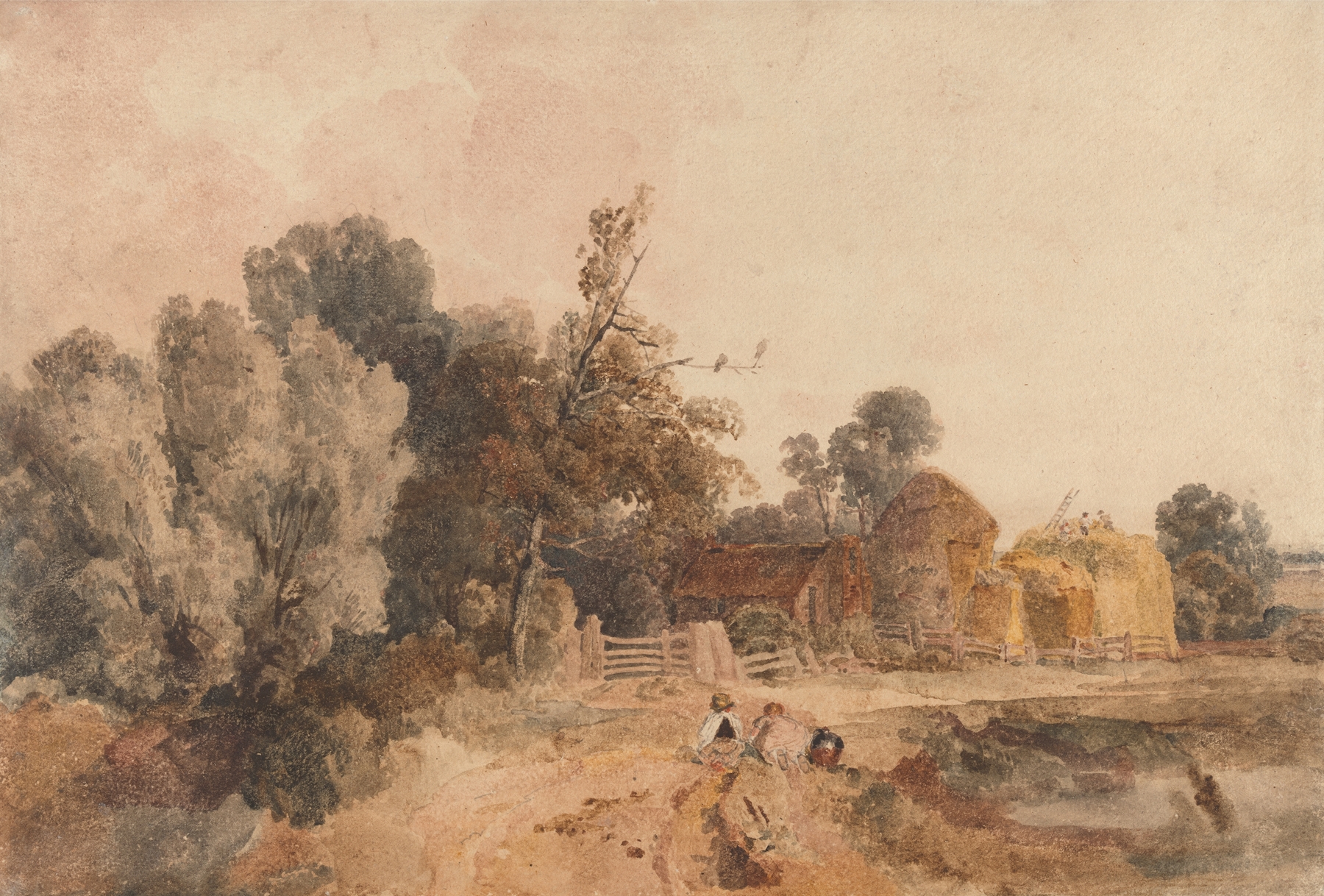
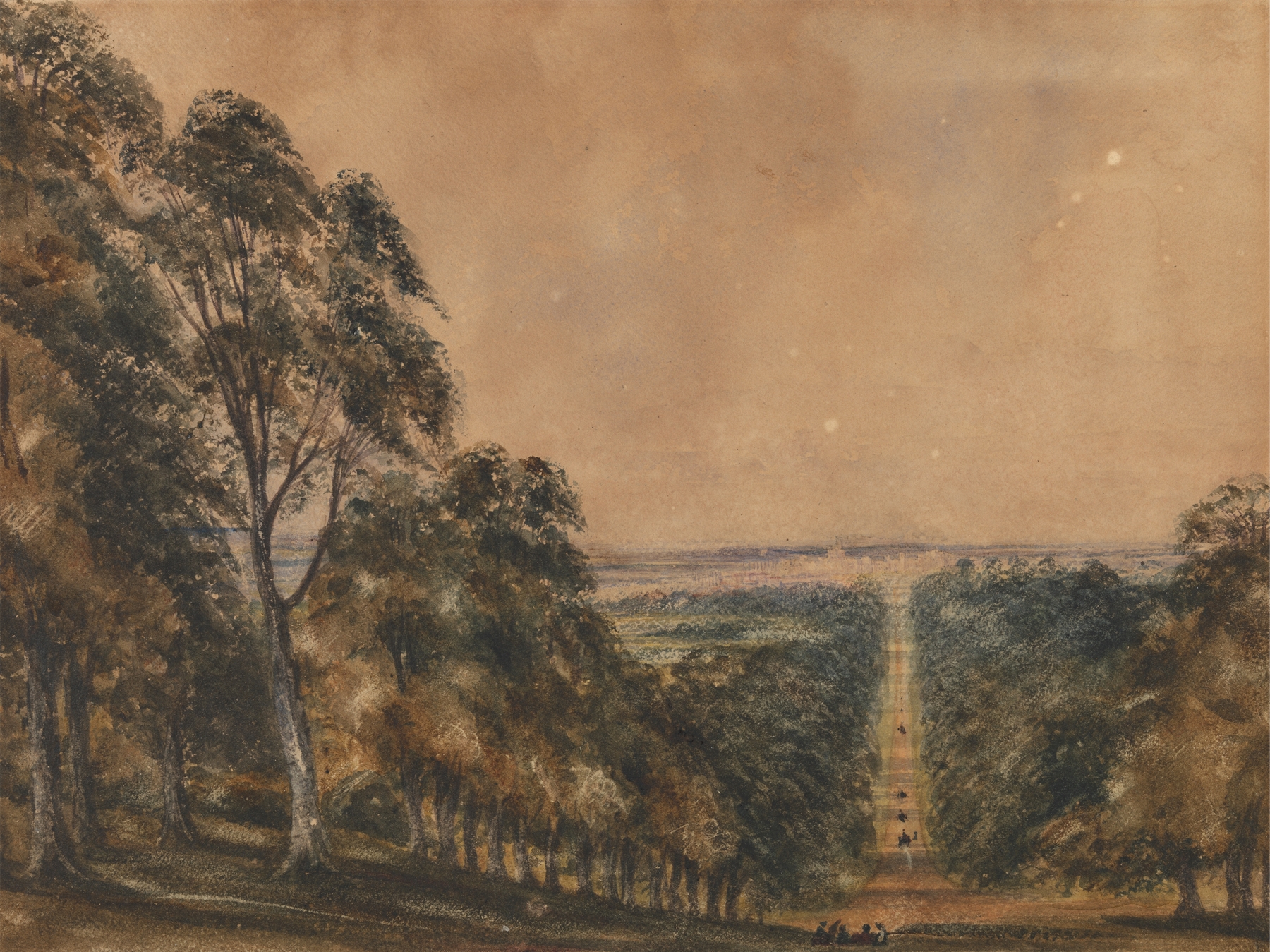
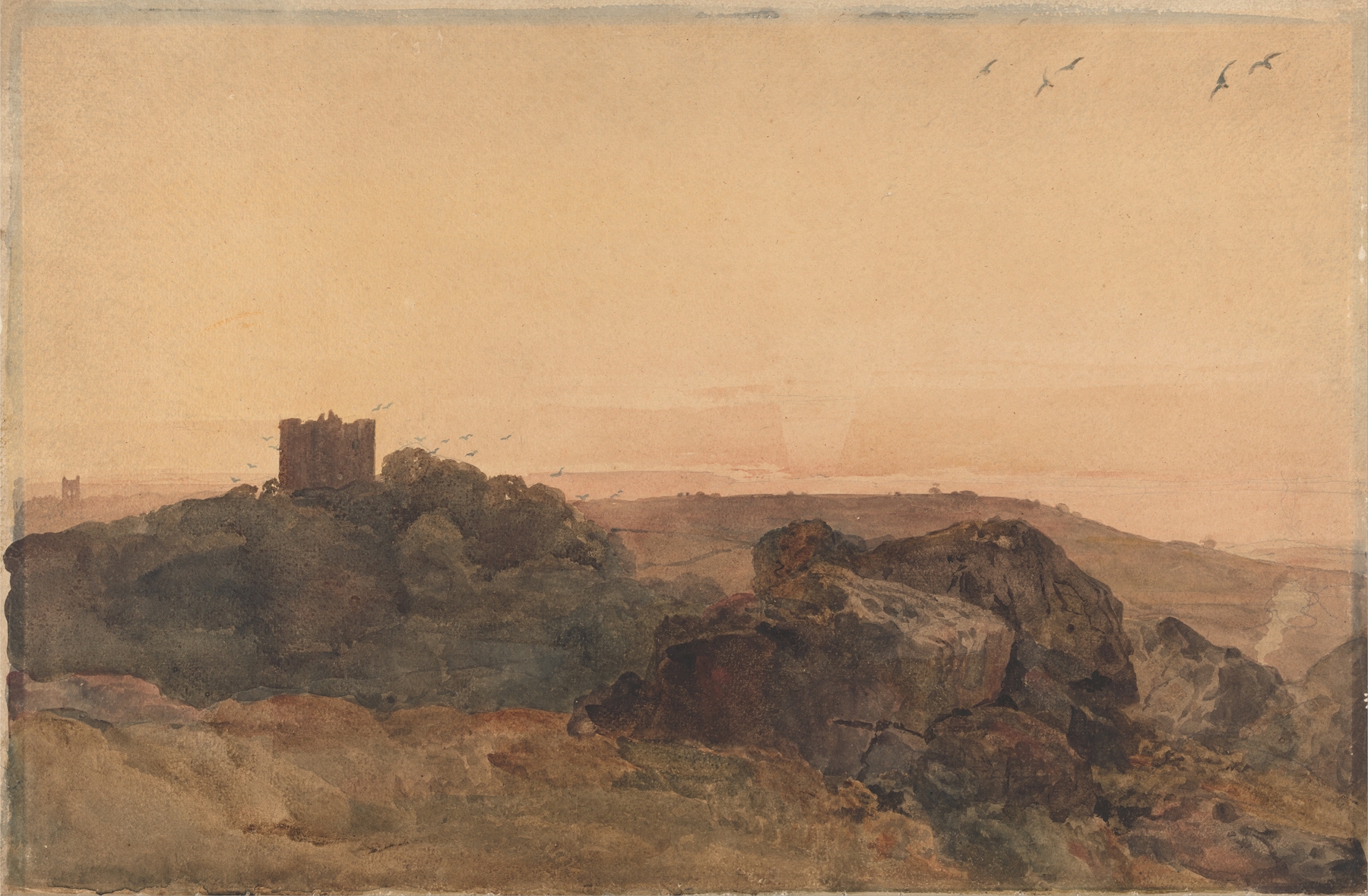
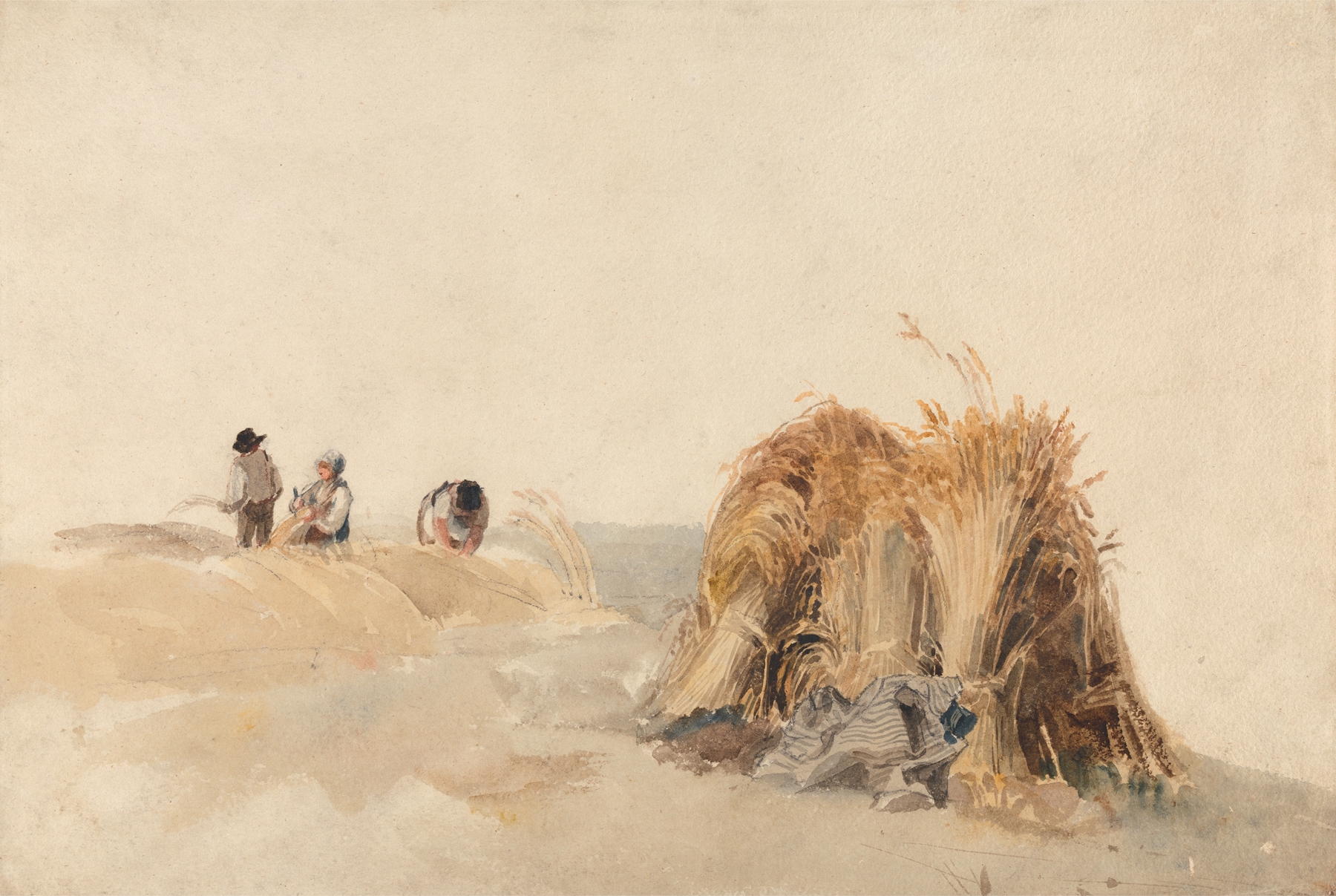
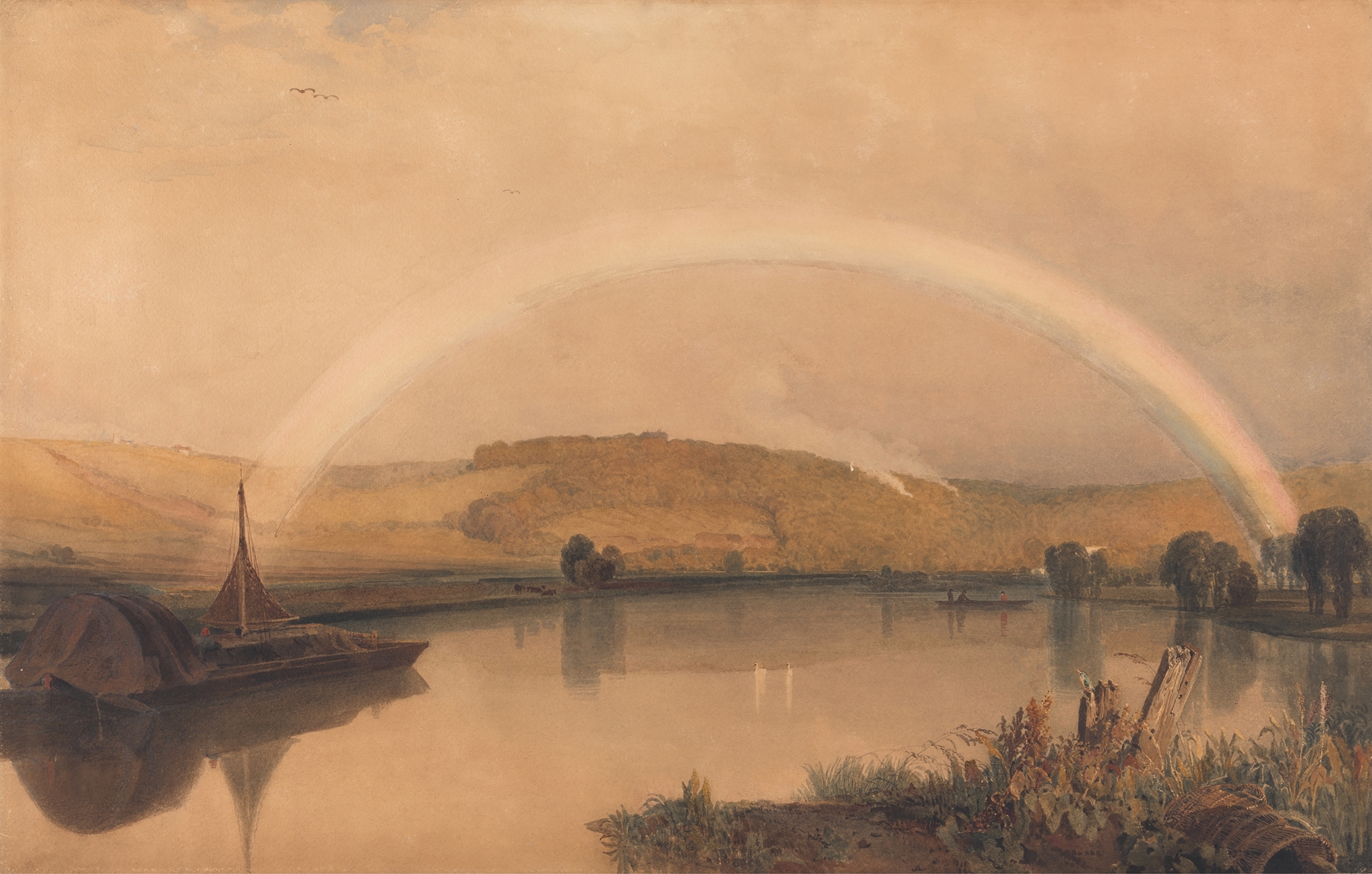
What if silence could speak through light? In Peter DeWint’s A Yorkshire Road, the whispering hues of dawn collectively convey a yearning for connection with the untamed beauty of nature. Look to the horizon, where soft pastels blend seamlessly into a muted sky, suggesting the early morning light just breaking free from night’s grasp. The winding road draws the eye along its gentle curve, inviting exploration while revealing the untouched landscape on either side.
Notice how the subtle strokes of green and brown illustrate the textures of the earth, and how the delicate brushwork conveys a sense of serenity, as if time itself has paused in reverence for the scene. Beneath the tranquil surface lies a tension between the solitary path and the expansive, open fields. The road, narrow and lonely, speaks to the human experience of yearning—an echo of desire for adventure, connection, or escape. Meanwhile, the enveloping landscape suggests both freedom and isolation, emphasizing the duality of the journey.
Each brushstroke invites contemplation, hinting at stories untold, beckoning the viewer to reflect on their own paths. Peter DeWint created this piece in the early 19th century while living in England, a period characterized by emerging Romantic ideals that celebrated nature and individual experience. His works often focused on the rural landscapes of Yorkshire, reflecting his deep appreciation for the sublime beauty of the English countryside amidst the evolving industrial world. This painting captures a moment of stillness, resonating with the artist's own longing for simplicity and connection to the land.