Abend am Brandenburger Tor — History & Analysis
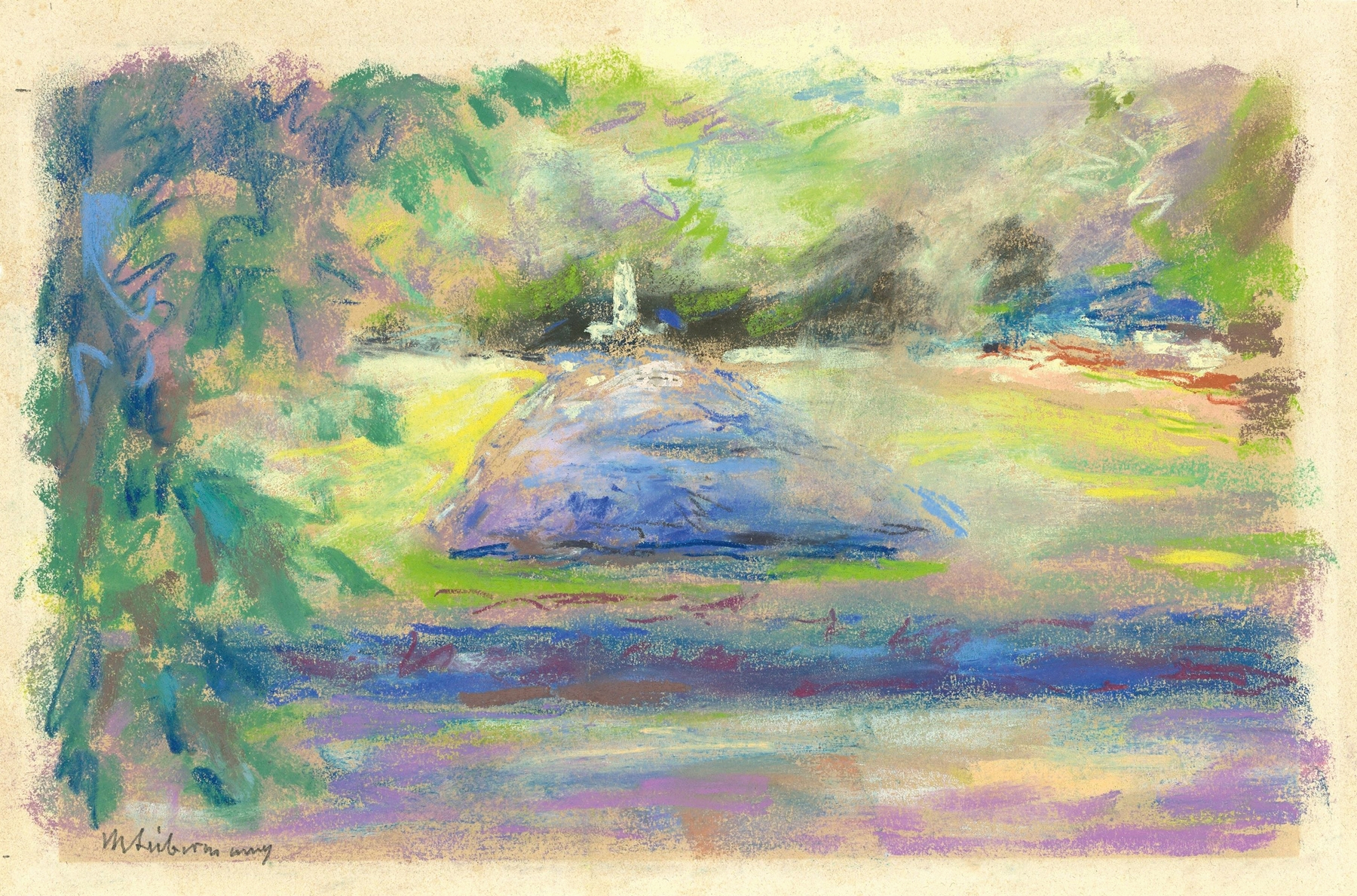
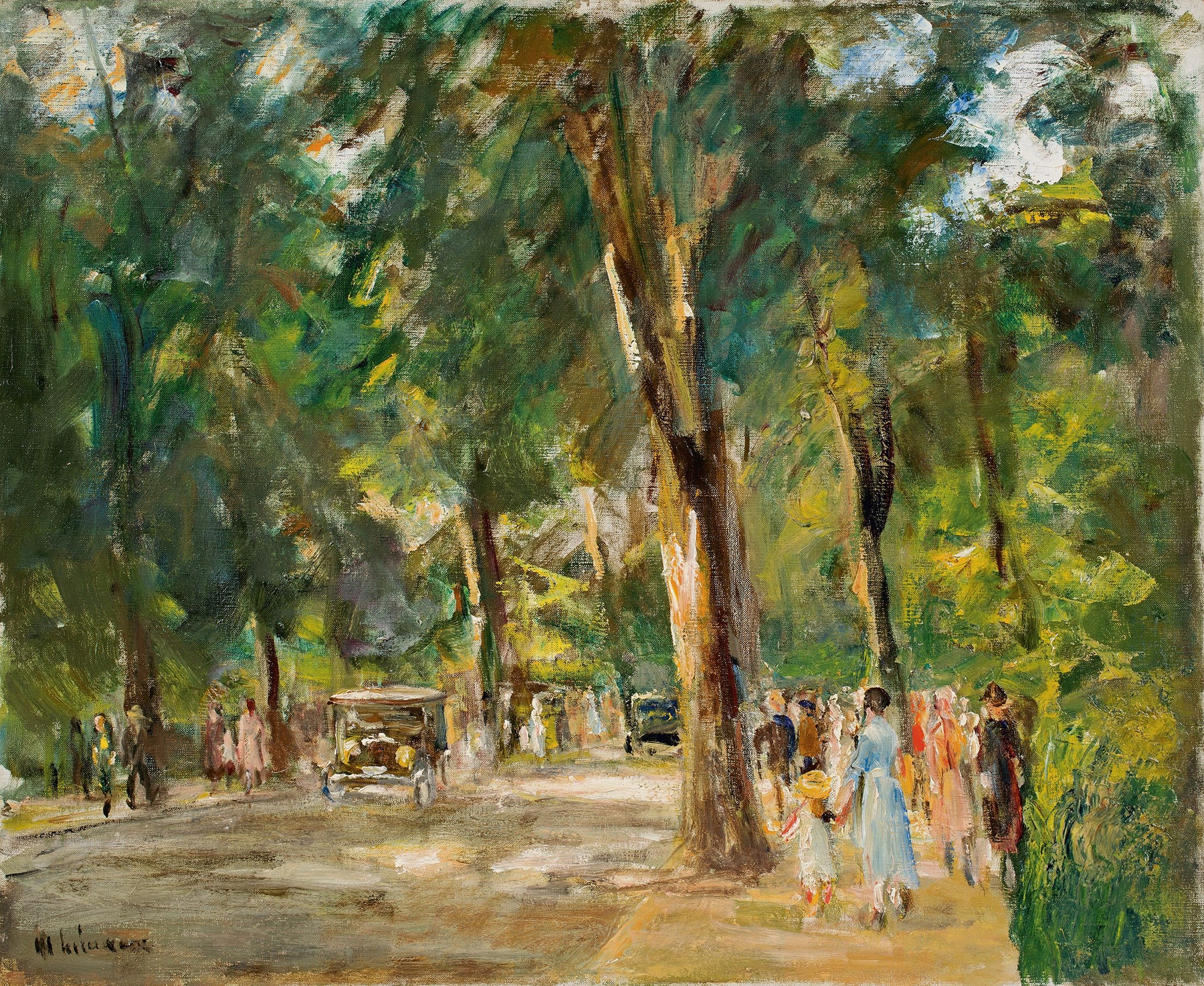
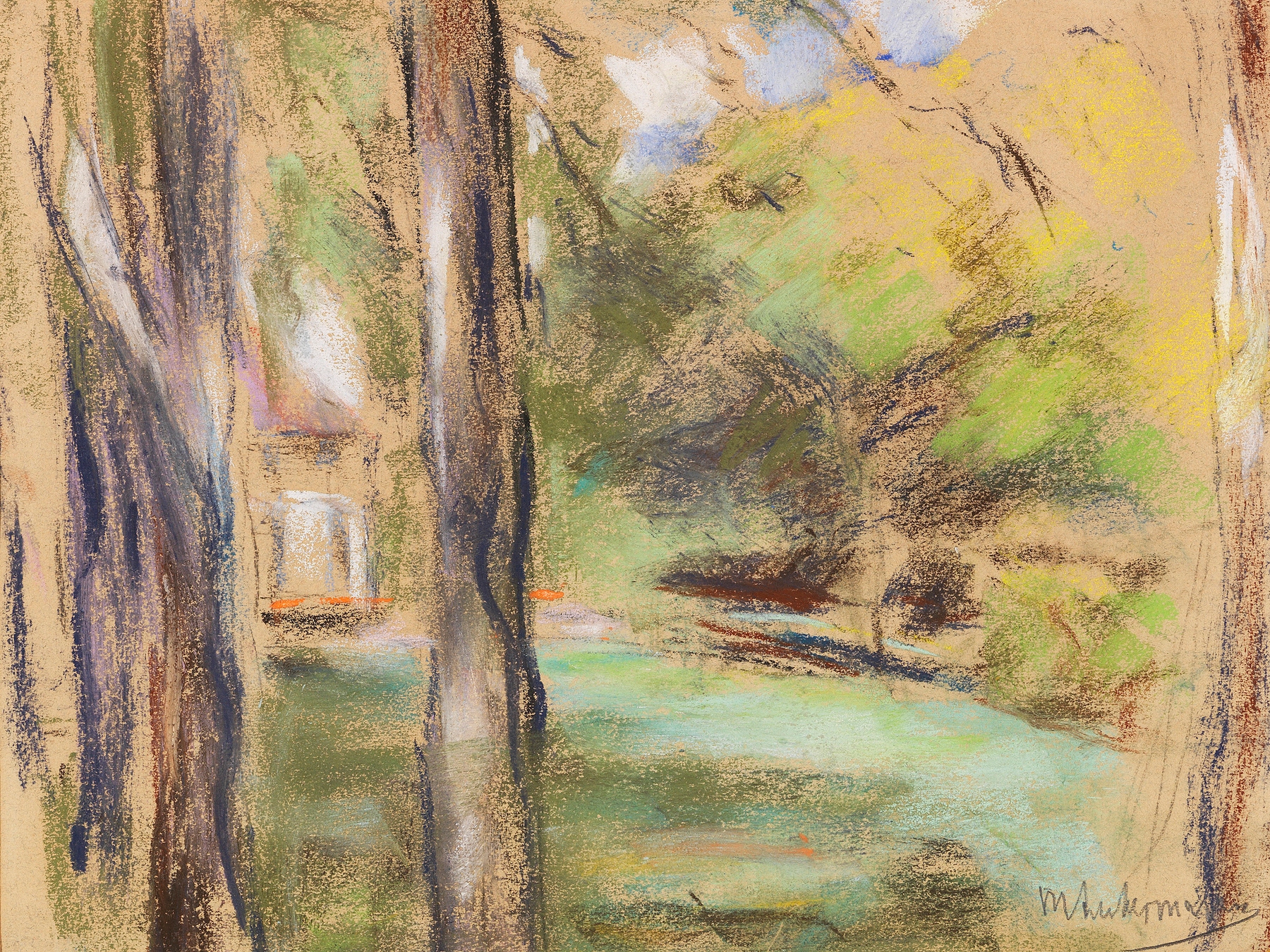
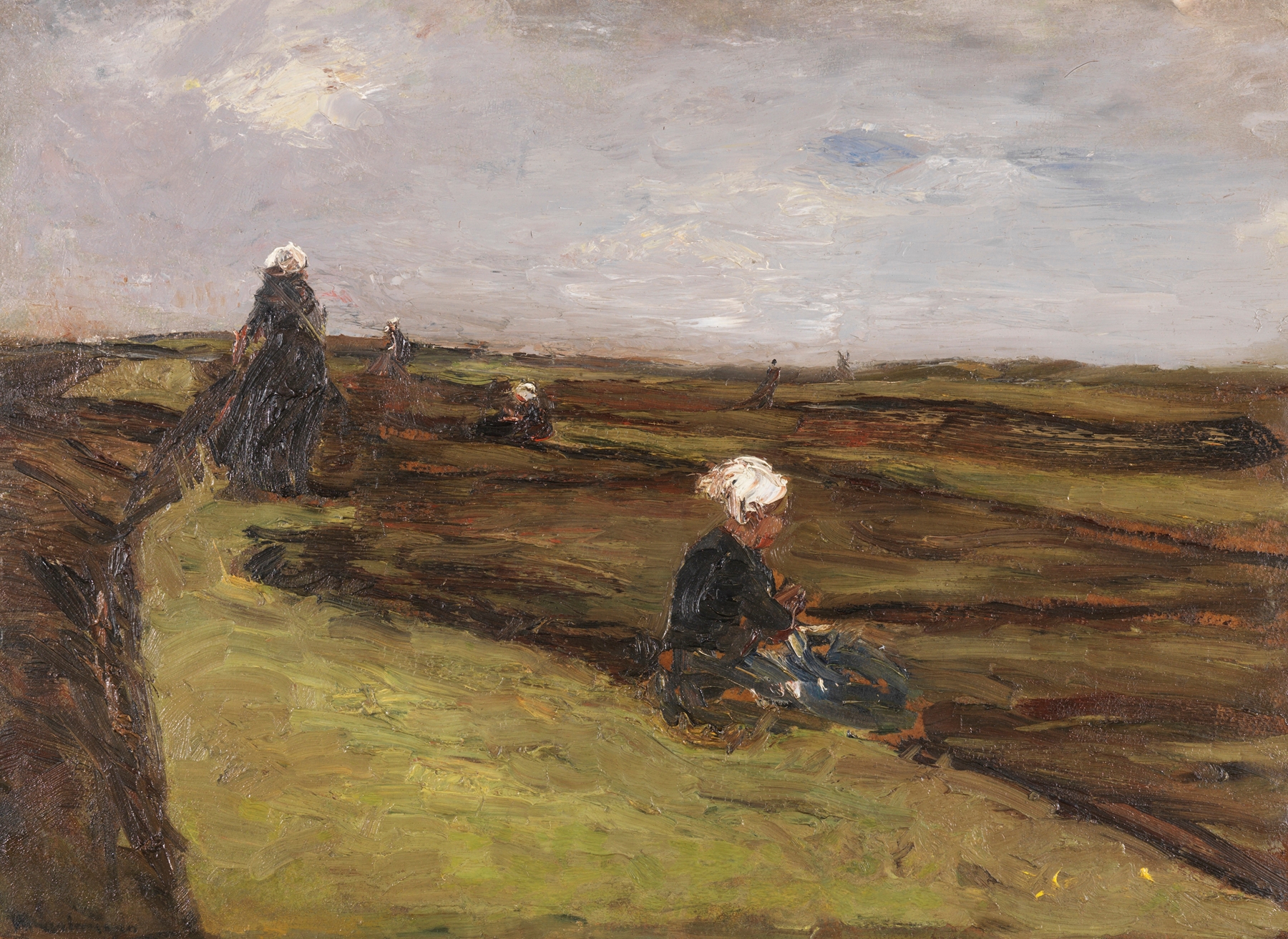
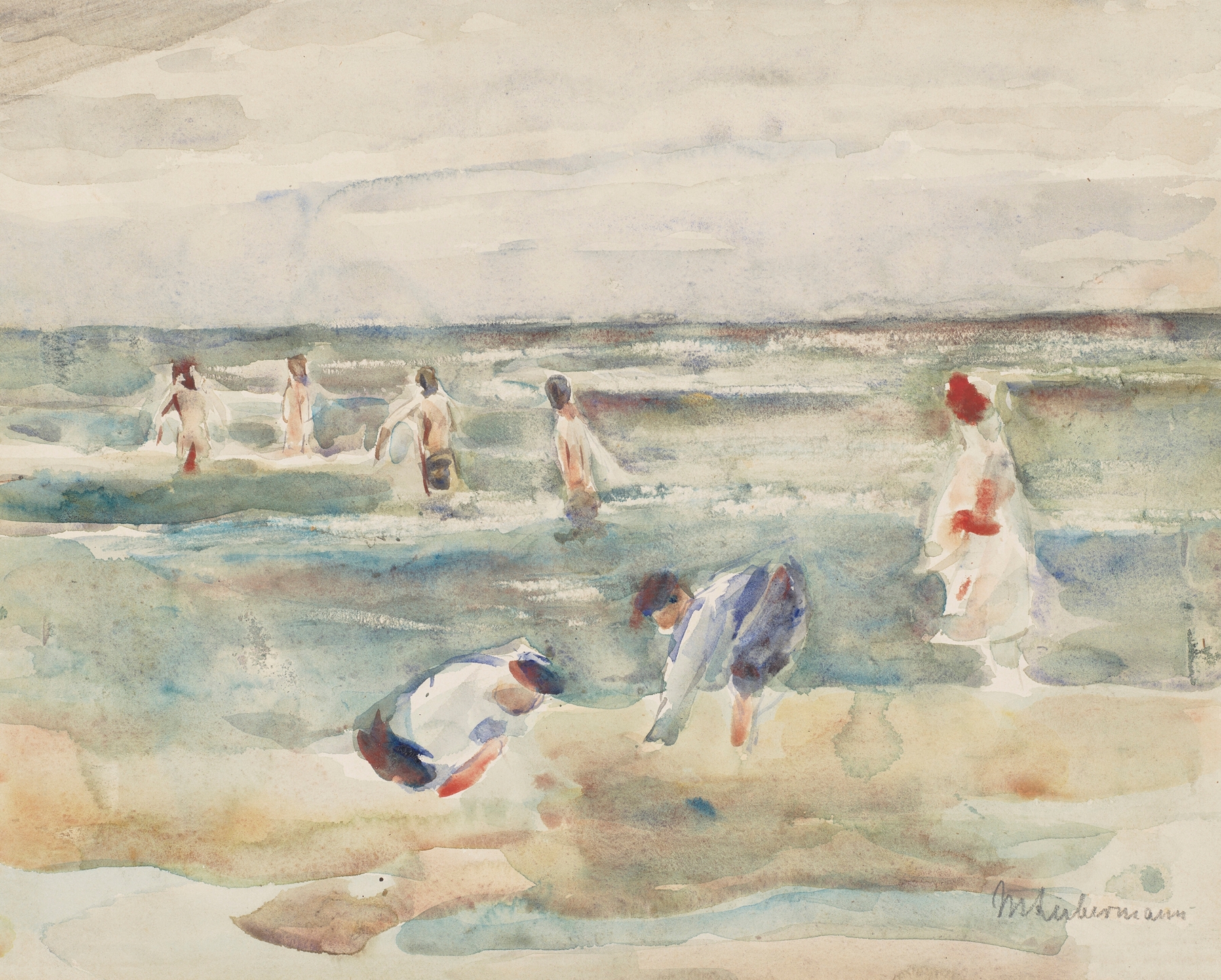
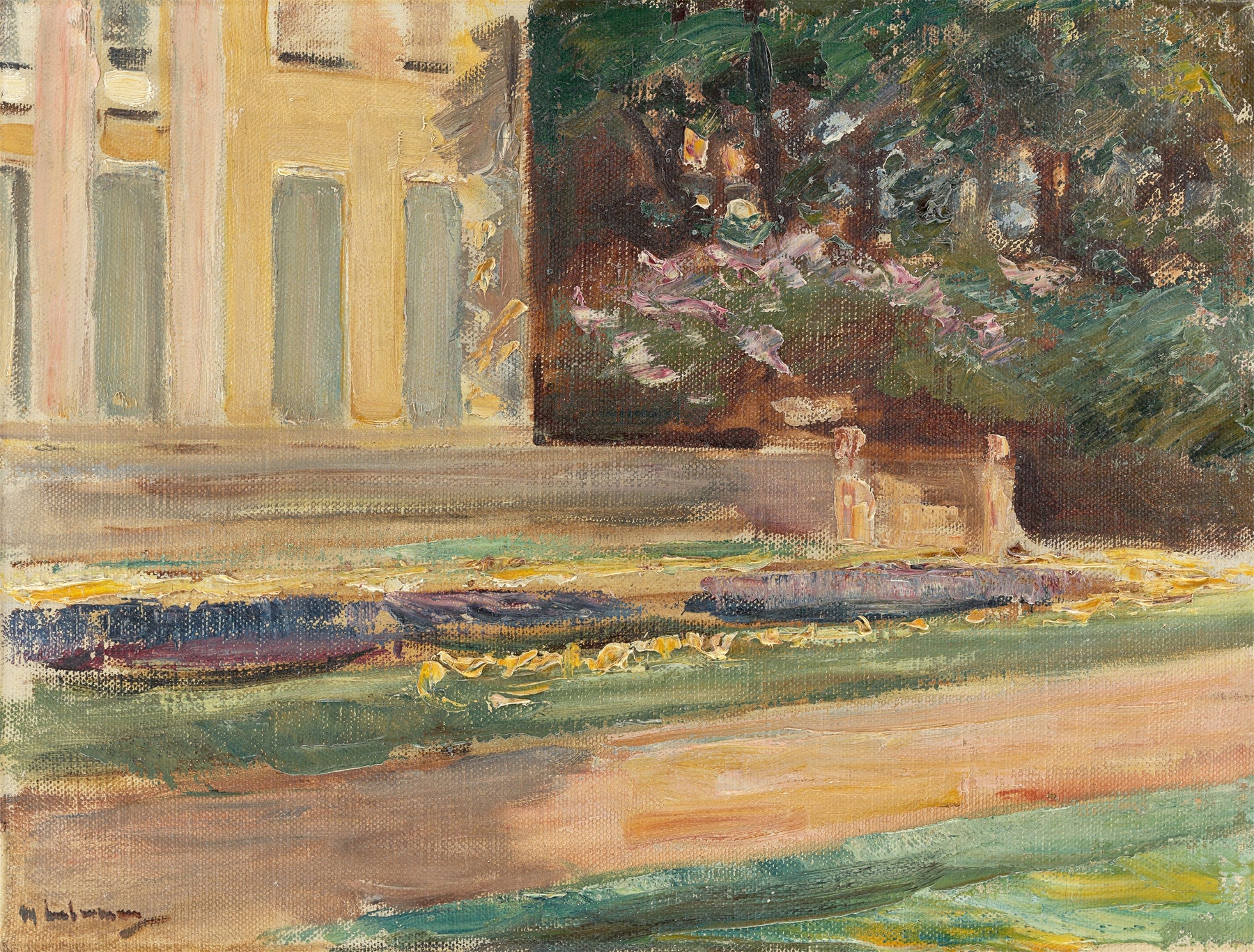
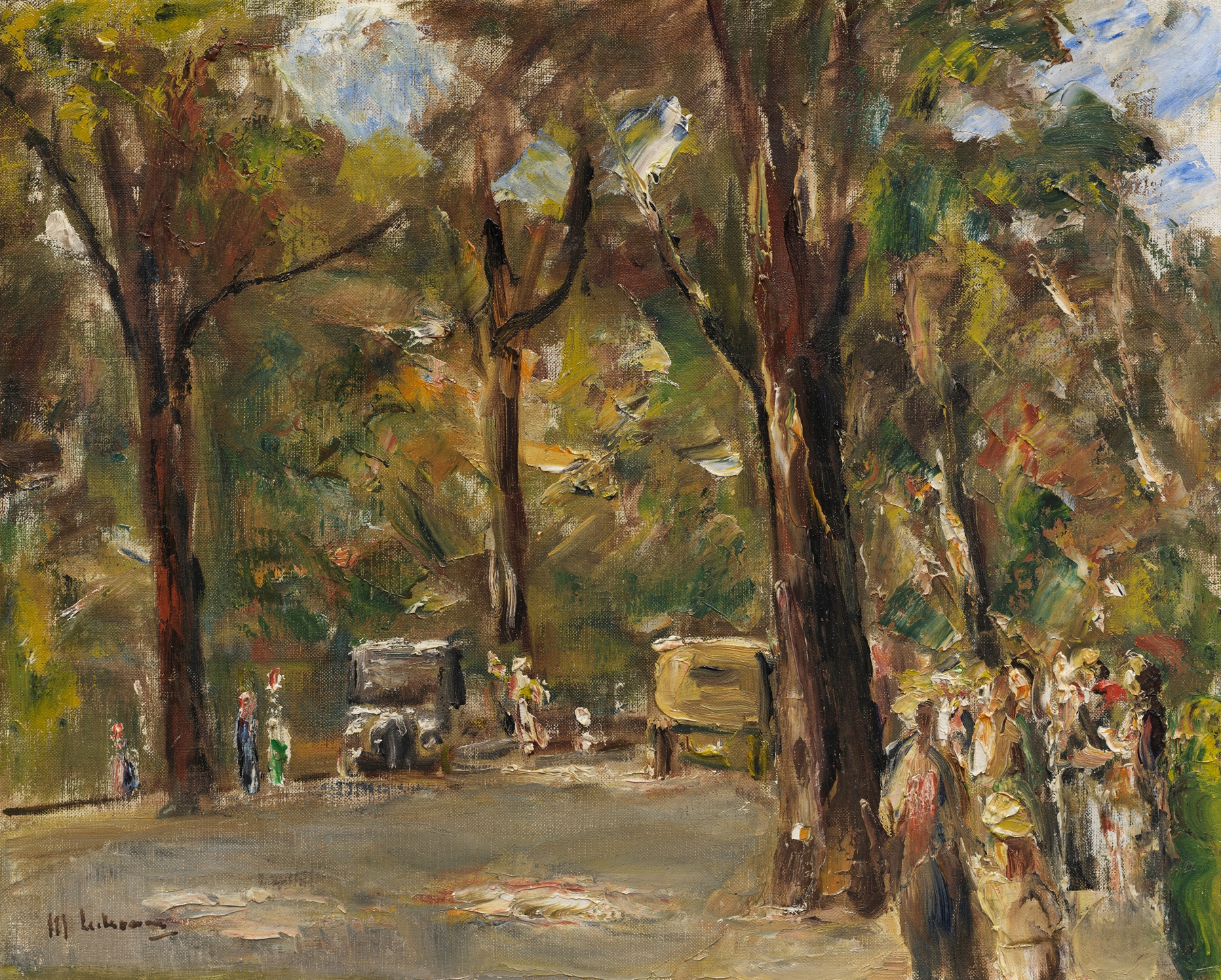
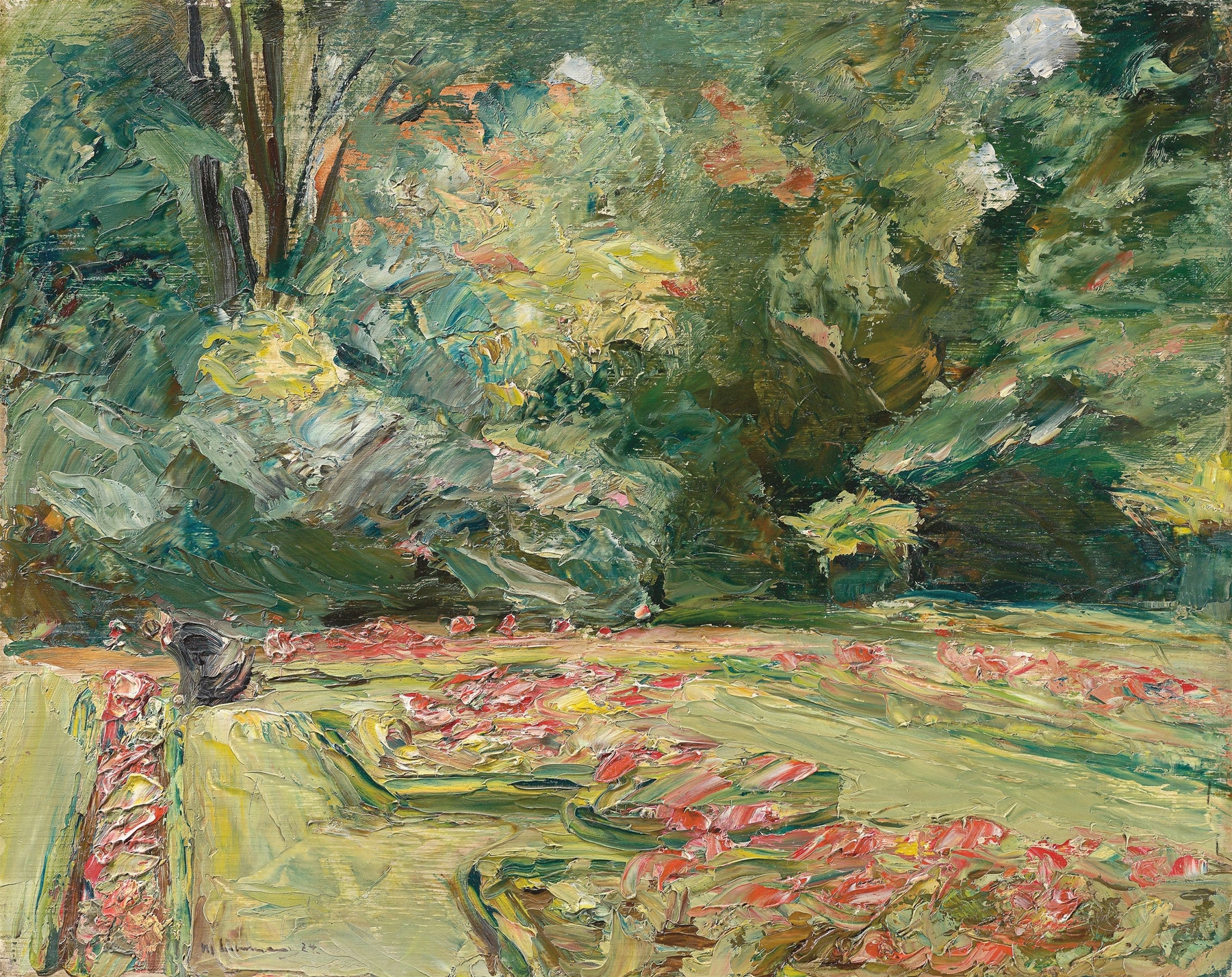
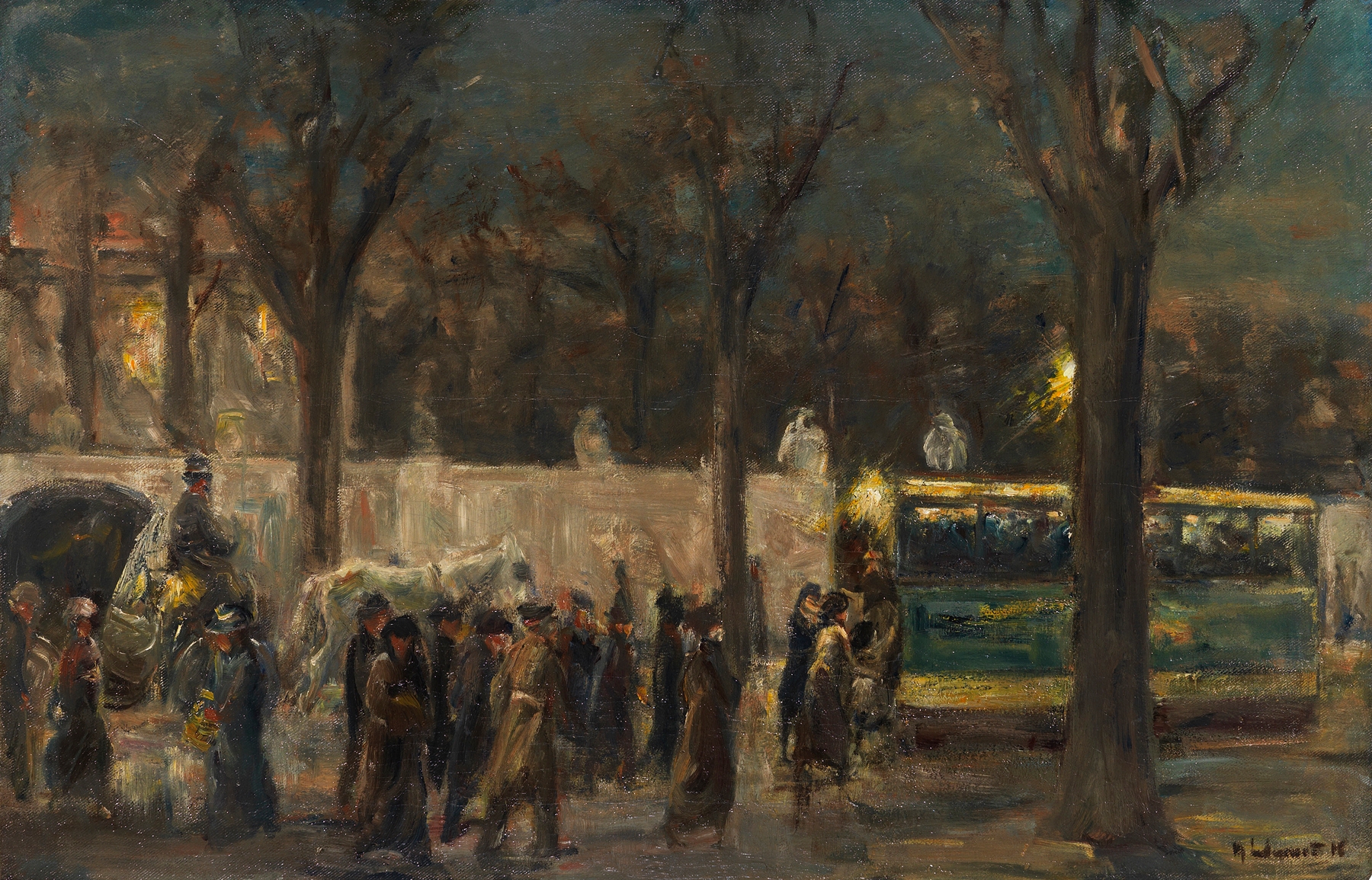
“Under the brush, chaos becomes grace.” This notion resonates deeply in a world where balance teeters on the edge of uncertainty, reflecting the delicate harmony of life itself. Look closely at the painting's vivid palette; hues of orange and purple cascade across the canvas, evoking a twilight sky that envelops the iconic Brandenburger Tor. Focus on the figures positioned in the foreground, their silhouettes engaged in animated conversation, as the light softly caresses the edges of their forms. The interplay of light and shadow creates a mesmerizing tension.
The brushwork is loose yet deliberate, guiding the eye toward the structure's majestic columns, which stand resolutely in the background, a testament to stability amidst the fluidity of the evening. Within this careful composition, contrasts emerge: the stillness of the monument juxtaposed against the vibrant energy of the people. Each character appears caught in a fleeting moment, highlighting the ephemeral nature of human interaction. The rich colors contribute to a sense of nostalgia, as if time has paused to reflect upon the beauty of connection in an ever-changing world.
Here, the interplay of chaos and grace becomes not just visible but profoundly felt. Painted in 1916, during a tumultuous period marked by war and societal upheaval, this work captures the artist's desire to convey peace and unity. Living in Berlin, Liebermann experienced the stresses of a city caught in conflict yet sought solace in the depiction of everyday life. His artistic approach reflects the broader movement of Impressionism, striving to portray the transient moments that define human experiences even in times of turmoil.