Abend im Moor — History & Analysis
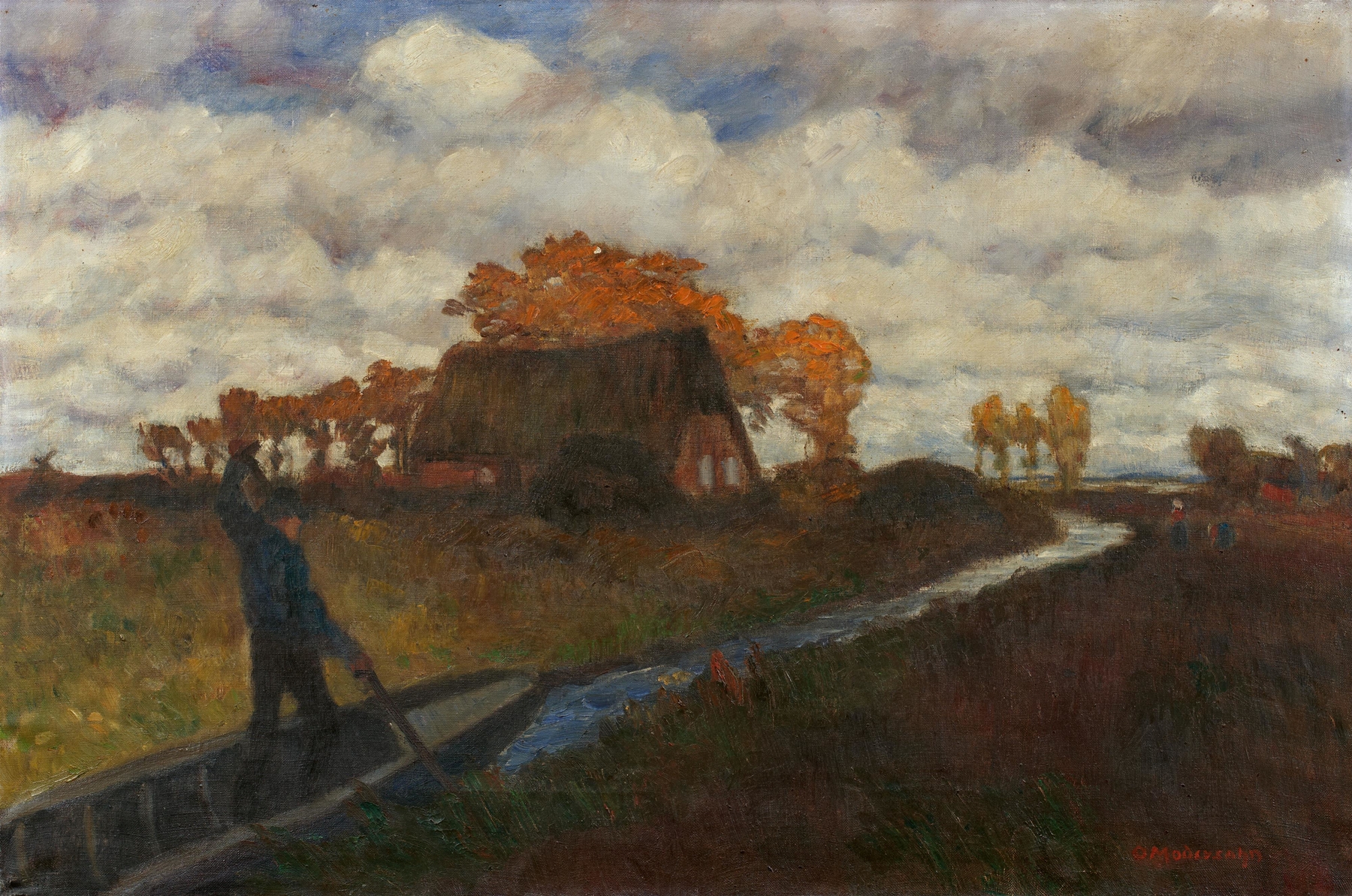
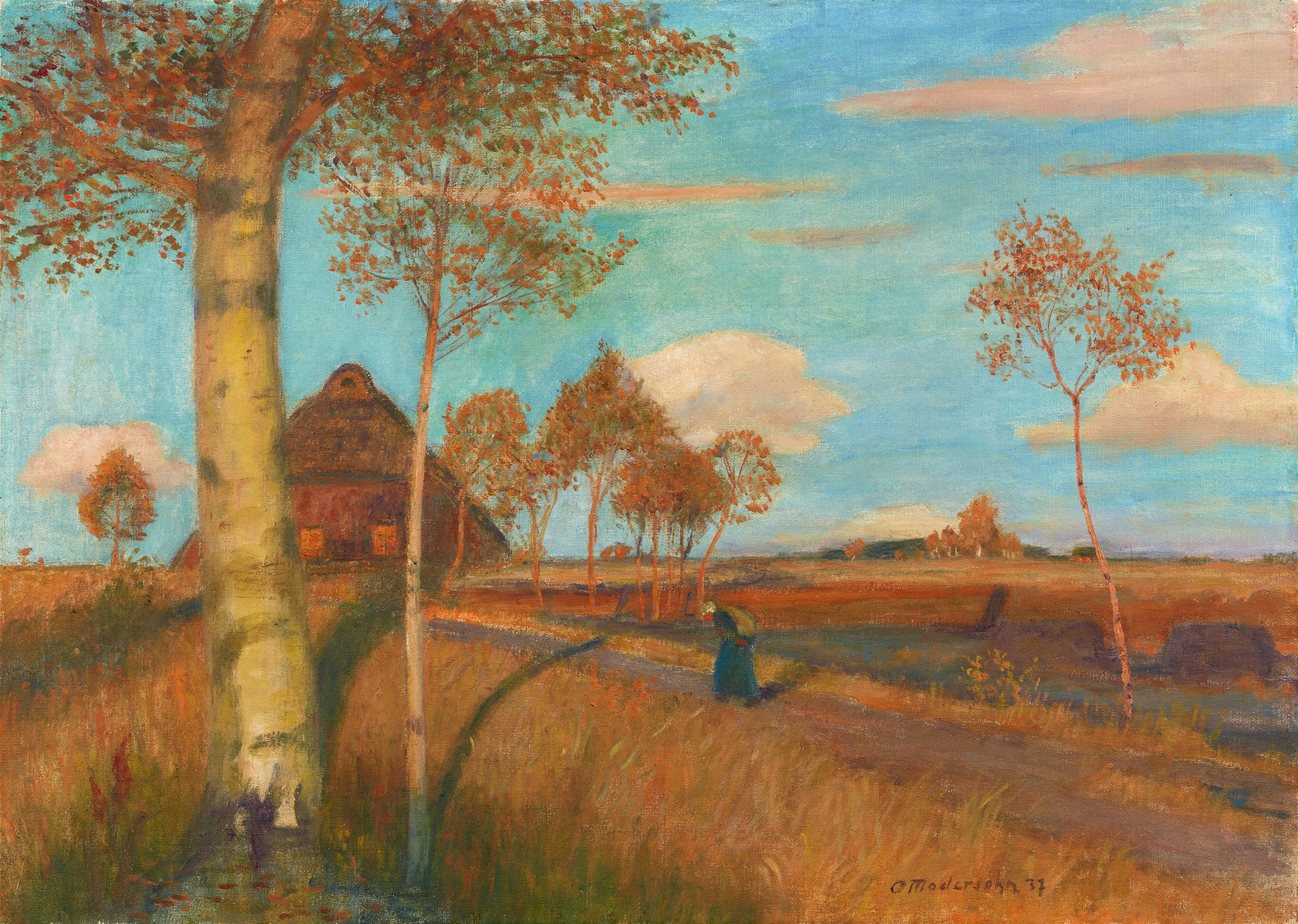
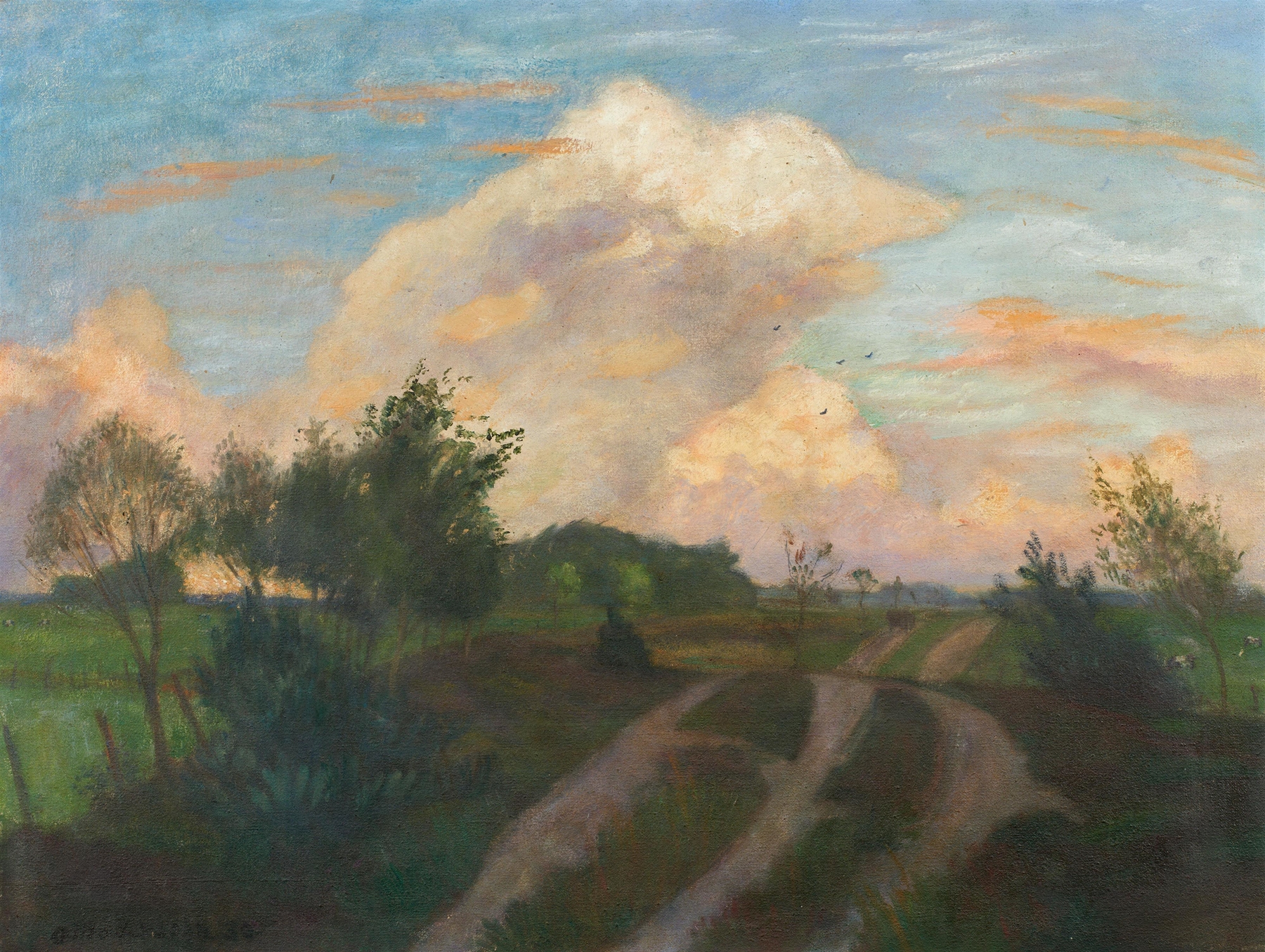
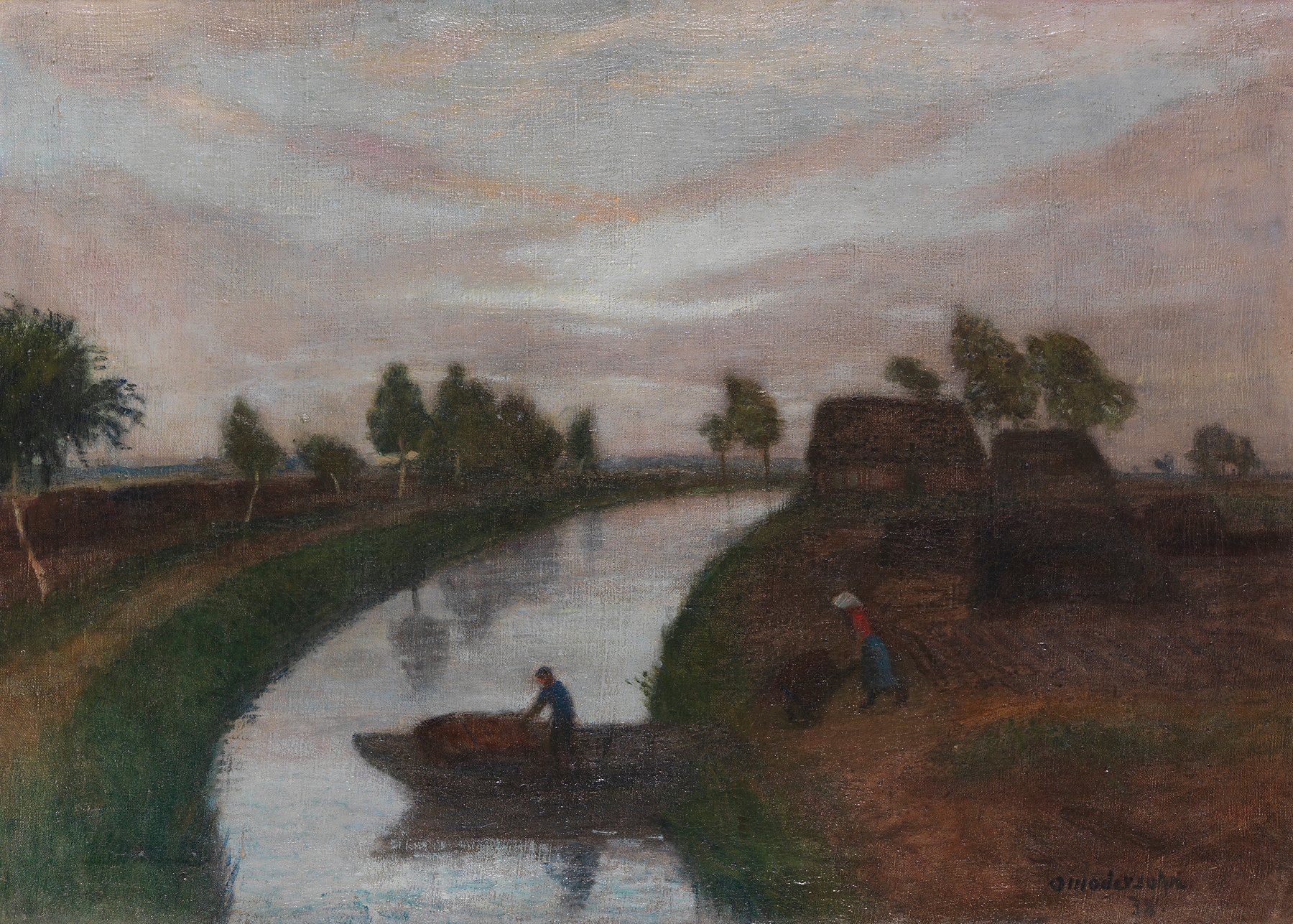
“To paint is to remember what time wants us to forget.” In moments of stillness, the unspoken violence of memory lurks beneath the surface, waiting to be unearthed. Look closely at the foreground, where muted greens and browns merge, creating a somber landscape that appears both serene and foreboding. The gentle curve of the horizon guides your eyes to a small gathering of trees, their branches reaching out like weary hands. Notice how light, filtering through the foliage, creates a chiaroscuro effect, casting elongated shadows that suggest an unsettling presence within the tranquil scene.
The composition feels tightly controlled, yet hints at an undercurrent of tension — a reminder of nature's unpredictable ferocity. In the subtle interplay of colors and textures, the painting evokes a powerful contrast between peace and turmoil. The lushness of the moor, with its vibrant flora, stands in stark opposition to the dark shadows that loom, whispering of past traumas and lost time. This duality invites contemplation on the nature of existence itself — how beauty can coexist with violence, both in the landscape and within our own memories.
Each brushstroke seems to capture the lingering echoes of conflict, urging the viewer to confront what lies beneath the surface of tranquility. During the late 1920s, while residing in Germany, Otto Modersohn painted this poignant piece, reflecting the tumultuous atmosphere of post-World War I Europe. The art world was undergoing significant transformations, grappling with the aftermath of conflict and the rise of modernist movements. In this context, the artist sought to capture the complexities of nature and human emotion, infusing his landscape with profound depth and introspection.