Regenstimmung im Moor — History & Analysis
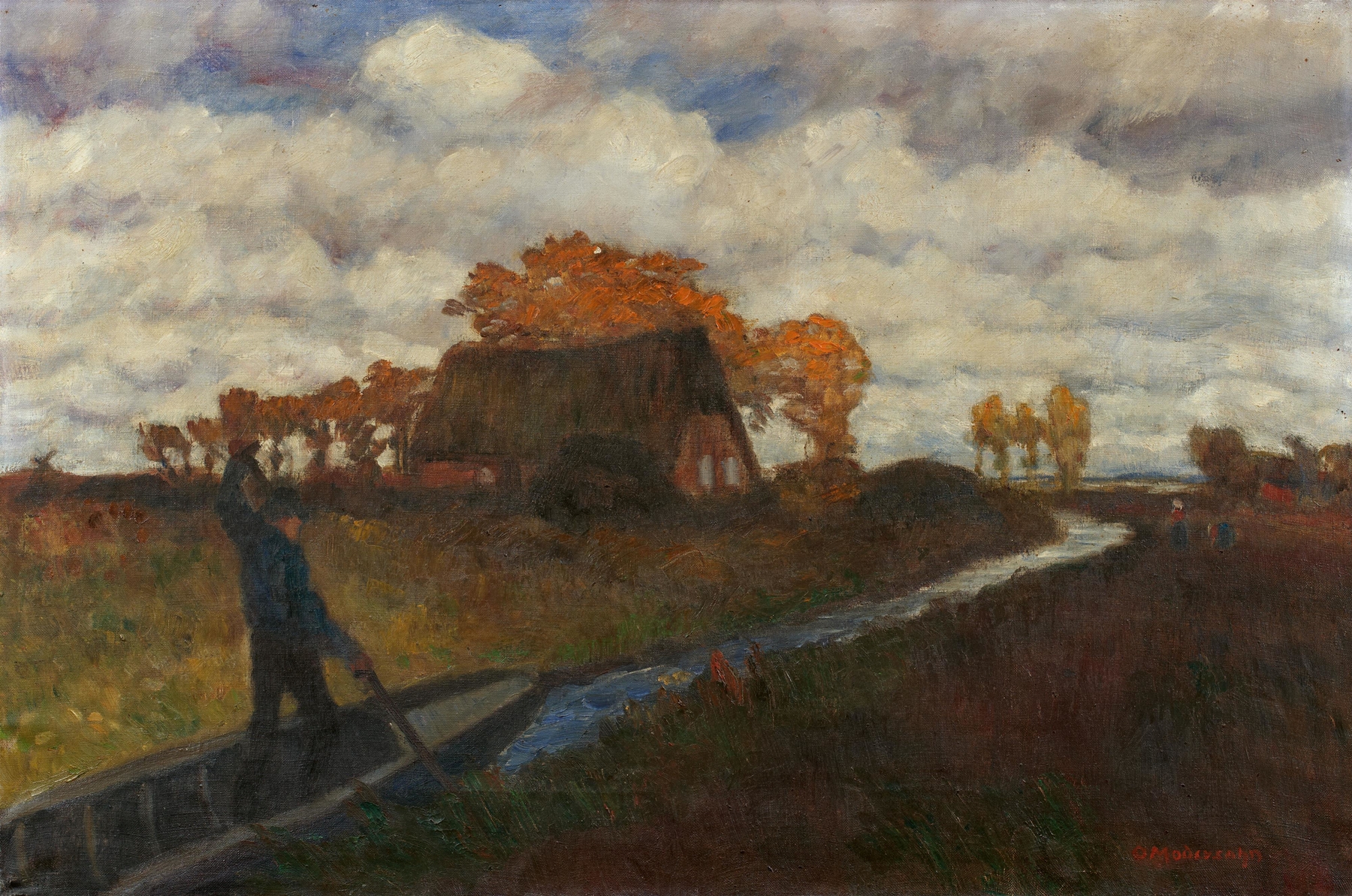
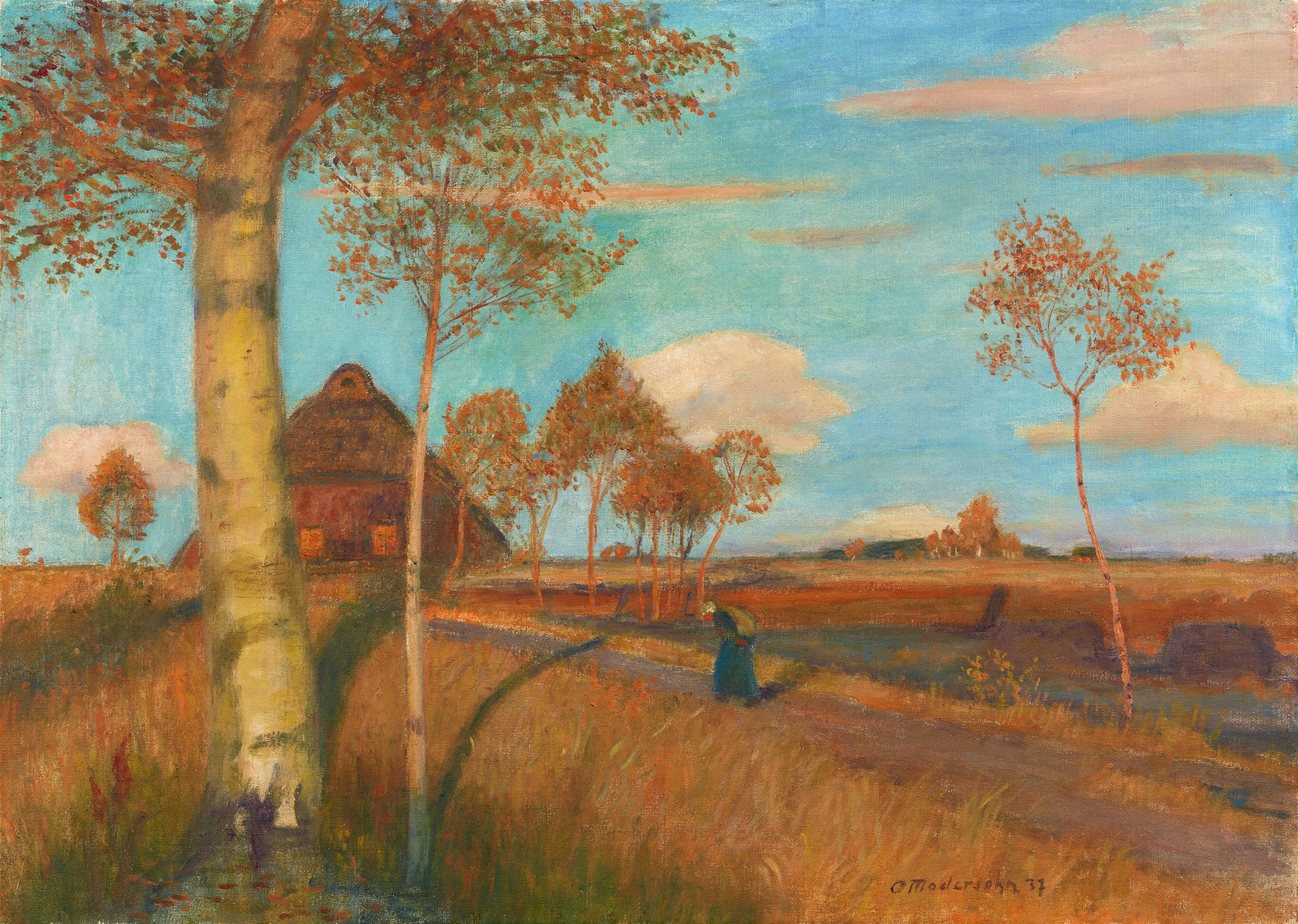
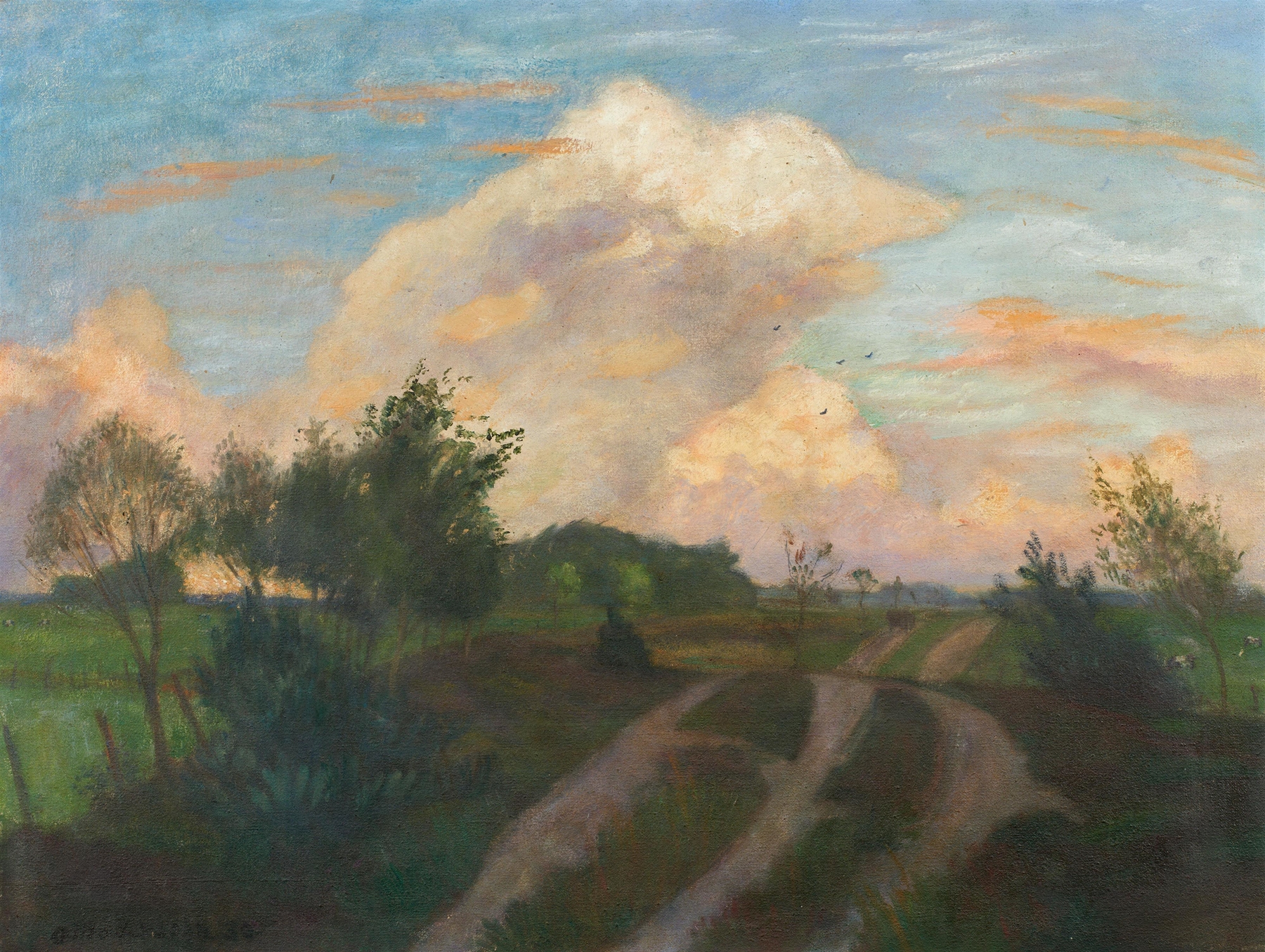
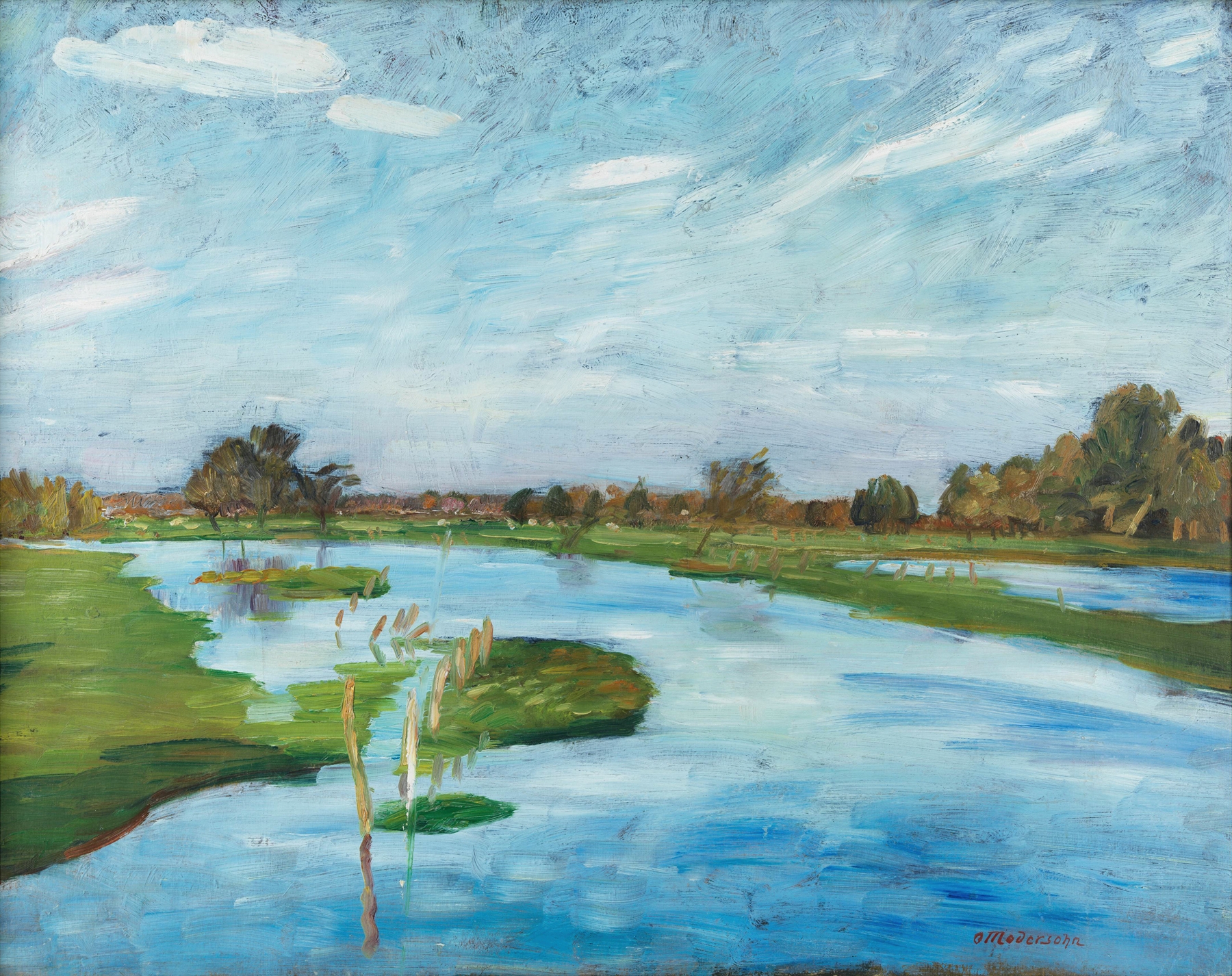
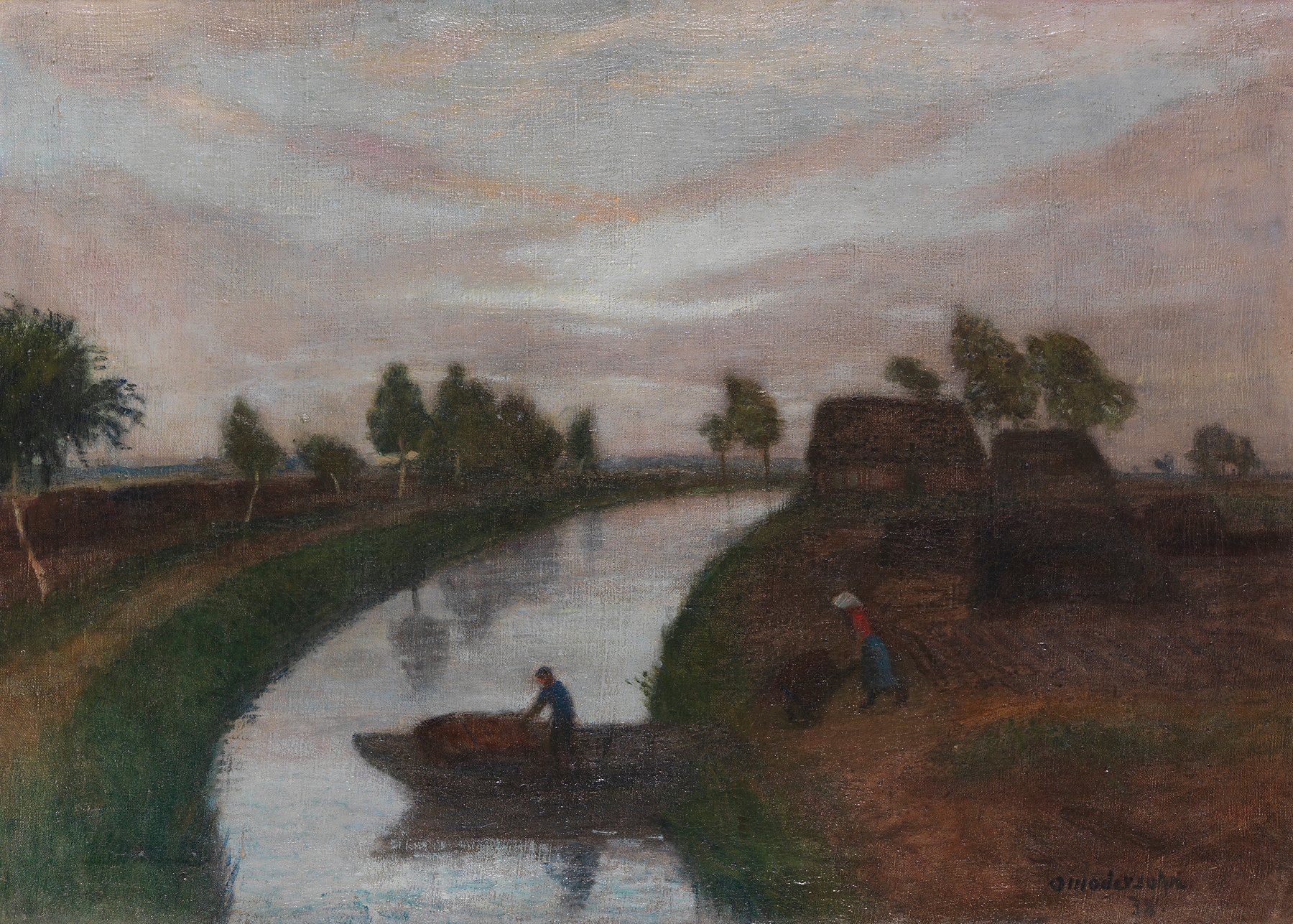
What if silence could speak through light? In Otto Modersohn's Regenstimmung im Moor, we are invited into a world where the atmosphere hums with the quiet drama of nature, evoking profound awe and introspection. Look to the center, where the lush greens of the moor converge with the soft blues of the sky. Notice how the gentle brushstrokes define the interplay of light and shadow, creating a sense of depth that draws the viewer into the scene.
The colors are muted yet vibrant, capturing the essence of a rain-soaked landscape, while the low-hanging clouds seem to cradle the earth, enveloping it in a soft, melancholic embrace. This work is rich with hidden meanings, reflecting the tension between tranquility and turmoil. The subtle dynamic of the light suggests an impending storm, while the serene, undisturbed surface of the moor hints at nature's resilience. Each brushstroke embodies the artist's relationship with the environment, revealing a world that, despite its somber tones, is teeming with life and possibility.
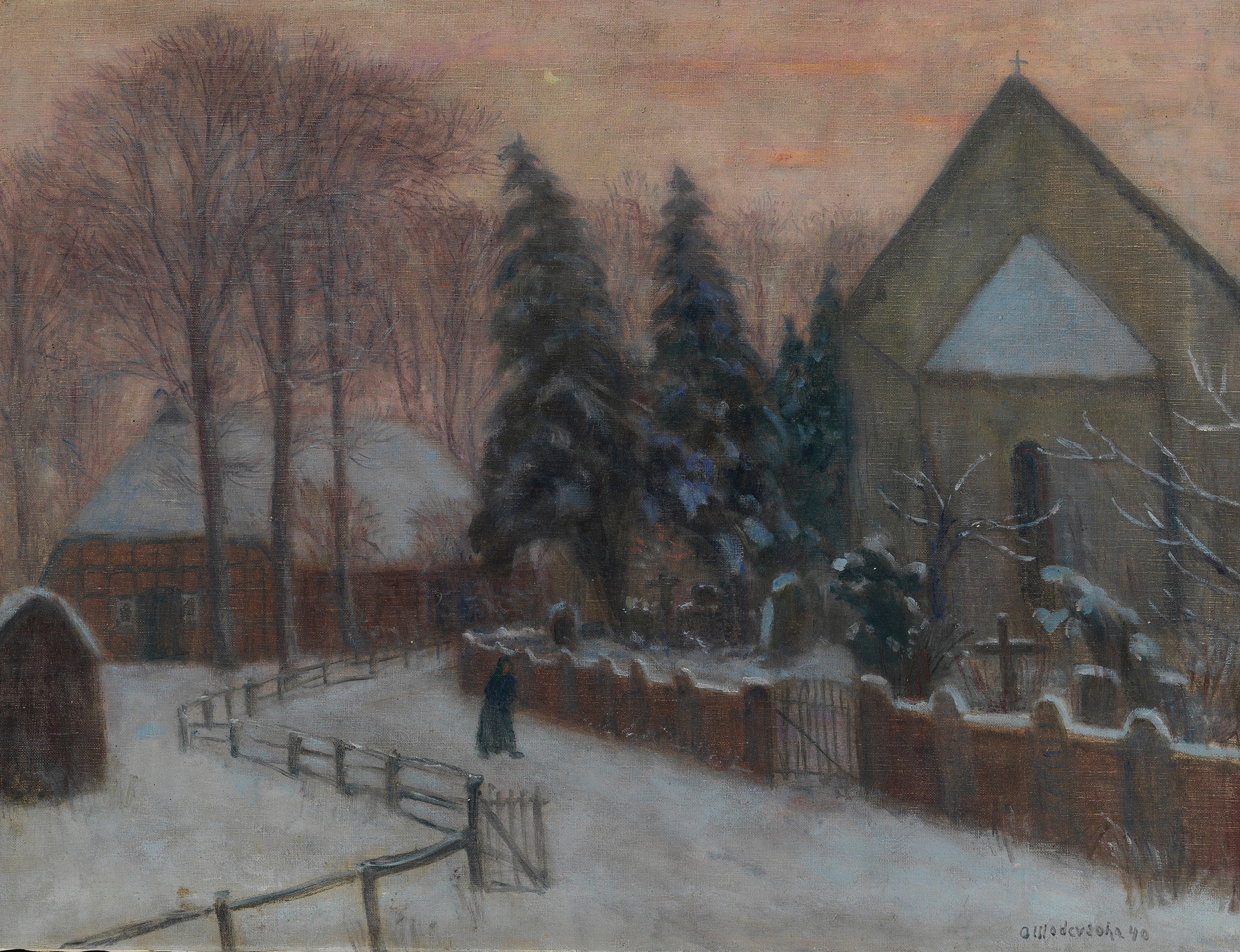
In 1940, Modersohn created this piece during a time of personal and global strife, reflecting the uncertainty of the era. Living in Germany, he was influenced by the emotional weight of the world around him and the evolution of modernist landscapes. His explorations in color and form were pivotal, capturing not only the physical landscape but also the emotional landscape of his time.