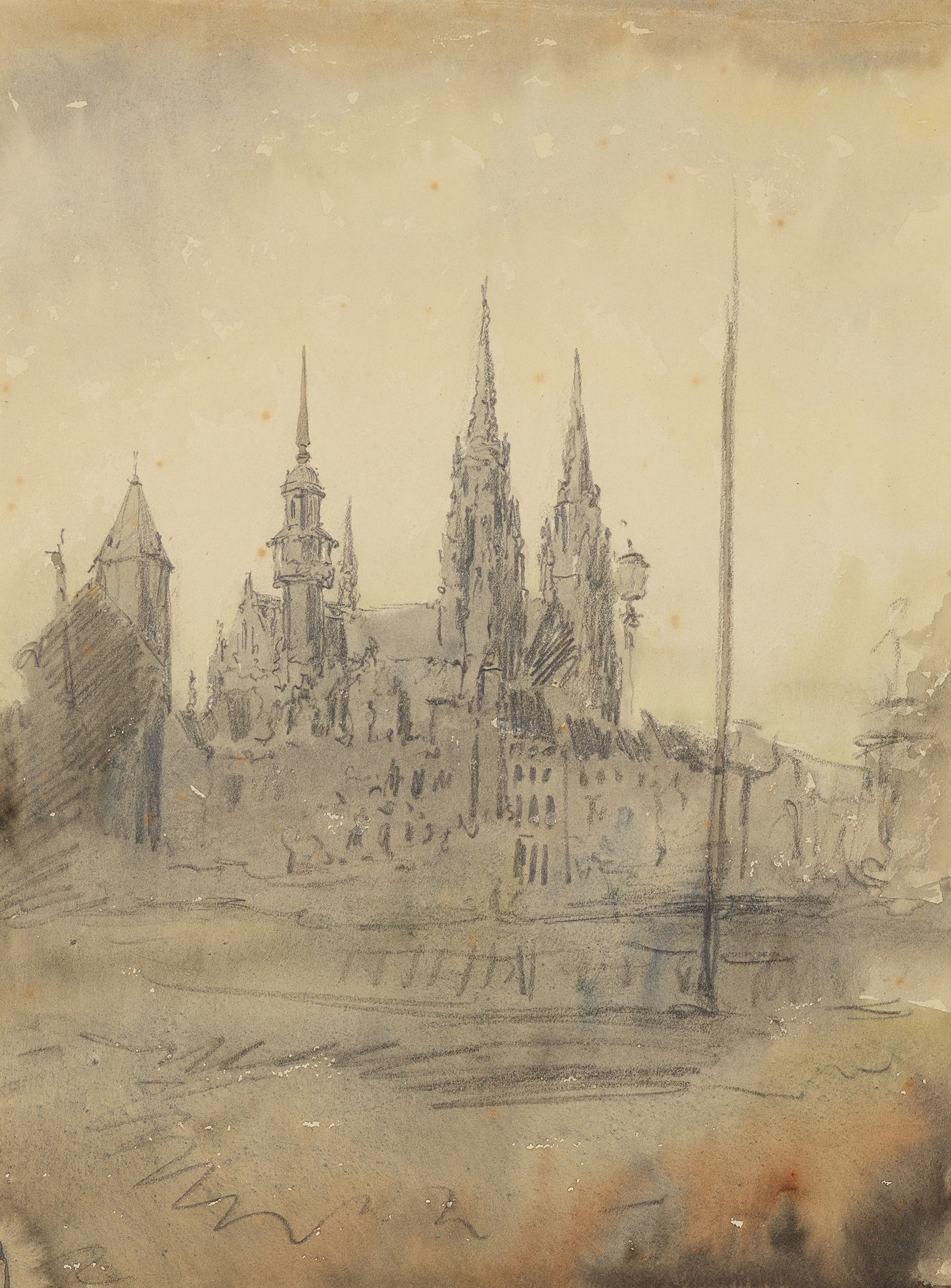
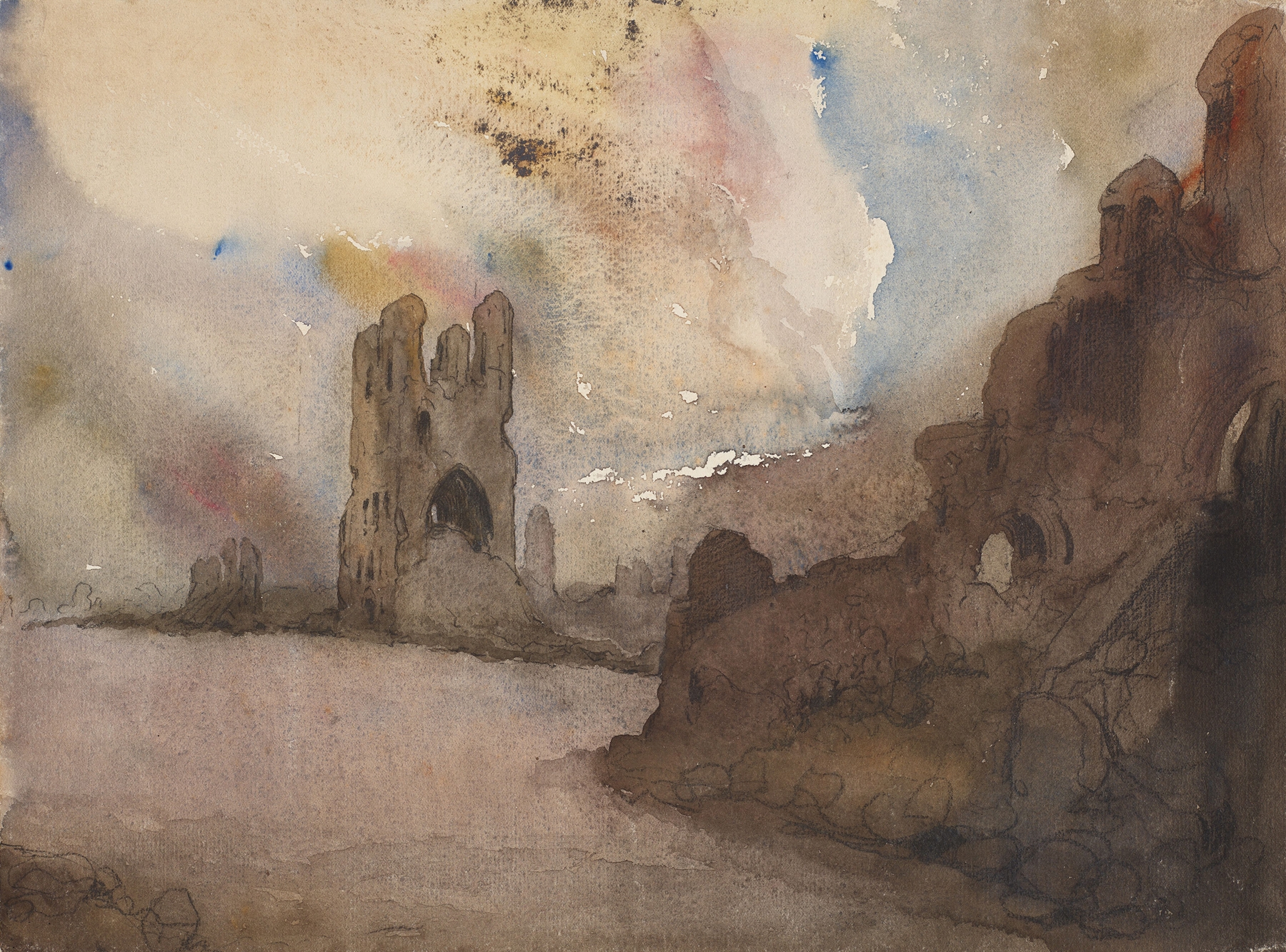
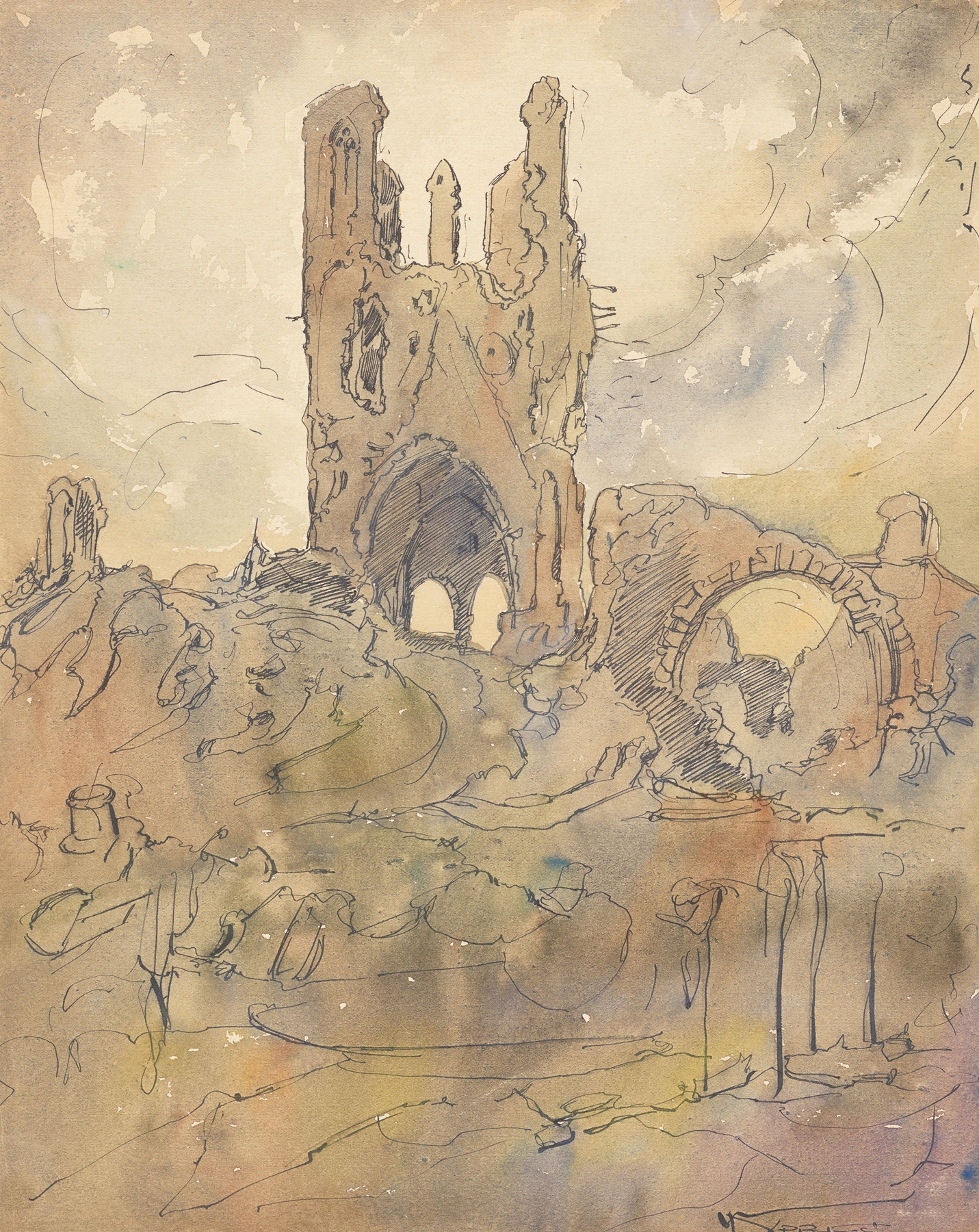
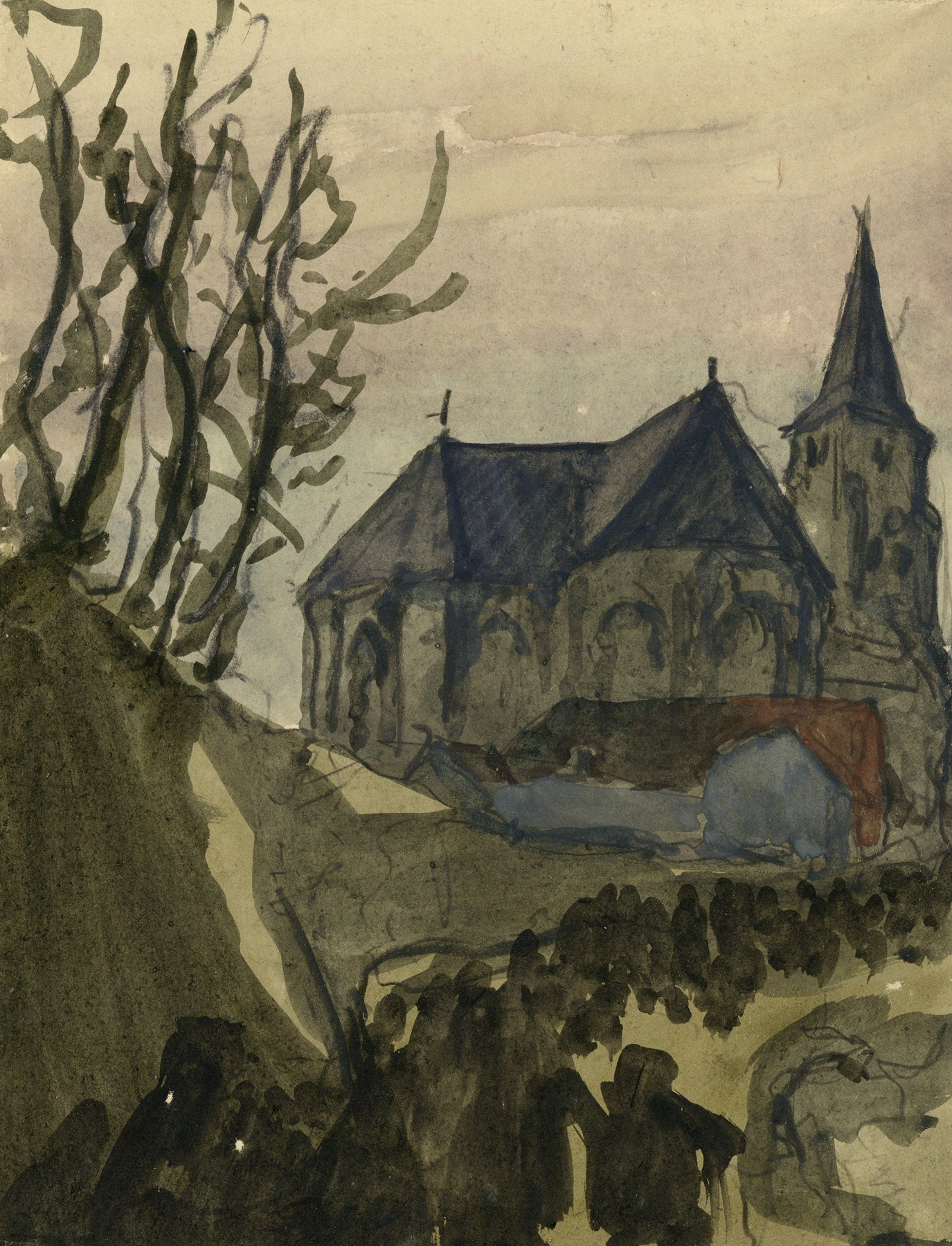
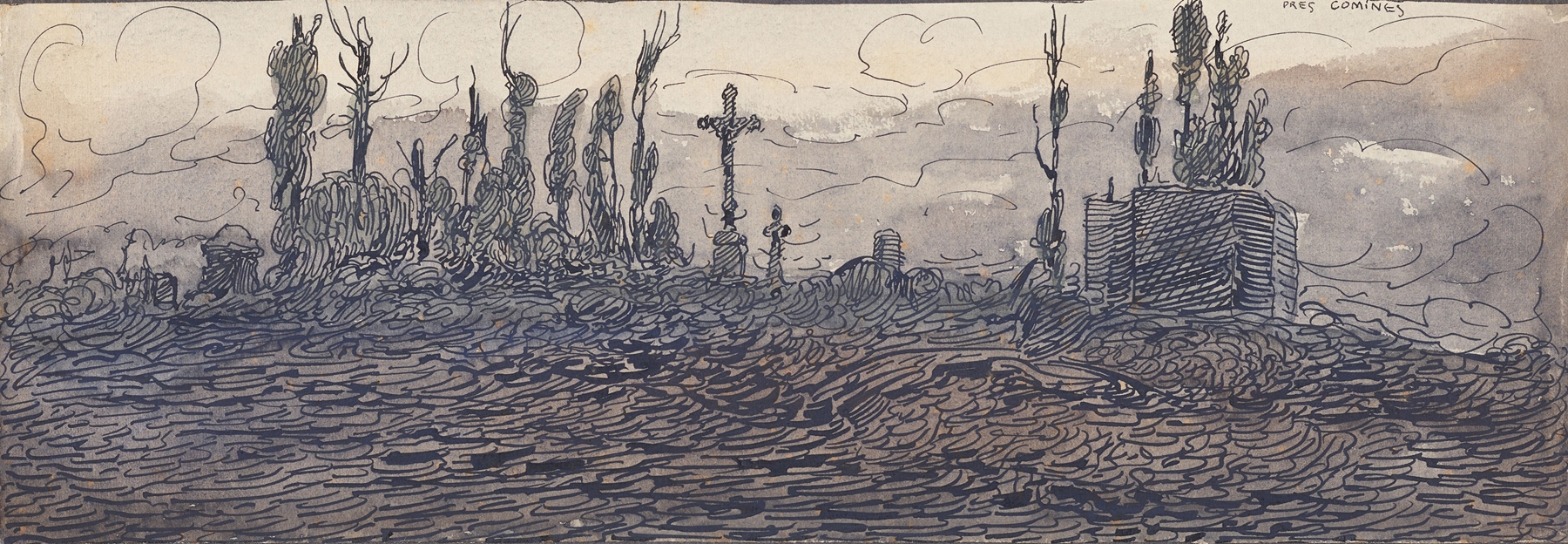
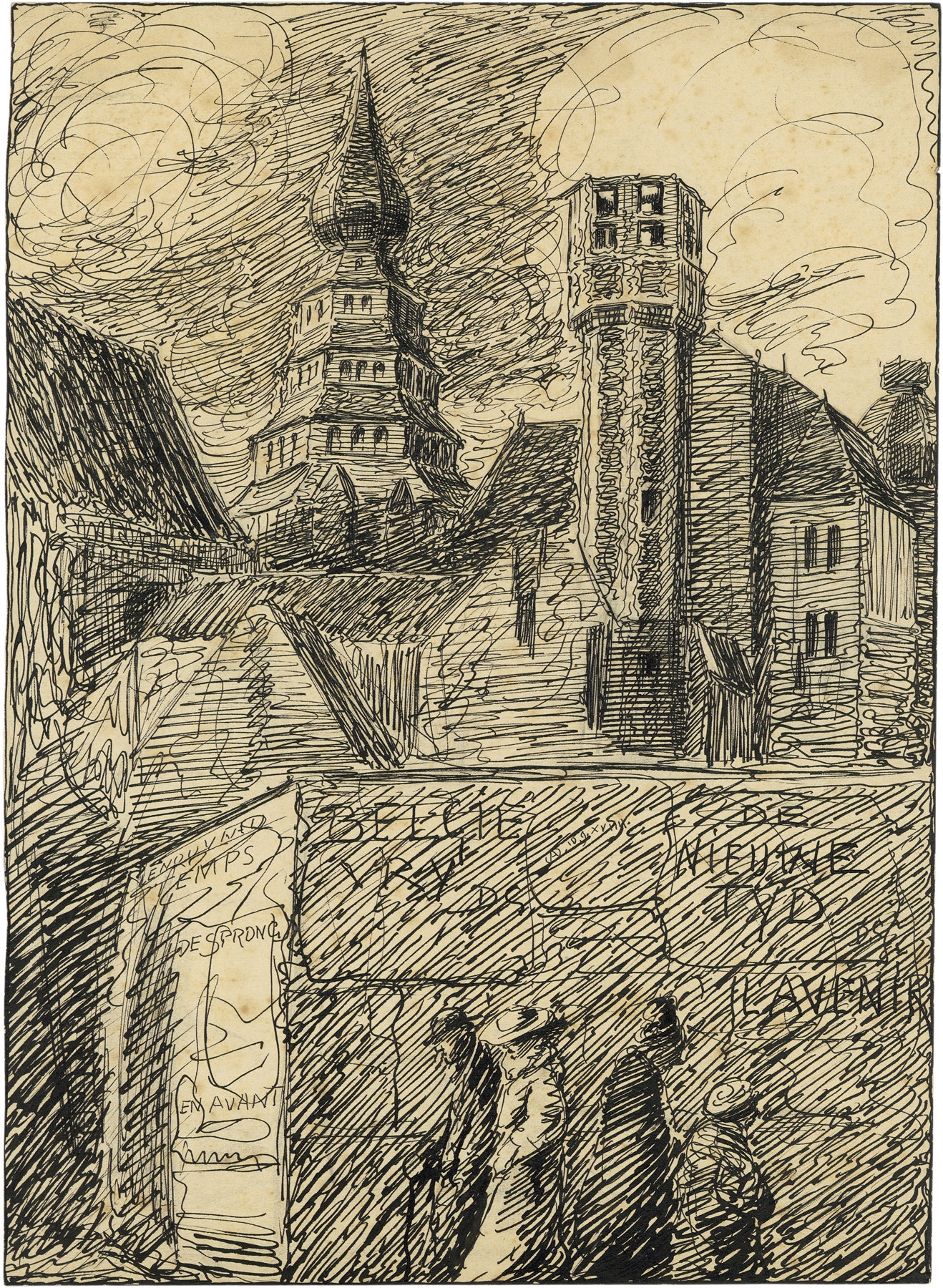
A.De droom; Project voor het huis aan de Sint Antoniusstraat en B. Kastanjebladeren — History & Analysis
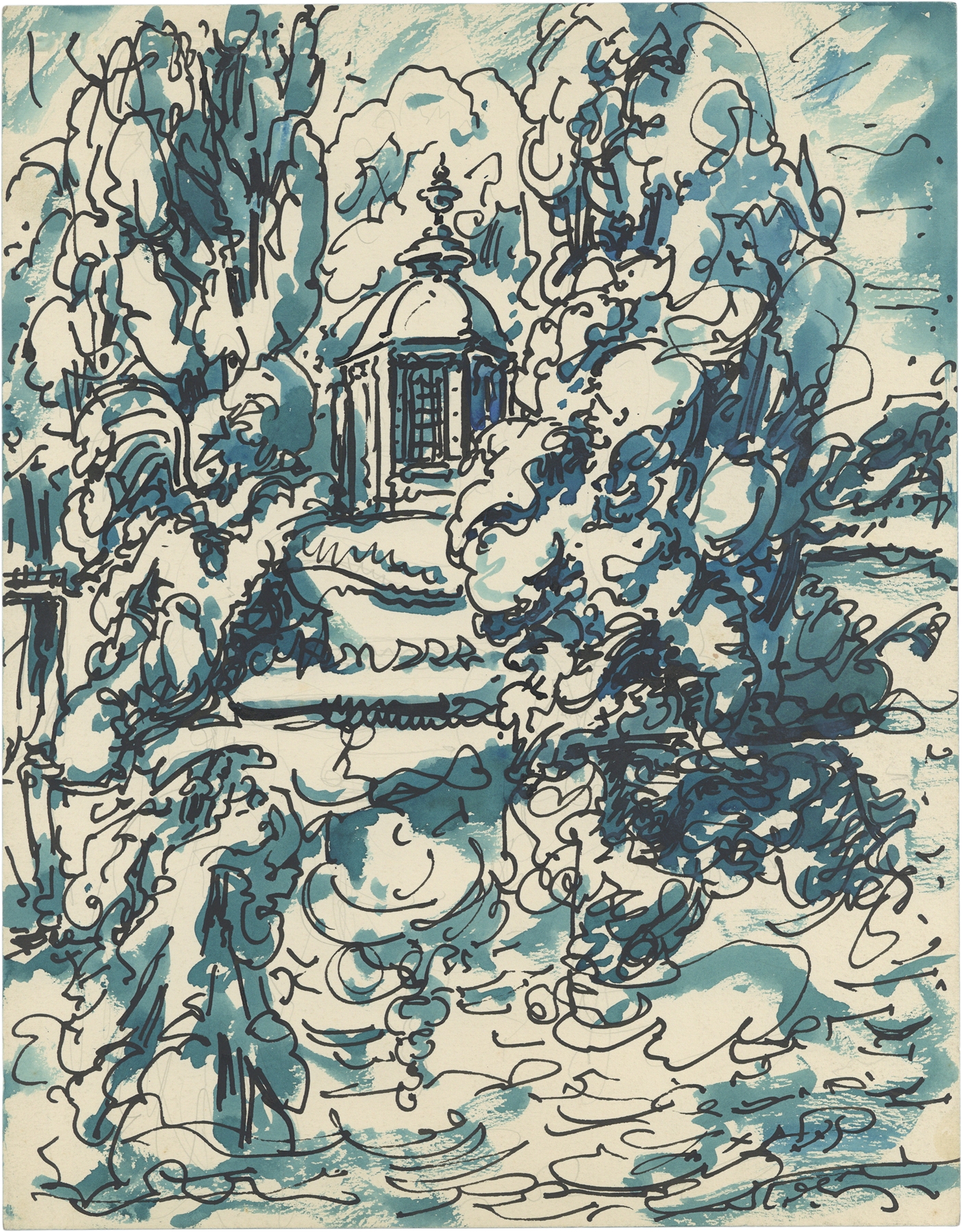
“Art reveals the soul when the world turns away.” In moments of reflection, memory allows the past to seep into the present, granting us glimpses of what once was. The ethereal touch of a brush can evoke feelings long buried, inviting us to reconnect with forgotten fragments of ourselves. Focus on the soft, muted palette that envelops the canvas, drawing your gaze to the delicate interplay of light and shadow. Notice how the warm, golden hues dance along the edges of the leaves, giving life to their intricate veins.
The composition is deceptively simple yet profound, with carefully placed elements that suggest a world beyond the visible — a whisper of nostalgia lingers in the air. As you delve deeper, consider the contrast between the vibrant life of the chestnut leaves and the somber undertones that echo within the piece. Each leaf becomes a repository of memories, telling stories of seasons past while hinting at the transience of time. There’s a poignant tension between vitality and decay, reflecting the duality of existence, where beauty and loss coexist in harmony.
Created in 1928, the artist worked during a time of significant change in Europe, post-World War I. Ost, who was based in Belgium, was exploring modernist ideas while also grounding his work in the themes of memory and nature. This piece emerged amidst a backdrop of shifting societal values, as artists sought to express the complexities of human experience through their craft, bridging the gap between the tangible and the intangible.