Oostende in de mist — History & Analysis
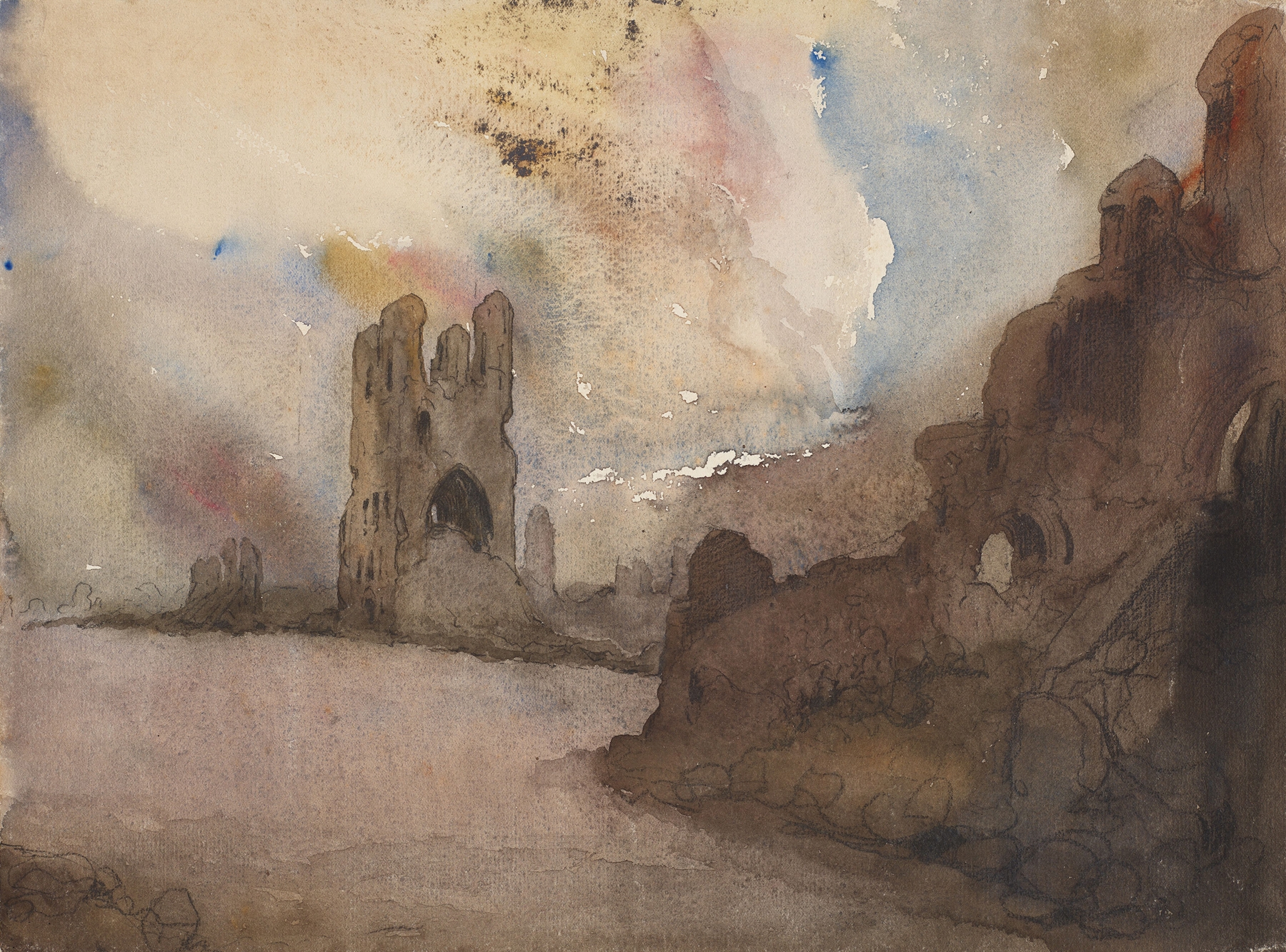
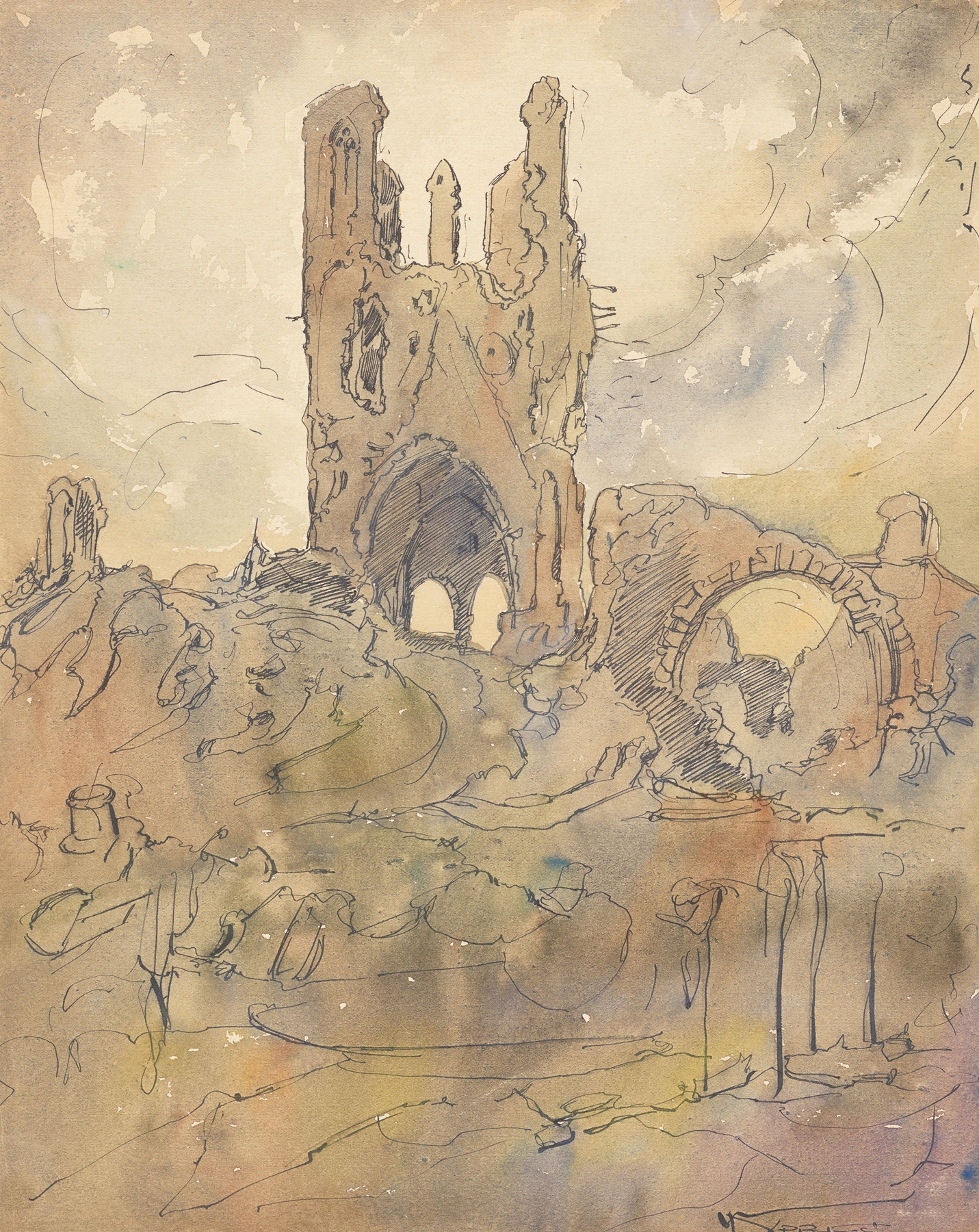
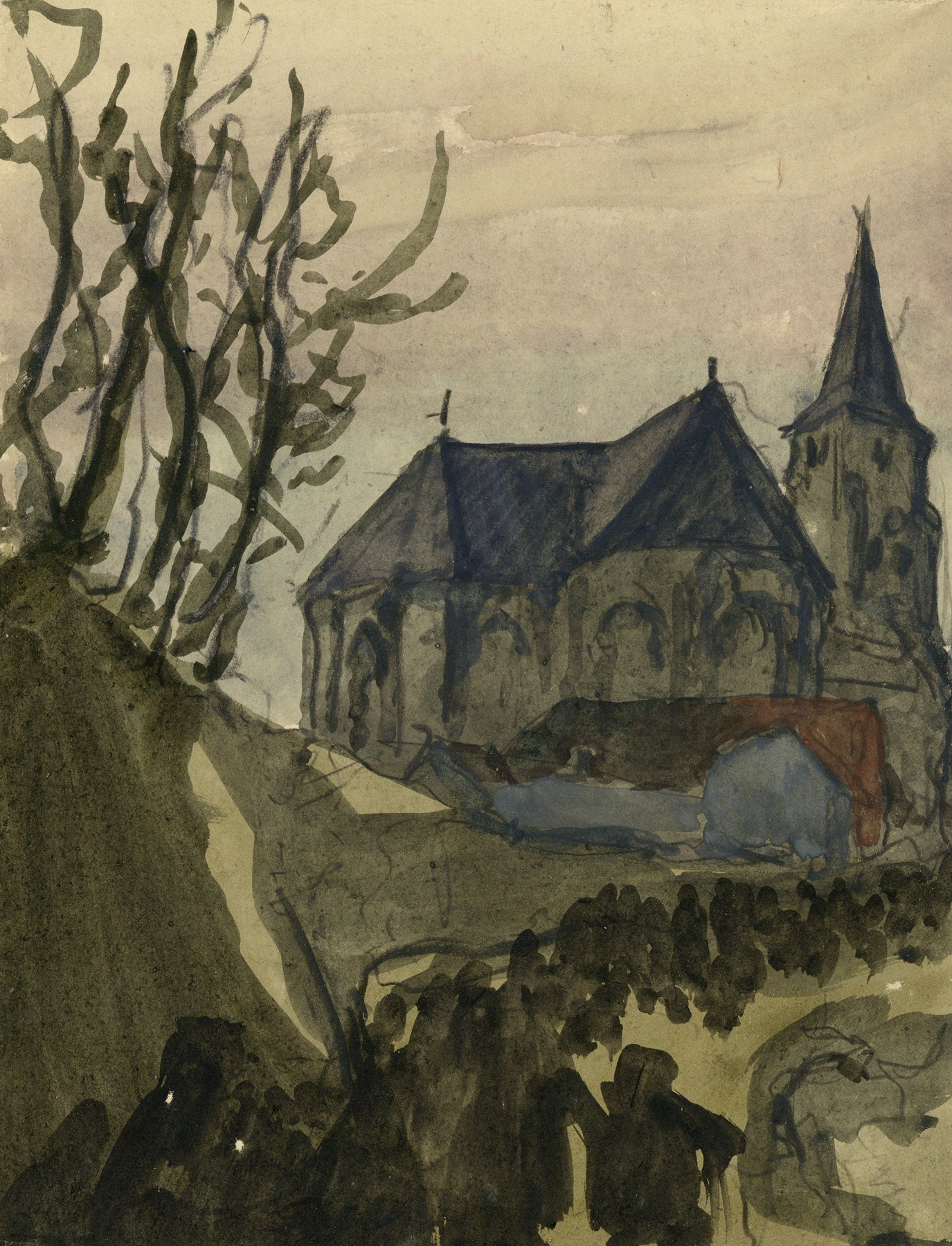
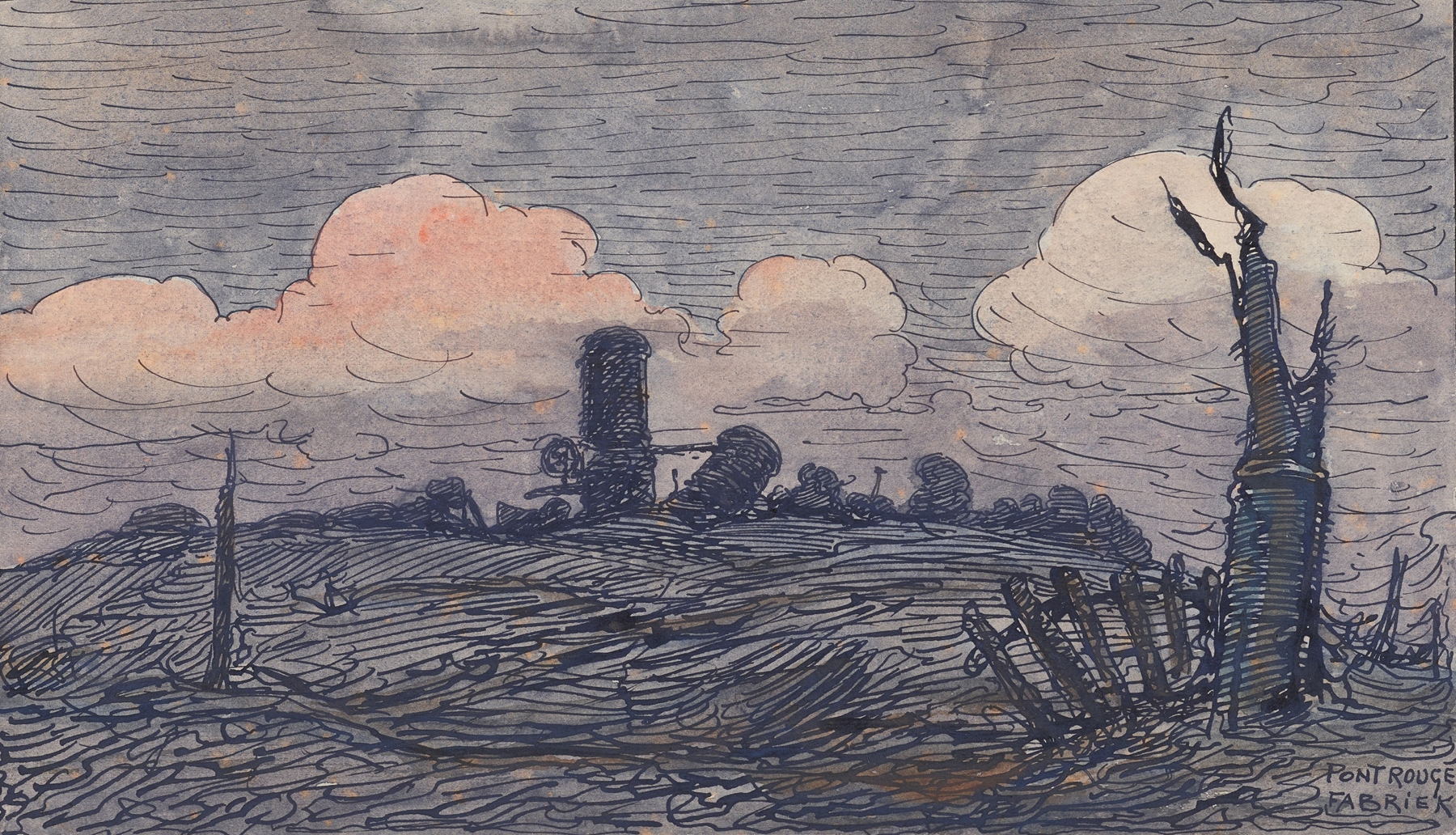
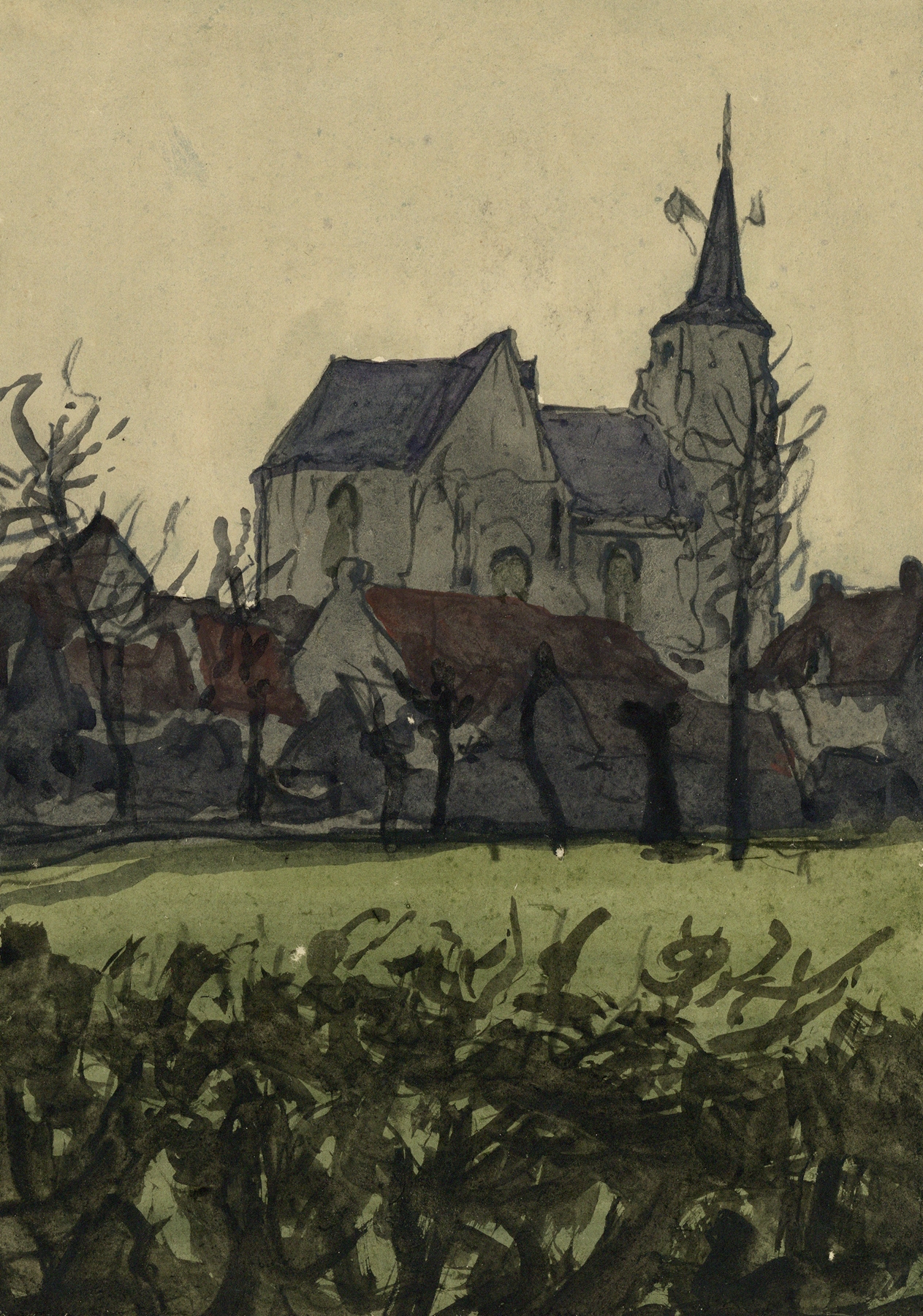
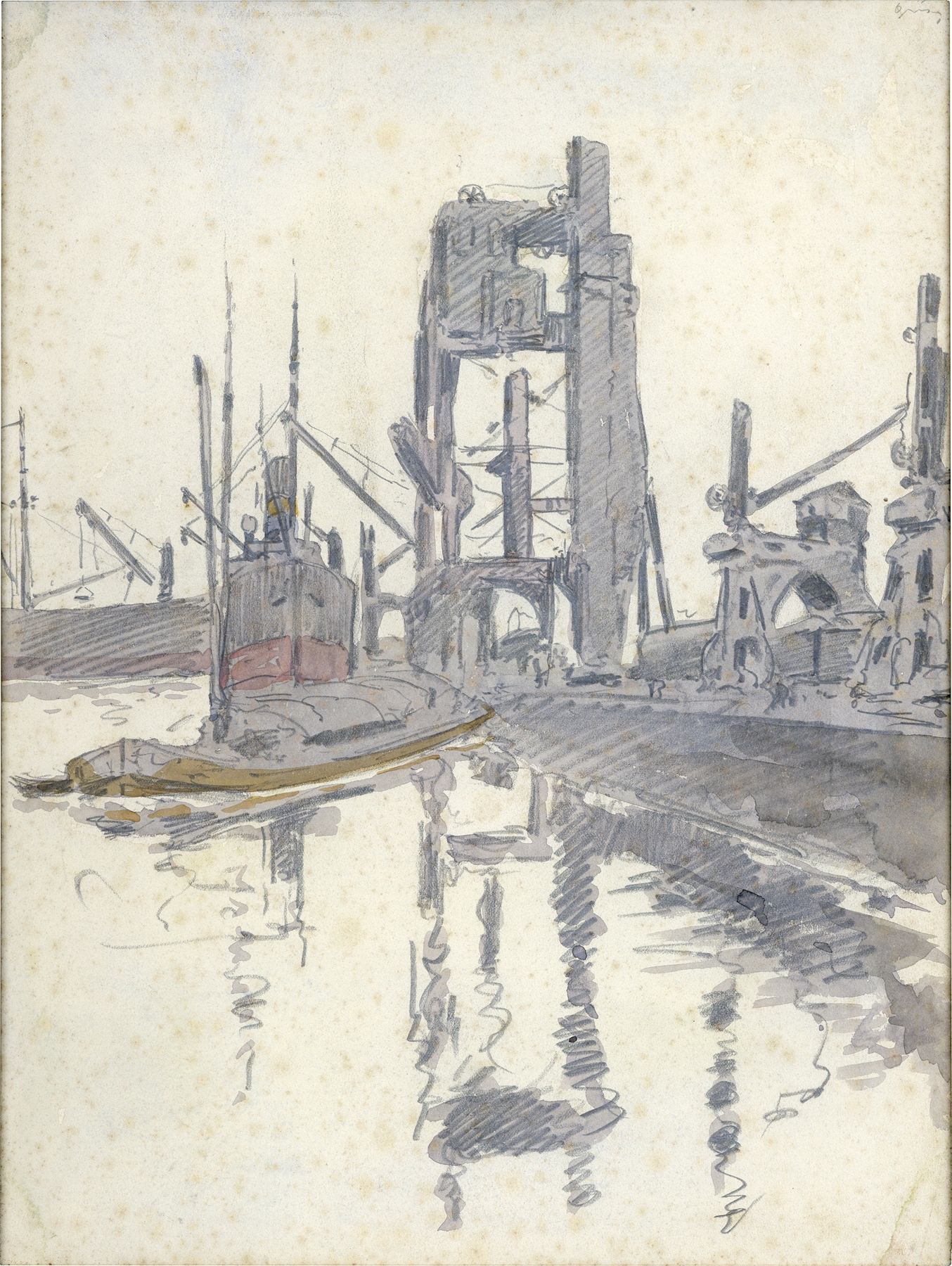
Where does light end, and longing begin? In the soft embrace of a foggy seascape, the boundaries of reality blur, leaving only the heart's whisper. Look closely at the gentle transitions of color in Oostende in de mist. The muted greys and soft blues create an ethereal atmosphere that draws the eye toward the horizon, where the water meets the sky. Notice how the light diffuses through the mist, casting a silvery glow that softens the edges of boats and distant figures, rendering them almost ghostly.
The composition leads you to the focal point—a solitary vessel barely discernible—a poignant reminder of isolation and the profound silence suspended within the fog. This painting speaks of solitude and contemplation. The obscured surroundings suggest a world just out of reach, a metaphor for our own desires and dreams often shrouded in uncertainty. The interplay between light and shadow carries an emotional weight; it evokes a sense of searching, as if the figures on the shore are yearning not just for the sea but for something deeper, a connection lost to the haze of time.
Each brush stroke hints at the stories hidden beneath the surface, where personal longing intertwines with the universal experience of waiting. In 1914, Alfred Ost painted this work during a tumultuous period both personally and globally. Living in Belgium, he was witnessing the rising tensions of World War I, which ultimately transformed the artistic landscape. This painting encapsulates a moment of introspection before the storm, reflecting a profound stillness amidst impending chaos, and thus solidifying its place within the broader canon of early 20th-century art.