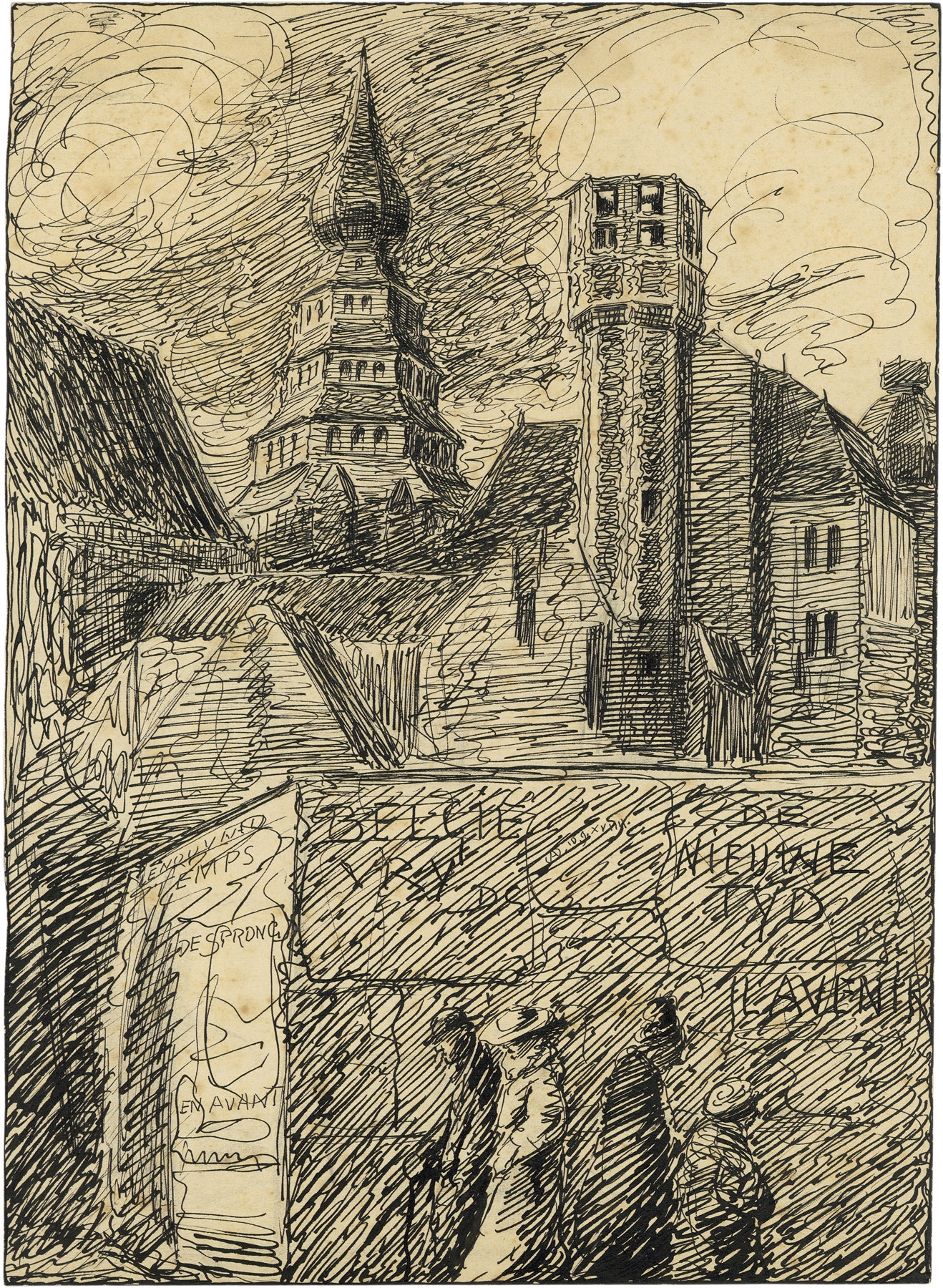
Sint-Salavatorkerk in Hakendover — History & Analysis
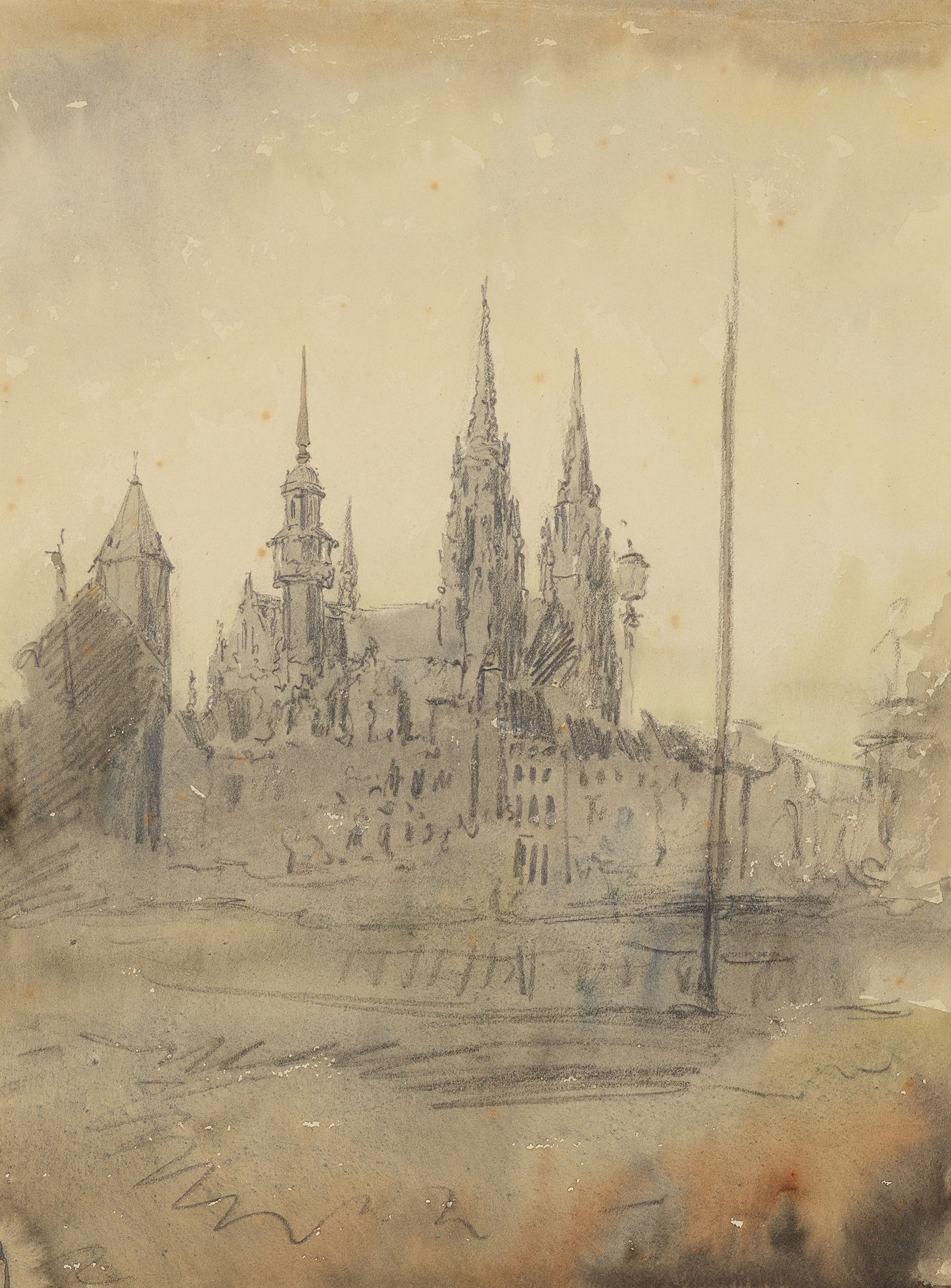
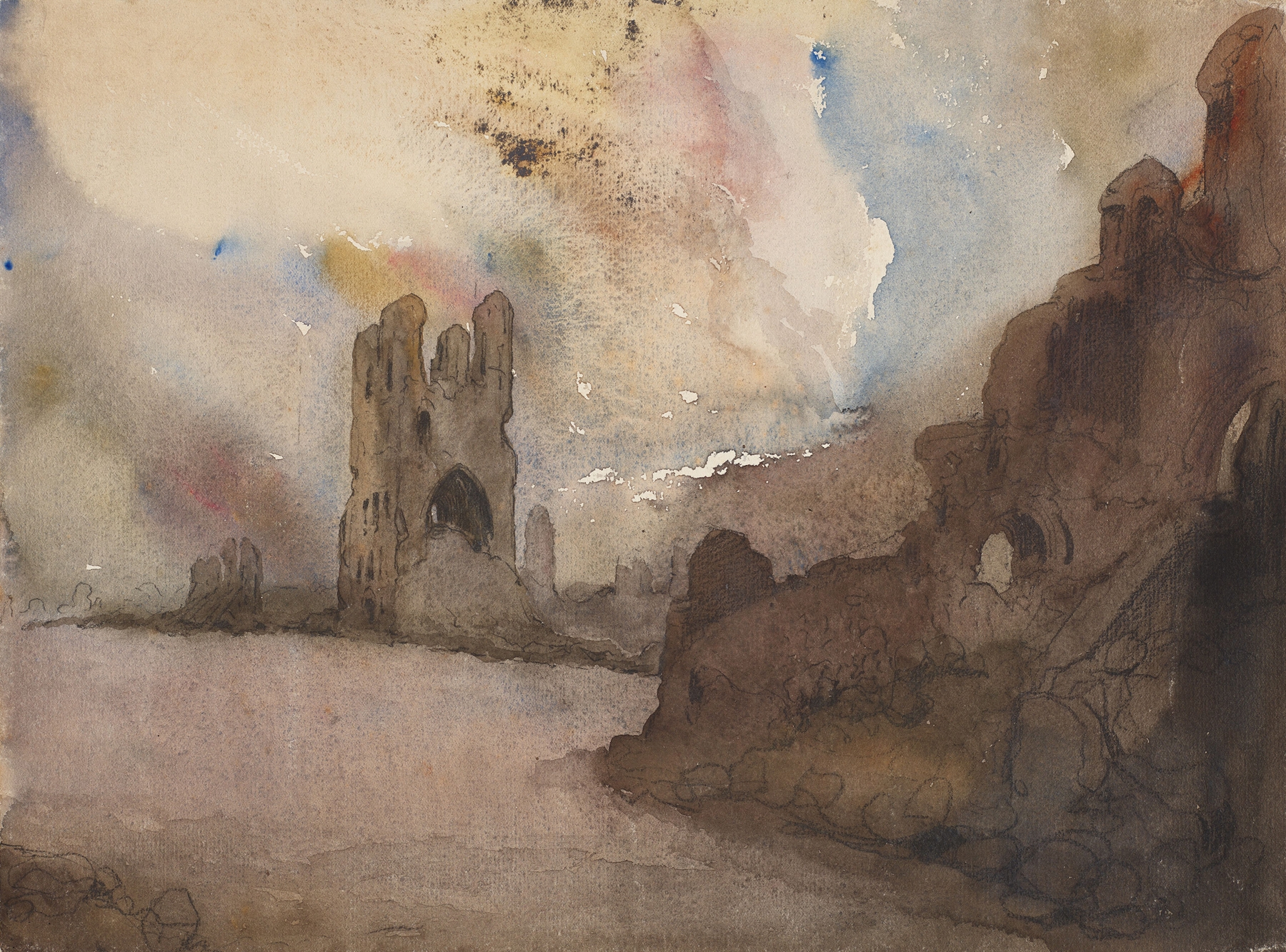
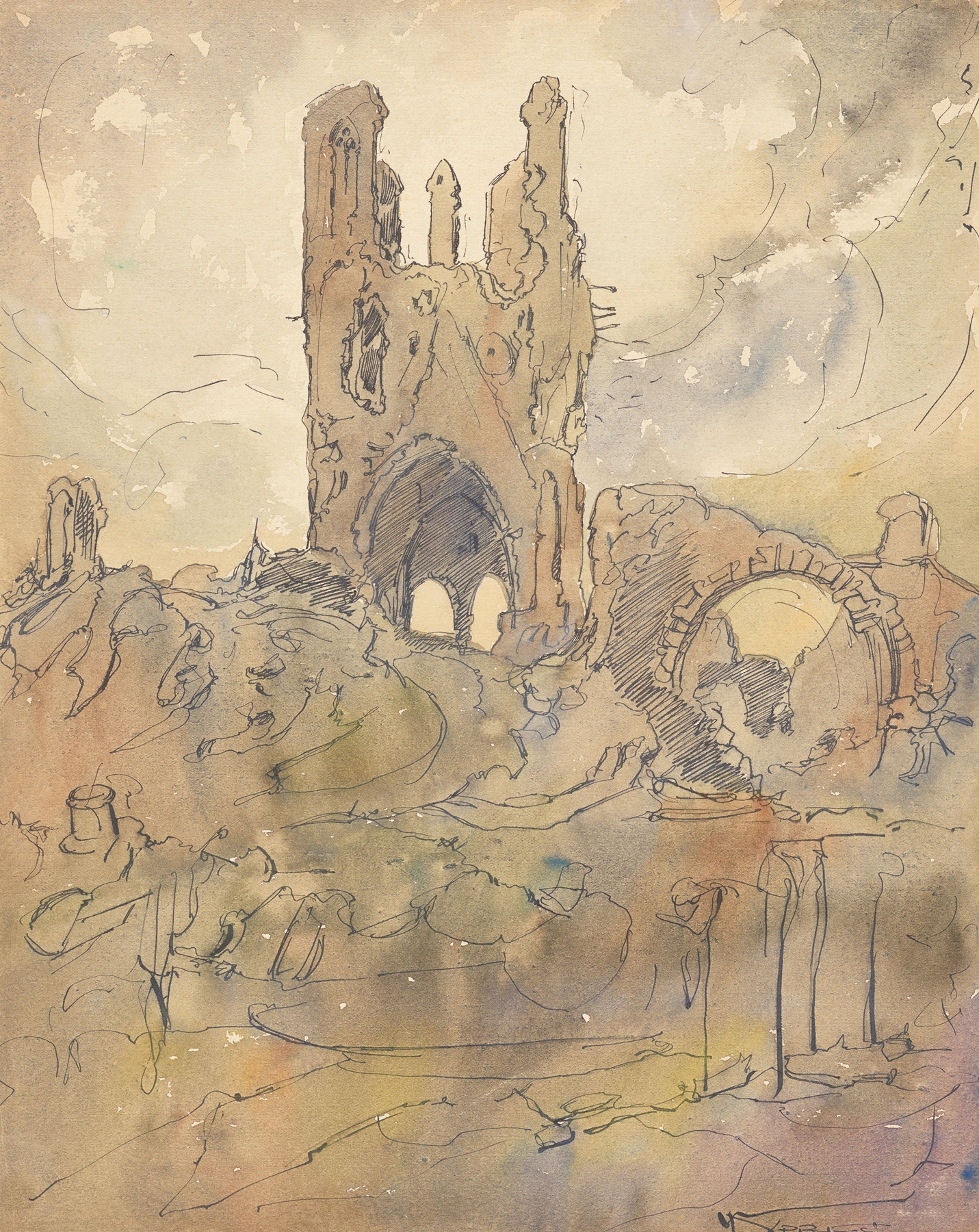
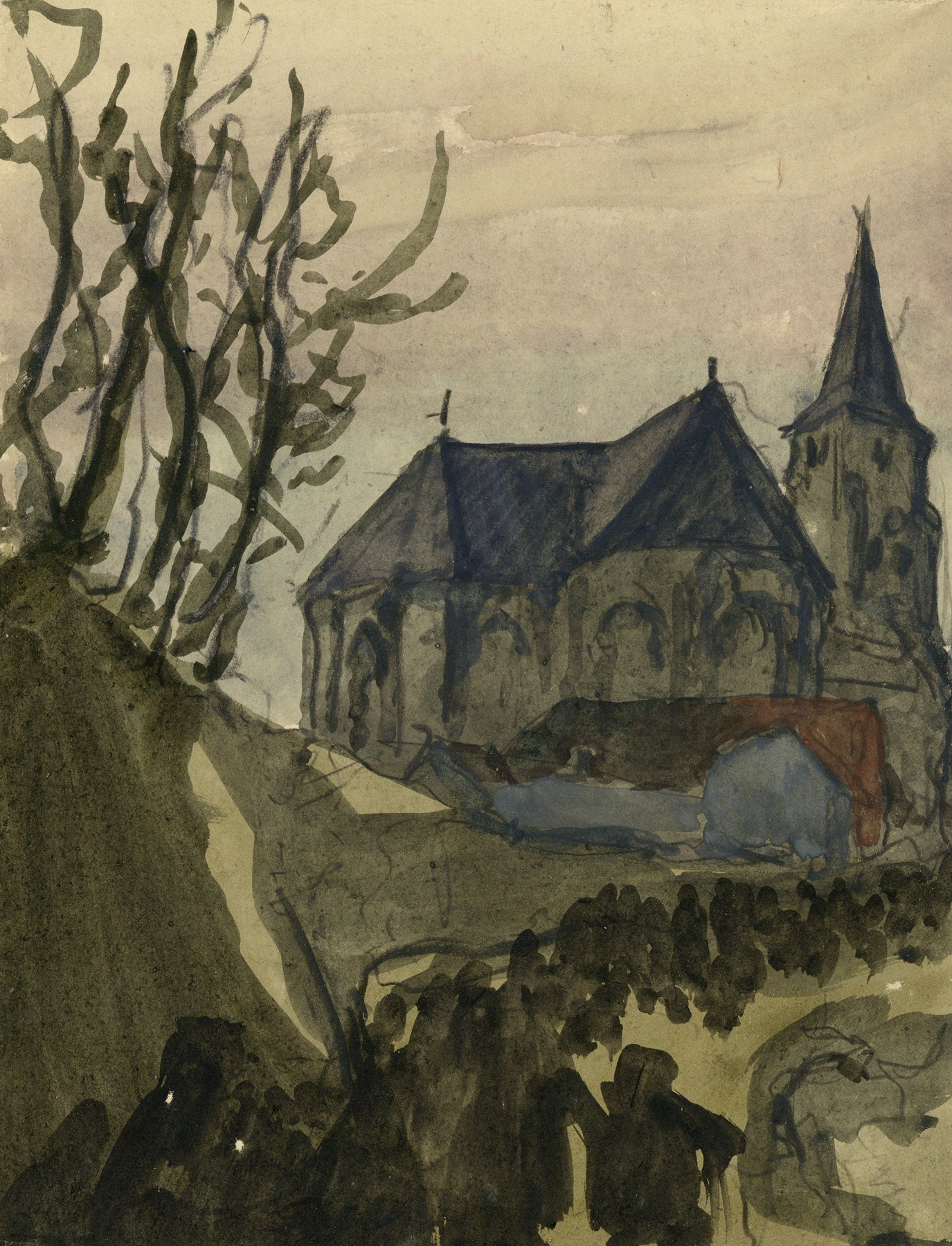
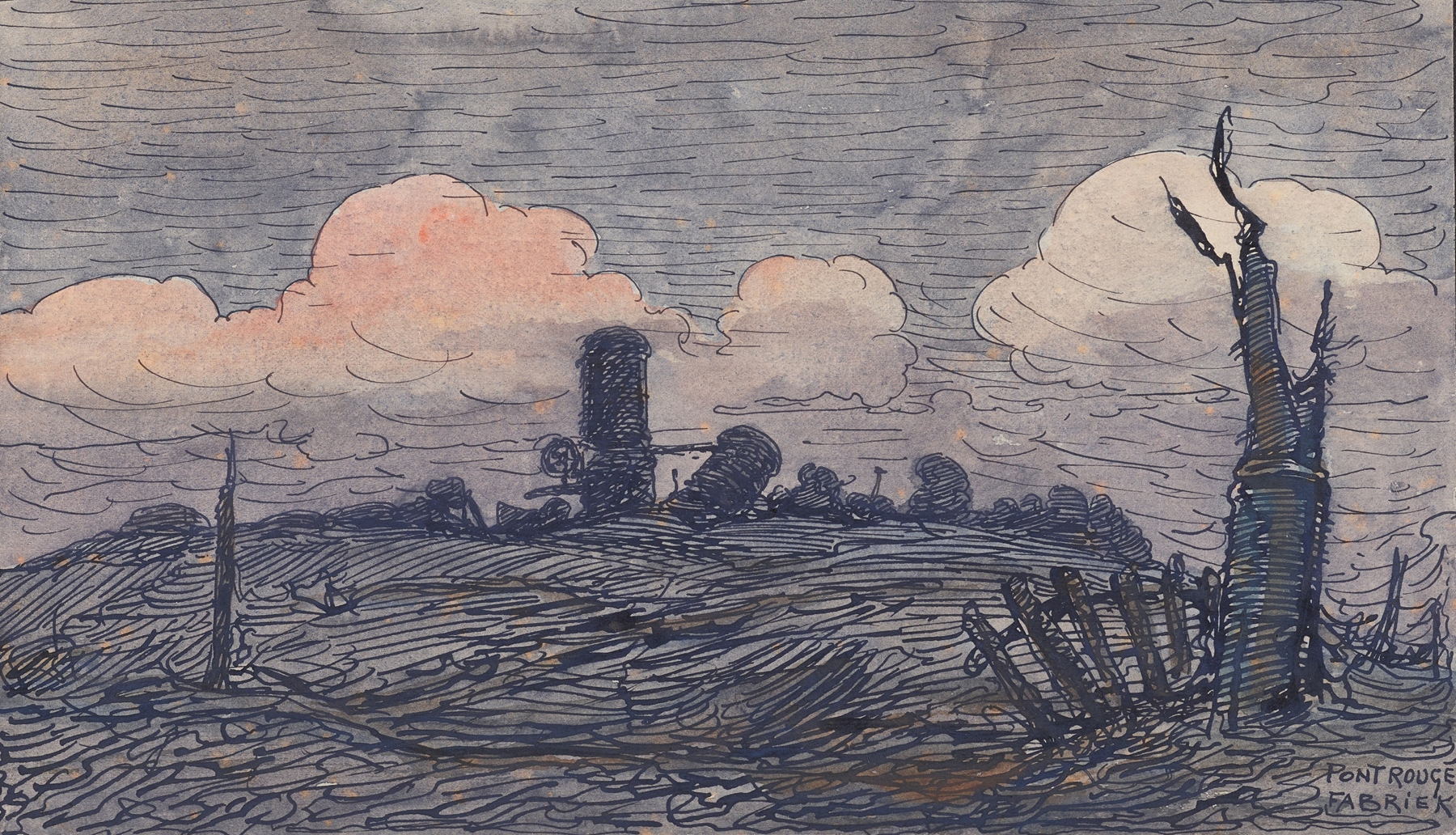
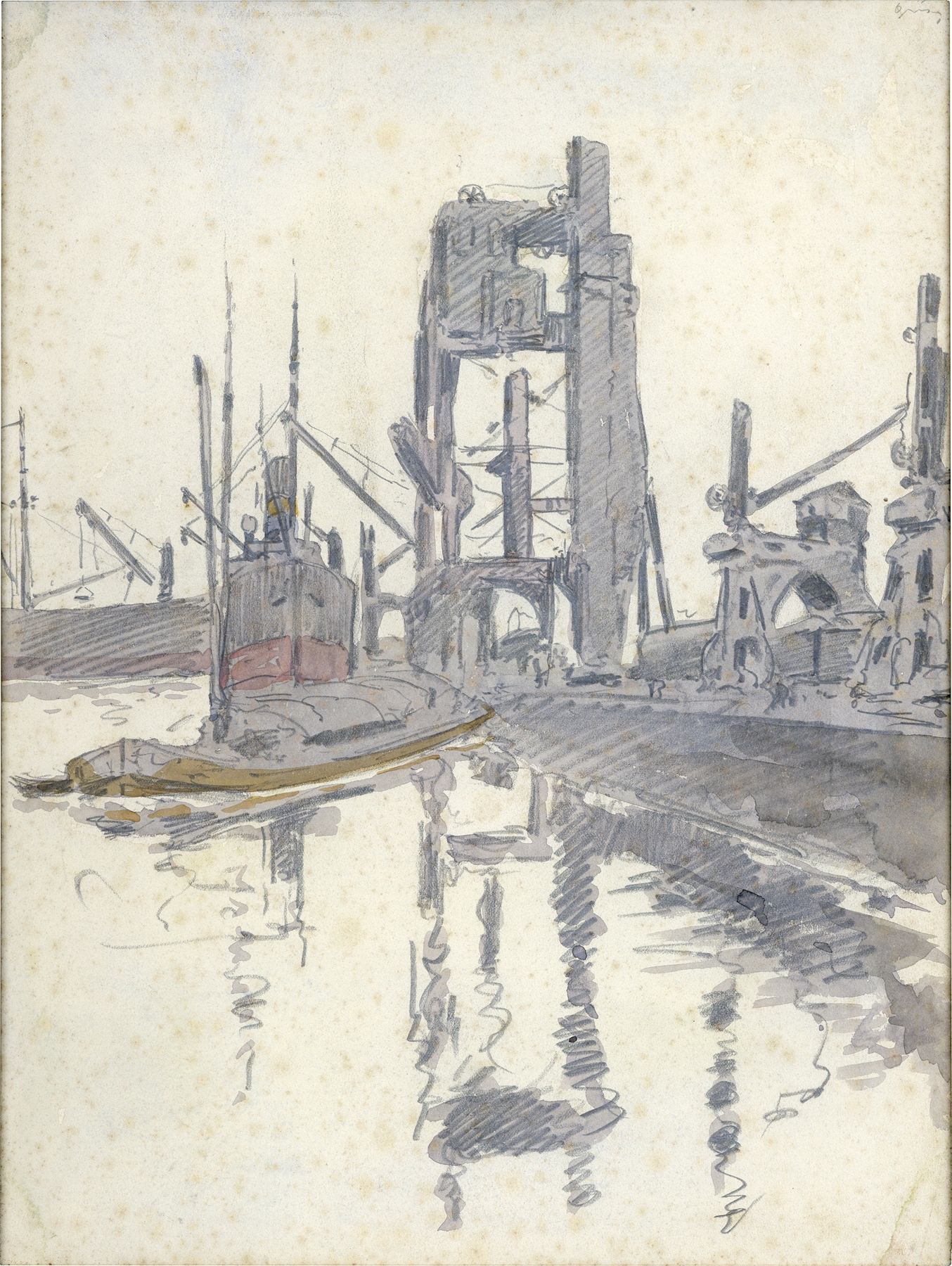
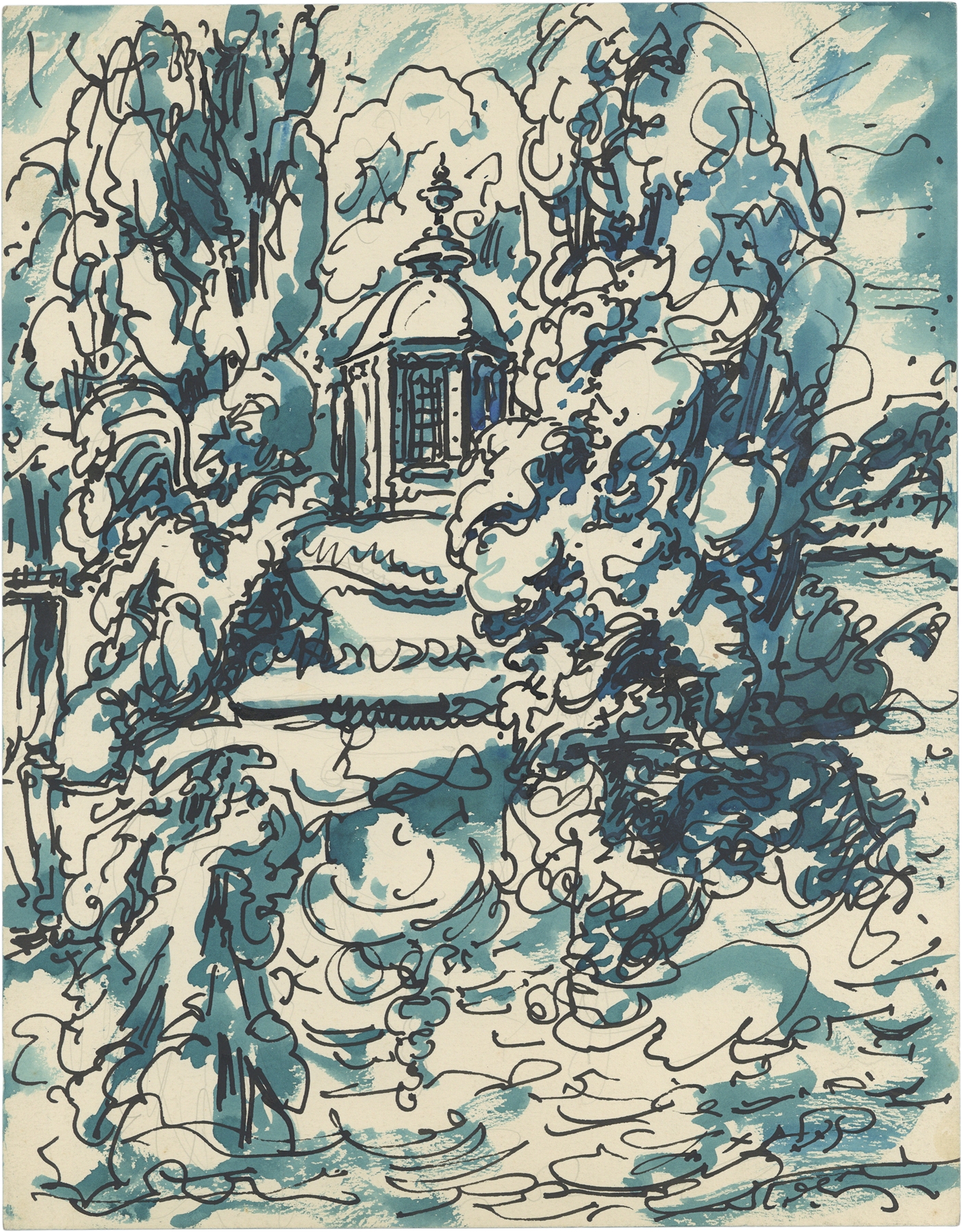
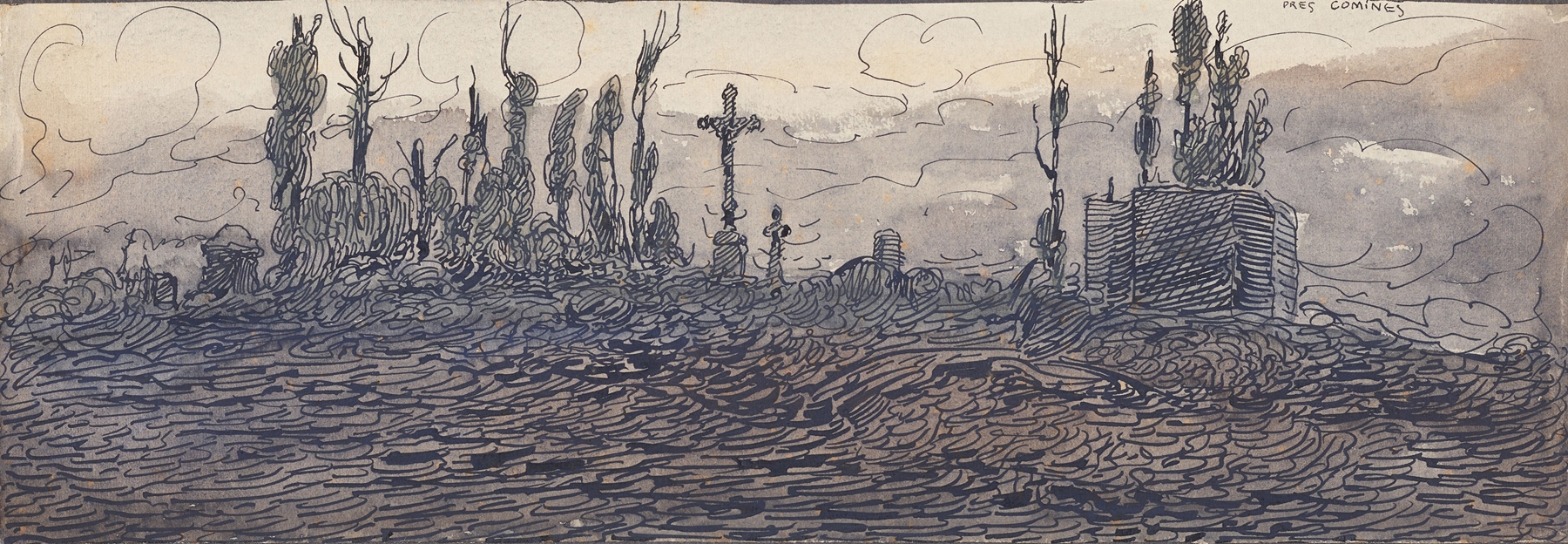
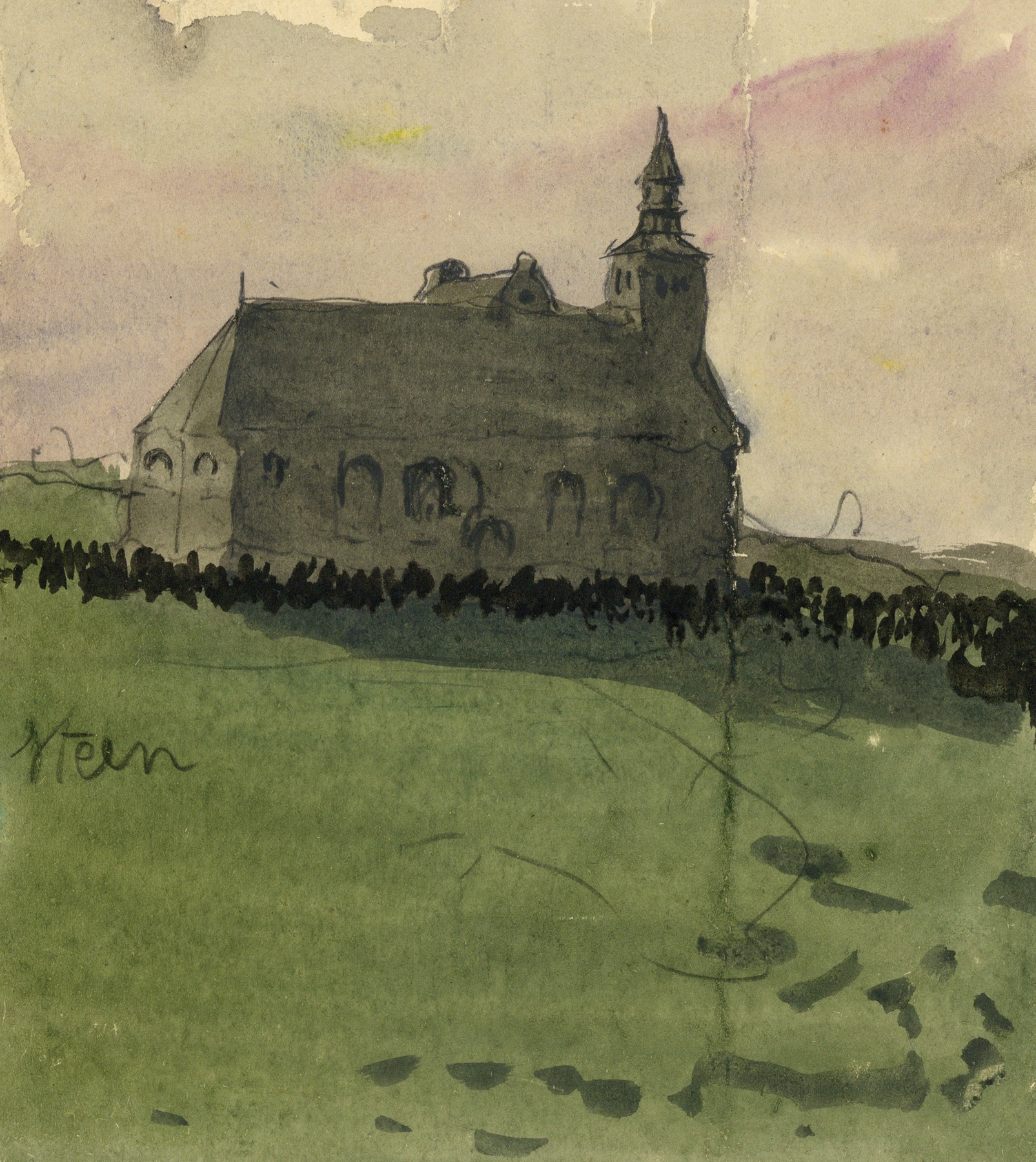
“To paint is to remember what time wants us to forget.” In the delicate brushstrokes of an artist's hand lies a legacy that transcends the passage of years. Each stroke whispers of moments, emotions, and stories, inviting viewers to pause and reflect on the transient nature of existence. Focus on the serene depiction of a church that stands resolute amidst a tranquil landscape. Look closely at the intricate details of the structure, especially the way light cascades across its stone façade, creating a harmony between solid form and ethereal glow.
Notice the muted palette that imbues the scene with an air of nostalgia, while the subtle variations in color lend depth and warmth, emphasizing the beauty of both the architecture and its surroundings. As you delve deeper into the work, observe the contrast between the sturdy church and the soft, ephemeral sky. This dichotomy evokes a profound sense of stability in a world ever-shifting; the church serves as a silent guardian of memories, standing against the relentless march of time. Each element, from the wisps of clouds to the gentle foliage, speaks to the interplay of permanence and impermanence, inviting contemplation on what it means to leave a mark on the world.
The artist created this piece during a time when the appreciation for architectural beauty in art was flourishing. It is believed to have been painted in the early 20th century, a period of transition in Ost's life as he explored themes of memory and place. His work encapsulates a growing interest in capturing the essence of locations, embedding their spirit into the canvas for future generations to explore and cherish.