Ypres Remember — History & Analysis
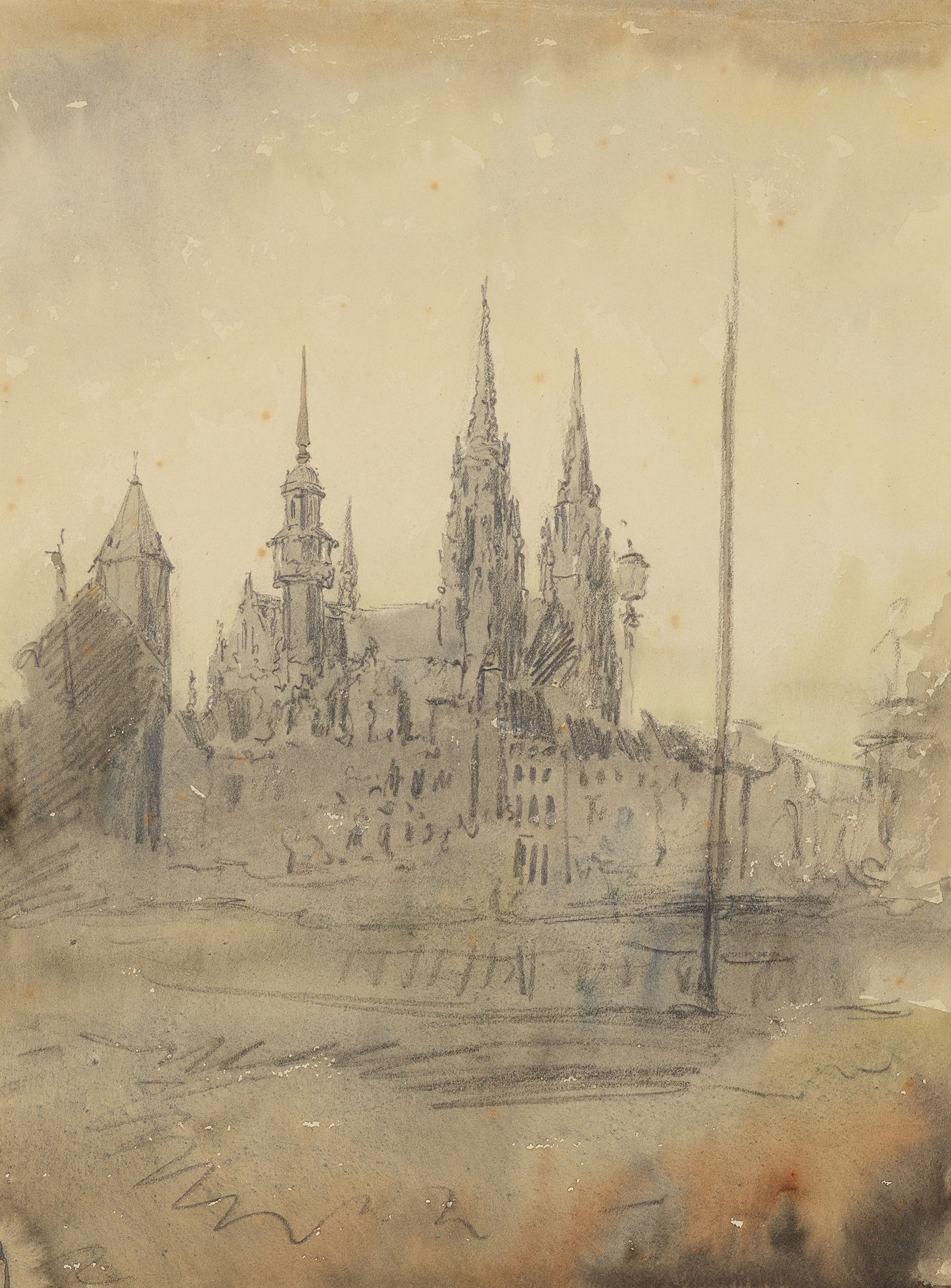
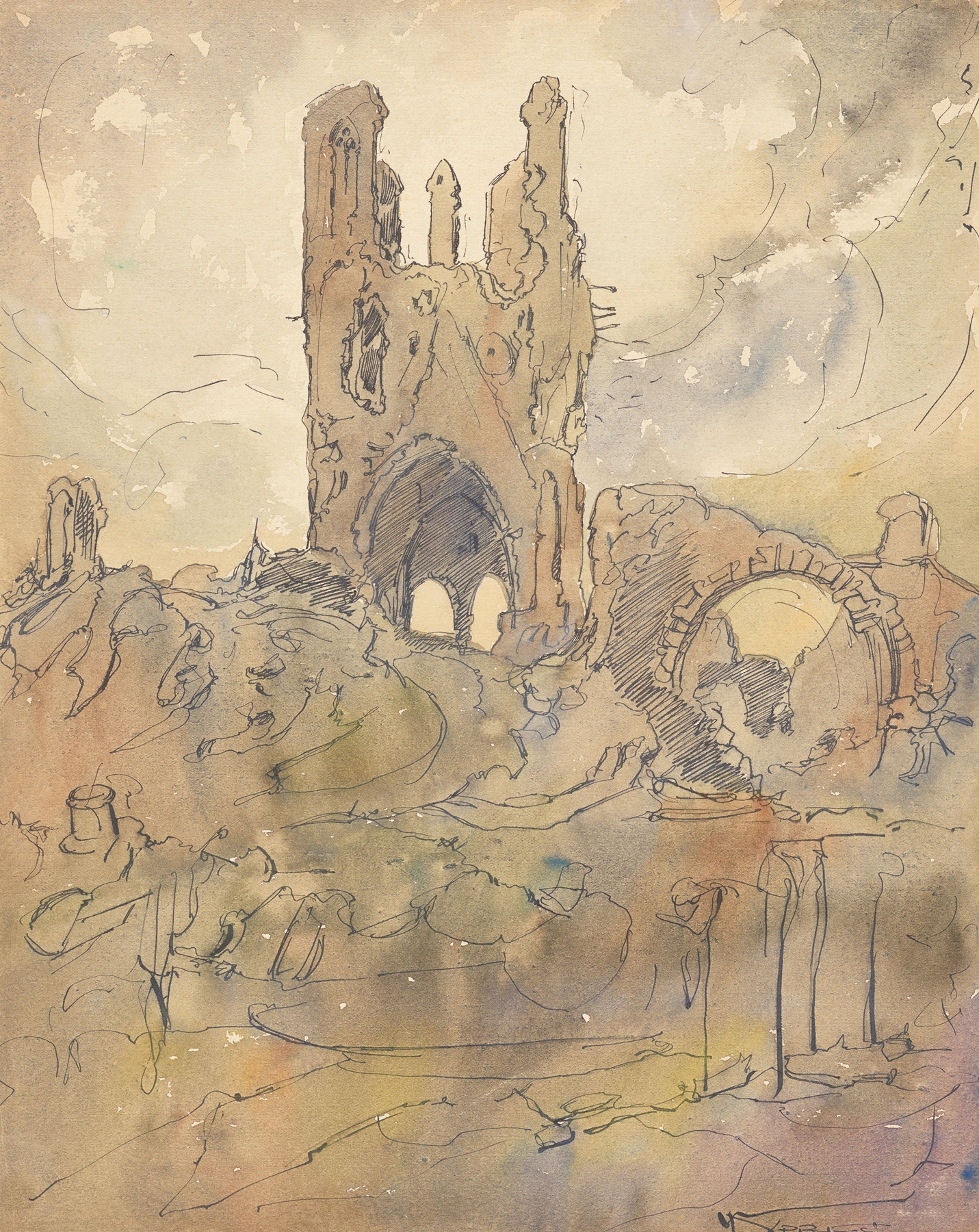
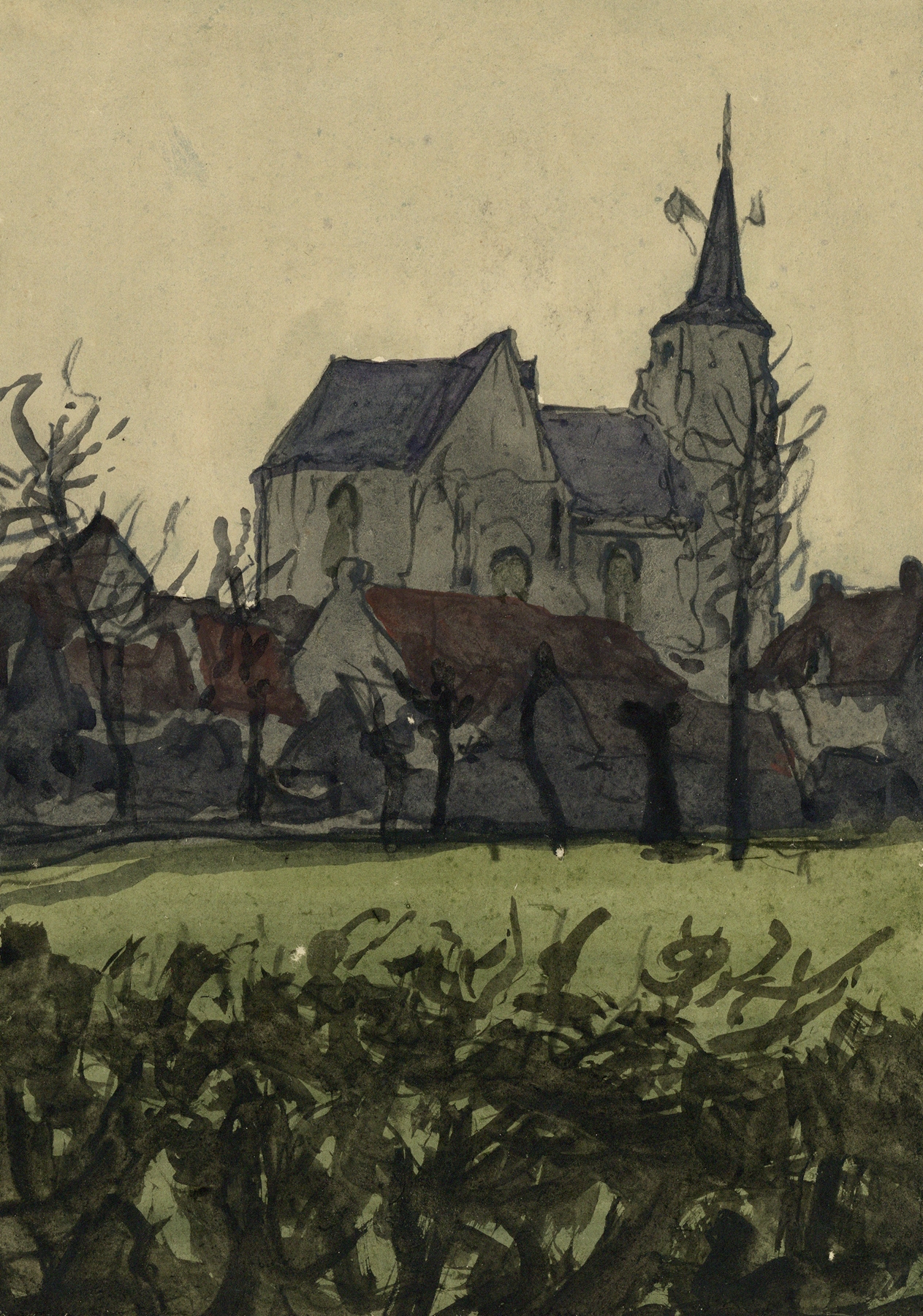
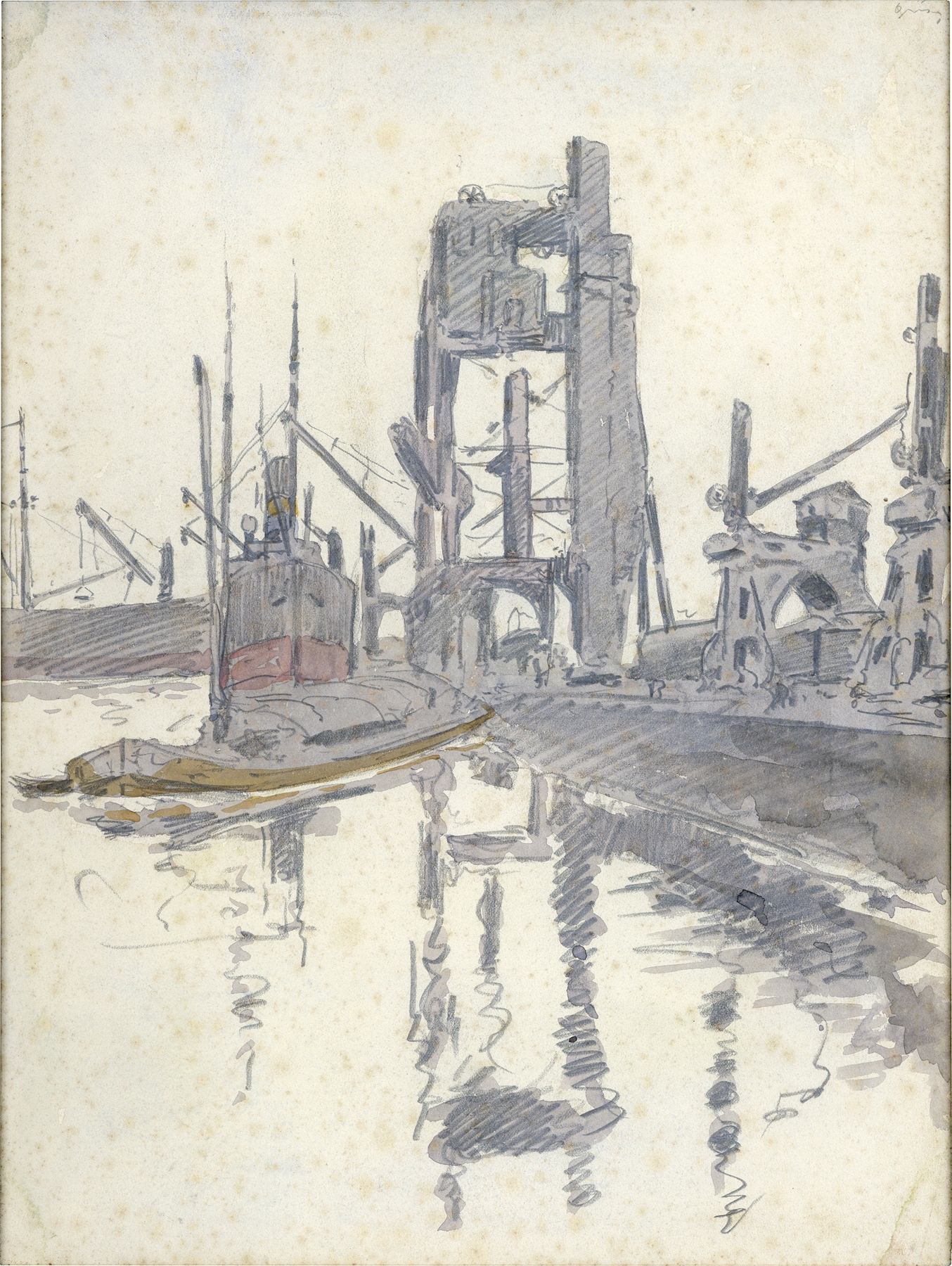
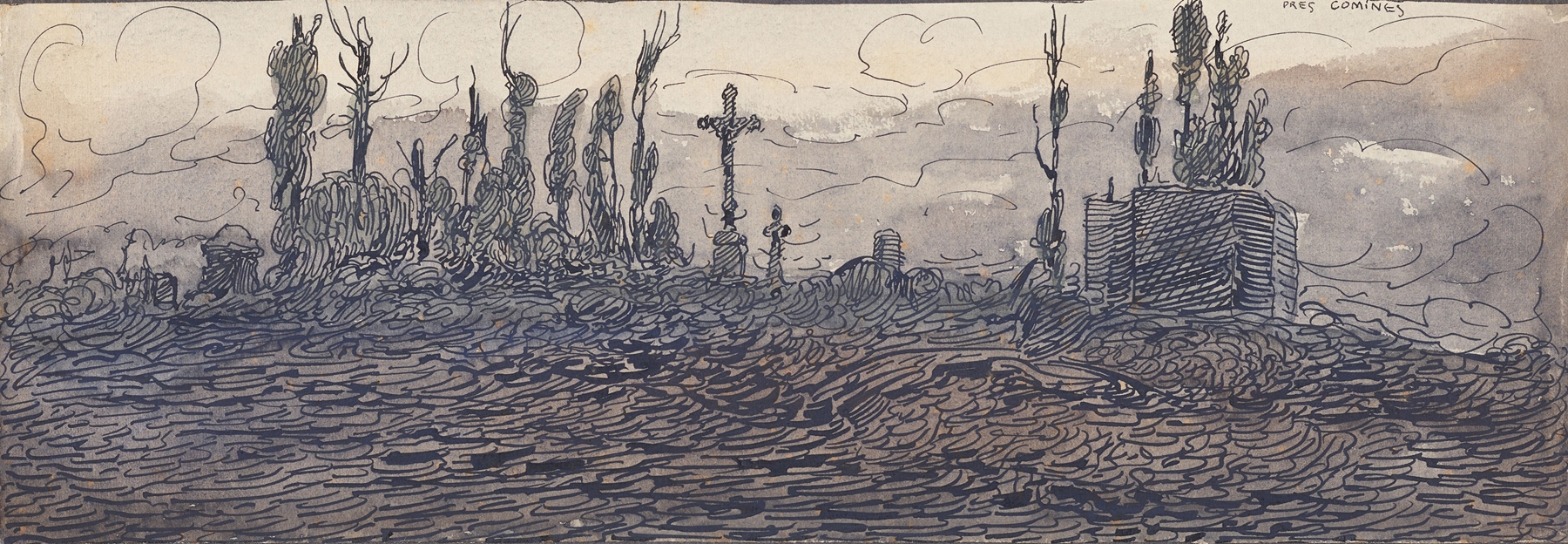
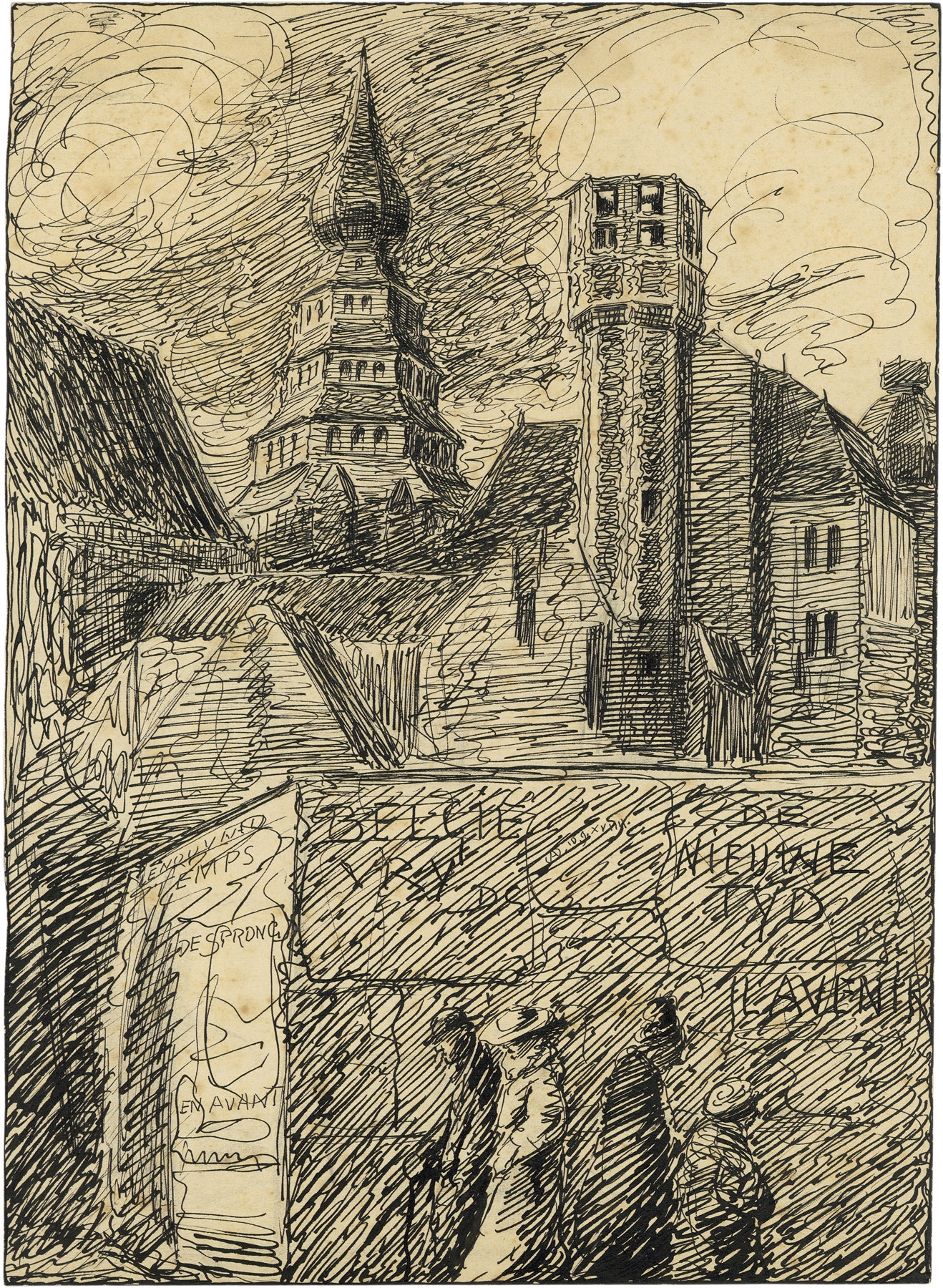
Can paint confess what words never could? In Ypres Remember, the chaos of war is rendered through a haunting visual symphony that grapples with memory and loss. Look to the center of the canvas, where the tumultuous interplay of dark and muted colors swirls, evoking smoke and despair. Notice how the artist contrasts deep blues with jagged strokes of gray, each brushstroke seemingly pulsating with the emotional weight of the past. The chaos is not just visual; it's an overwhelming presence that draws the eye towards the fragmented shapes representing ruins and remnants of lives once lived.
The stark contrasts in light and shadow serve to reinforce the sense of disarray, amplifying the emotional impact of the scene. Beneath the surface, the work speaks to historical resilience. The chaotic arrangement of forms suggests an emotional battleground, where memories of the fallen intermingle with the haunting specter of survival. Each detail is a testament to the lingering anguish of loss, while the absence of clear figures invites viewers to contemplate their own interpretations of grief and remembrance.
The painting becomes a mirror, reflecting not only the devastation of war but also the fragile human spirit that endures in its wake. After the First World War, Alfred Ost painted this work in 1919 while living in Belgium, a country still reeling from the brutal conflicts that ravaged its landscapes and souls. At this juncture in his life and the broader art world, artists were grappling with the horrors of war, seeking a means to articulate trauma and the complexity of memory. Ost’s choice to depict Ypres, a city forever marked by its history, speaks to a poignant moment in art—a cry for reflection amidst the chaos of modern existence.