Ypres Remember — History & Analysis
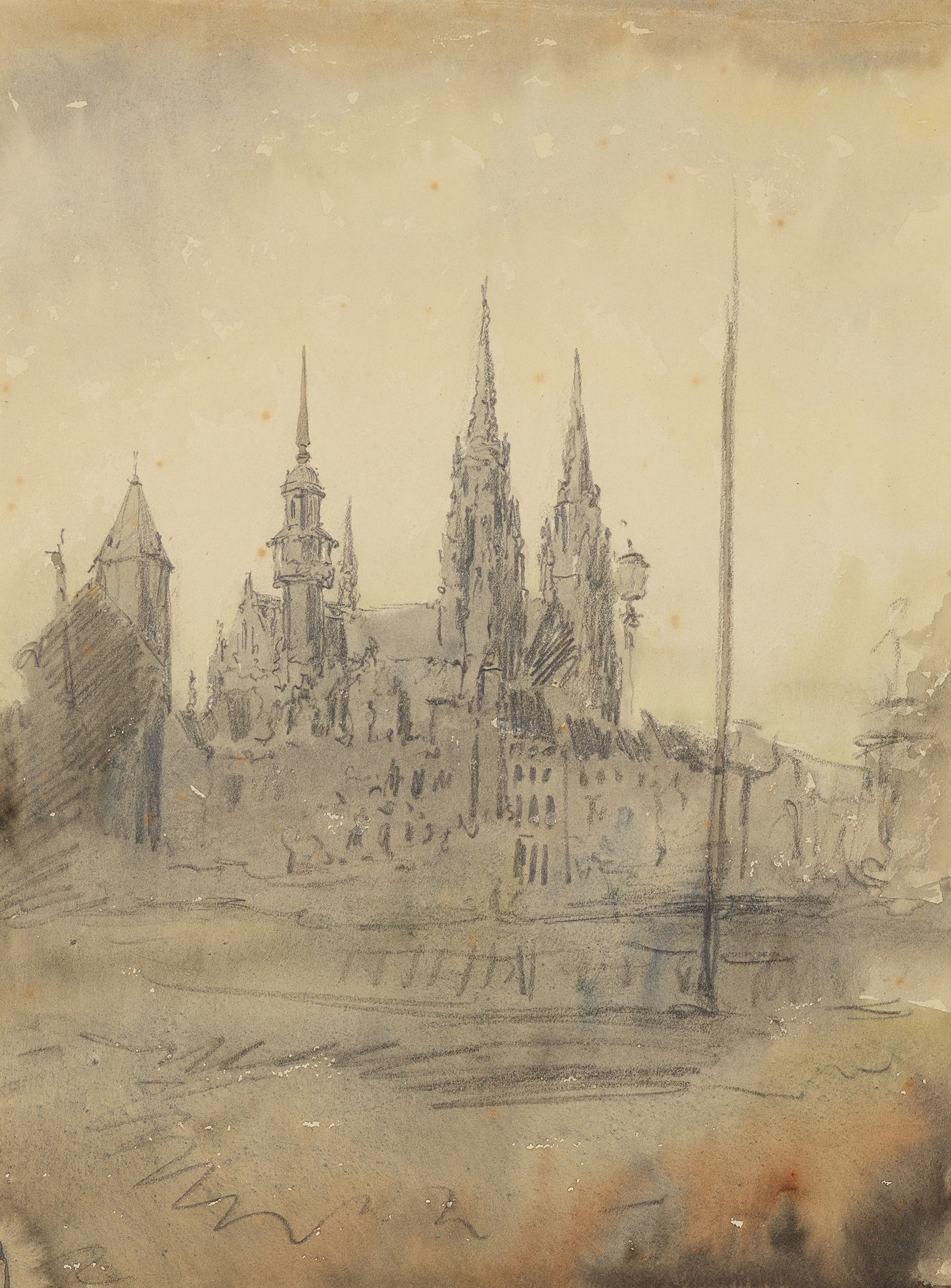
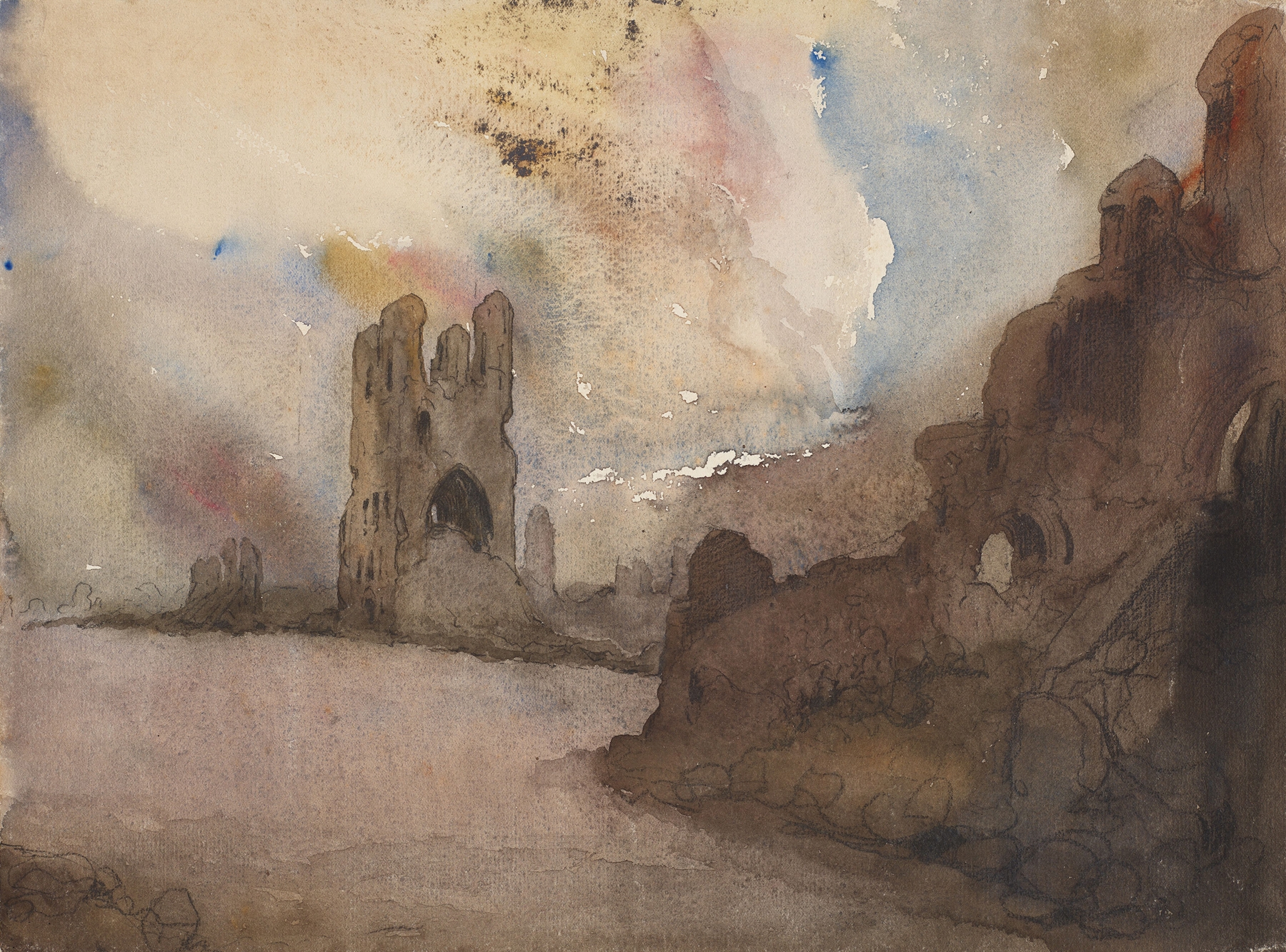
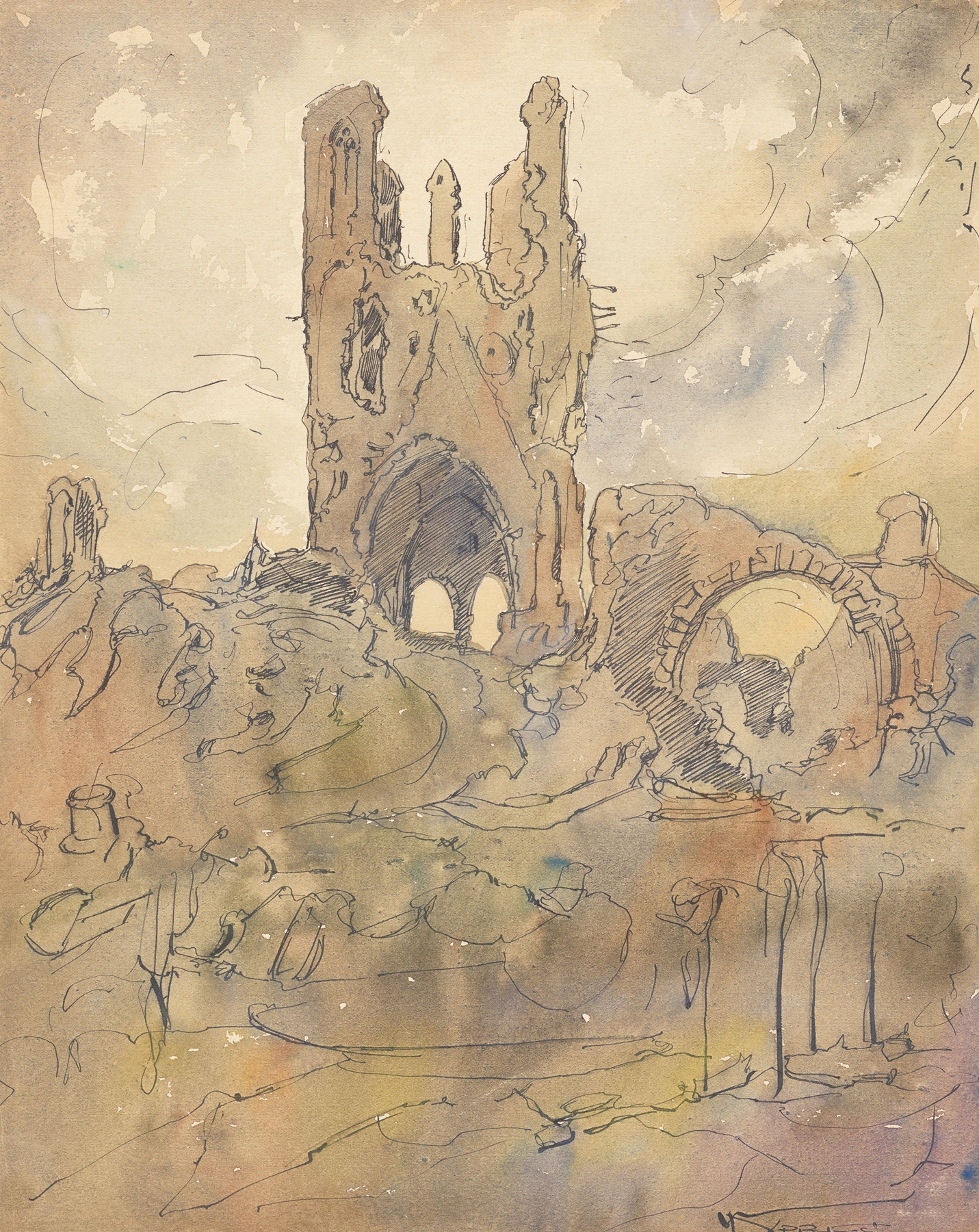
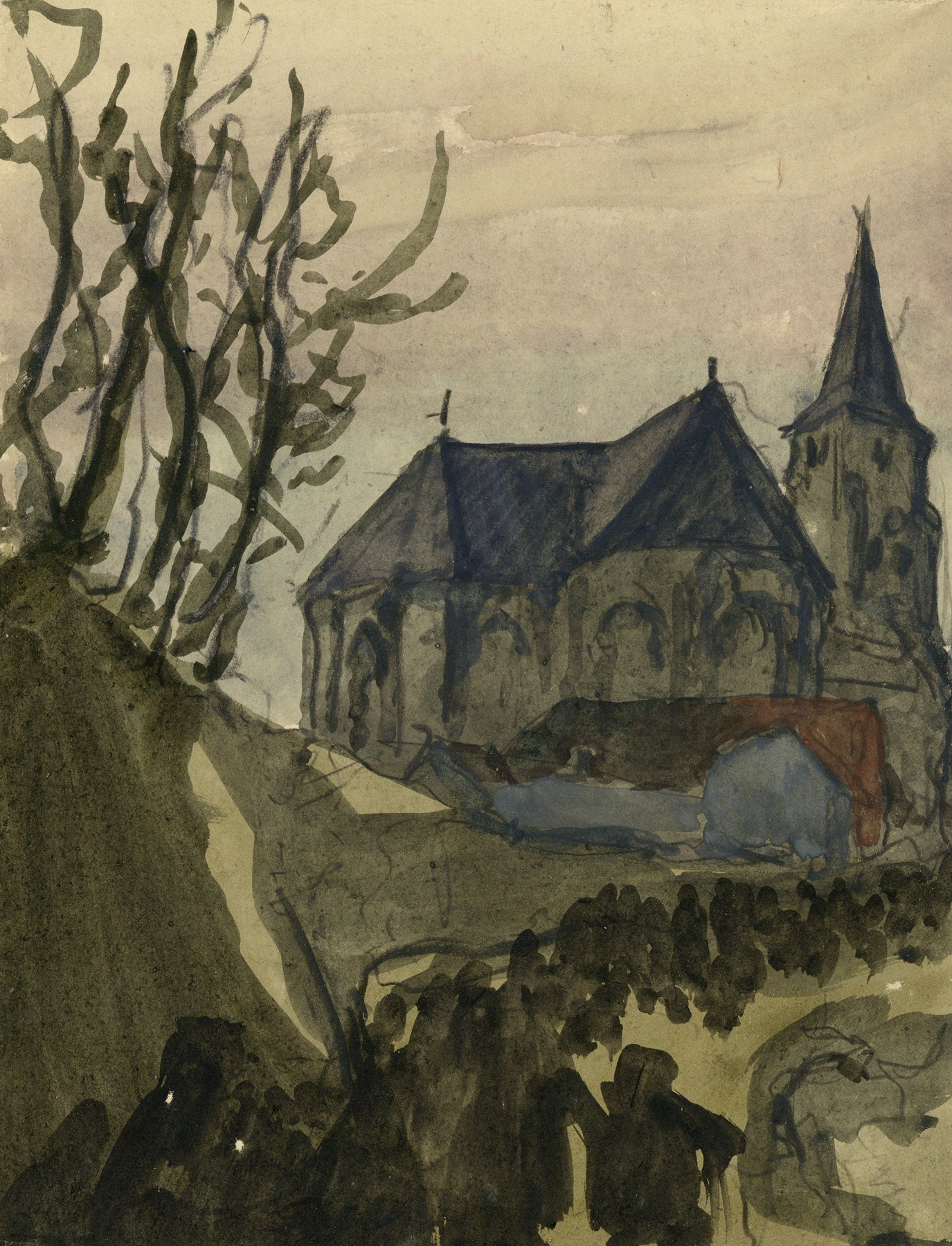
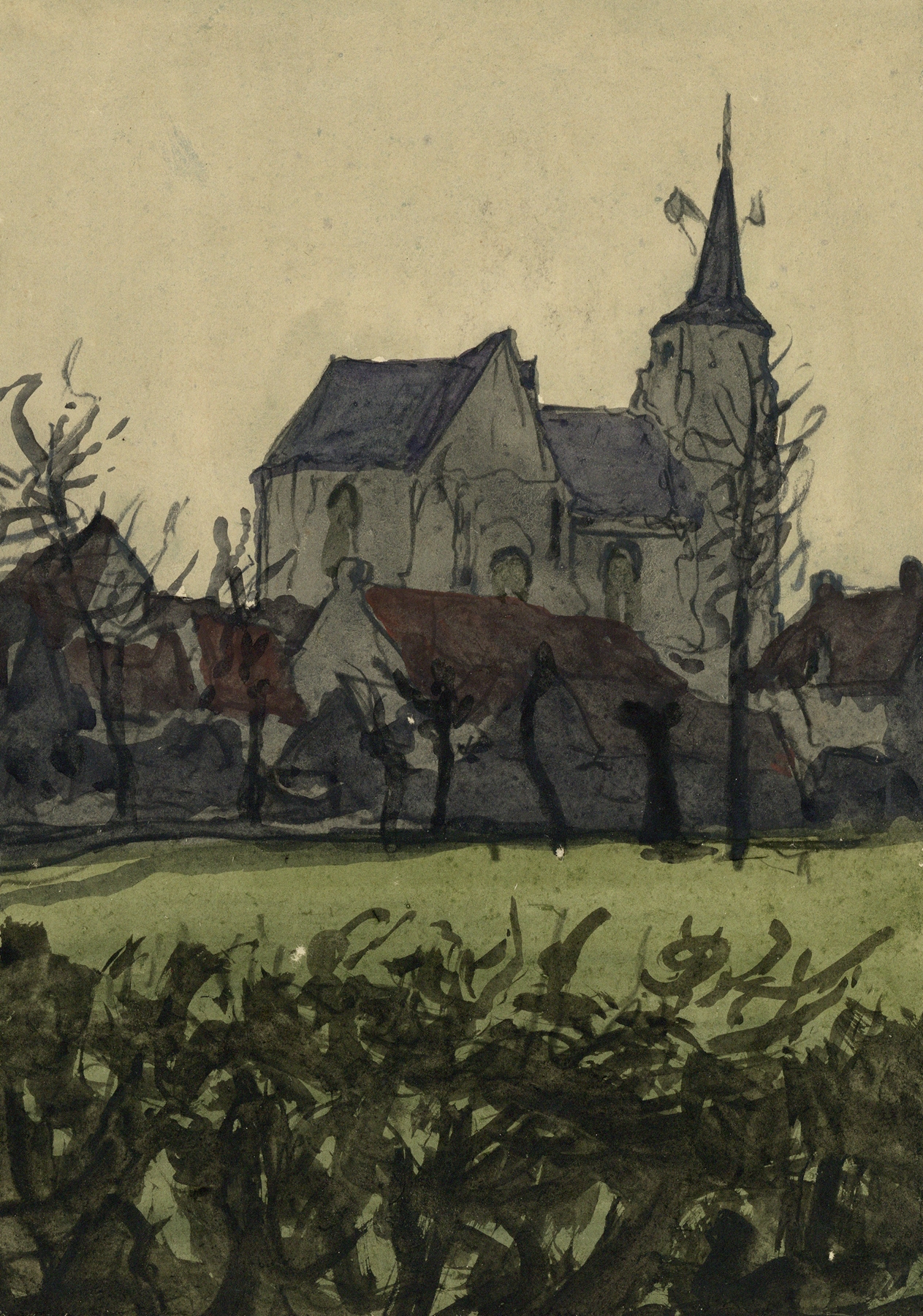
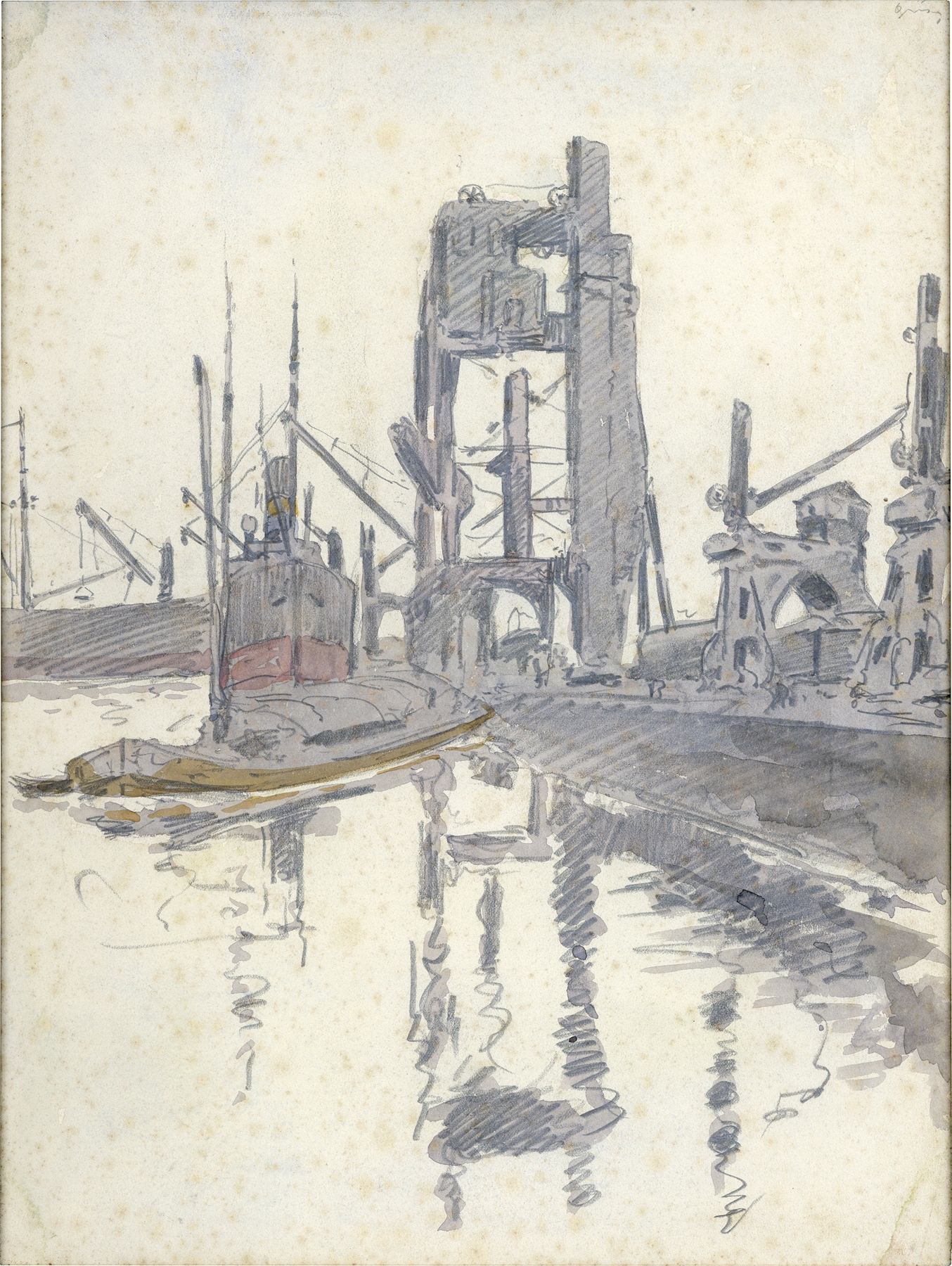
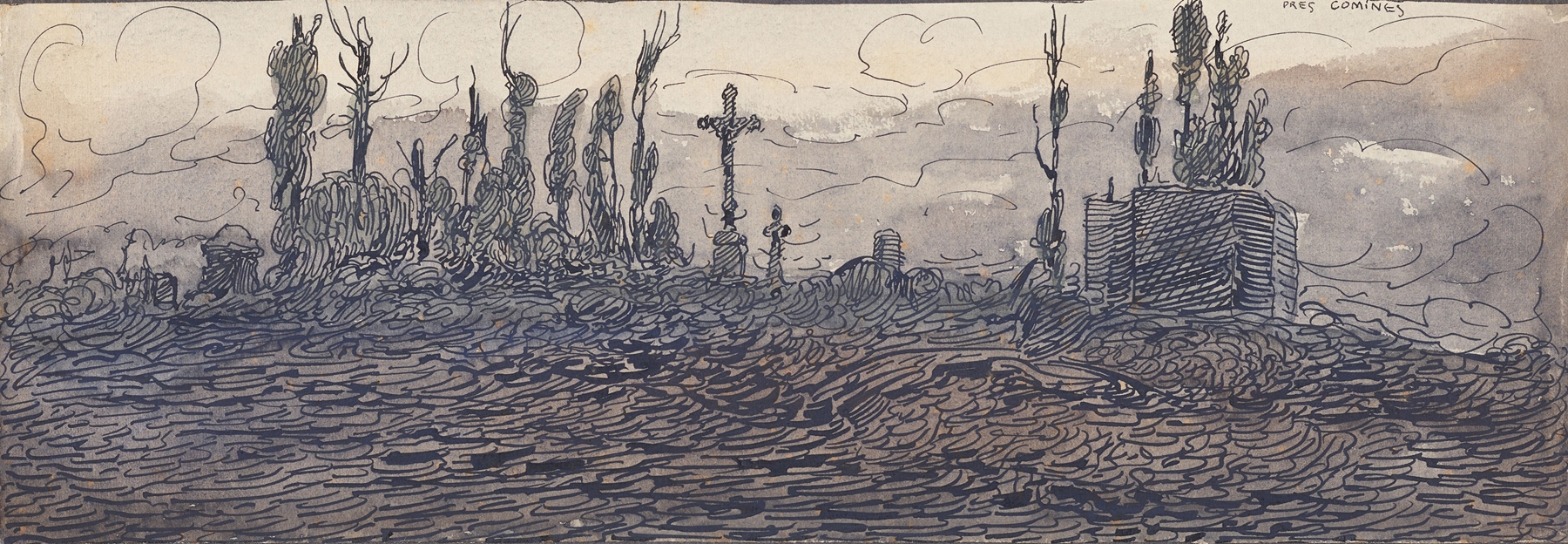
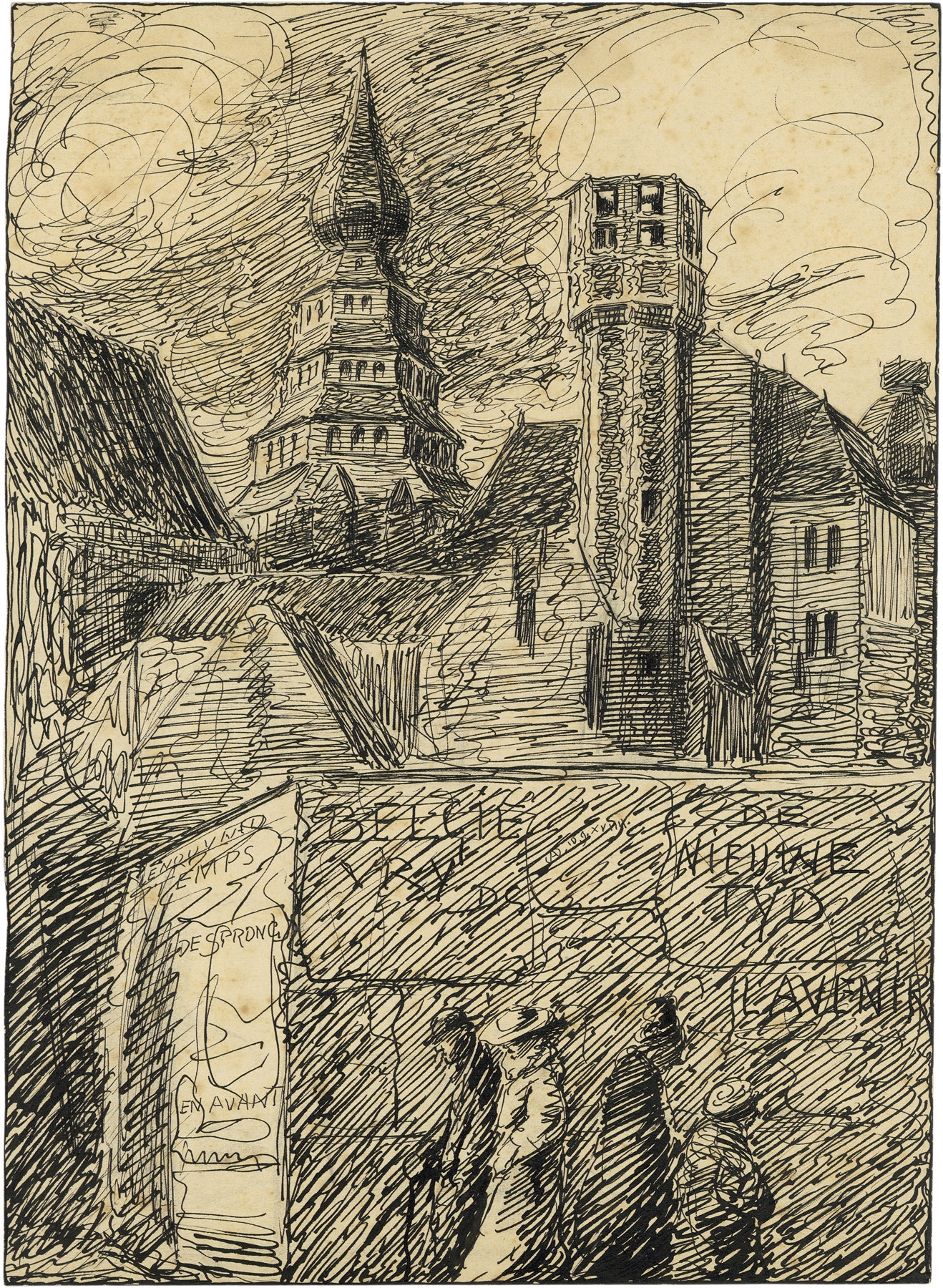
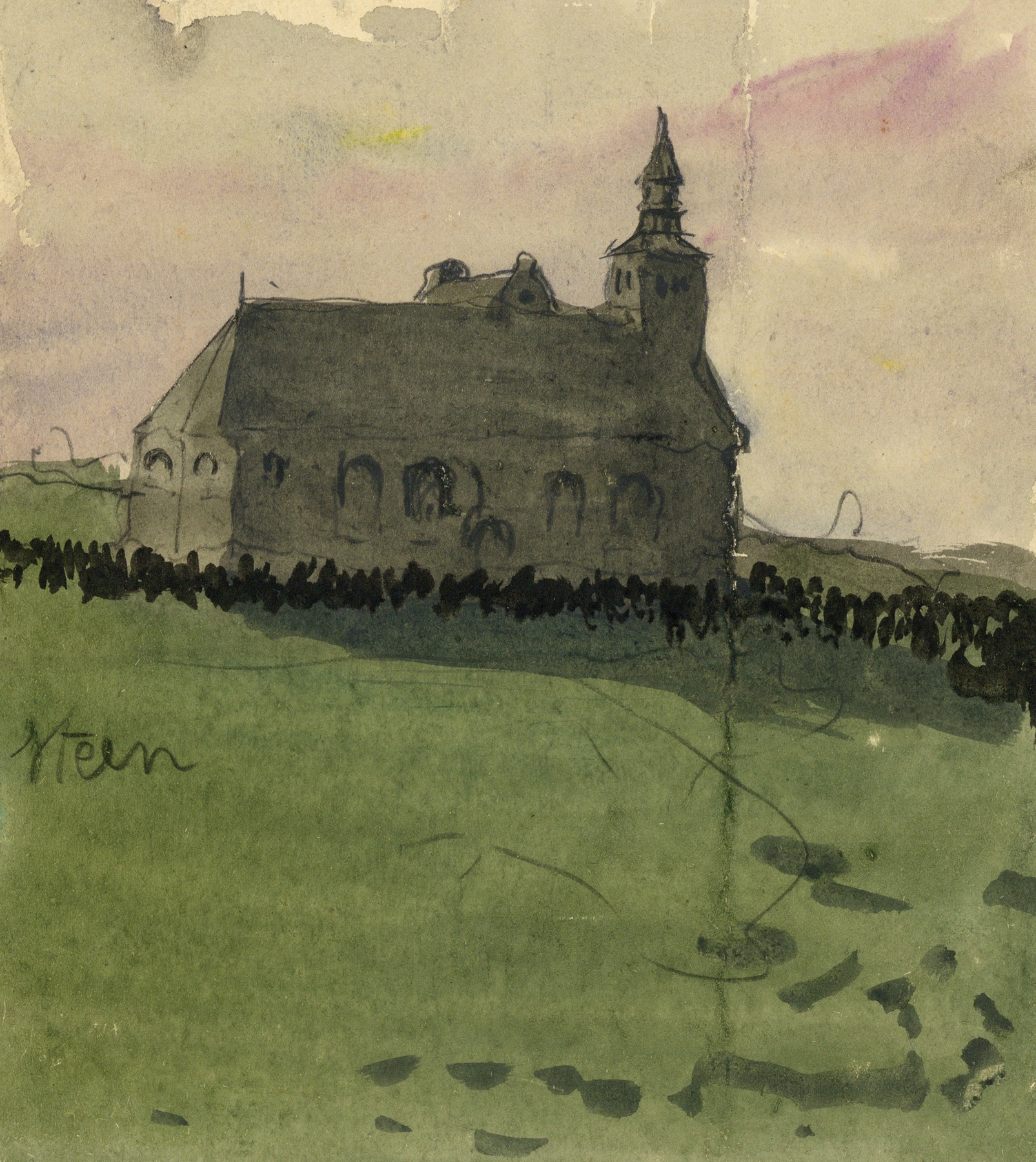
Did the painter know this moment would outlive them? In Ypres Remember, the weight of grief is palpable, frozen in time yet echoing through generations. First, look to the somber palette that envelops the landscape—a mix of muted blues and grays. The horizon stretches thin and desolate, an expanse of silence that invites you deeper into the scene. Notice how light struggles to break through, casting a ghostly glow over the remnants of ruins.
This interplay of shadow and illumination creates a haunting atmosphere, guiding your gaze from the crumbling architecture to the stark, desolate foreground where echoes of the past linger still. At its core, the work is a meditation on loss, layered with emotional tension. The skeletal remains of buildings stand as silent witnesses to the devastation of war, while the absence of human presence amplifies the grief woven into the fabric of the painting. Each stroke seems to resonate with memories—of lives lived and lost, of a community forever altered.
The contrast between the vibrancy of the past and the stark present invites reflection on the fragility of existence. Created in 1919, Ypres Remember emerged from Ost's experiences during a turbulent time, shortly after World War I. Living in a Europe marred by conflict, he channeled his emotions into this evocative piece while capturing the collective trauma experienced by a city ravaged by combat. In this moment of artistic creation, he reflected not only on personal grief but also on the shared sorrow of a world grappling with its own scars.