Italiaanse kerk en bomen — History & Analysis
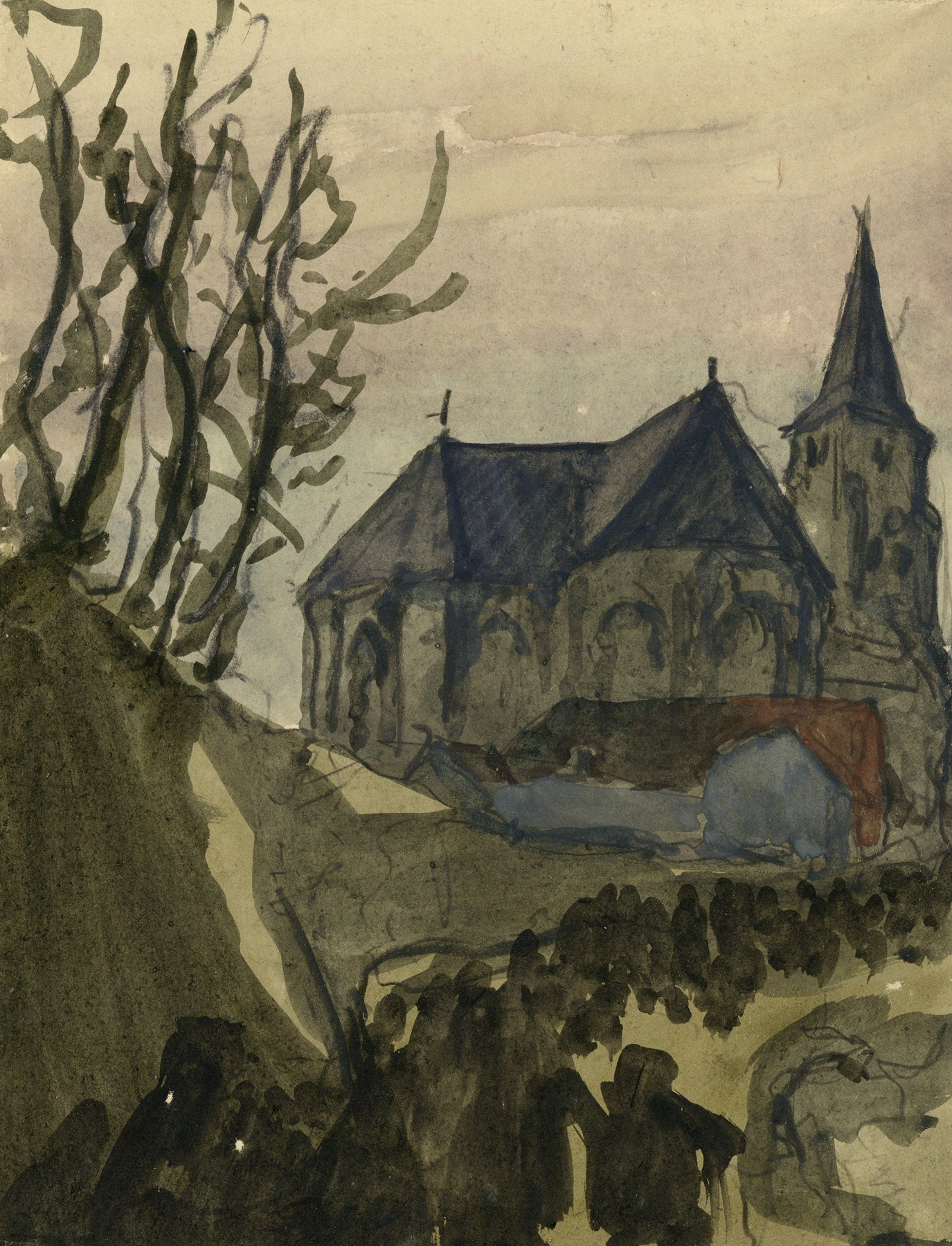
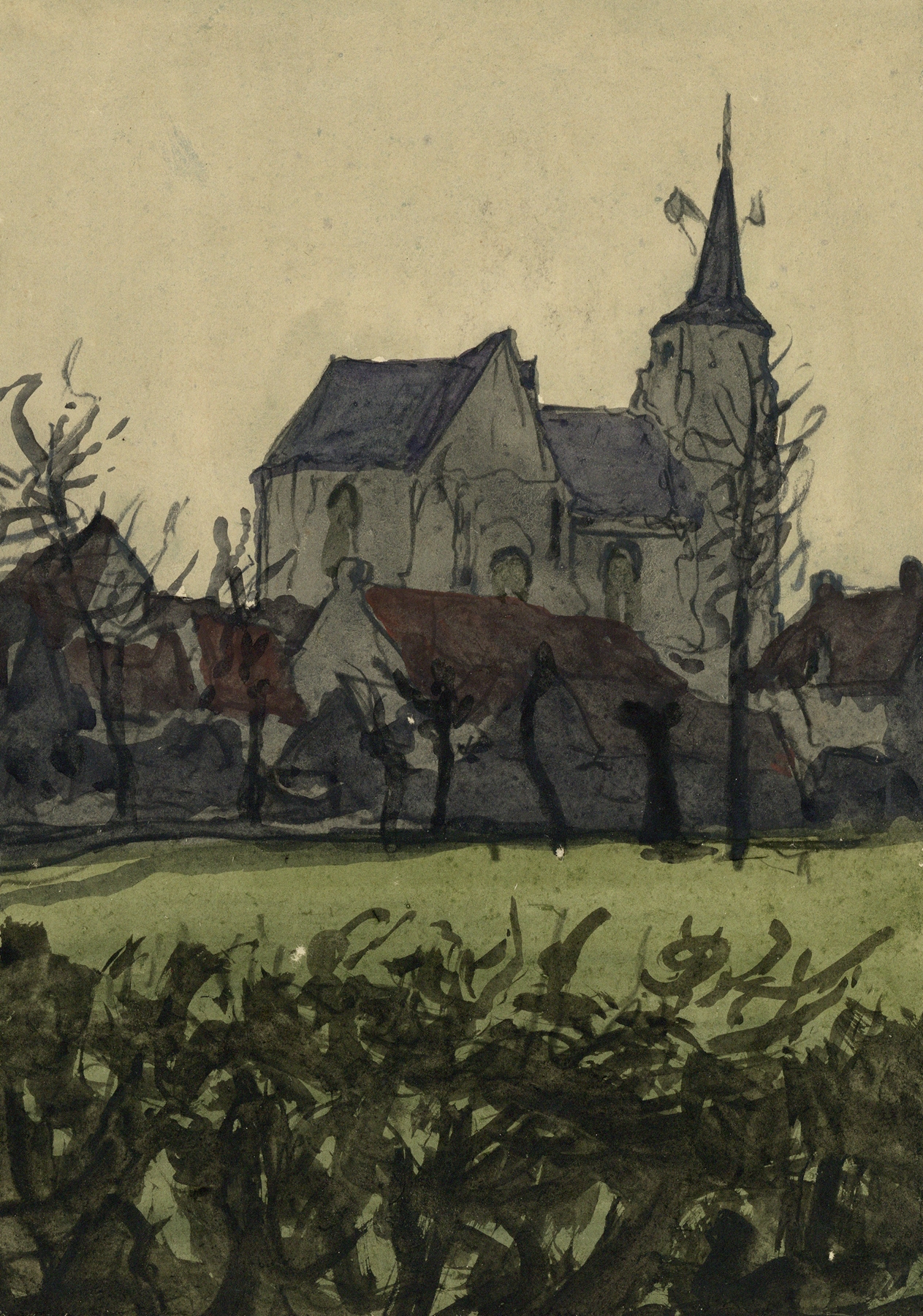
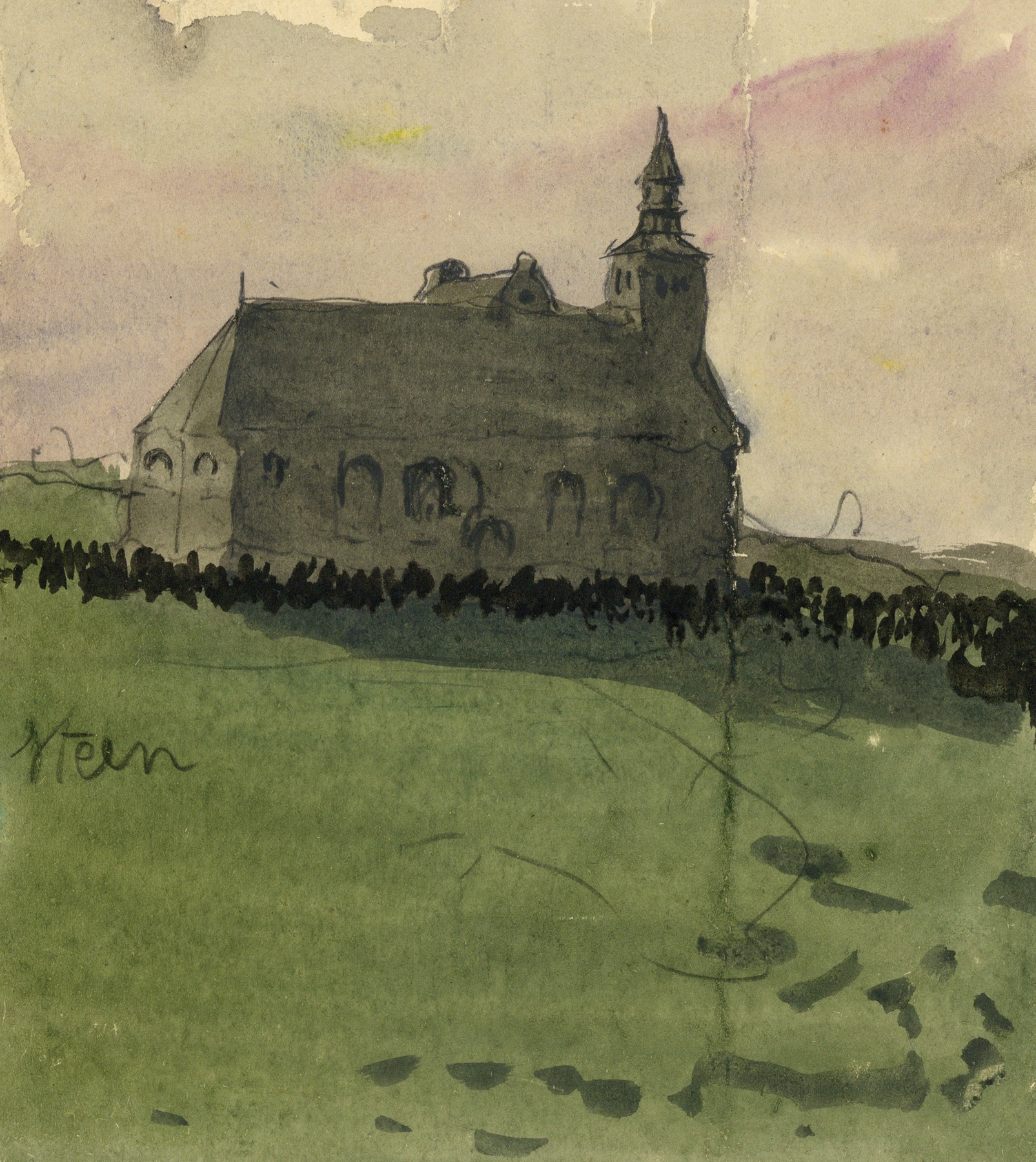
“Under the brush, chaos becomes grace.” How does a fleeting moment encapsulate the essence of innocence? In Alfred Ost’s Italiaanse kerk en bomen, the viewer is invited into a serene landscape where the complexities of life seem to dissolve into simplicity. Look to the left at the delicate white church steeple, its silhouette rising gently against a backdrop of vibrant greenery. The sun bathes the scene, accentuating the play of light on the leaves, casting dappled shadows that dance across the ground. The color palette is a soothing blend of soft greens and warm earth tones, evoking a sense of tranquility.
Each brushstroke conveys a feeling of harmony, as if the trees and the church exist in perfect equilibrium. Yet, beneath this calm exterior lies a contrast of permanence and transience. The church, a symbol of stability, stands resolute, while the trees sway lightly in the breeze, representing the passage of time. This juxtaposition whispers of innocence lost, as the viewer imagines the fleeting moments that connect nature and faith.
The painting captures an idyllic moment, inviting reflection on the innocence inherent in both the landscape and the act of pausing to appreciate it. In 1935, Ost was immersed in a period of creative exploration, painting from his studio in Belgium. The world was grappling with the complexities of change, yet his work radiates a sense of peace and simplicity. During this time, as modernist movements surged, he carved out a space for innocence and beauty, allowing the viewer to escape into a world where grace reigns amidst the chaos.