Afgunst (Invidia) — History & Analysis
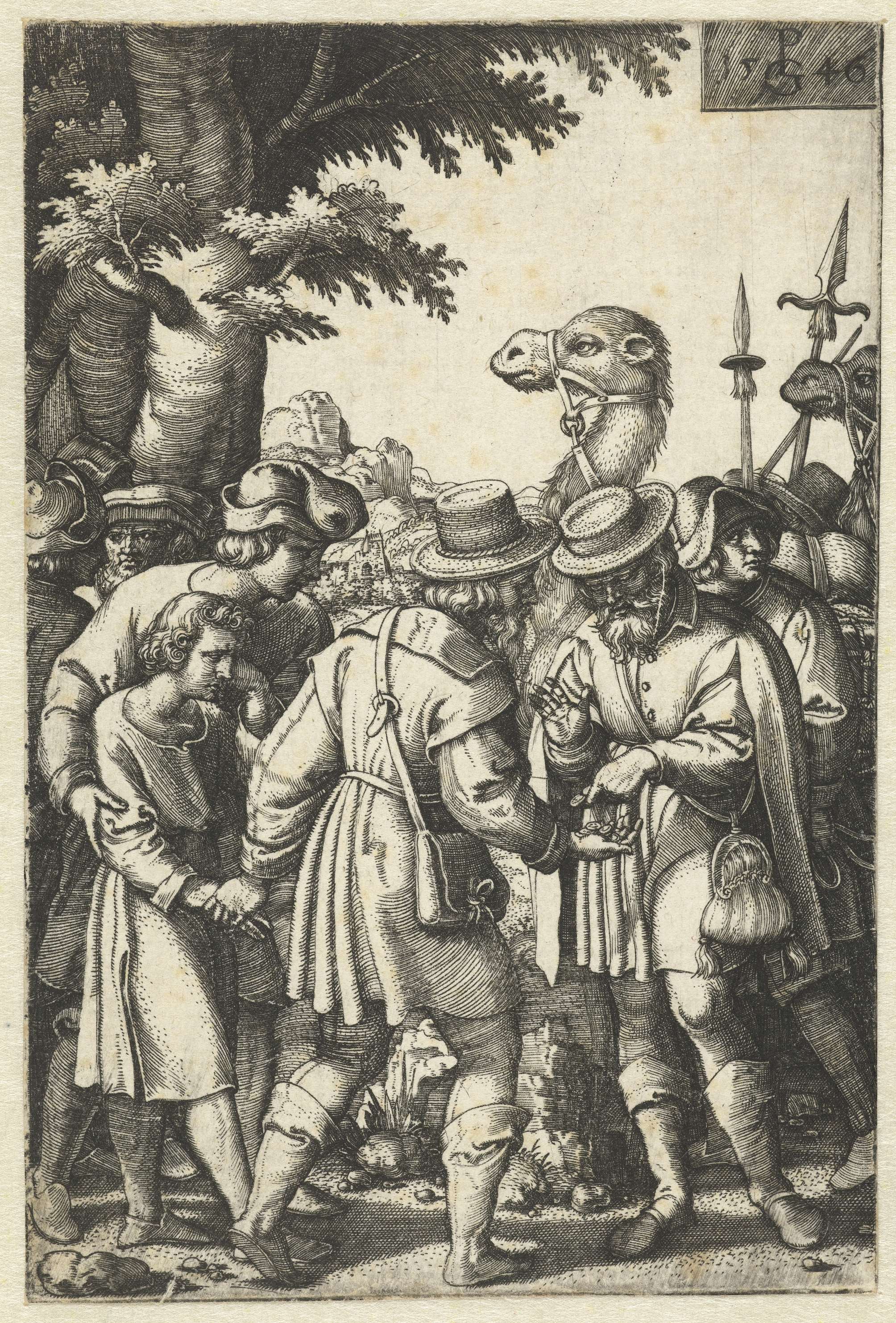
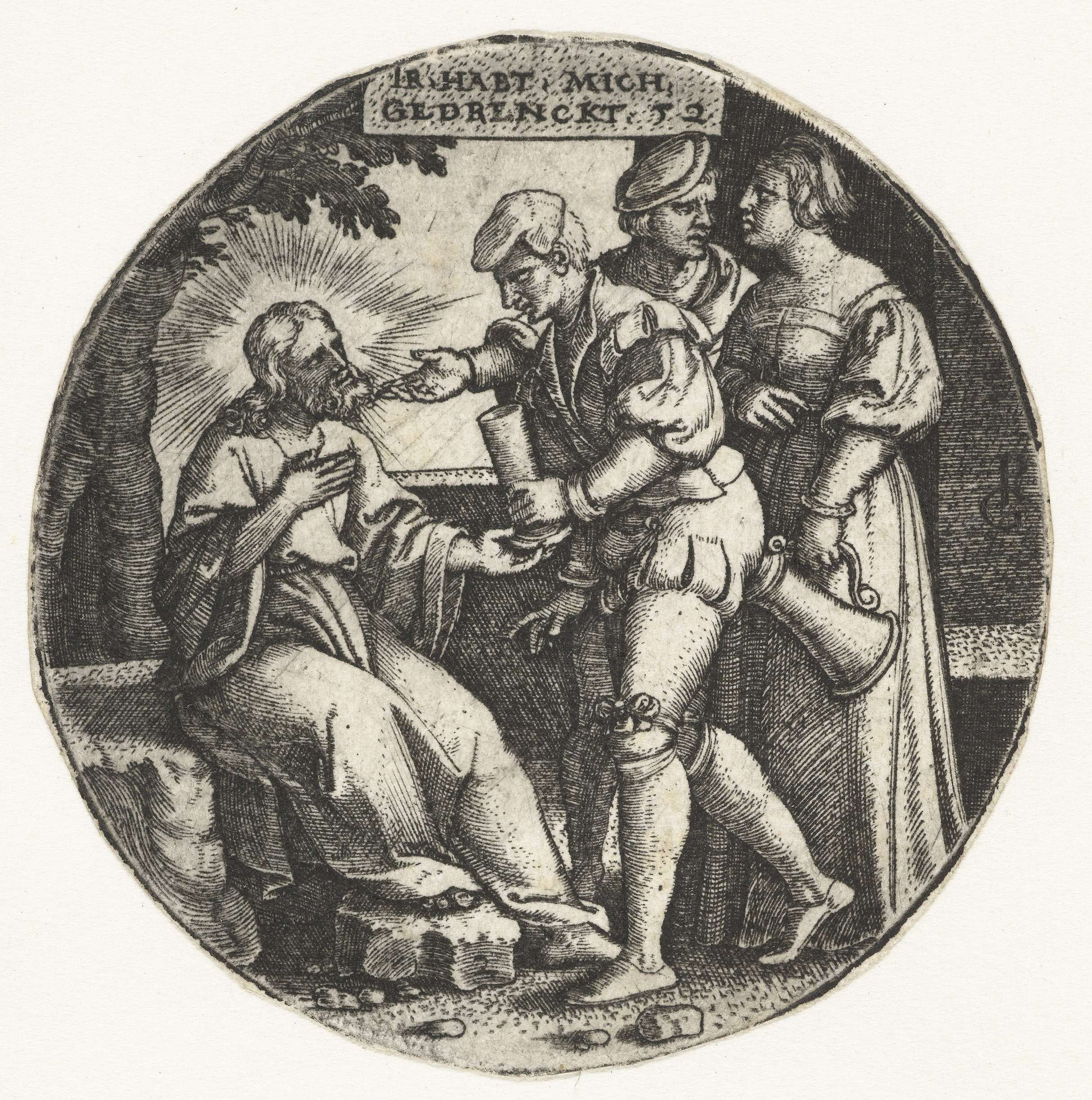
Could a single brushstroke hold eternity? In the haunting realm of Afgunst (Invidia), melancholy manifests in a portrait that whispers the secrets of human emotion, tethering the viewer to an infinite narrative of envy and desire. Look to the left at the figure cloaked in dark hues, their gaze cast downward, shrouded in shadows that echo their inner turmoil. The muted palette, punctuated by faint glimmers of light, creates a somber atmosphere that envelops the composition. Notice how the delicate brushwork conveys a sense of fragility, as if the subject teeters on the edge of despair, inviting us to ponder the weight of their unspoken thoughts.
Delve deeper into the subtle juxtapositions within the painting. The juxtaposition of light and dark not only highlights the figure's emotional state but also symbolizes the conflict between aspiration and failure. The textured background, while seemingly simple, acts as a barrier, separating the subject from an untouched realm of fulfillment. Each detail, from the subtle curve of the lips to the heavy draping of the garments, resonates with the profound tension of envy — a longing for what is out of reach, rooted in a complex web of human experience.
In the early 1540s, while working in Nuremberg, Georg Pencz faced the shifting tides of the Renaissance. Amidst the flourishing of new ideas, he began to explore the depths of psychology in portraiture. This period marked a transition in his artistic approach, as he sought to convey deeper emotional truths rather than mere likeness. The broader context of a world grappling with its own vulnerabilities undoubtedly influenced his portrayal of the human condition in Afgunst (Invidia), capturing the fragile essence of envy that resonates through time.