Parabel van de arbeiders in de wijngaard — History & Analysis
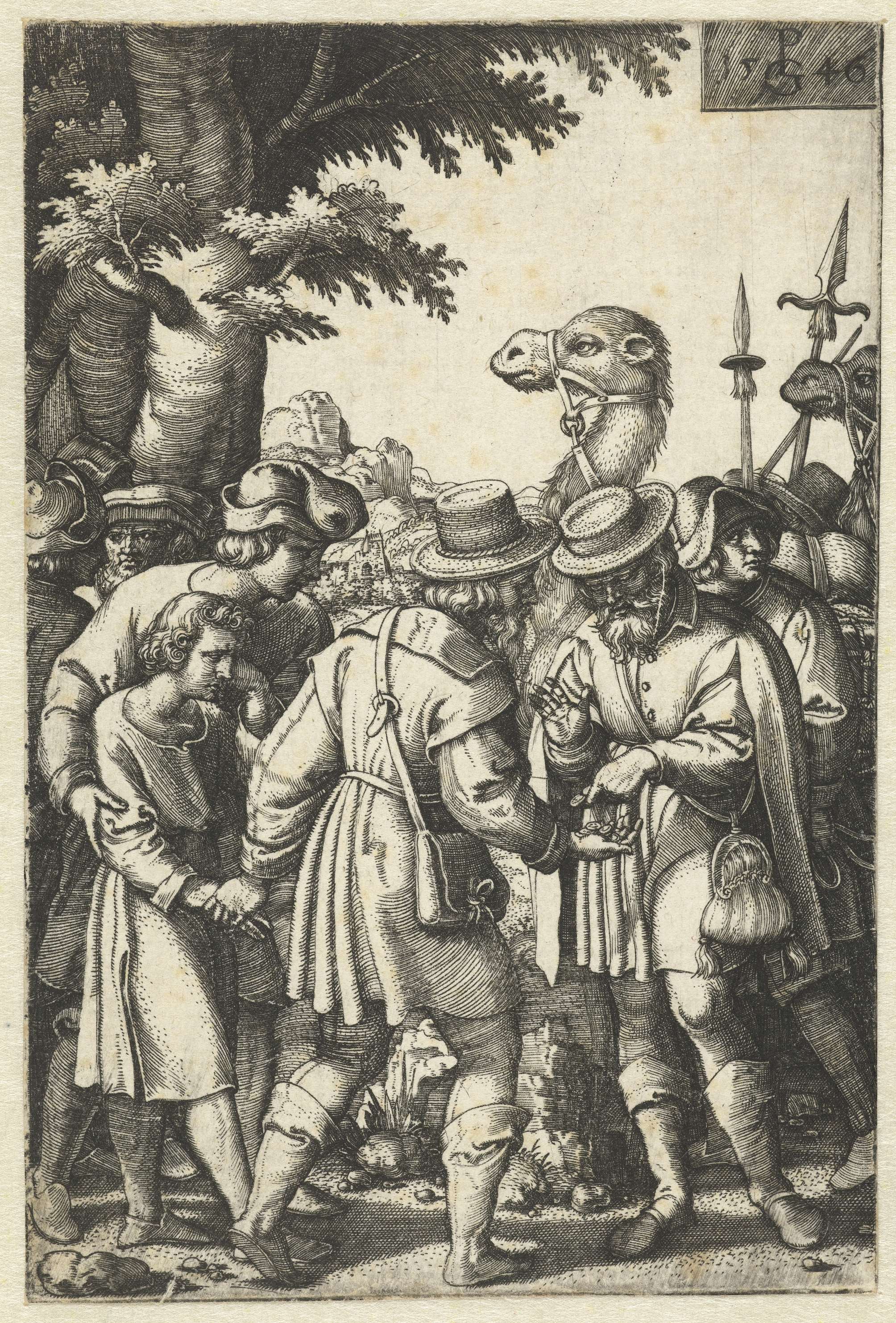
“Art reveals the soul when the world turns away.” In the stillness of Parabel van de arbeiders in de wijngaard, a haunting emptiness unfolds, challenging us to confront our own human condition. Look to the center where laborers toil in the vineyard, their toil depicted with striking precision. The deep greens and muted earth tones emphasize the natural setting, while the sharp lines and remarkable detail illuminate the weariness etched into their faces. The light cascades unevenly across the canvas, revealing the stark contrasts between the vibrancy of life and the dull ache of labor.
Each figure’s gesture speaks a silent language of struggle, drawing the viewer’s gaze deeper into the narrative. Beneath the surface lies a complex interplay of fairness and despair. The disparity between those working in the vineyard and the observer’s vantage point hints at a broader commentary on societal inequities. The shadows cast by the figures evoke feelings of loneliness, suggesting that even amid communal toil, an emotional distance prevails.
This work deftly navigates the tension between diligence and the inherent emptiness that can accompany unrecognized effort. Georg Pencz painted this piece between 1534 and 1535, during a time when Northern Renaissance art was pivoting towards the exploration of human emotion and social themes. Working in Nuremberg, Pencz was influenced by the shift from religious subjects to more secular narratives, reflecting a society grappling with the implications of Reformation and emerging humanist ideas. In this context, Parabel van de arbeiders in de wijngaard stands as a poignant meditation on labor and its emotional implications, resonating with the struggles of his contemporaries.