Christus heeft dorst en krijgt drinken aangeboden — History & Analysis
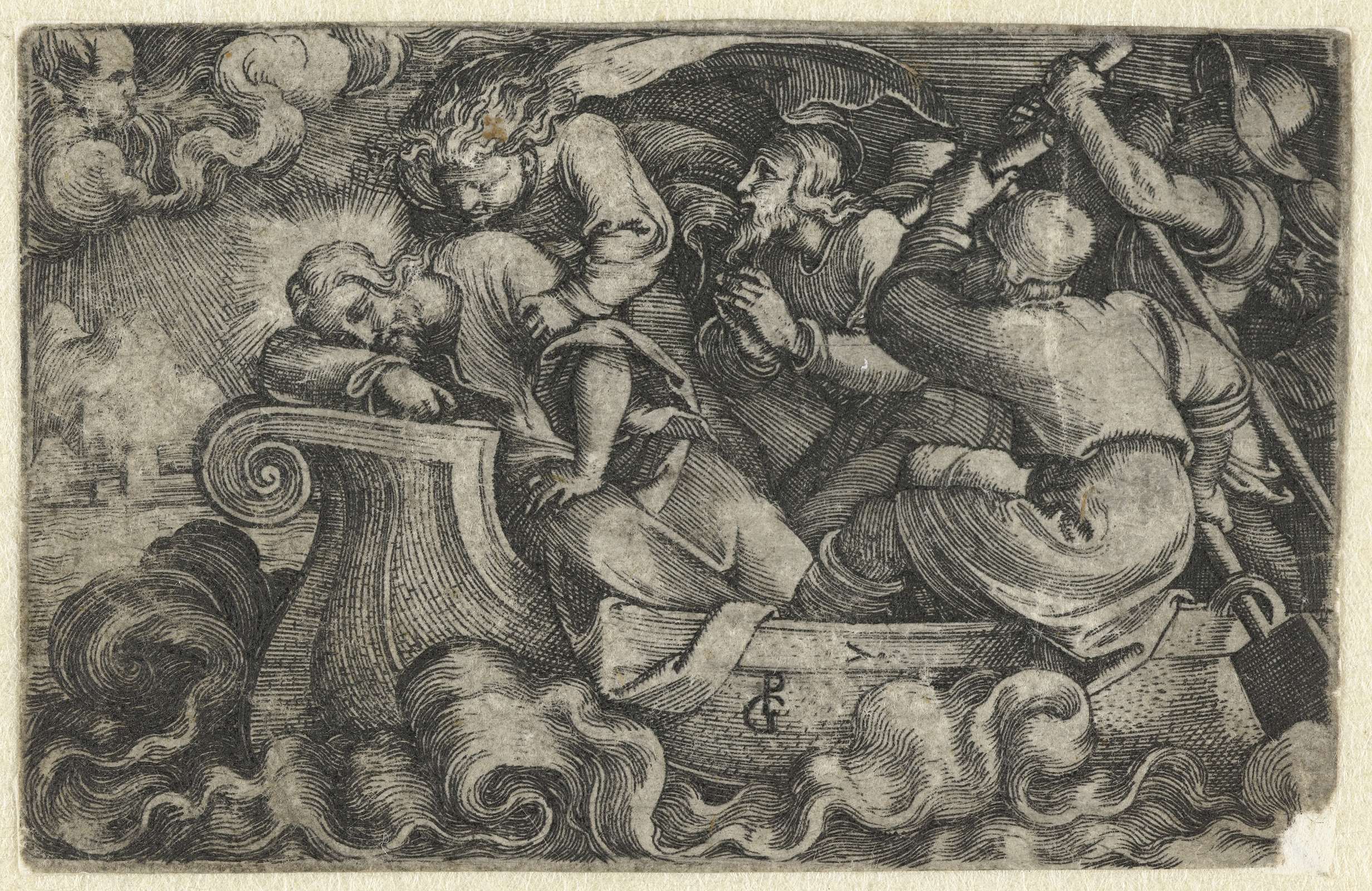
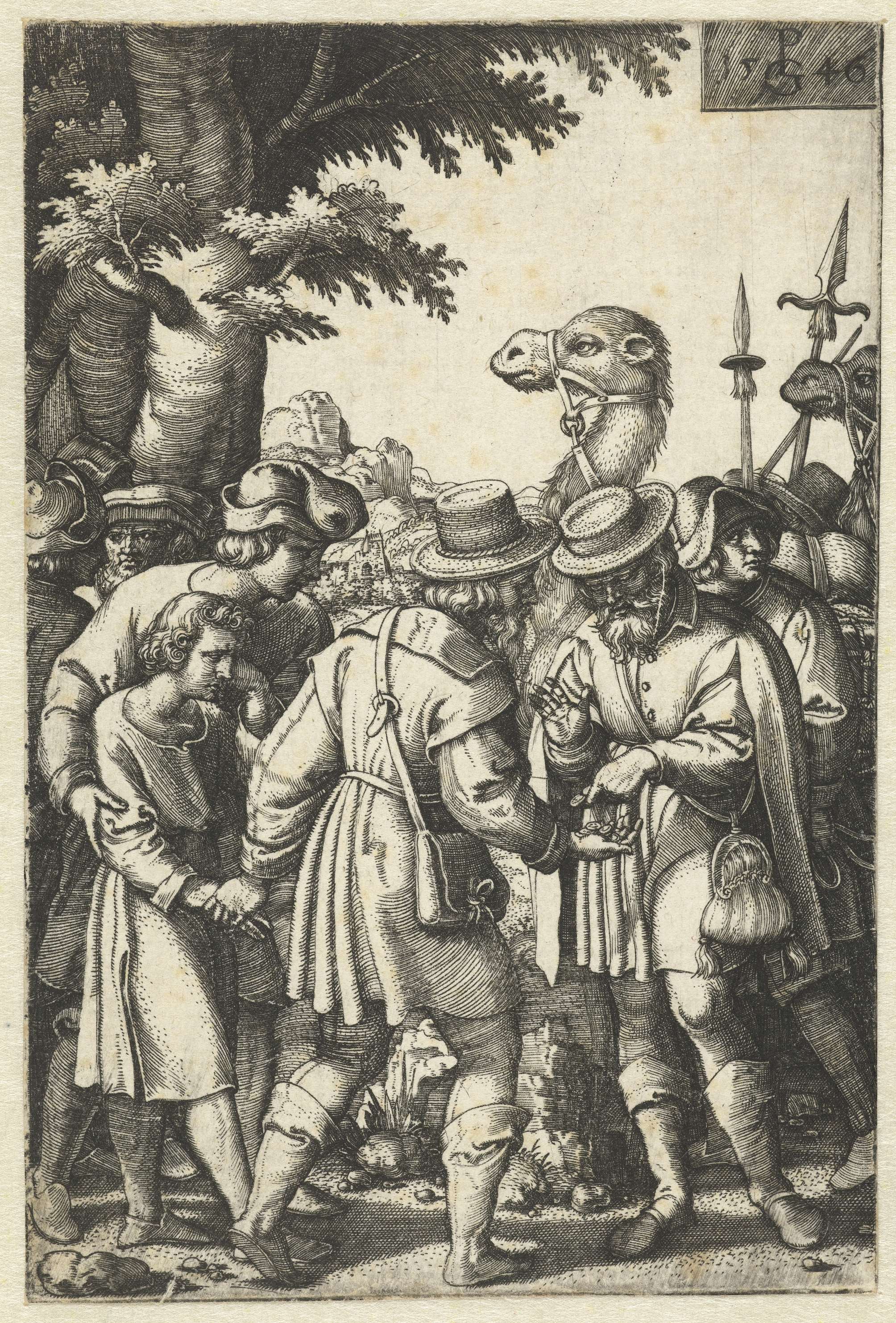
“The canvas doesn’t lie — it simply waits.” In Christus heeft dorst en krijgt drinken aangeboden, we confront the silence of a profound moment, brimming with unspoken devotion and human compassion. Here lies a truth that transcends the boundaries of time, inviting us to witness an intimate exchange laden with significance. Look to the left of the composition, where a figure offers a cup of water, the gesture imbued with humility and grace. Notice how the warm light catches the delicate contours of the cup, as if illuminating the divine connection between the two figures.
The stark contrasts of shadow and light enhance the solemn atmosphere, while the muted color palette evokes a sense of reverence. Each detail—crafted with meticulous precision—serves to delineate not just physical forms, but the weight of spiritual longing. The painting encapsulates the tension between earthly desires and heavenly aspirations. The thirst depicted here transcends mere physical need; it is a metaphor for spiritual yearning, an invitation to reflect on our own quests for fulfillment.
The cup, seemingly ordinary, symbolizes the sacred potential of simple acts of kindness, while the gazes exchanged between the figures infer a deeper communion, one that resonates with all who experience it. Georg Pencz created this work in 1534 while living in Nuremberg, amidst a rich tapestry of Renaissance art that sought to explore human emotions and divine grace. This period marked a shift toward greater intimacy in religious themes, as artists began to portray biblical scenes with a focus on personal connection rather than grandeur. Pencz's dedication to detail and emotion stands as a testament to this evolving perspective in art history.