Petrus protesteert als Christus zijn voeten wast — History & Analysis
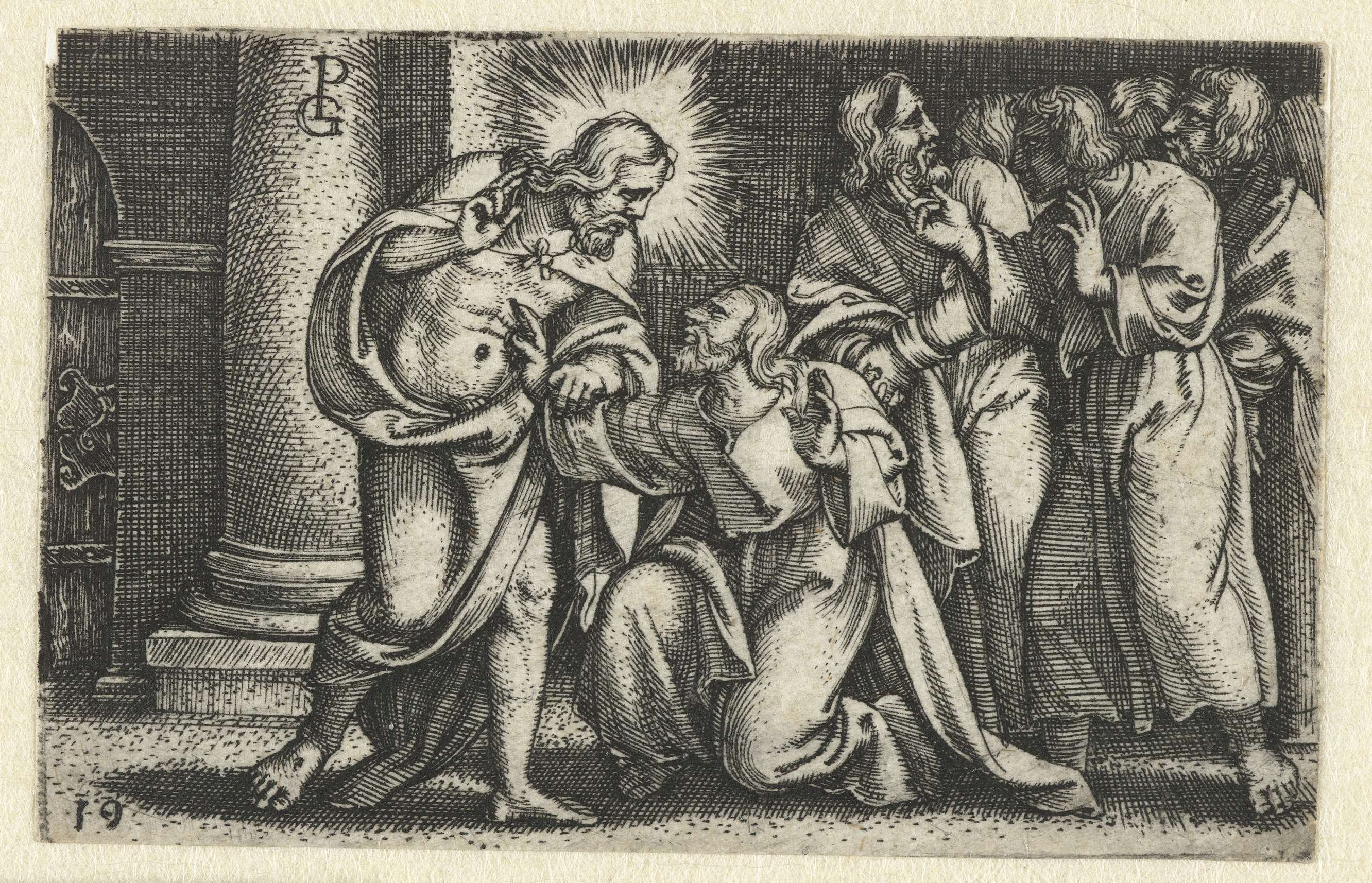
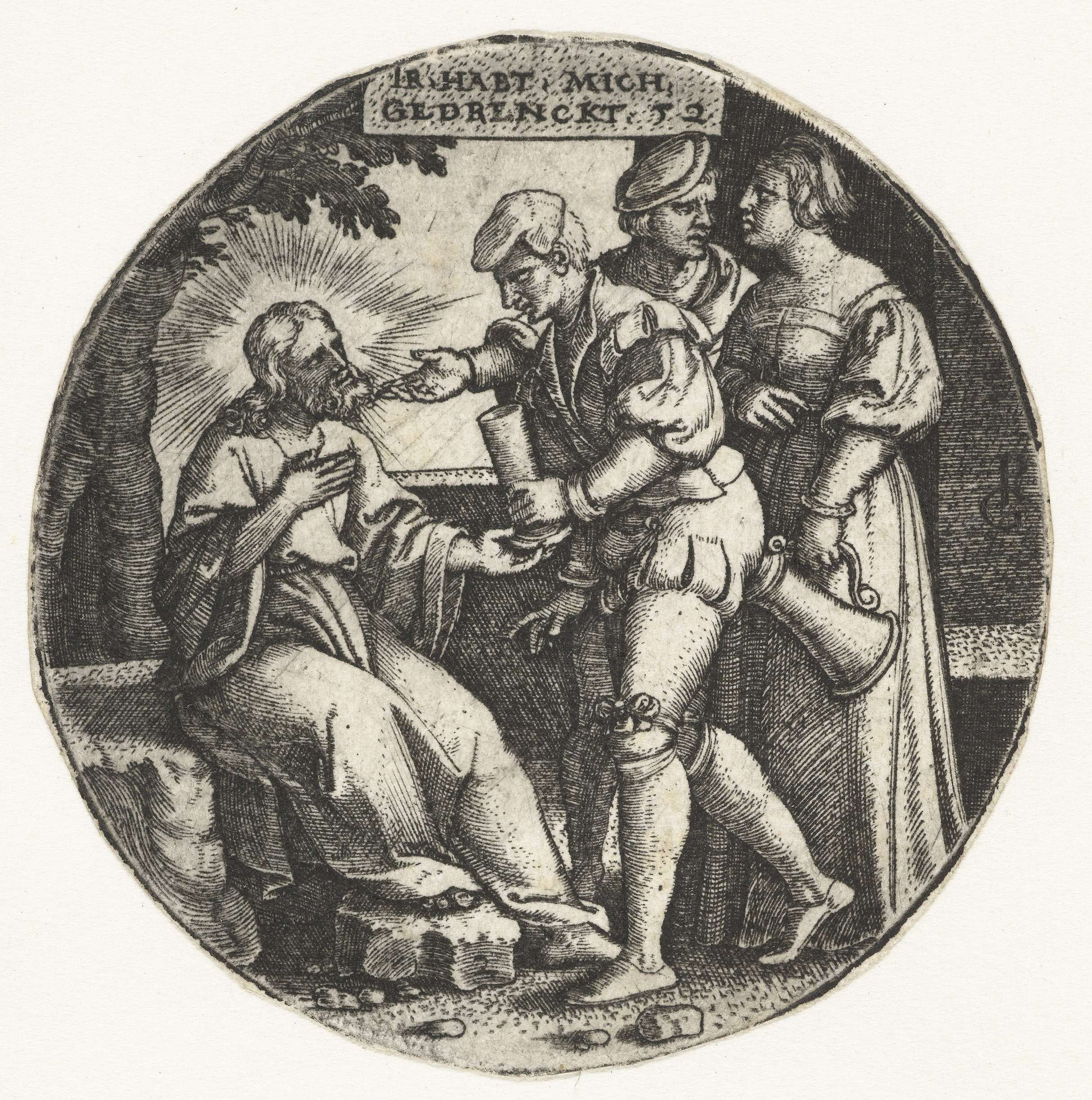
What if beauty was never meant to be finished? In a world where moments are fleeting and gestures bear weight, this painting captures a profound tension between humility and defiance. Look closely at the central figures, where the luminous face of Christ stands in stark contrast to Petrus, who recoils in disbelief. Notice how the light cascades from above, illuminating the divine act of service while casting shadows over the disciple’s reluctance.
The meticulous detailing of their garments, rendered in rich, earthy tones, guides your gaze from Christ’s gentle hands to the hesitant posture of Petrus, encapsulating the emotional push and pull of the scene. Here, the dynamic interplay of light and shadow reflects not only the physical act of washing feet but also the deeper emotional currents that run through the moment. Petrus’s furrowed brow and outstretched hand signify both reverence and resistance, illustrating the inner conflict between personal pride and spiritual submission. The tension is palpable, a reminder of the human struggle to accept vulnerability and grace in the face of divine love.
Georg Pencz created this work between 1535 and 1537, during a time when the Reformation was reshaping religious landscapes across Europe. Working in Nuremberg, Pencz was part of a vibrant artistic community that grappled with themes of faith and human experience. This painting reflects not only personal beliefs but also the broader dialogues concerning authority and devotion during a transformative period in art and society.