Parabel van de zaaier — History & Analysis
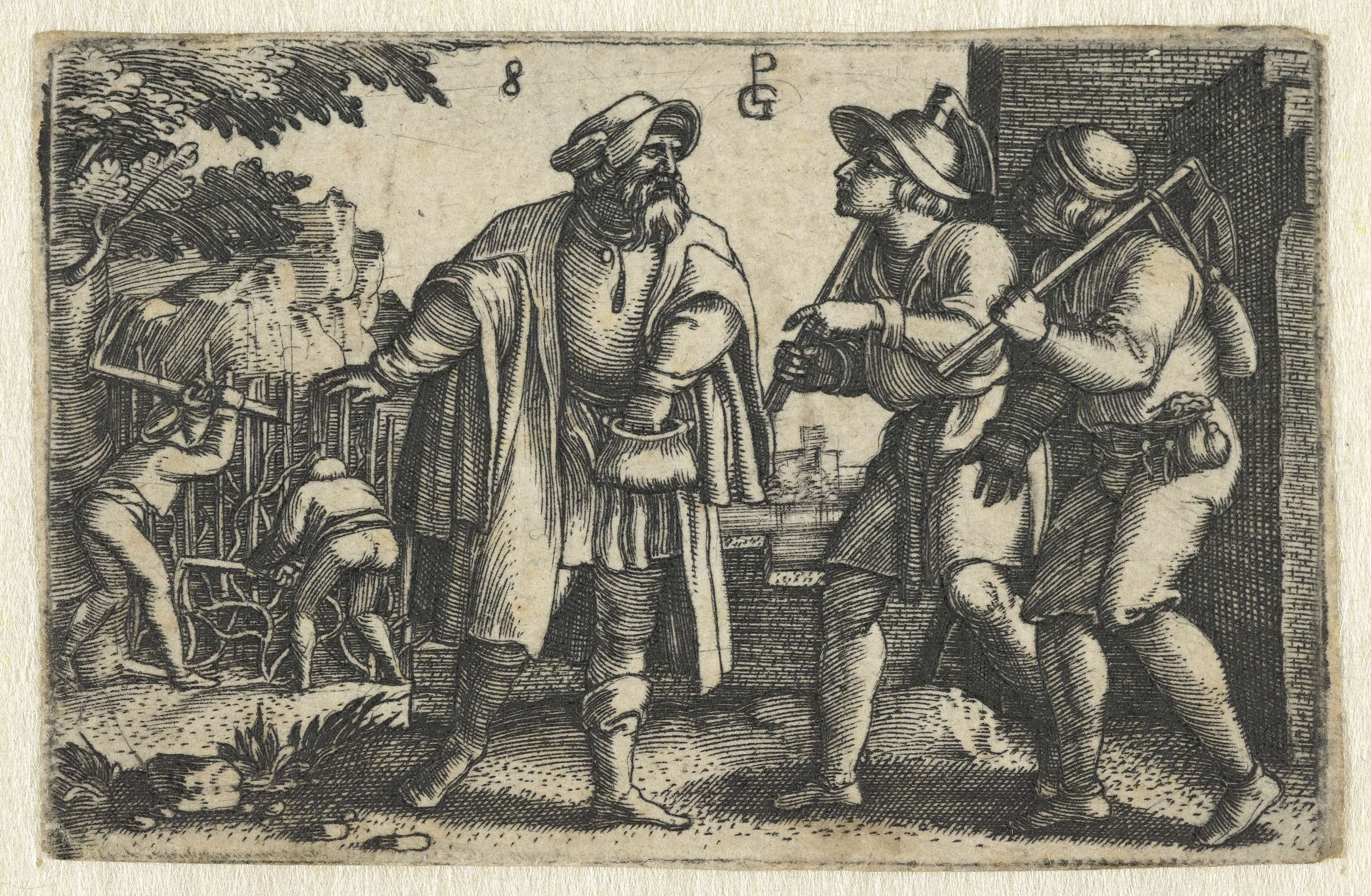
“To paint is to remember what time wants us to forget.” This sentiment echoes through the brushstrokes of this poignant work, capturing a deep yearning for connection between the present and the past. As viewers, we are invited to delve into a narrative that transcends mere imagery, stirring a sense of nostalgia within us. Look to the left, where the sower stands poised, his figure a stark contrast against the expansive field that stretches out before him. The muted colors of the earth—browns and greens—invoke a grounded sense of reality, while the delicate interplay of light and shadow creates a moment suffused with anticipation.
Notice how the figures in the background, almost ethereal, seem to blend into the horizon, embodying the ephemeral nature of life itself. This juxtaposition draws our focus to the act of sowing, a powerful symbol of hope and renewal. Amidst its serene beauty, the painting reveals hidden tensions: the solitary figure grappling with the weight of his task, the implicit fragility of existence, and the cycle of life and death that this scene encapsulates. The scattered seeds suggest the potential for growth, yet they also whisper of uncertainty—the risk inherent in every act of sowing.
The distant figures might represent the community that is perpetually out of reach, amplifying the longing within the composition. Georg Pencz painted this work between 1534 and 1535 during a time of artistic evolution in Northern Europe. As a member of the Nuremberg school, he was influenced by the emerging Renaissance ideals while navigating his own identity in an era marked by religious and cultural upheaval. The piece reflects both the personal struggles of the artist and the larger transformations in society, capturing a moment poised between tradition and change.