An Ancient Port — History & Analysis
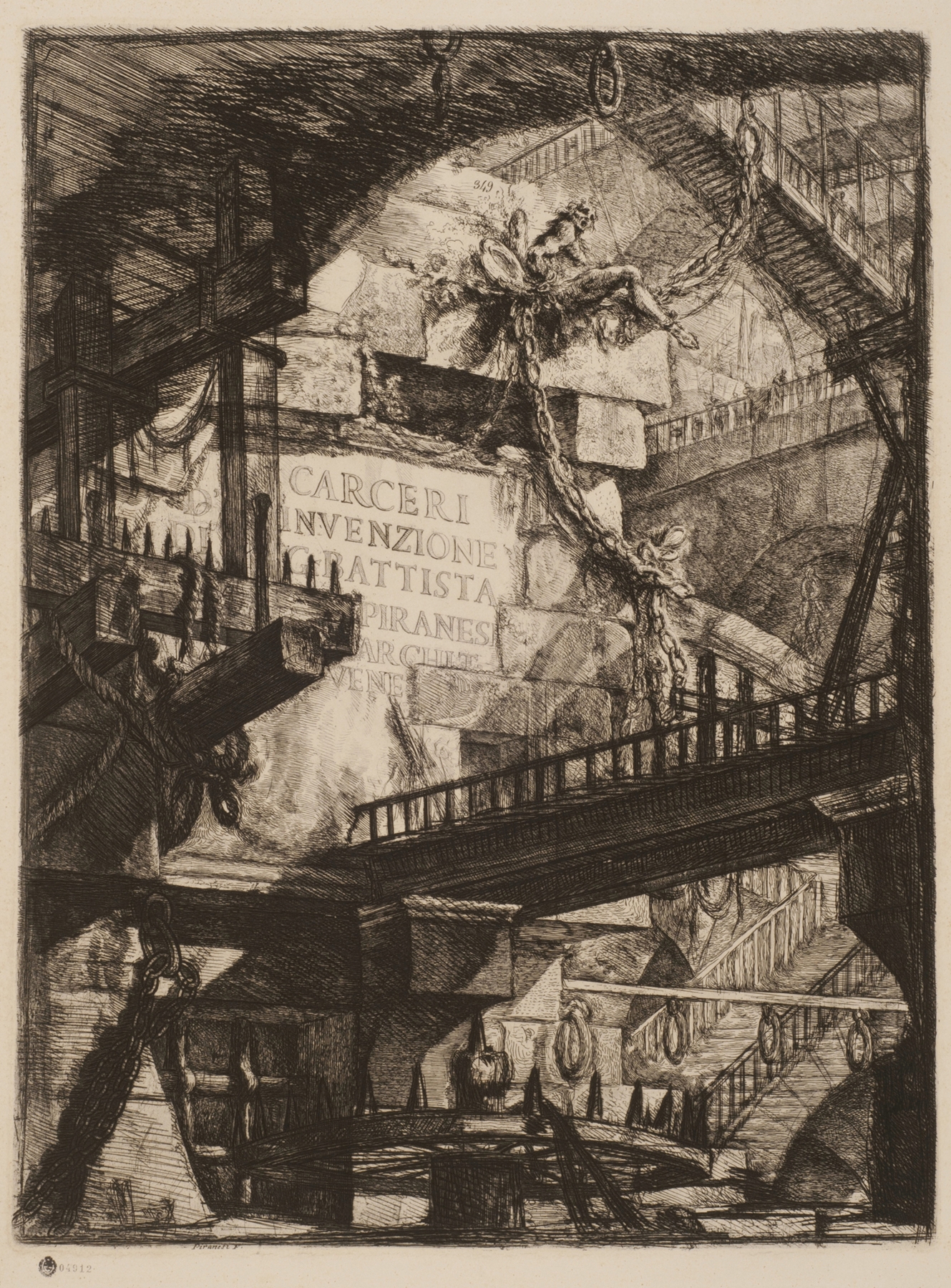
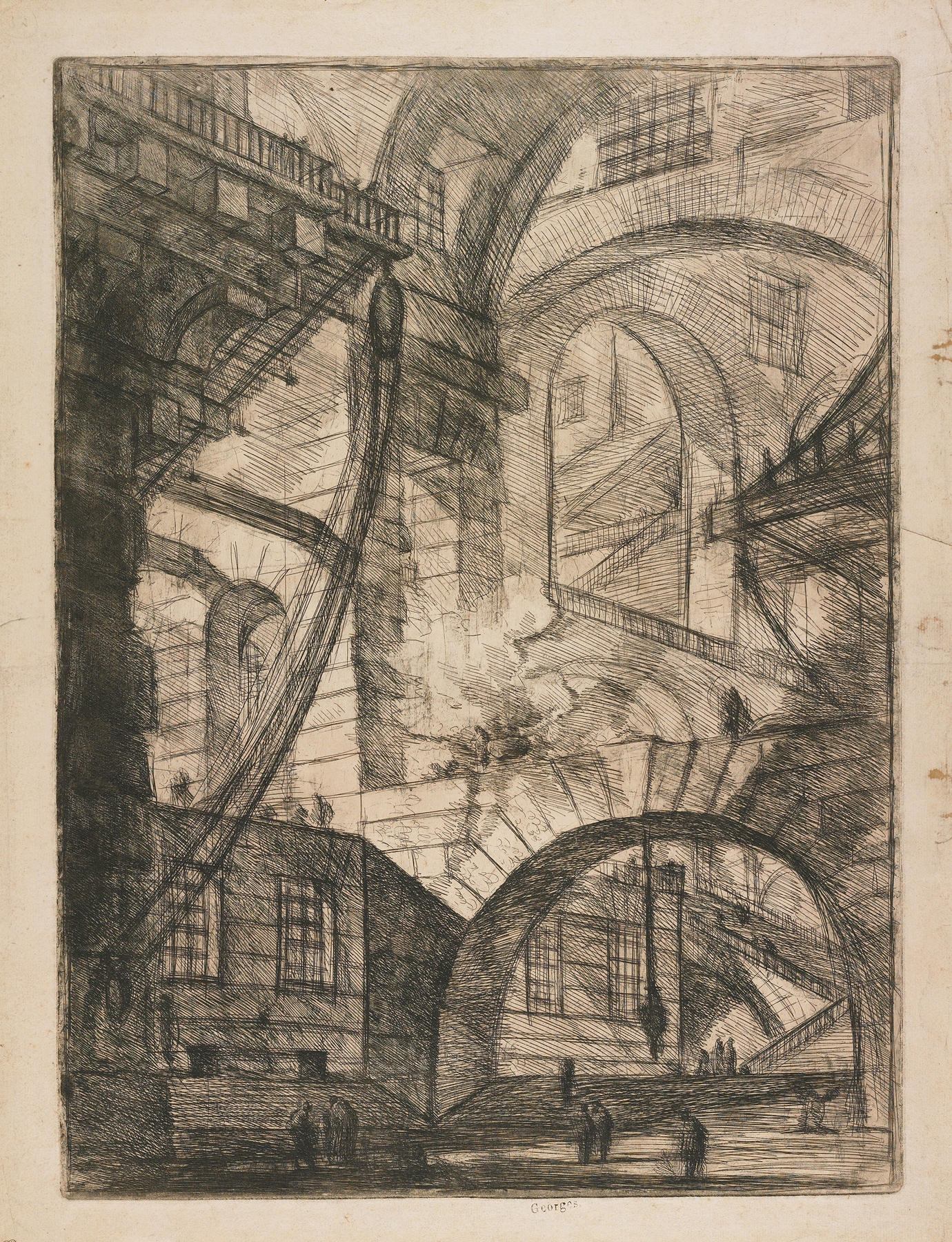
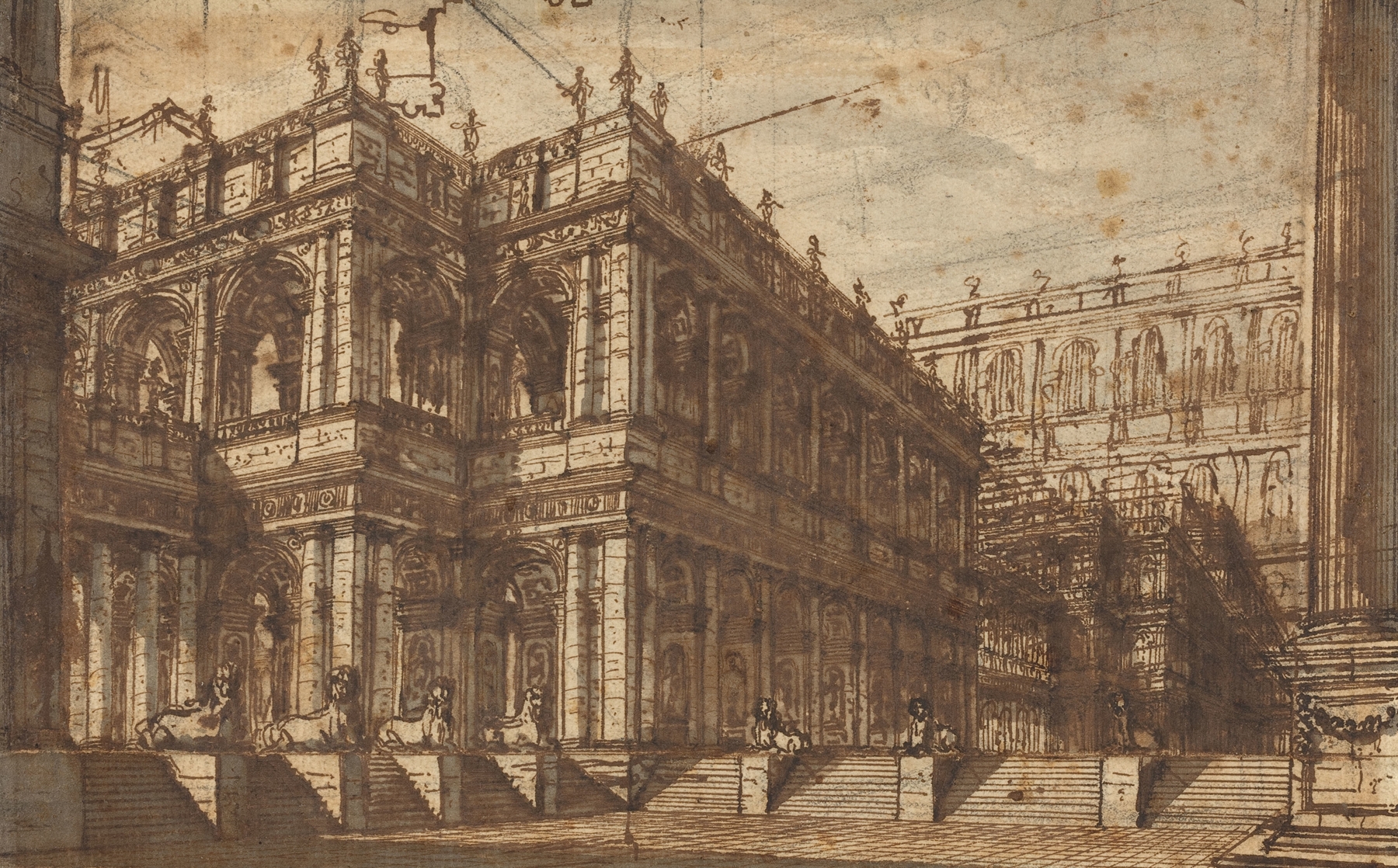
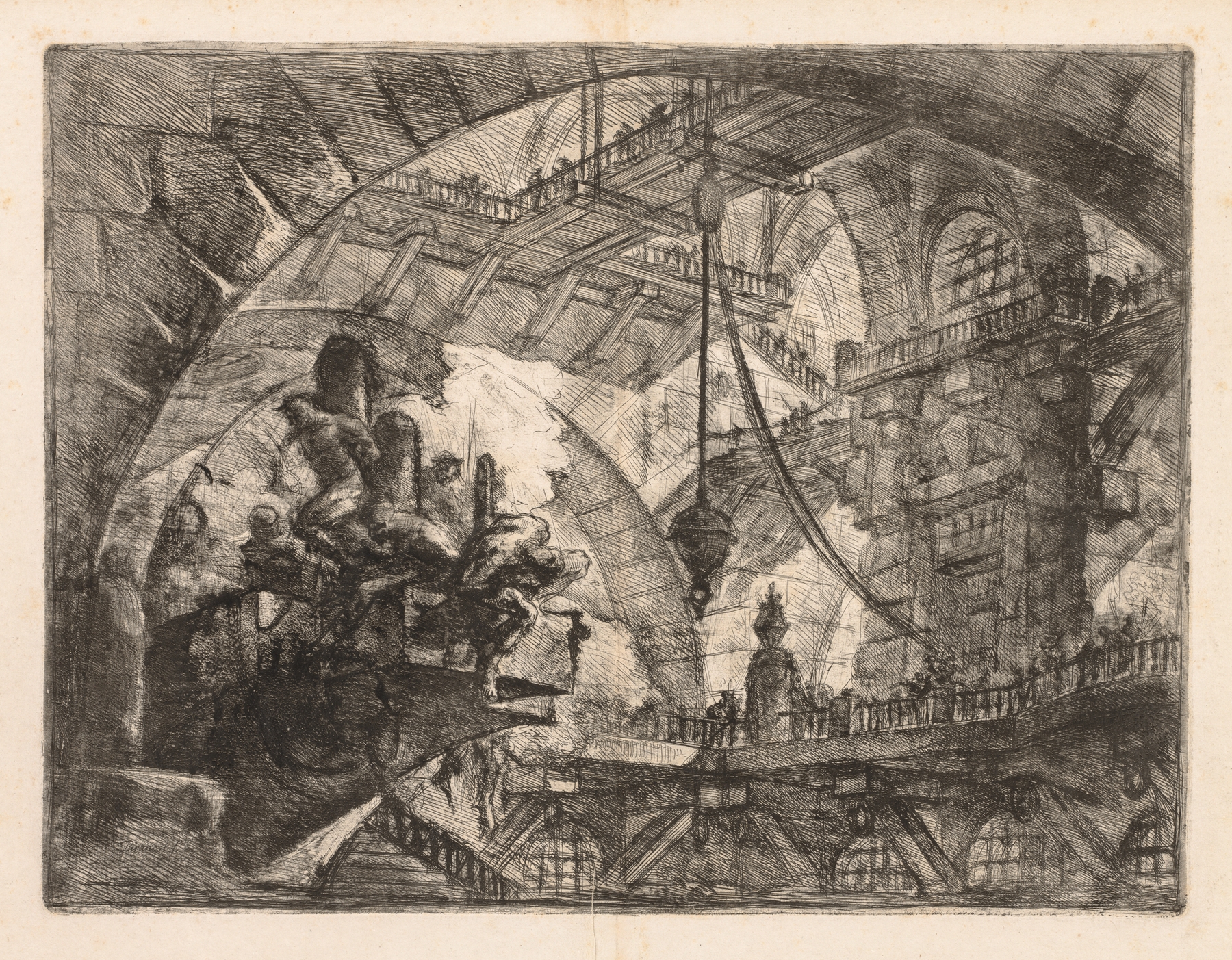
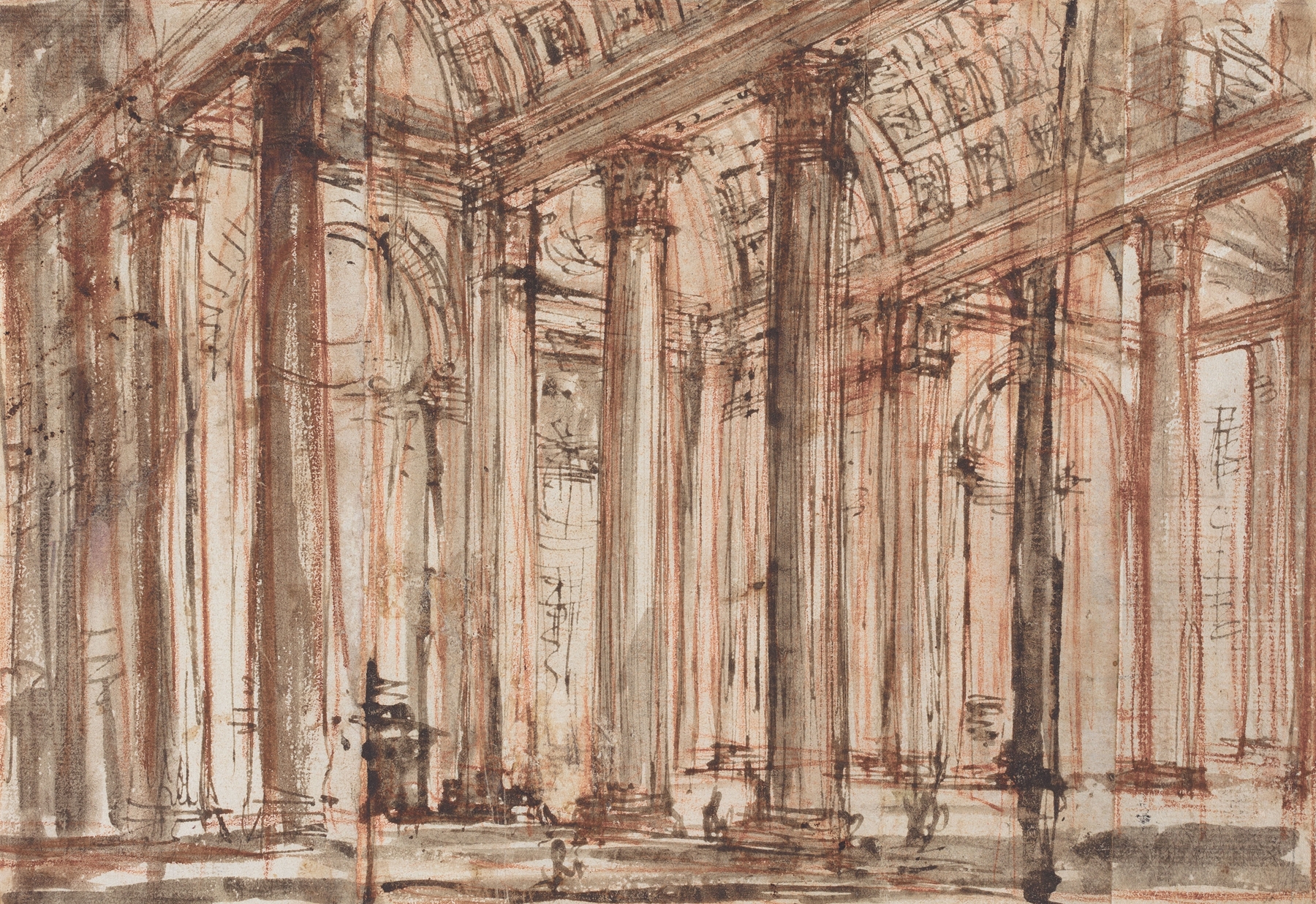
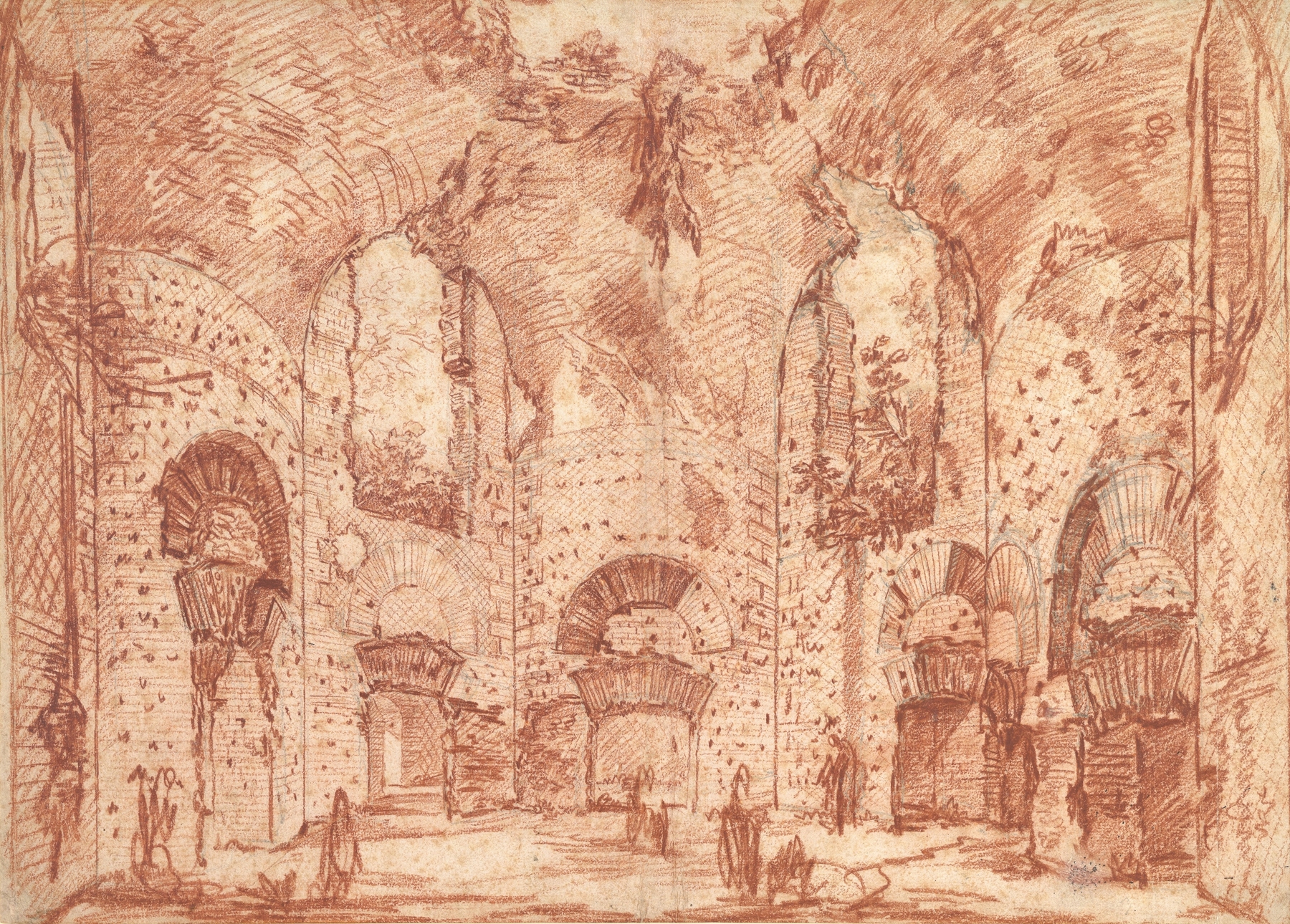
When did color learn to lie? In An Ancient Port, the vibrant hues and intricate lines speak not just of beauty but of a deeper, revolutionary narrative hidden beneath the surface. Look to the center of the composition, where a grand archway beckons the viewer into the port. Notice how the warm ochres and cool blues blend seamlessly, creating a striking contrast that draws you deeper into the scene. The meticulous detail of the architecture, with its crumbling yet majestic columns, invites a dialogue between past splendor and present decay.
Every shadow and highlight is crafted with precision, the light spilling over the stone like memories trying to escape the confines of time. As your gaze wanders, you’ll uncover the emotional tension interwoven in the scene. The juxtaposition of the bustling port life against the ruins symbolizes a clash between progress and the remnants of history. The figures, dwarfed by the imposing structures, embody a sense of insignificance and resilience; they are the lifeblood of this ancient site, yet they remain at the mercy of an inexorable passage of time.
Each element is a reminder of the delicate balance between civilization's ambitions and its inevitable decline. Giovanni Battista Piranesi created An Ancient Port during a period marked by a fervent exploration of antiquity and architectural imagination. Painted between 1749 and 1750 in Rome, Piranesi was deeply immersed in the study of classical forms, while Europe was experiencing the Enlightenment's revolutionary ideas. This work reflects not only his artistic genius but also the transformative cultural currents of his time, as the past became a lens through which new ideas were formed.