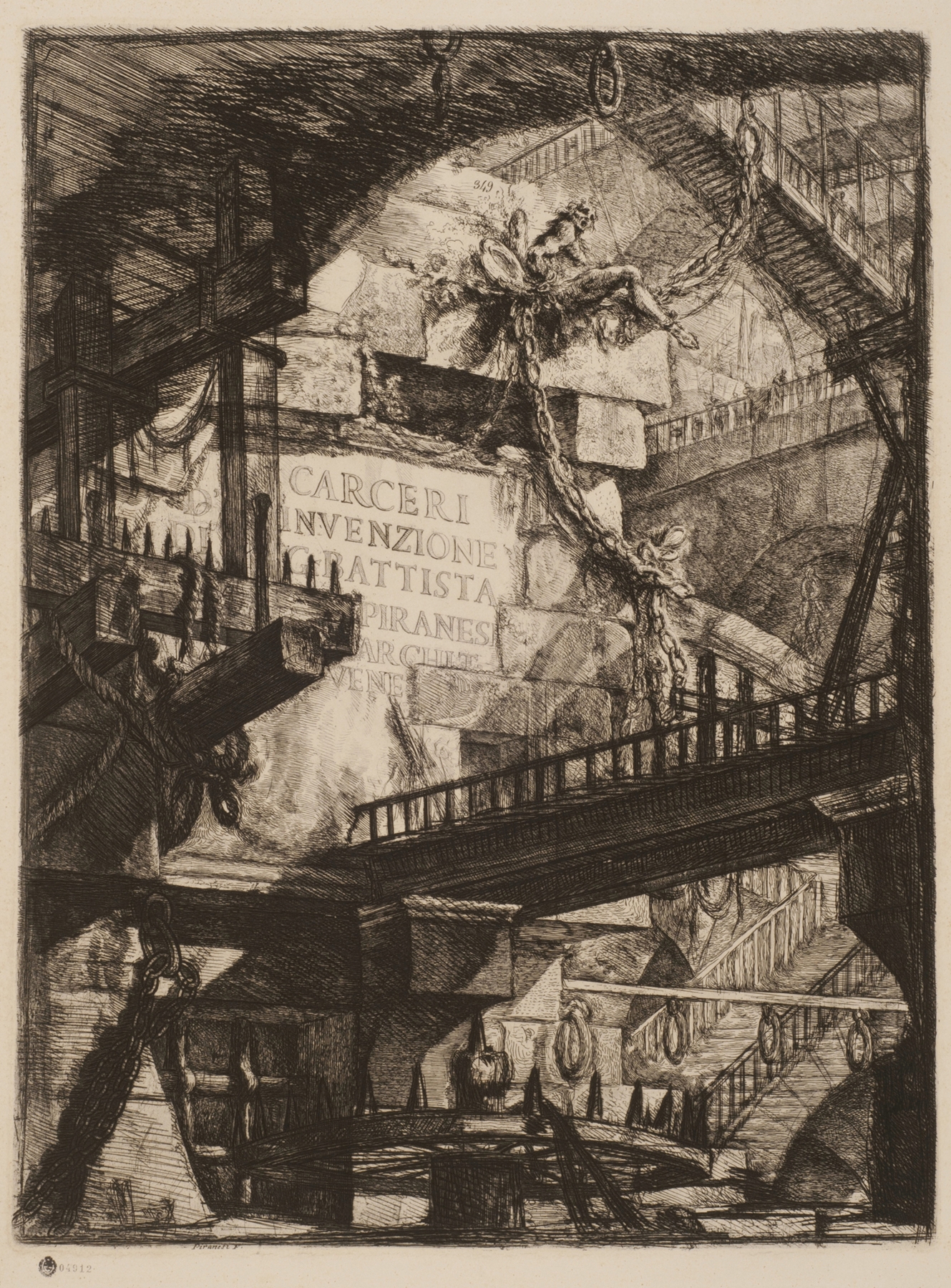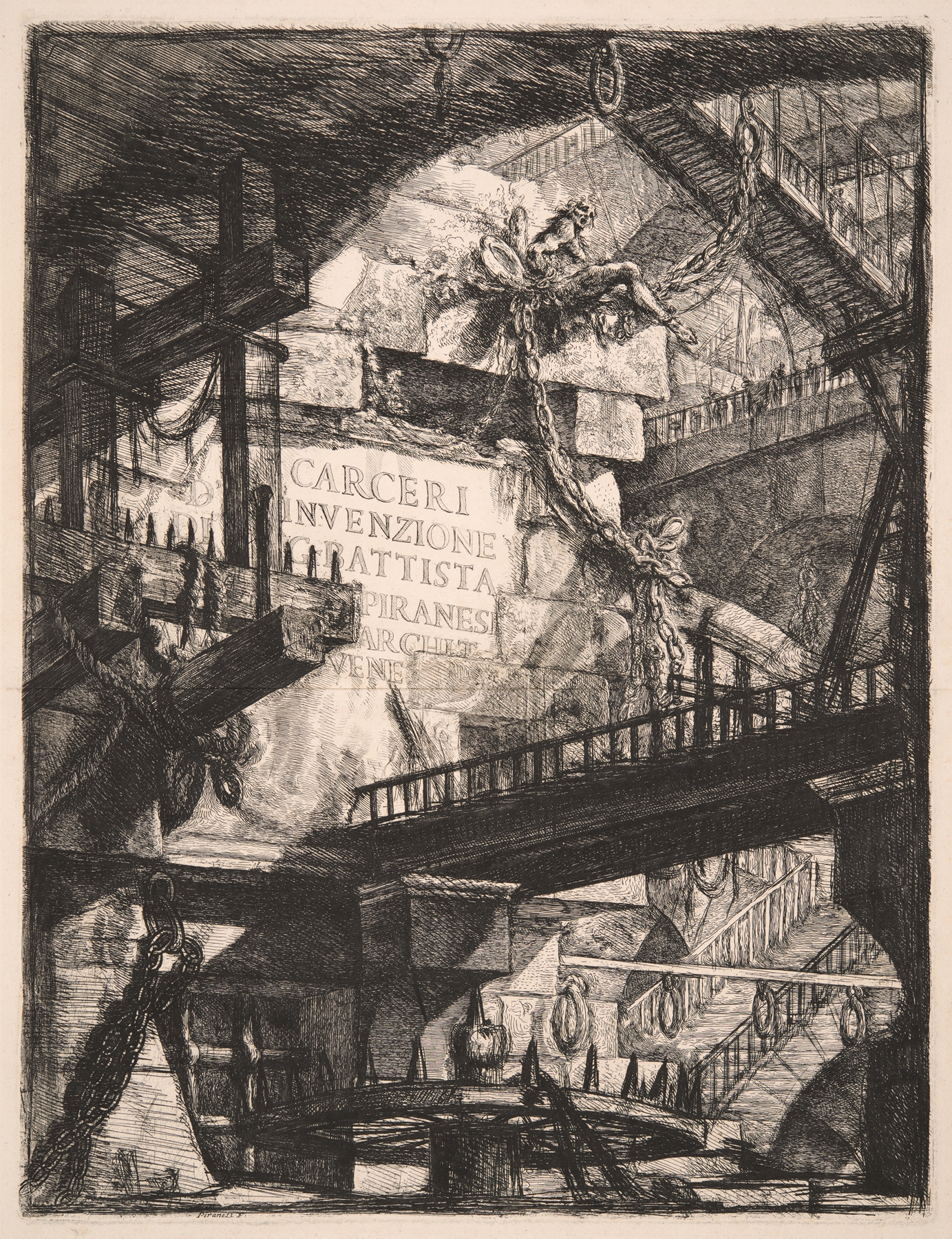
Imaginary Prisons of G. Battista Piranesi, Venetian Architect; title page — History & Analysis
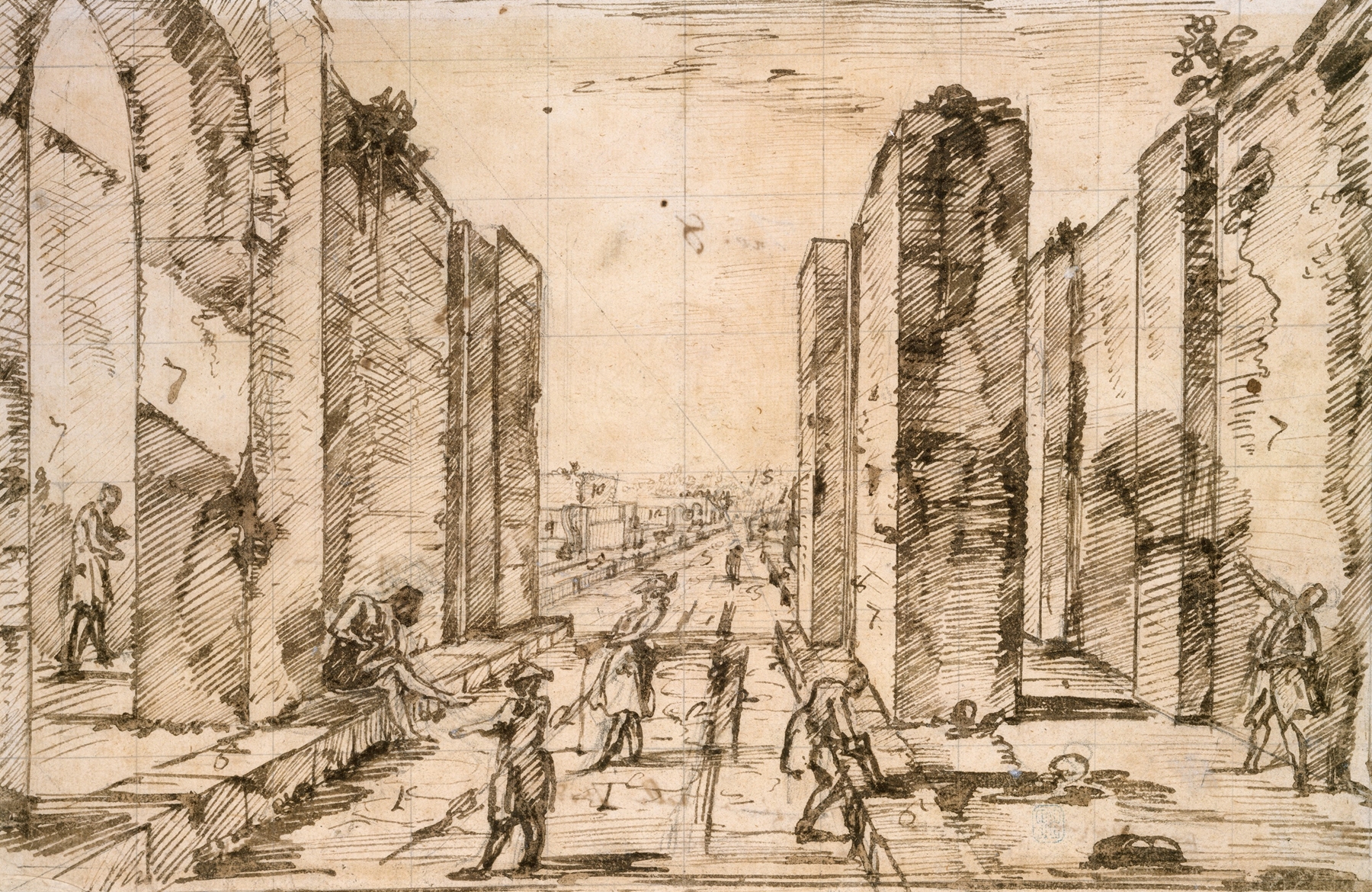
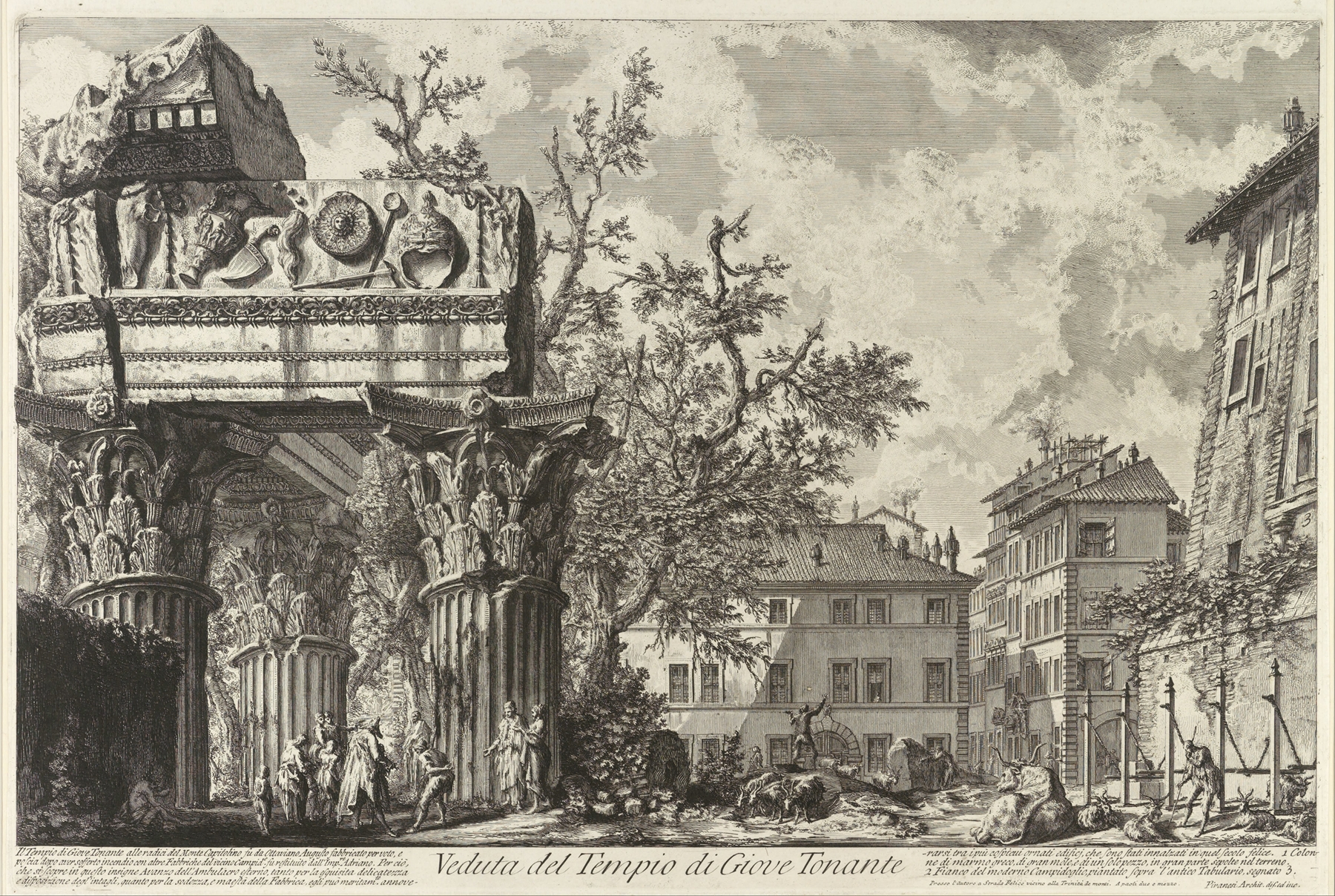
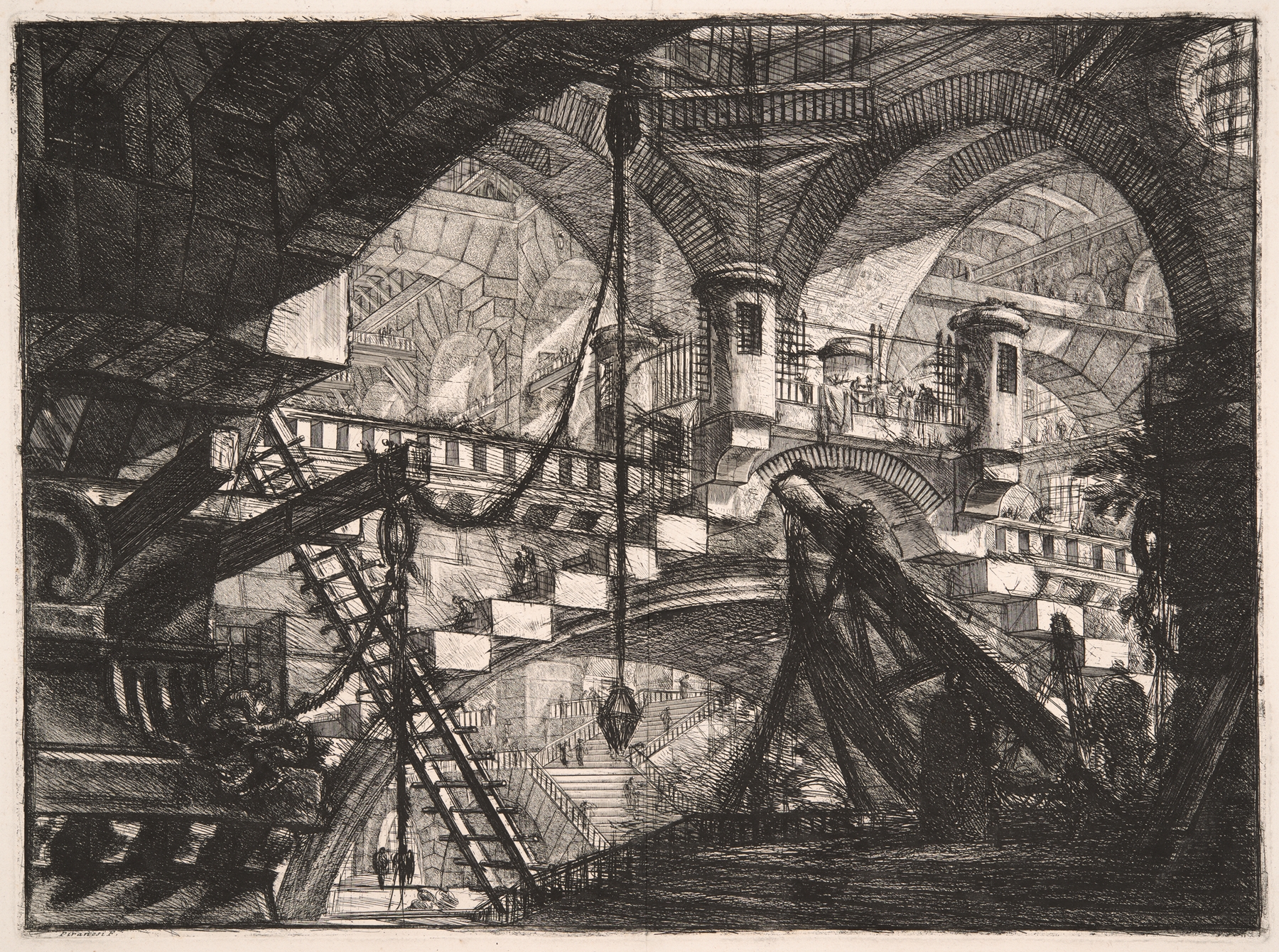
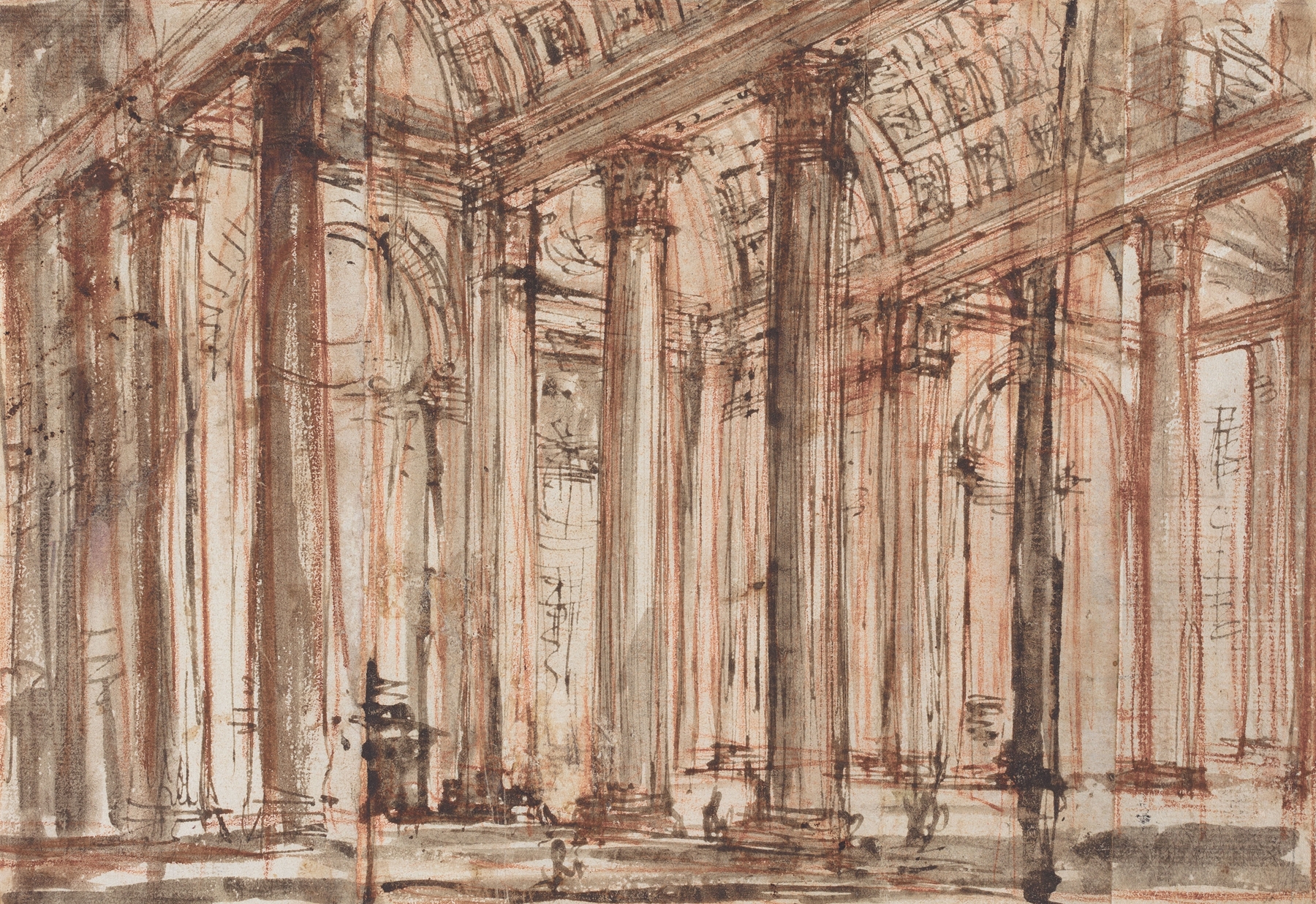
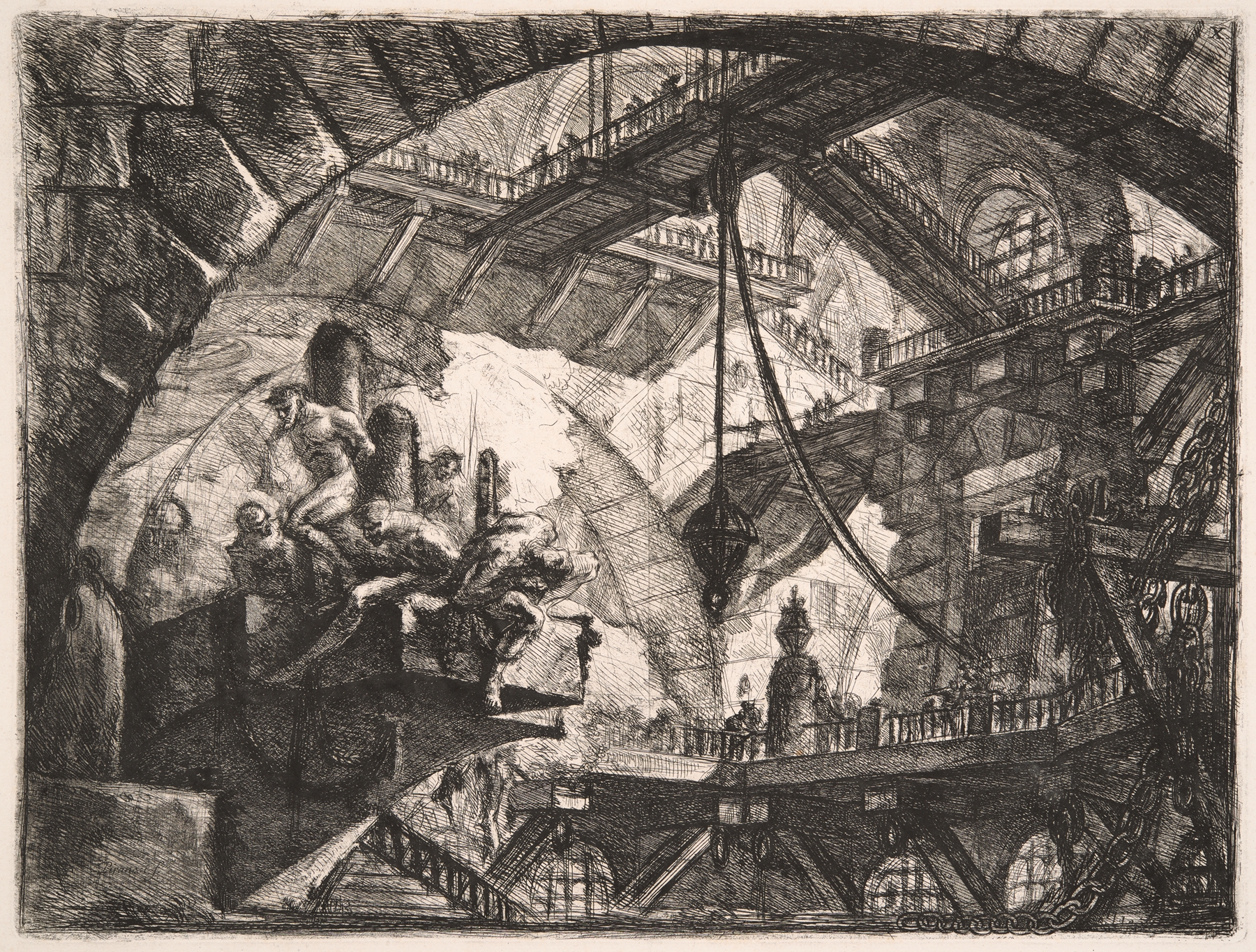
“Every brushstroke is a heartbeat remembered.” In the hands of Giovanni Battista Piranesi, the notion of transformation resonates through a labyrinth of architectural dreams. His intricate visions invite us to step beyond the tangible, into realms where the impossible beckons. Look closely at the title page of Imaginary Prisons. The bold, elaborate lettering immediately draws your attention, while the surrounding engravings unfold a narrative of opulence and decay. The structures rise and twist, their shadows cast by an unseen light, creating an illusion of depth and dimension.
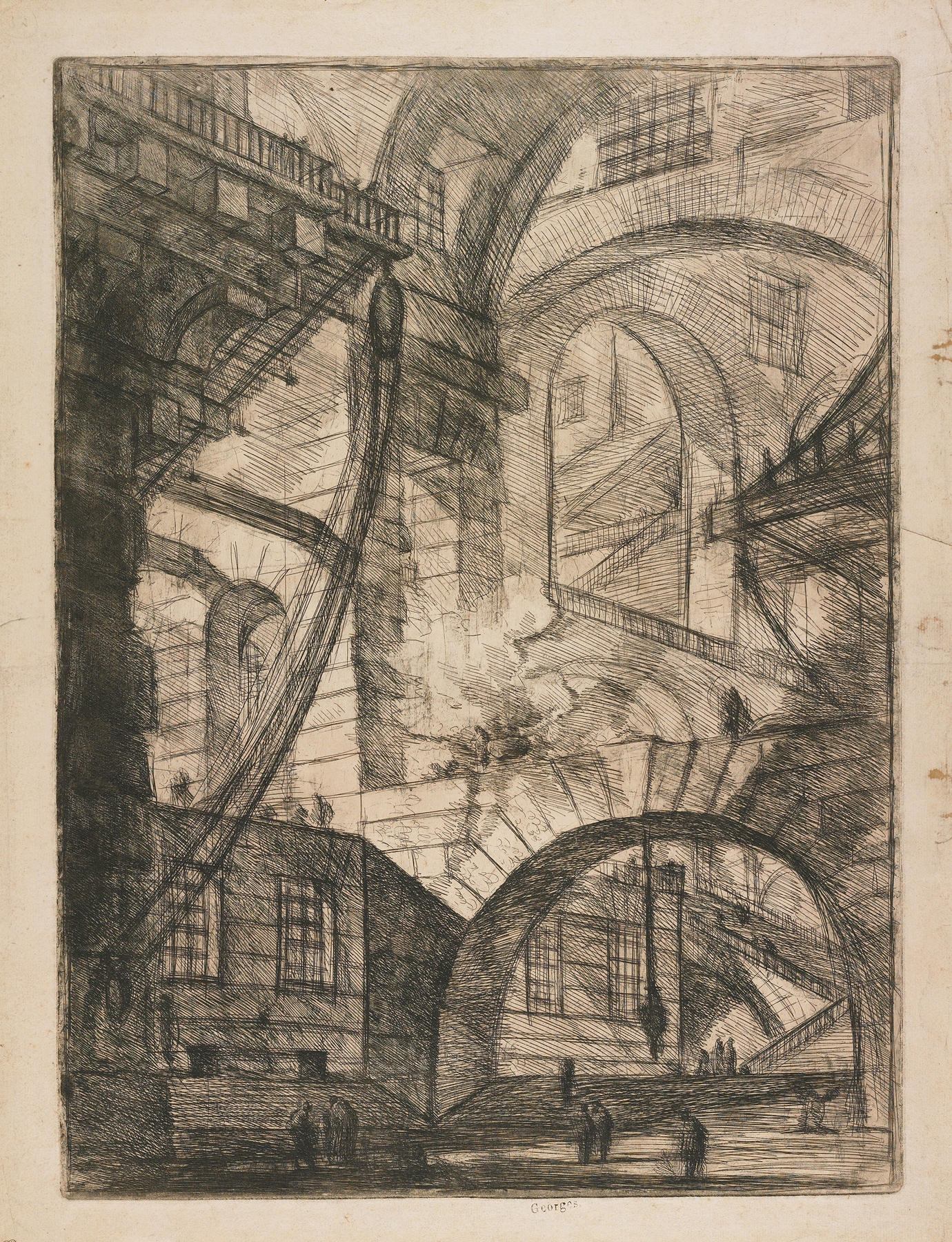
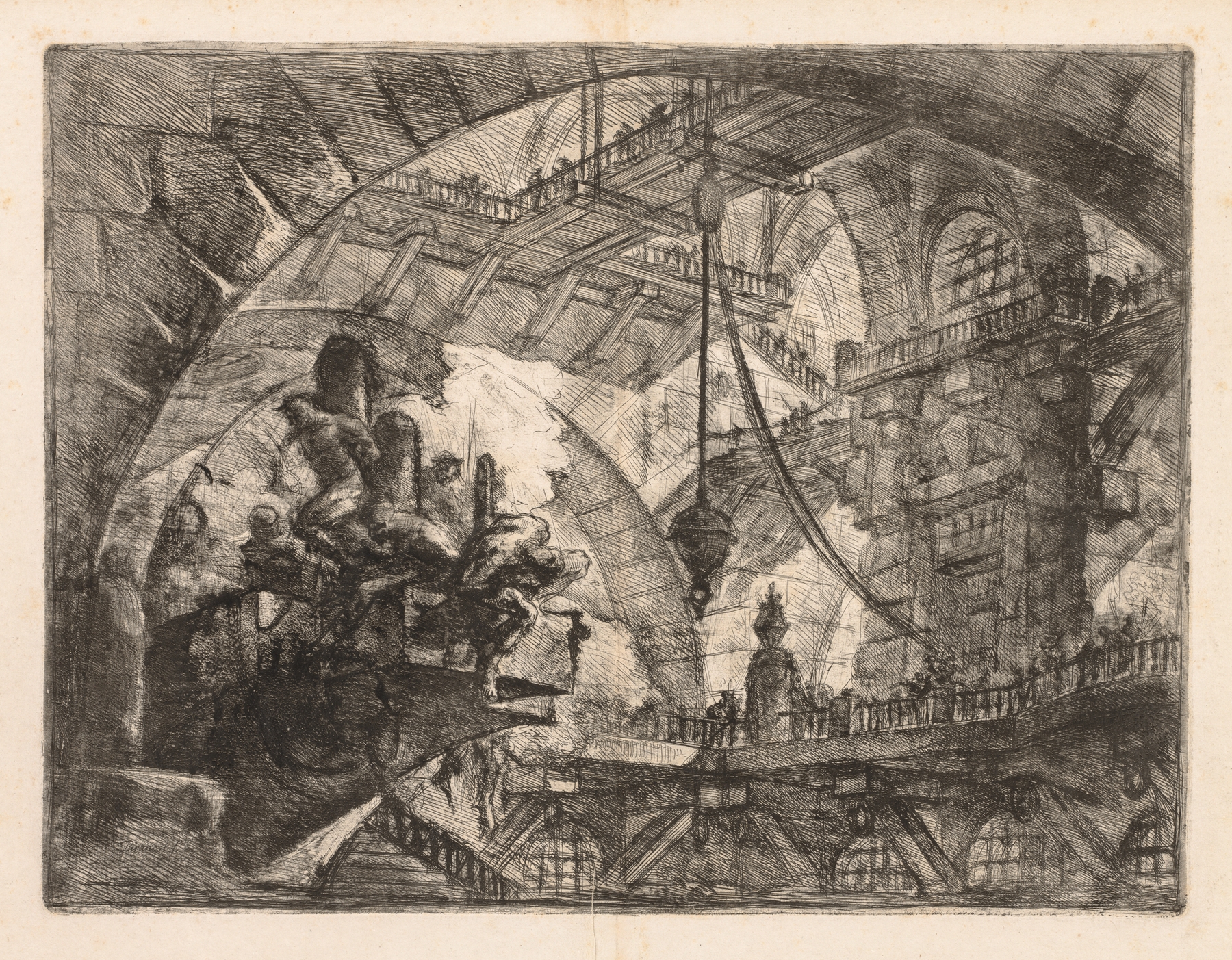
The sharp contrasts between light and darkness evoke a sense of foreboding, compelling the viewer to explore the hidden layers within this architectural fantasy. Delve deeper, and you'll find the tension between grandeur and confinement. These imagined prisons reflect not just physical structures but also the burdens of the human mind — entrapments of creativity and desire. The juxtaposition of intricate details, such as spiraling staircases that lead nowhere, suggests a quest for freedom that is perpetually elusive.
Each arch and column becomes a metaphor for the transformative power of the imagination, revealing how beauty can be both liberating and oppressive. In 1761, Piranesi was deeply immersed in the exploration of architectural forms, reflecting the Baroque and Neoclassical movements around him. Living in Venice, he was influenced by the city’s rich history and dramatic landscapes, which seeped into his engravings. At this time, he was not only solidifying his reputation but also grappling with the philosophical ideas that questioned reality and illusion, shaping his unique artistic voice.