The Portico of the Pantheon — History & Analysis
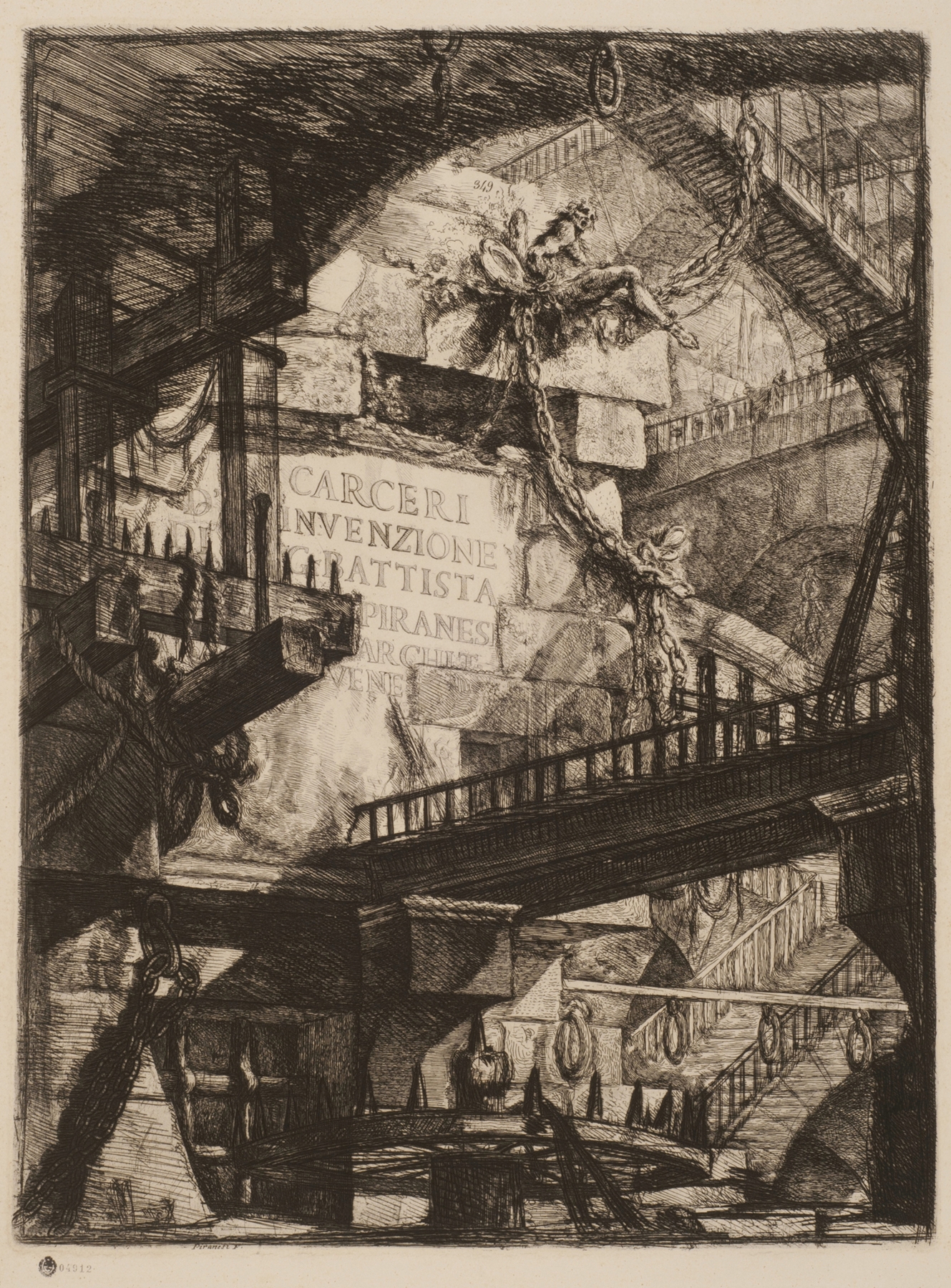
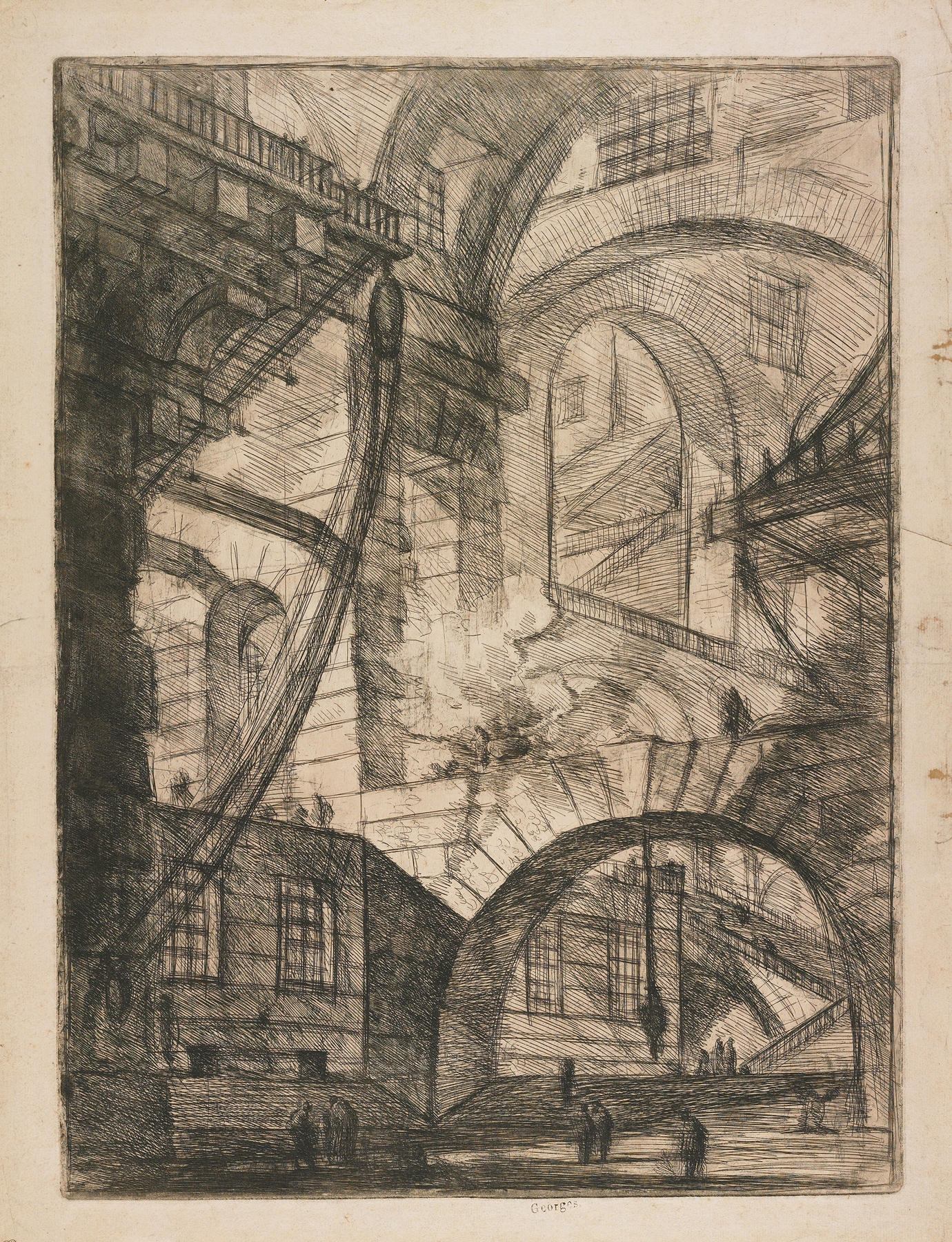
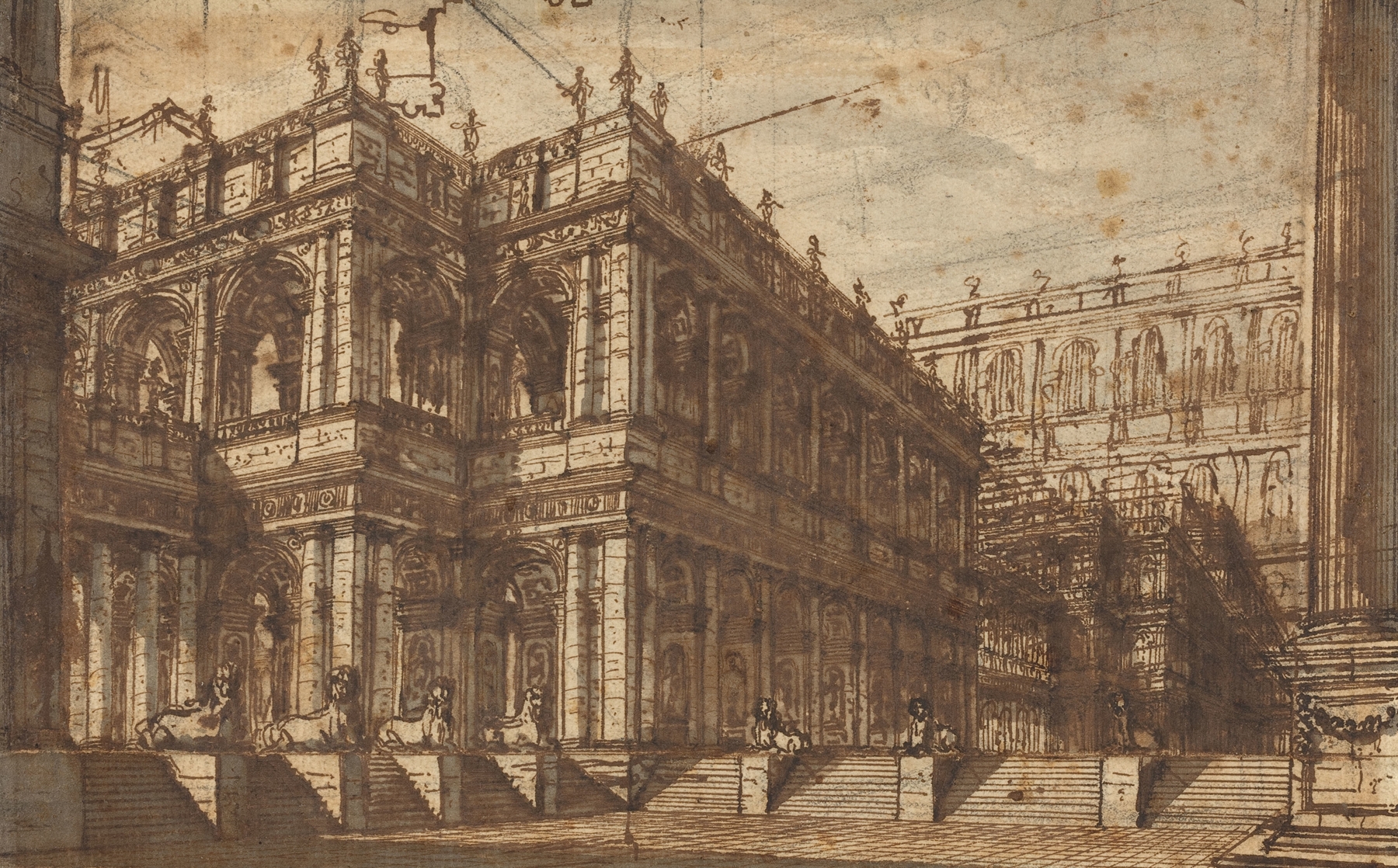
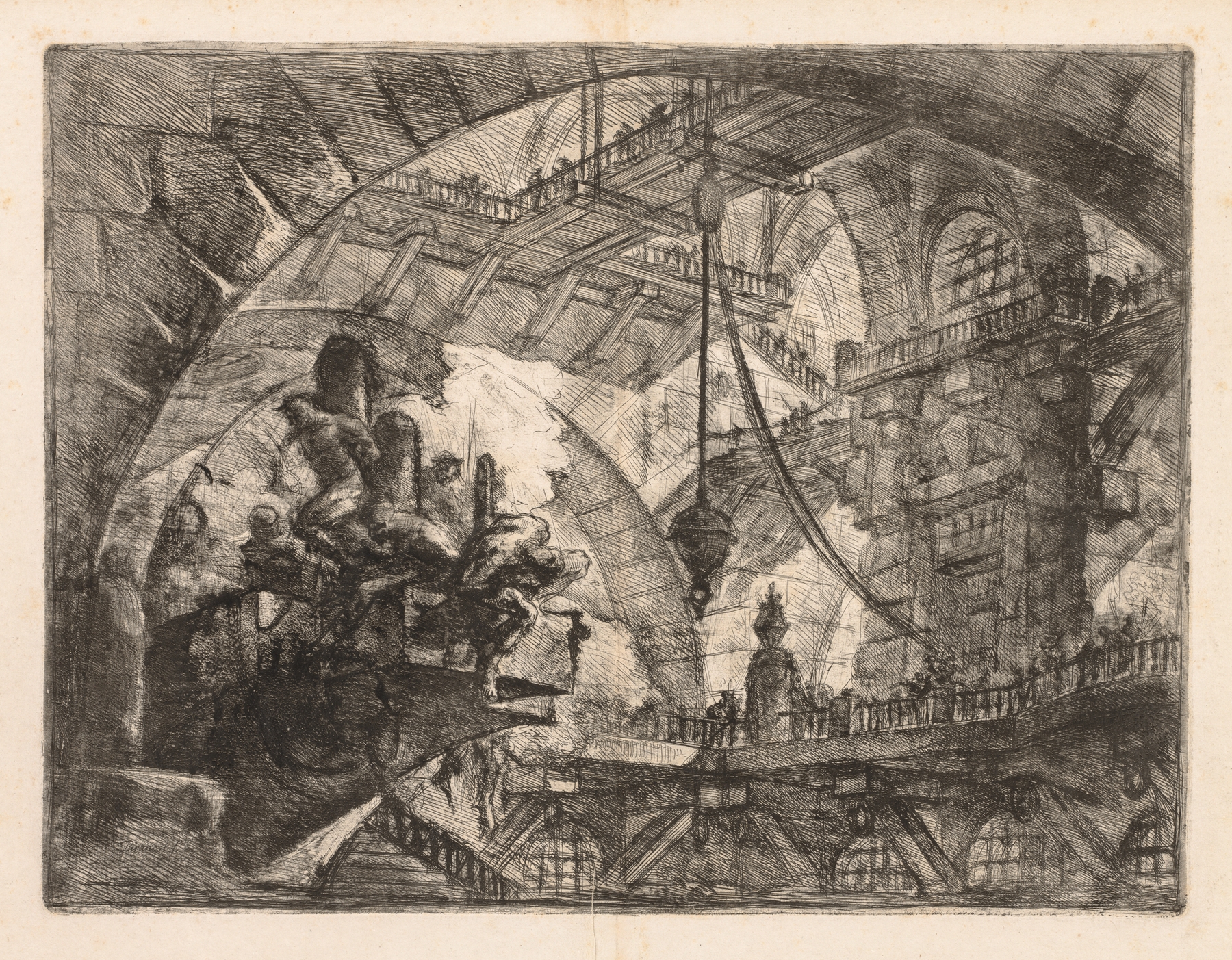
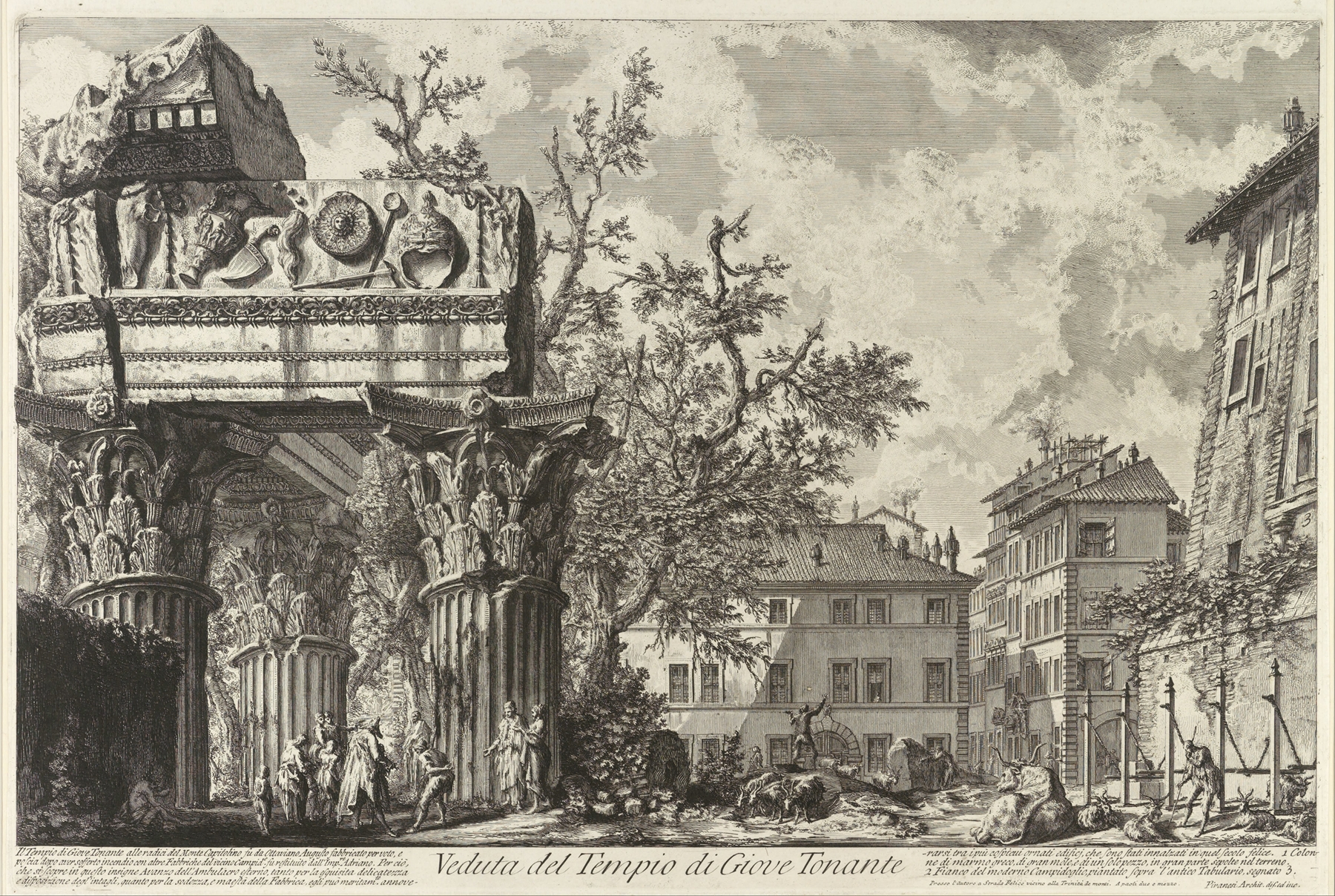
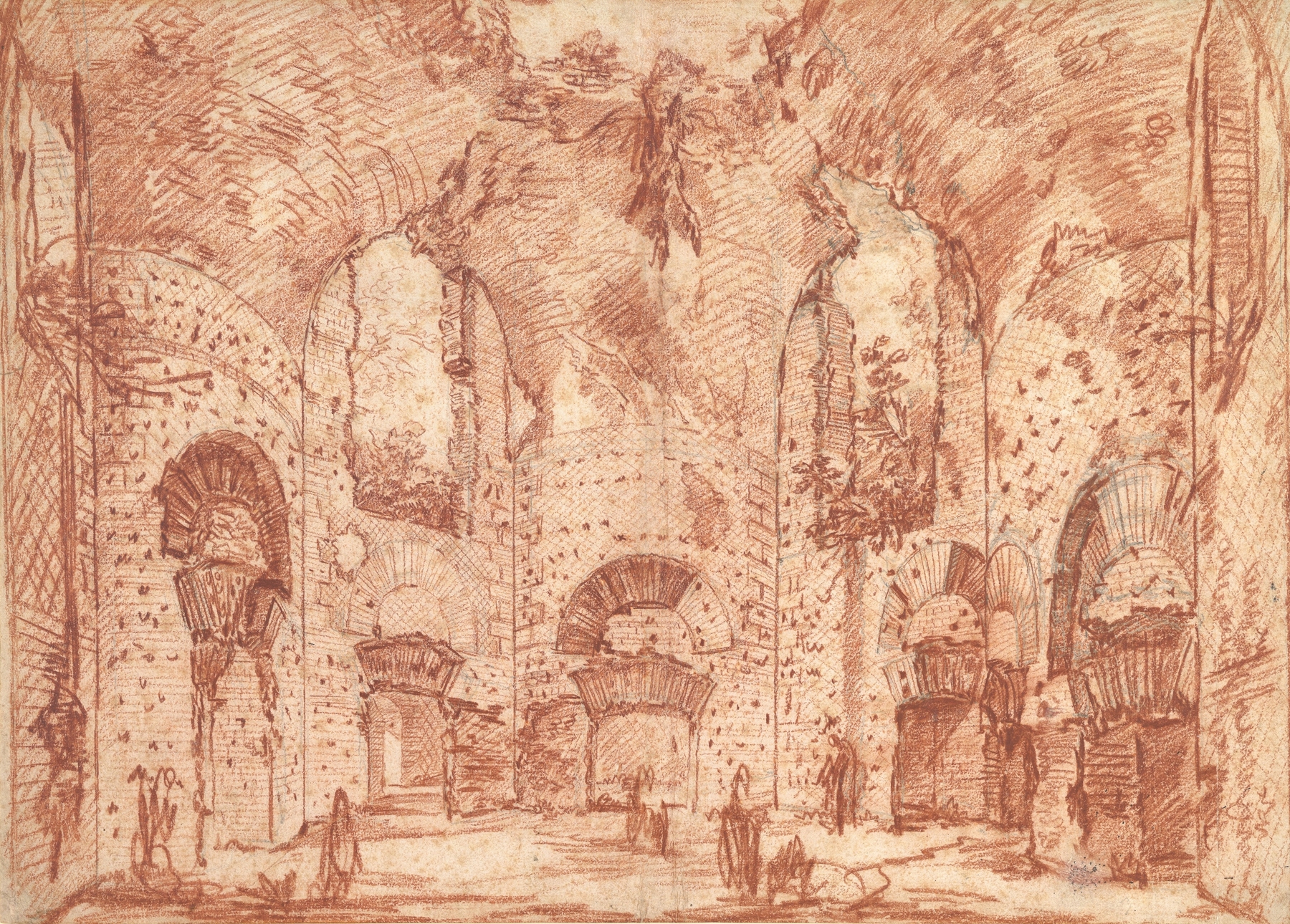
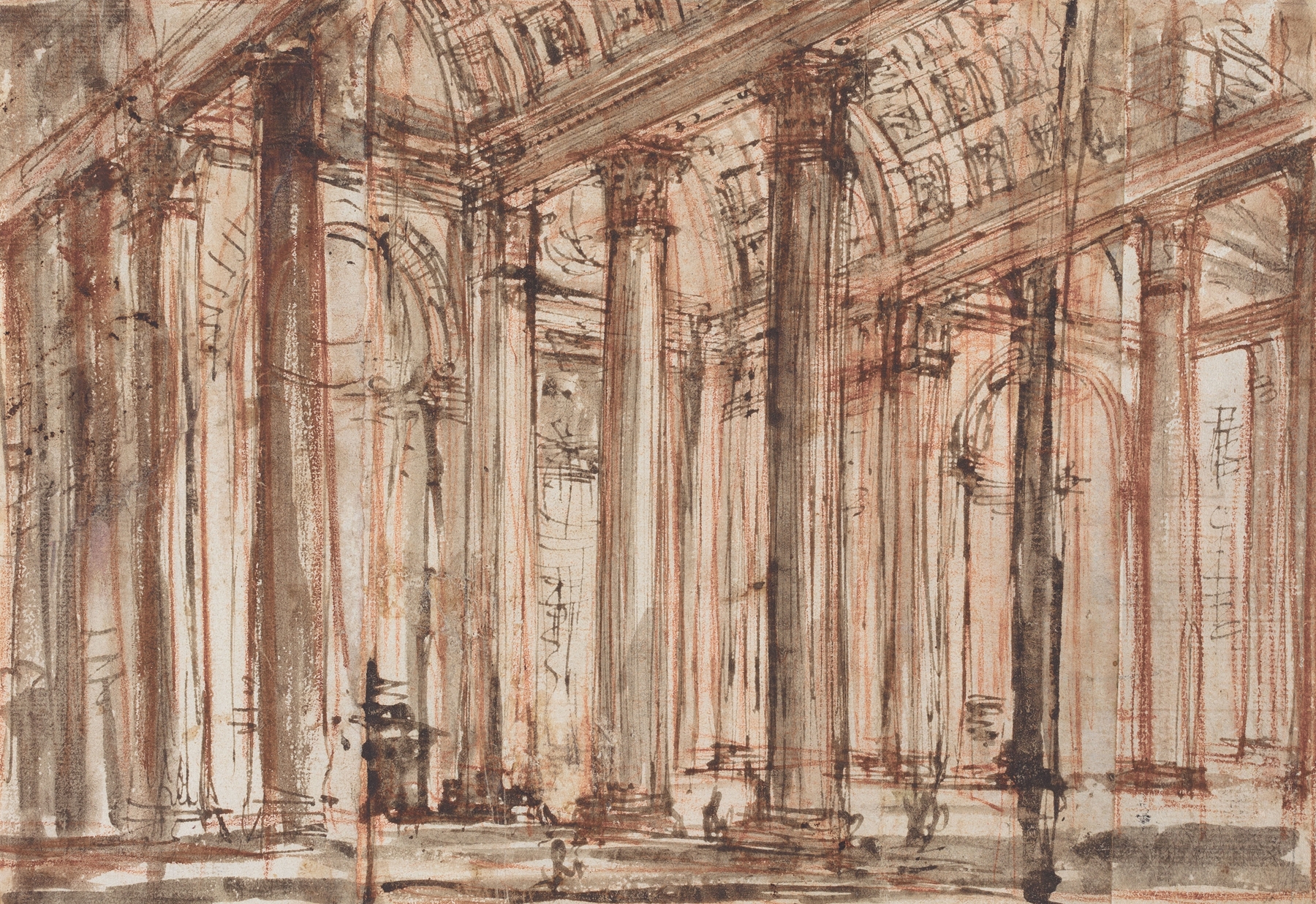
Did the painter know this moment would outlive them? In The Portico of the Pantheon, echoes of history linger, inviting contemplation on the themes of permanence and rebirth. Look to the left at the grand columns rising majestically, their texture imbued with the weight of centuries. Notice how the stone, with its weathered patina, captures light in a dance of shadow and illumination, revealing the intricacies that define classical architecture.
The rhythmic repetition of arches draws the eye upwards, creating a sense of awe, while the figures below, rendered small in comparison, suggest the continuity of life amidst monumental stillness. Dig deeper, and you'll find the contrast between the ancient and the contemporary. The lush vegetation creeping at the edges hints at nature's slow reclamation, weaving a narrative of resilience. Each element, from the finely detailed ornamentation to the distant horizon, speaks to a dialogue between man’s creations and the inevitable passage of time, suggesting that even in decay, there is a beauty and a rebirth, a cycle that persists.
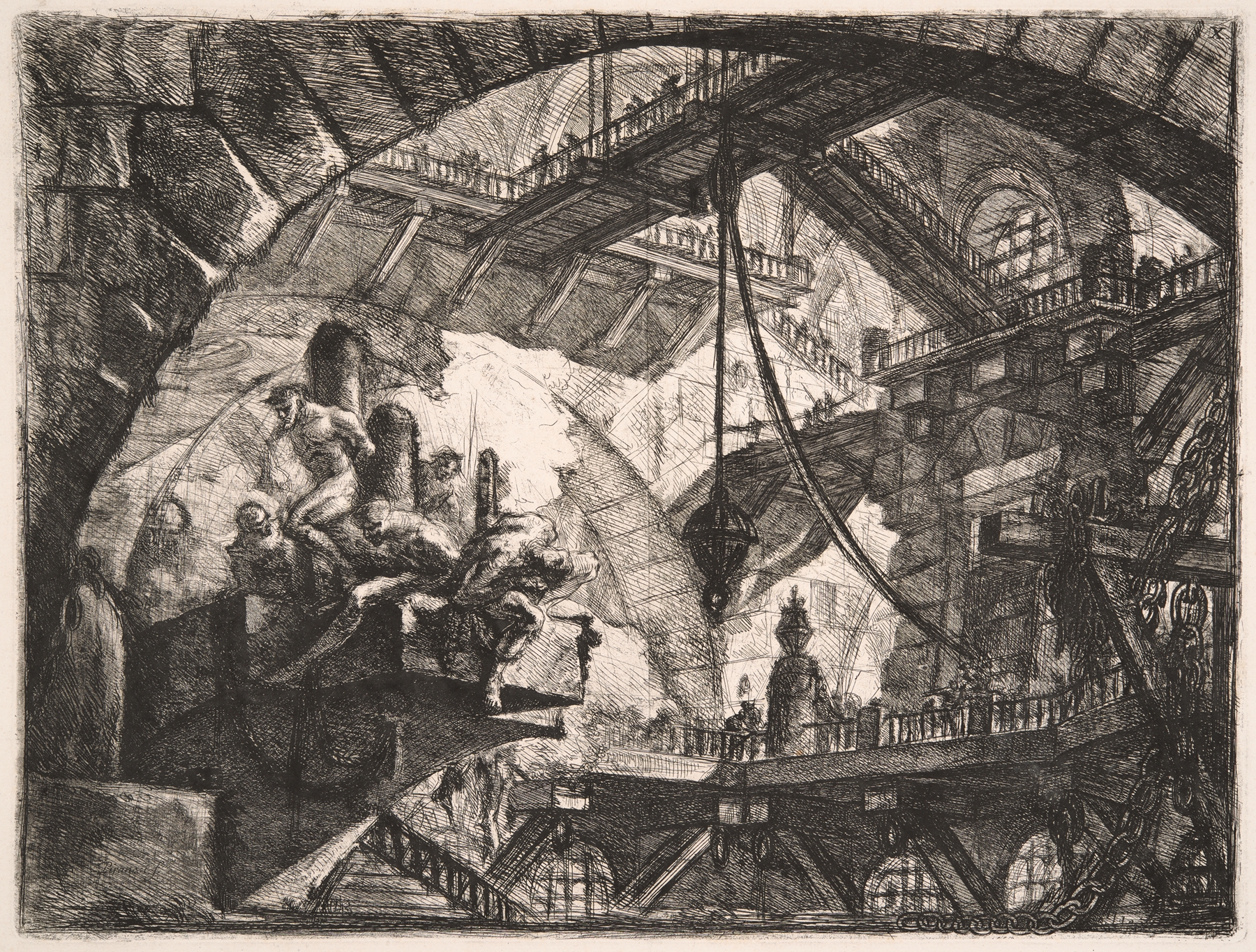
In the 1750s and early 1760s, Giovanni Battista Piranesi was entrenched in a world captivated by the classical past, amidst the neoclassical movement gaining momentum. Living in Rome, he was influenced by the ruins that surrounded him, blending meticulous architectural detail with his imaginative flair. This period marked a growing appreciation for antiquity, as Piranesi sought to immortalize these structures, reflecting a fascination with history that resonates through his work today.