The Octagonal Room in the Small Baths at the Villa of Hadrian (Tivoli) — History & Analysis
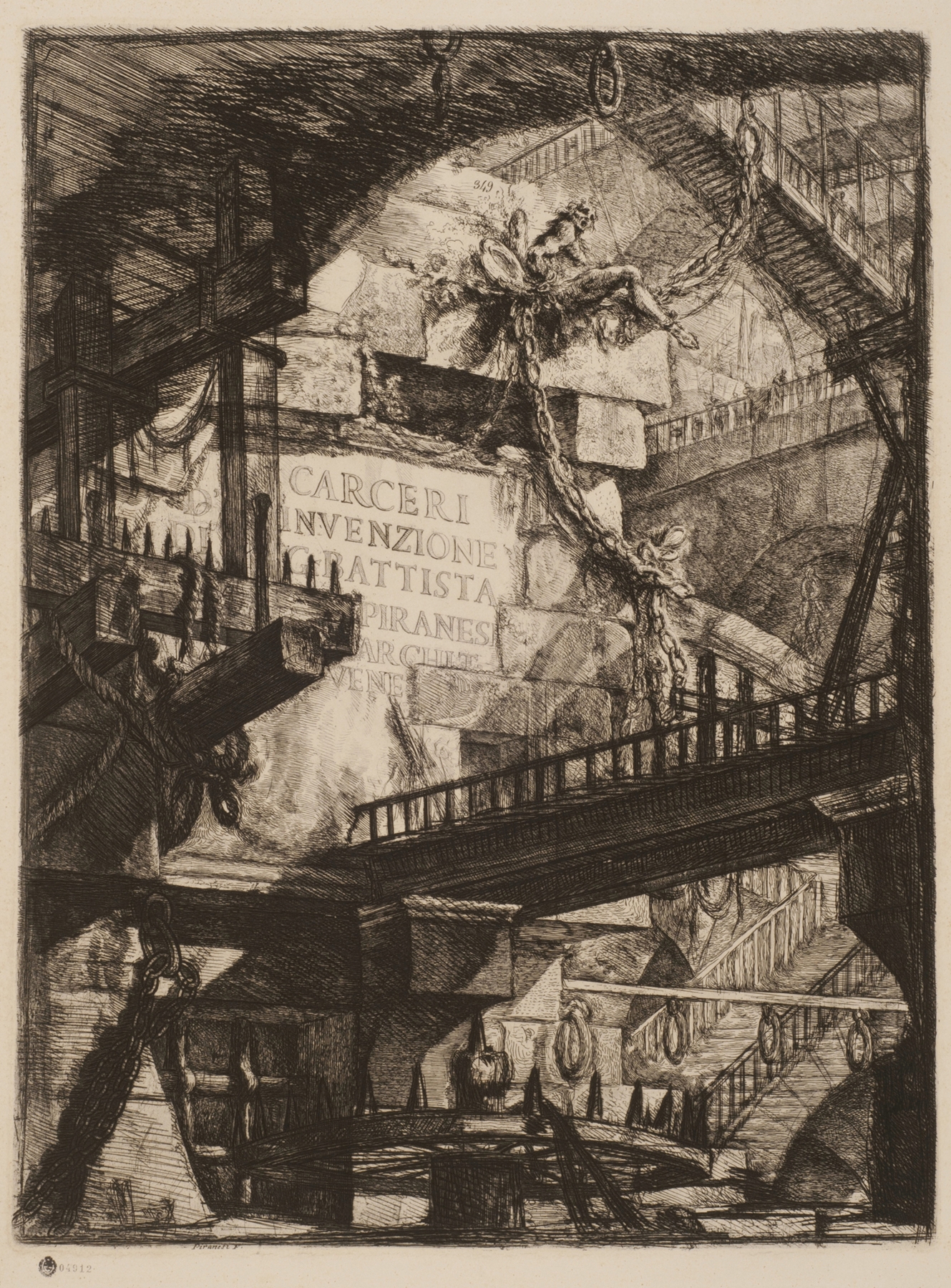
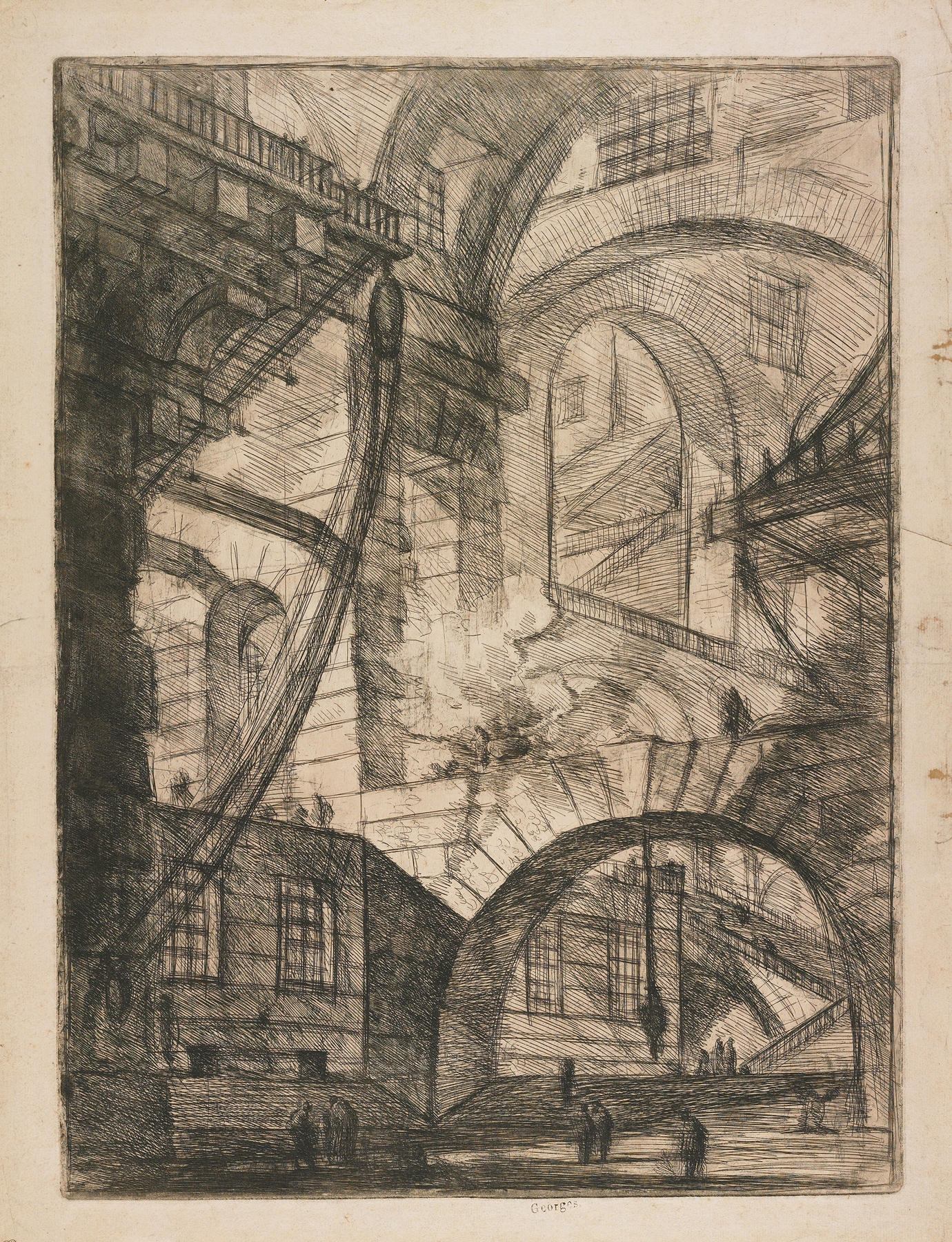
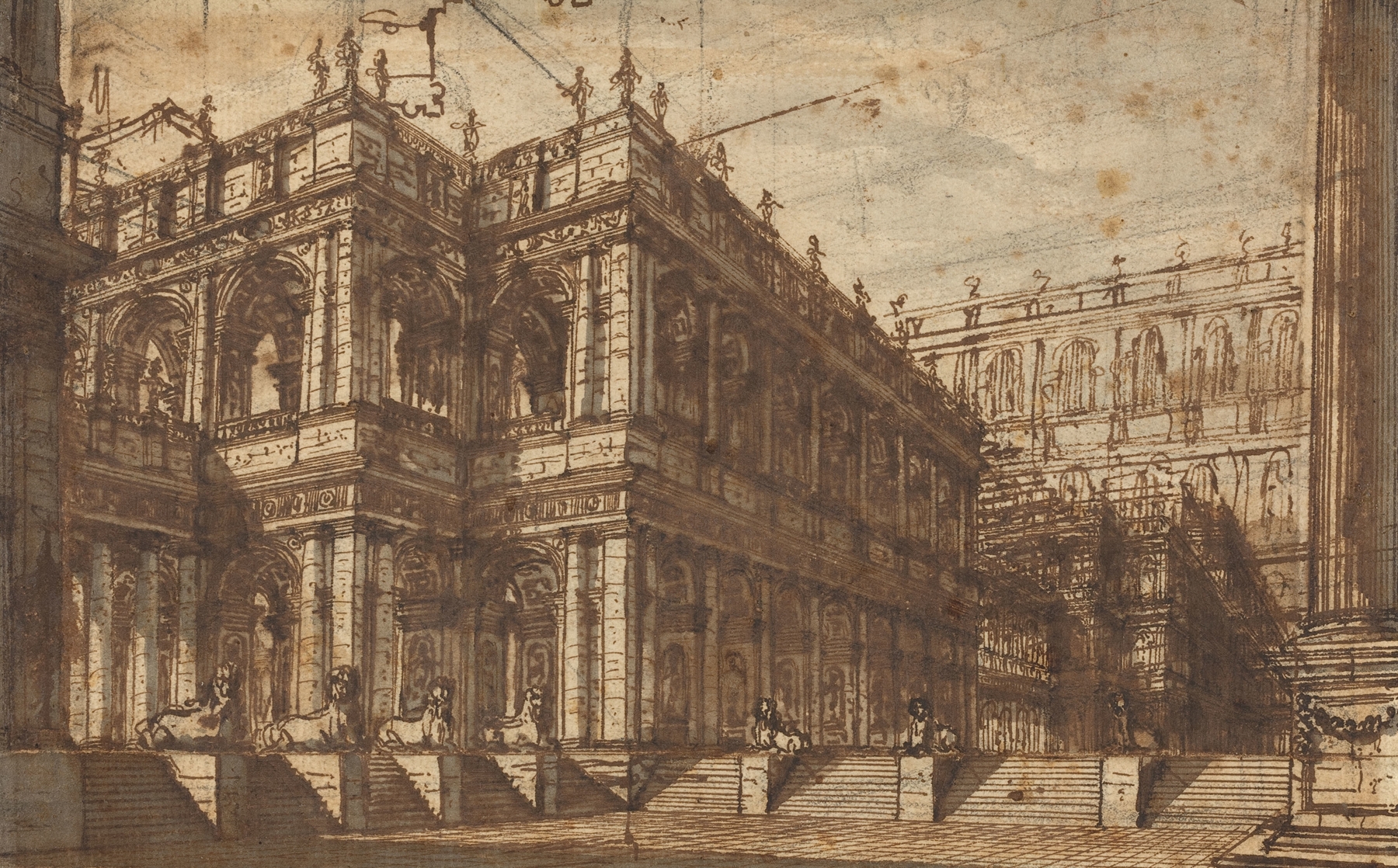
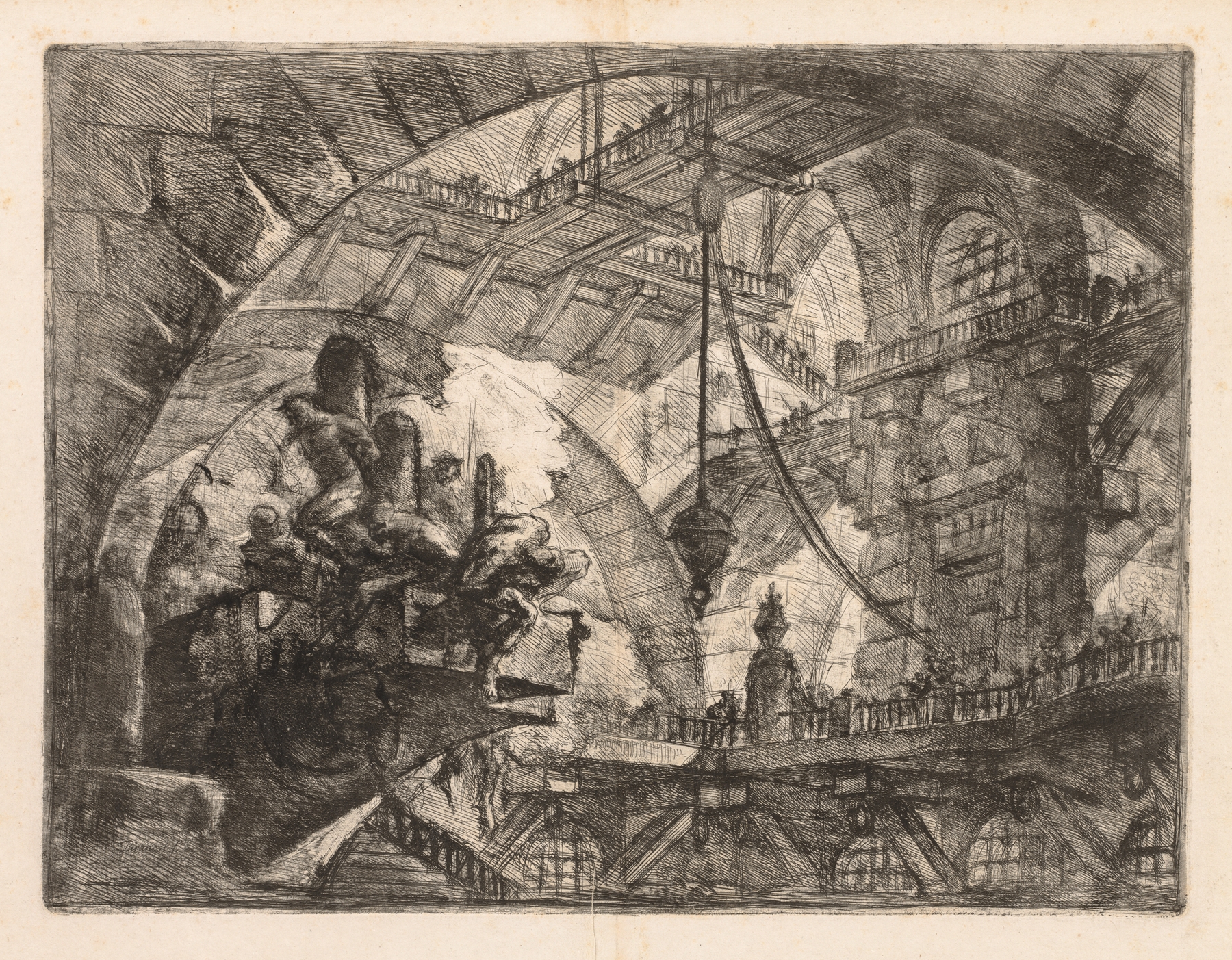
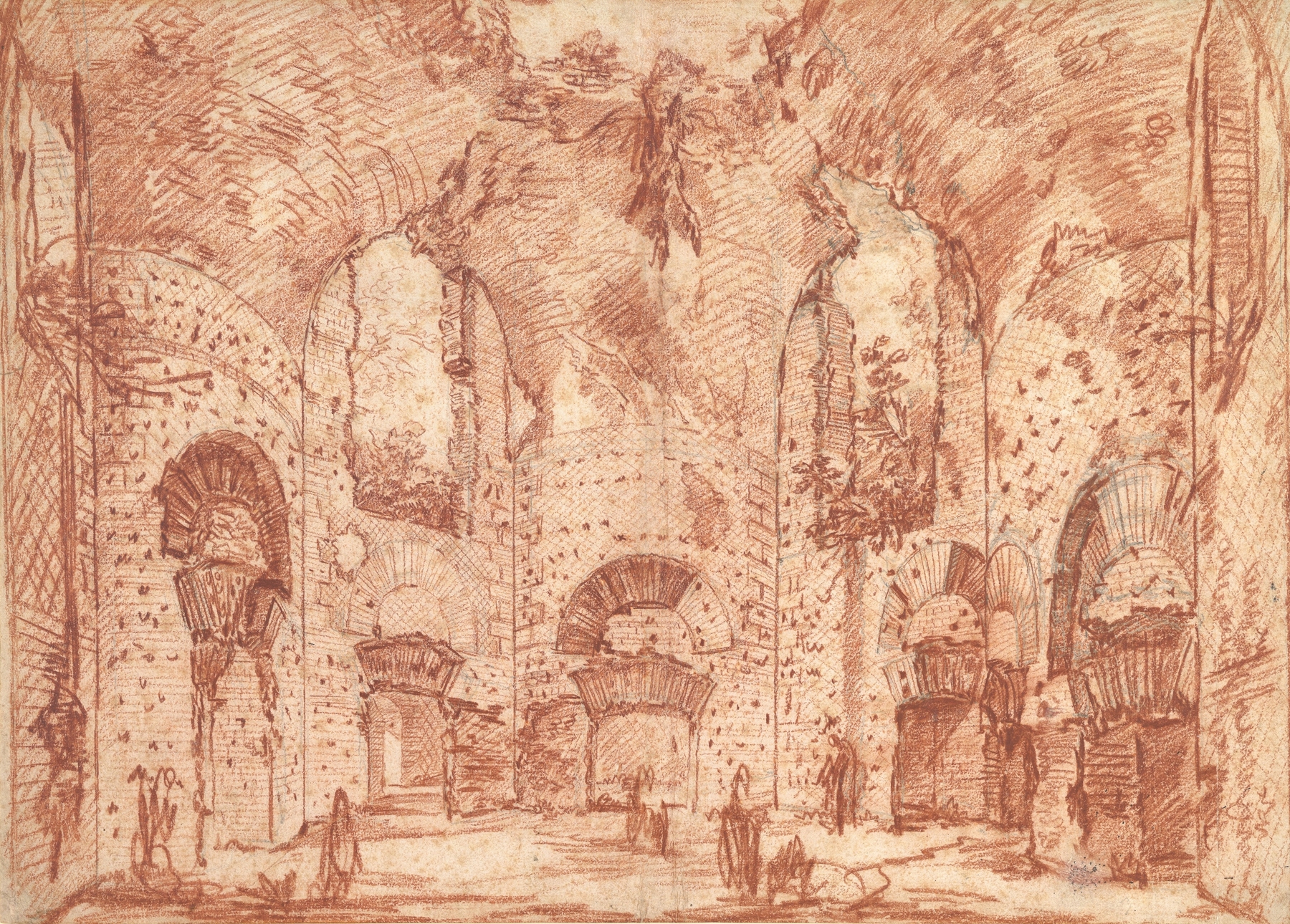
Who listens when art speaks of silence? In the stillness of The Octagonal Room in the Small Baths at the Villa of Hadrian, fragility becomes an echo that reverberates through time and space. Look to the center of the composition, where the octagonal structure draws your eye with its commanding symmetry. The intricate, yet delicate architectural details are meticulously rendered, showcasing Piranesi's mastery in chiaroscuro.
Notice how the light filters through the open spaces, creating a dance of shadows that seems to whisper secrets of the past. The rich tones of stone and the subtle gradations of light invite a closer inspection, revealing a harmonious balance between grandeur and decay. The scene reverberates with contrasts—strength and fragility coexist within the crumbling walls, suggesting a dialogue between permanence and transience. Each arch and column tells stories of an illustrious history while hinting at the inevitable passage of time.
The careful placement of light and shadow accentuates this duality, inviting the viewer to reflect on their own relationship with the remnants of history, the elegance of past achievements, and their ephemeral nature. Painted in 1777, during a period of burgeoning interest in antiquity and classical architecture, Piranesi was deeply engaged with neoclassical ideals. He was living in Rome, where he found inspiration in the grandeur of ancient structures and their influence on contemporary thought. This work reflects both his architectural expertise and his philosophical reflections on history, capturing a moment where the past continues to breathe through the ruins it has left behind.