Prisoners on a Projecting Platform — History & Analysis
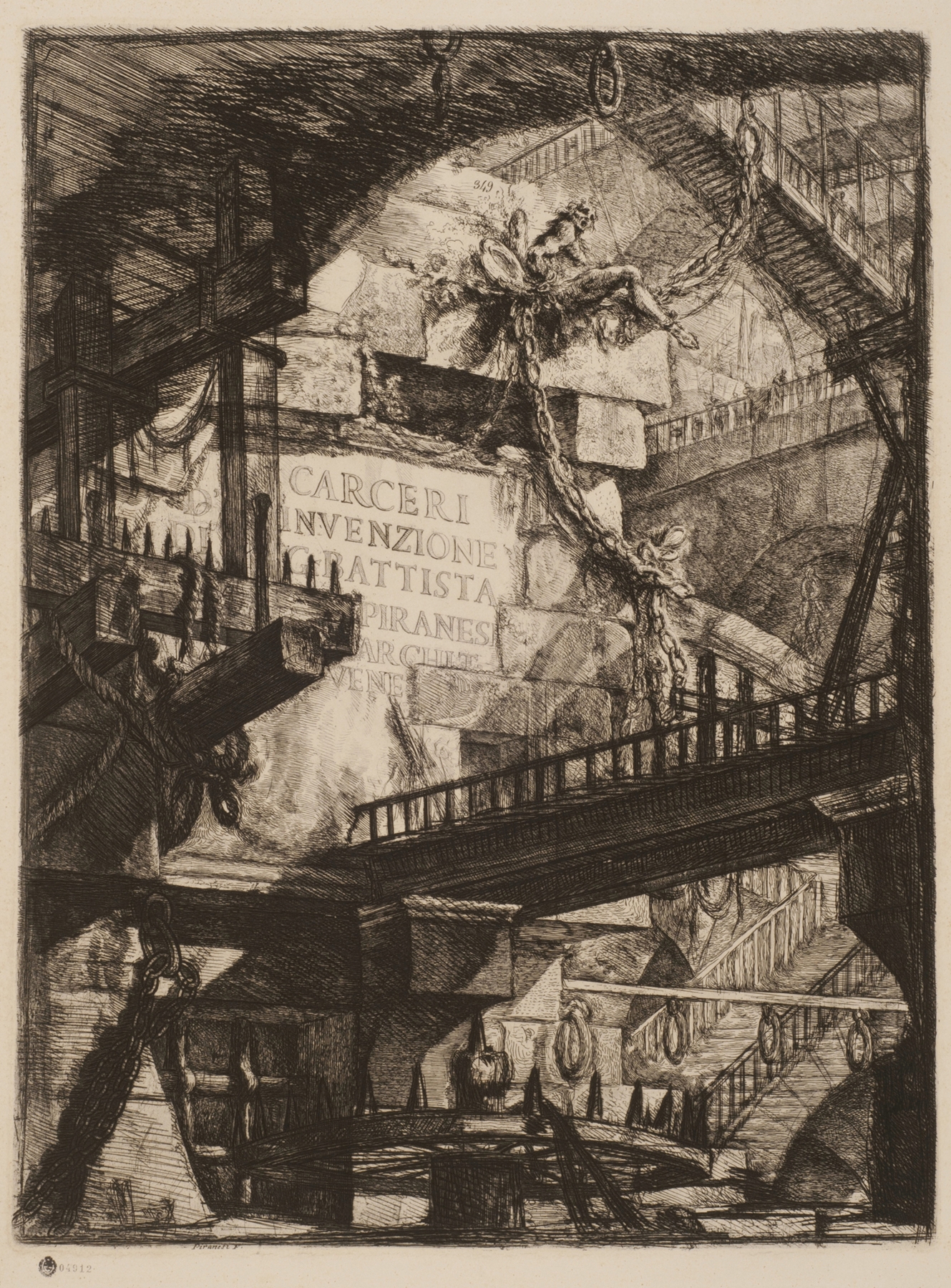
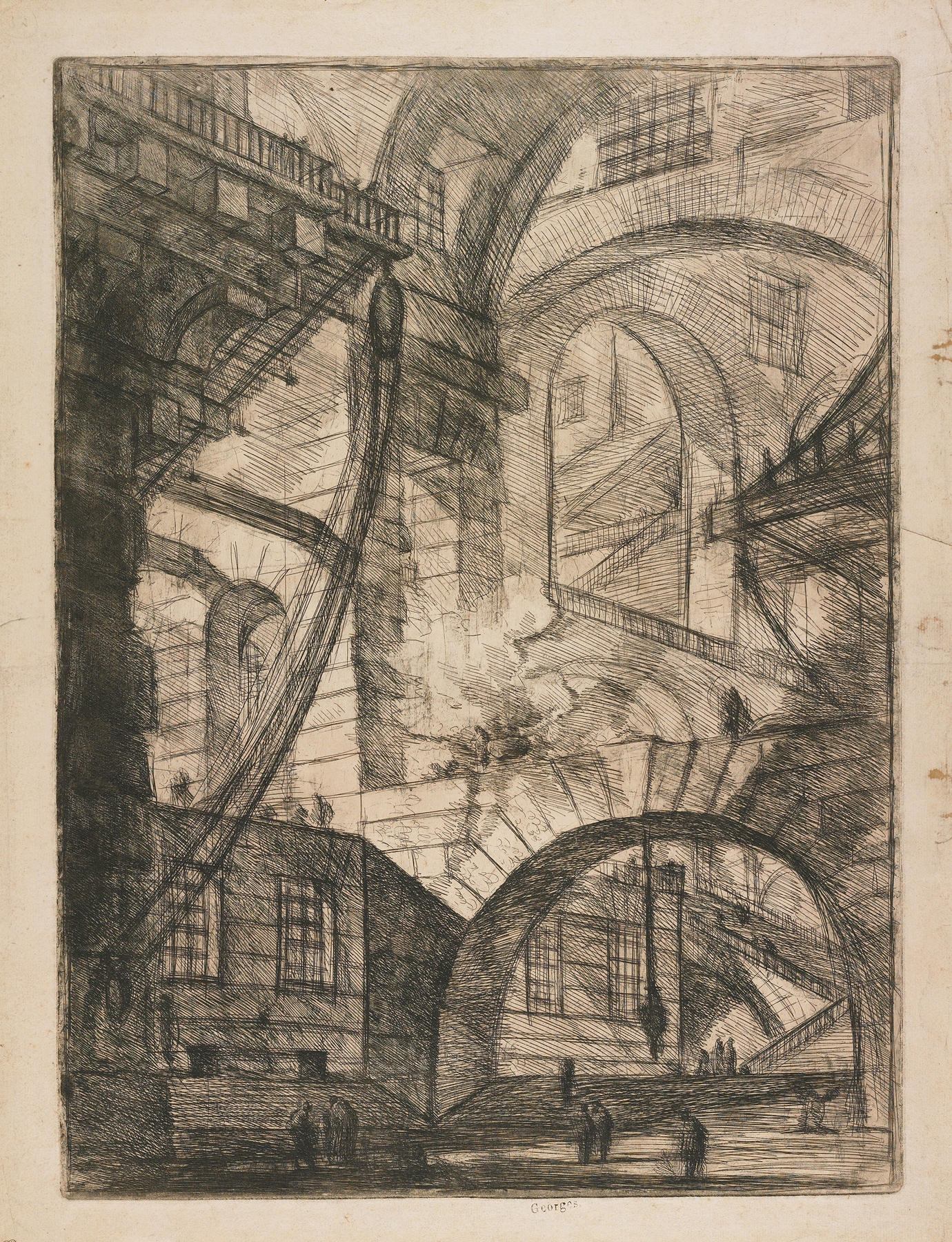
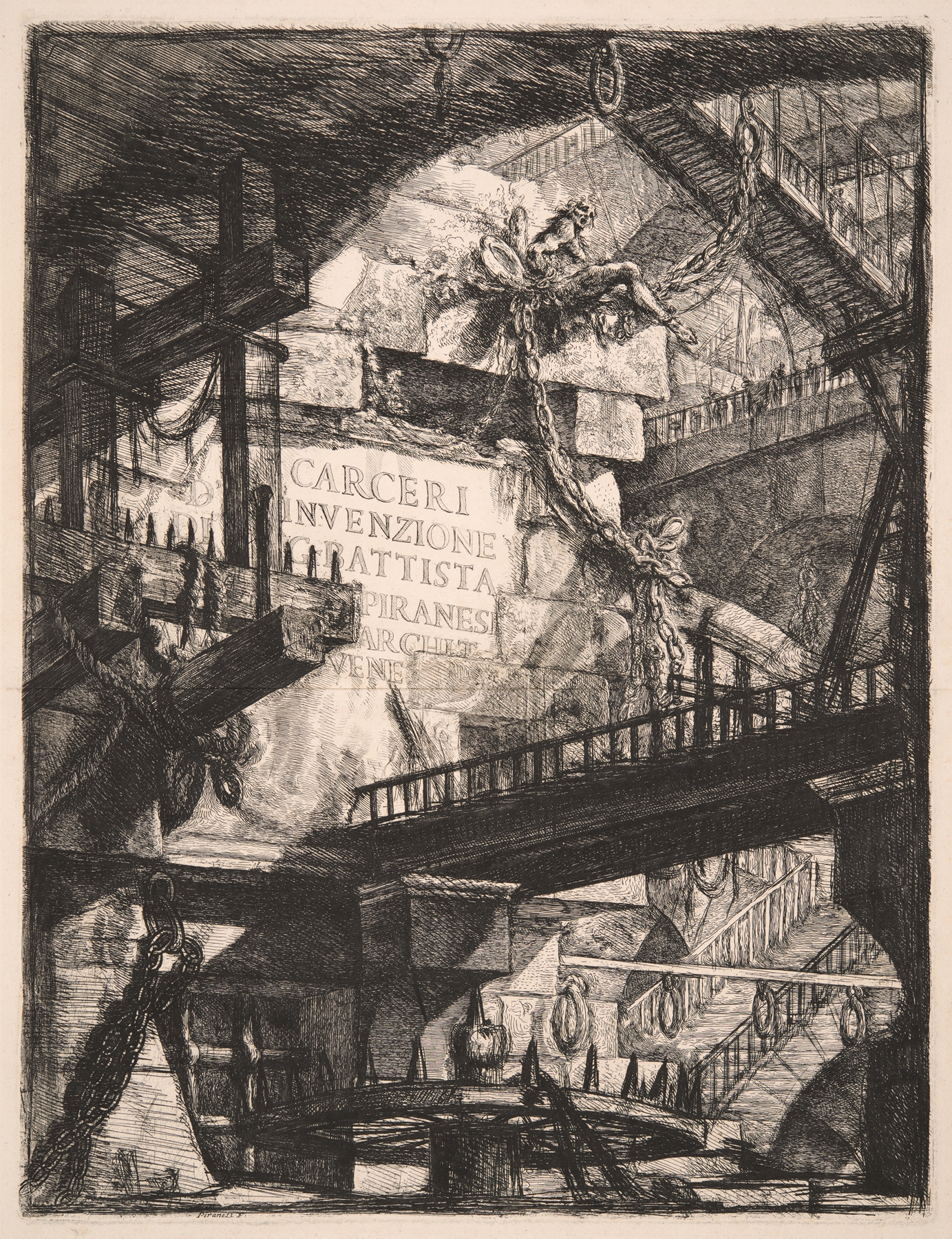
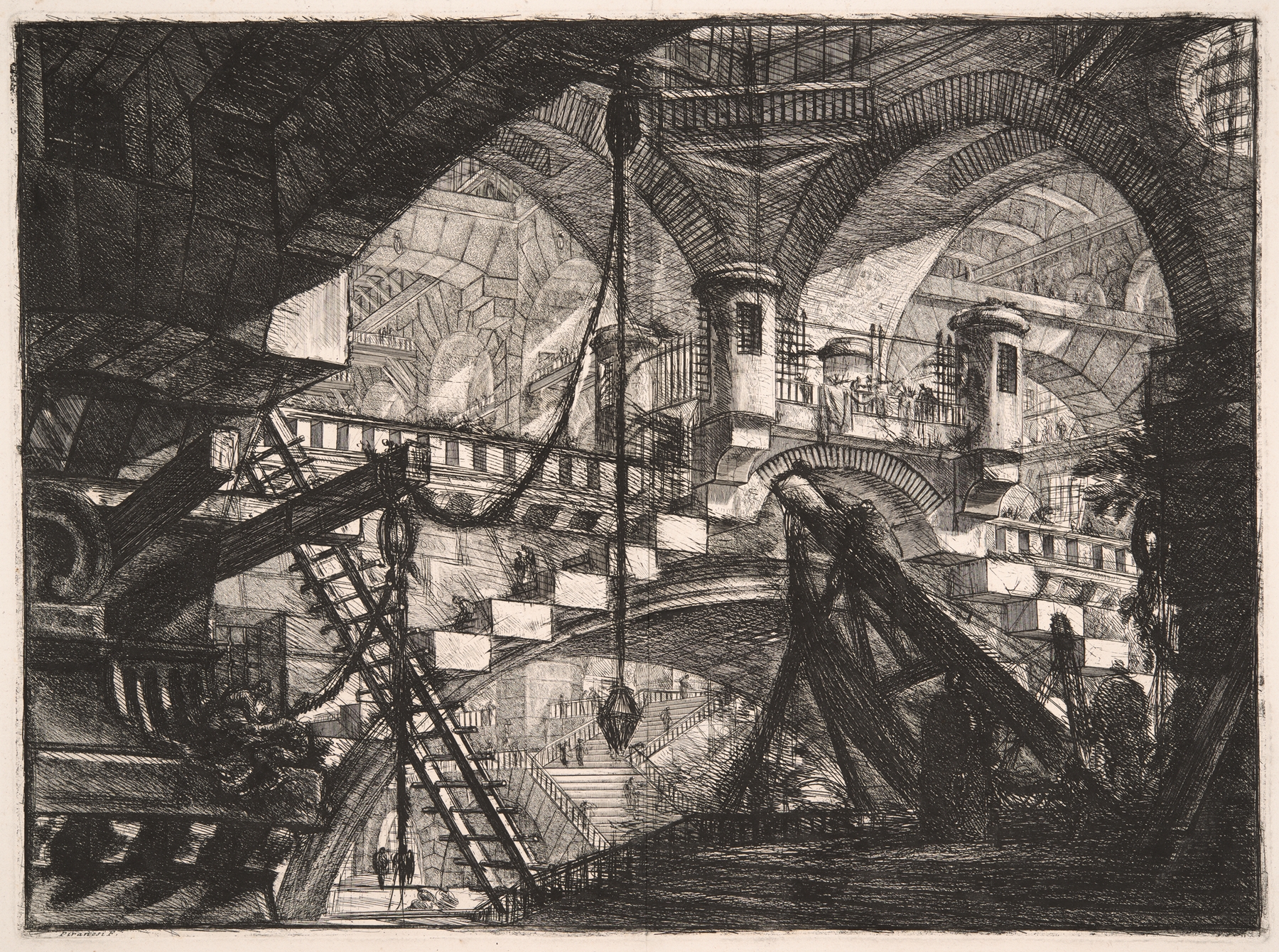
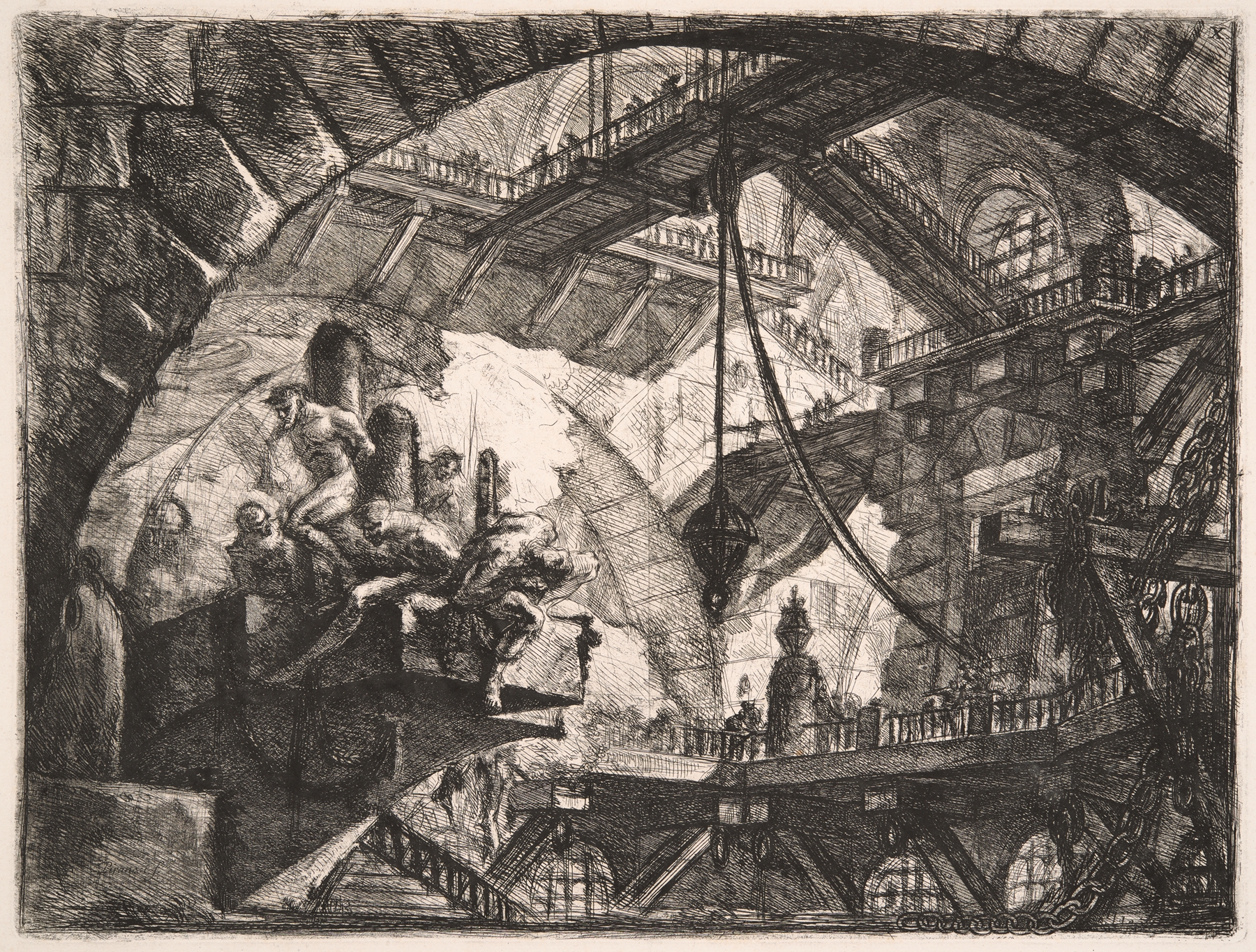
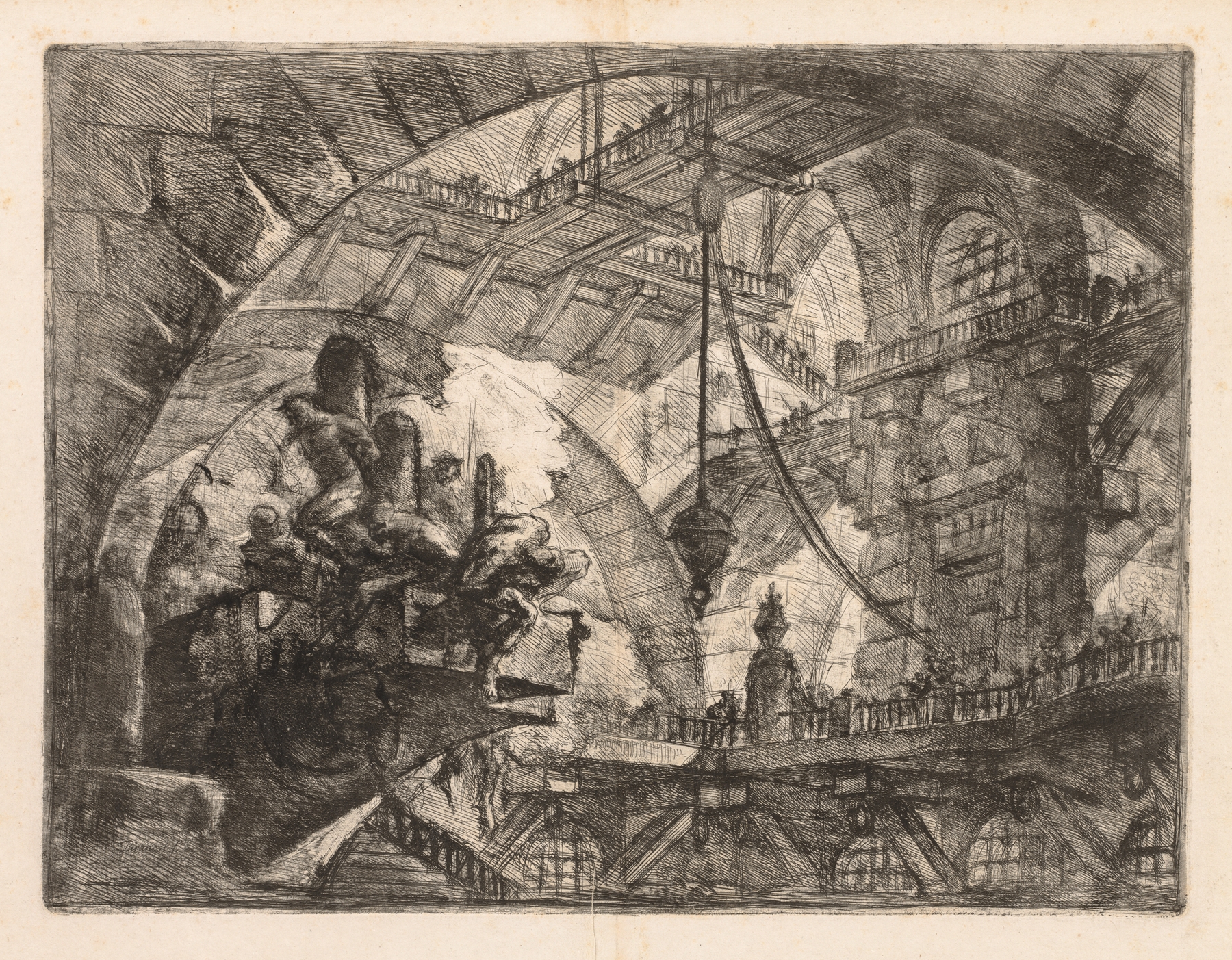
Can beauty exist without sorrow? In Prisoners on a Projecting Platform, the delicate interplay of shadow and light evokes a haunting emptiness that resonates deeply within the viewer. Look to the left and you'll find the stark, angular forms of the imposing architecture, dwarfing the figures of the prisoners. Notice the intricate details of the stonework, meticulously rendered, as they rise towards an oppressive sky.
The stark contrast between the dark, textured surfaces and the soft, ethereal light creates an atmosphere heavy with desolation, drawing your gaze towards the small, isolated figures who seem lost in their monumental surroundings. The emotional tension is palpable as the prisoners, confined yet yearning, embody a struggle for freedom against the backdrop of grandeur. Here, each figure seems to carry the weight of their own despair, their expressions hinting at an unspoken story. The projecting platform itself becomes a metaphor for their precarious existence, suspended between hope and despair, beauty and sorrow, as it juts out into an abyss that promises nothing but emptiness.
In the years 1749 to 1750, Piranesi was immersed in a world rich with artistic experimentation and political upheaval. Living and working in Rome, he was known for his monumental etchings that often combined fantasy and reality. This work reflects his fascination with architecture and its psychological dimensions, signaling a shift in how artists began to convey deeper emotional narratives through their art.