An Artist Studying from Nature — History & Analysis
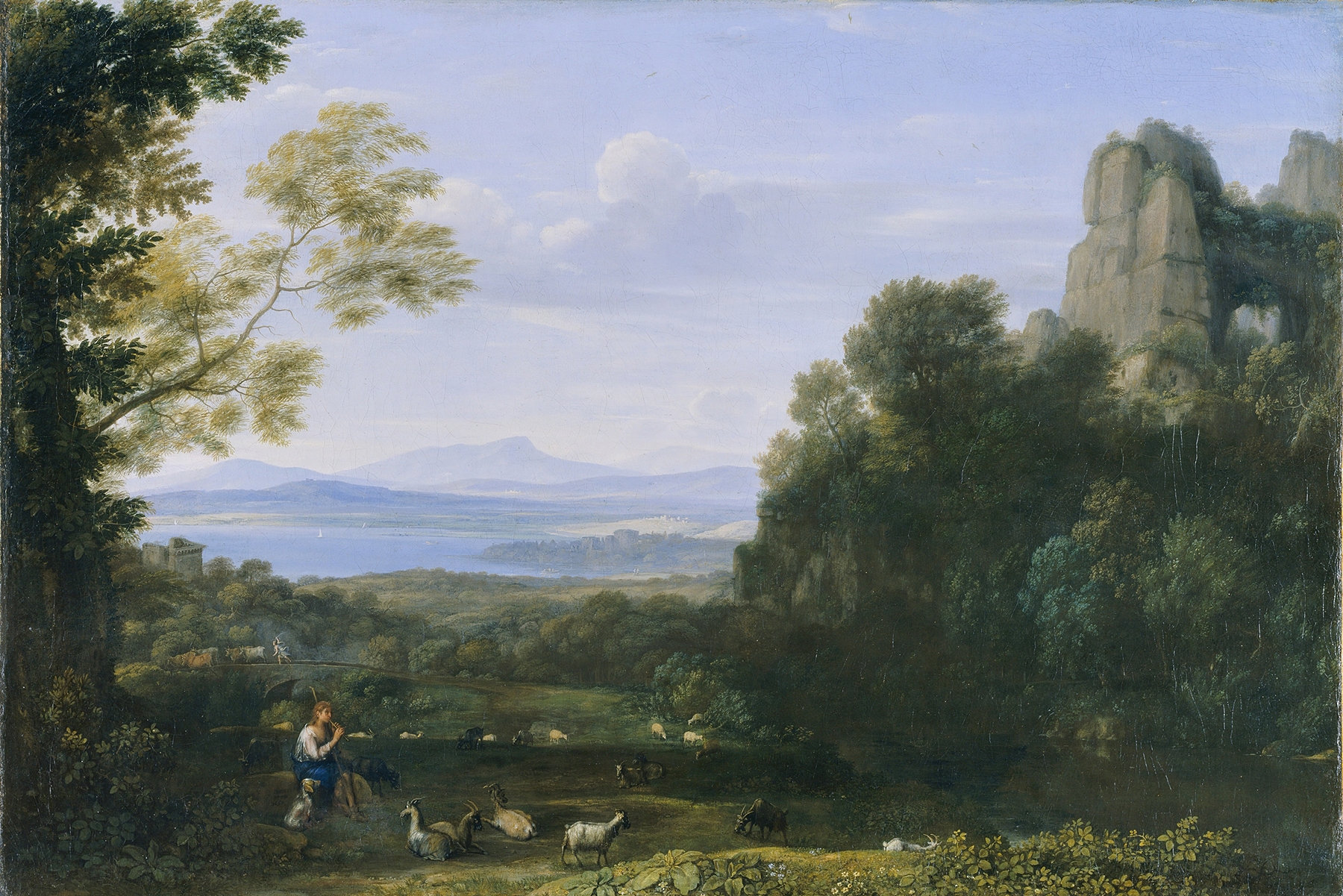
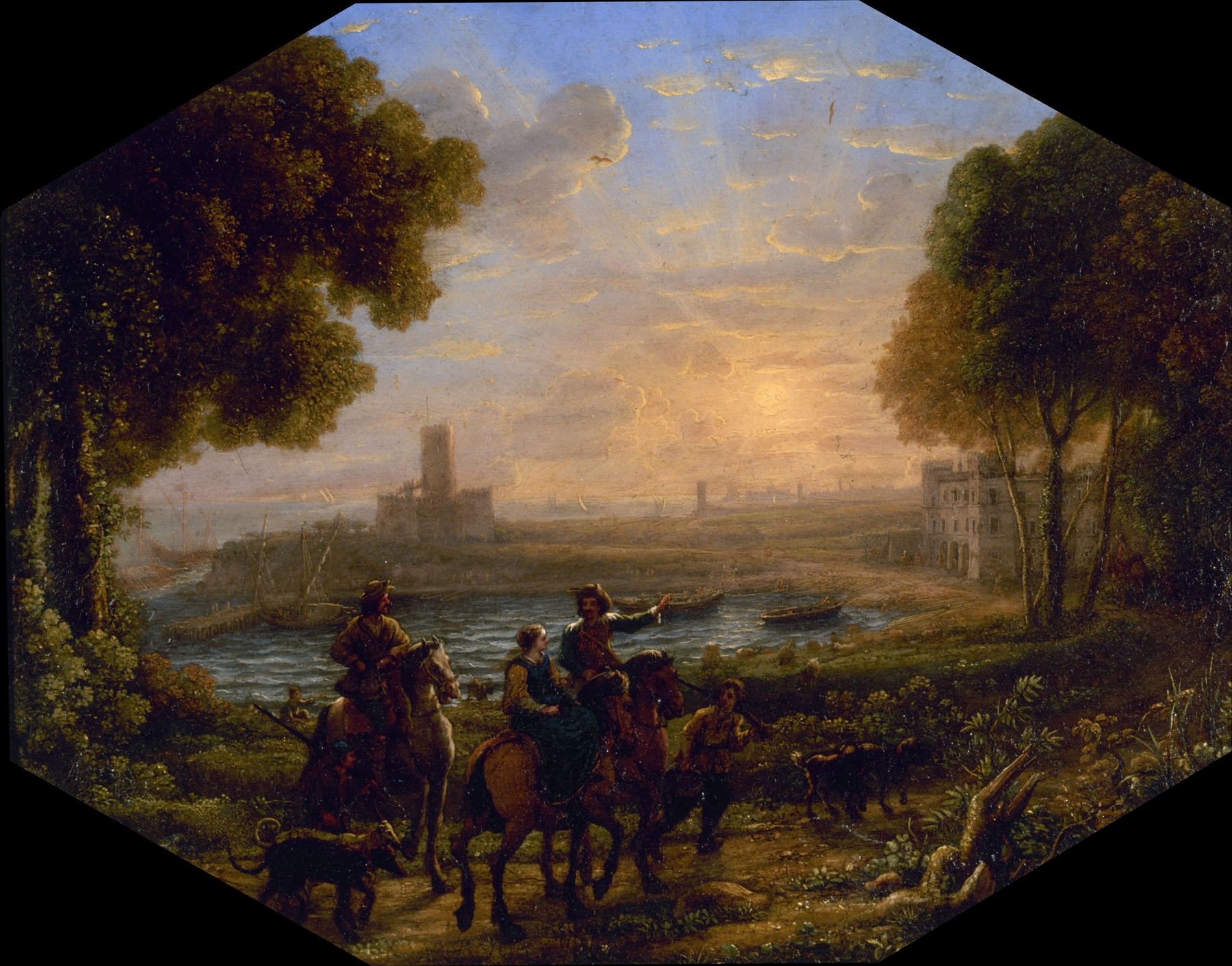
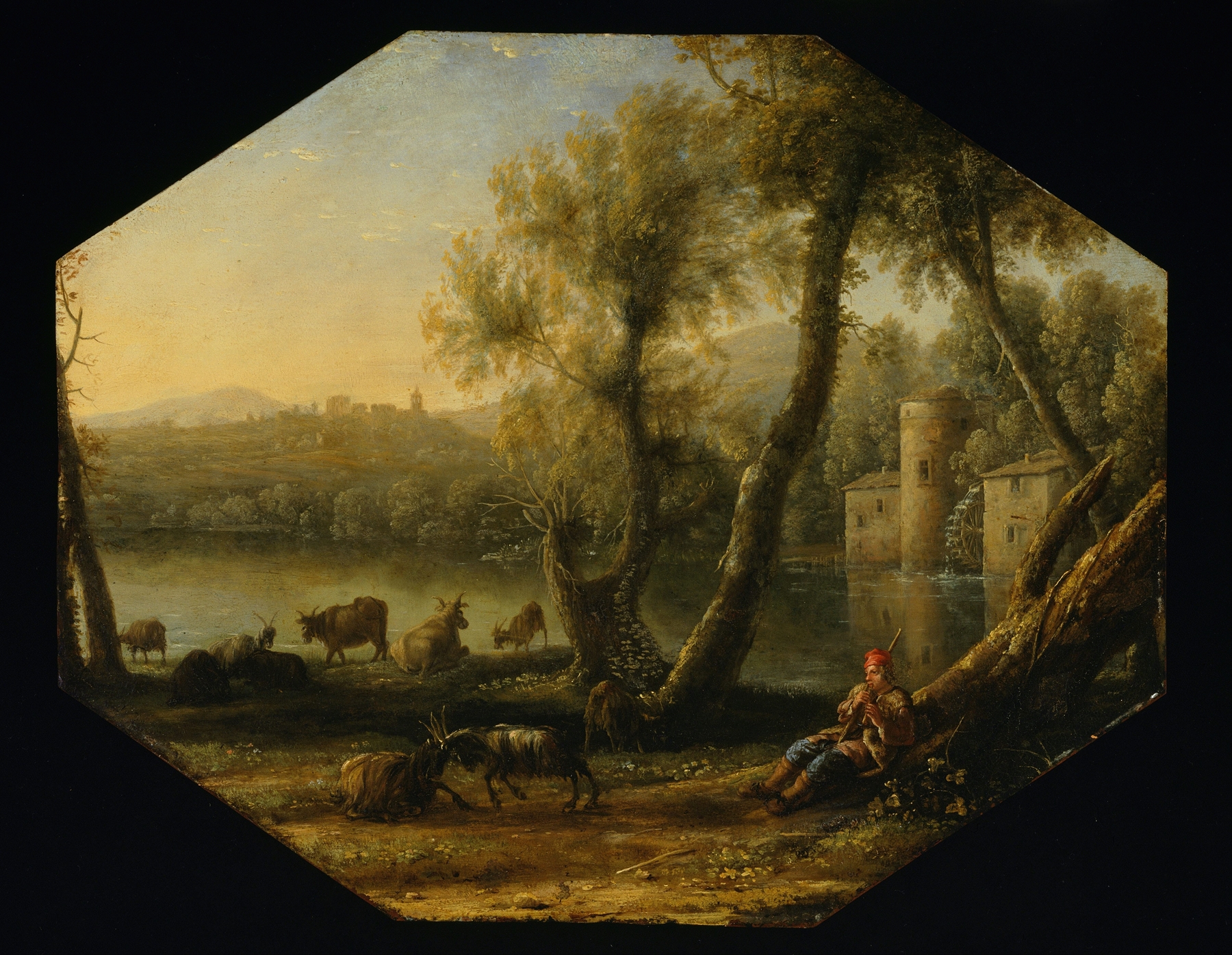
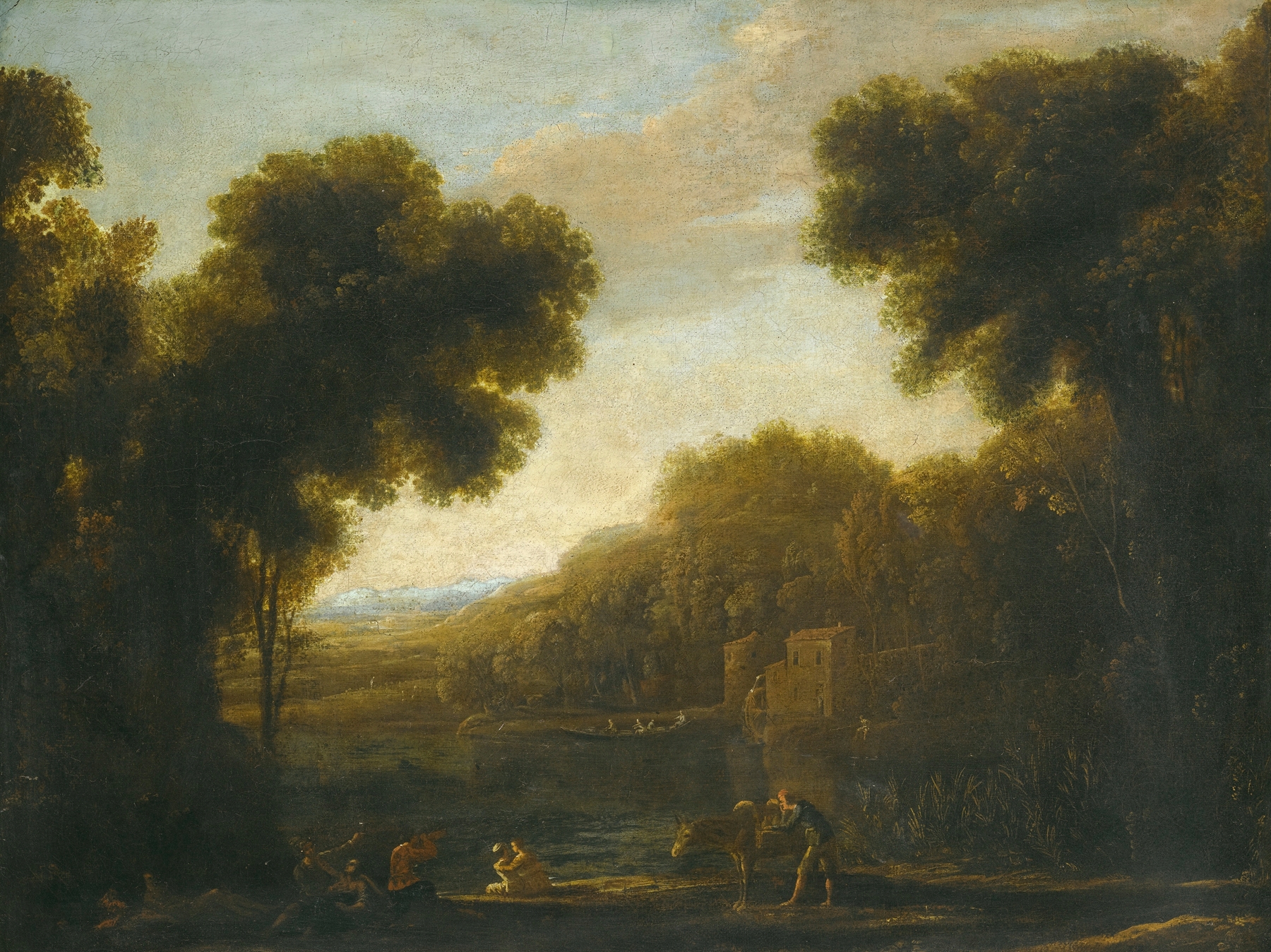
“To paint is to remember what time wants us to forget.” In the delicate interplay of light and shadow, the act of creation unfolds—a conversation between the ephemeral and the eternal. Look to the left at the artist, a figure immersed in his craft, capturing the landscape before him. The gentle sweep of the horizon cradles a sun dipped in golden hues, while wisps of clouds float lazily above. The lush greens of the trees contrast with the earth's browns, drawing the eye toward the horizon line where sky and land embrace.
This careful composition reflects not only technical mastery but also a reverence for nature’s beauty, evoking a sense of serenity in the viewer. Yet beneath this tranquil surface lies a deeper tension. The artist's solitary figure suggests introspection, perhaps a struggle against the fleeting nature of inspiration. The surrounding wilderness, vibrant yet wild, hints at nature's untamed essence—the illusion of control in the artist’s endeavor.
Each brushstroke becomes a dialogue with time, revealing how art serves not just to capture reality but to infuse it with emotional depth. In 1639, Claude Lorrain painted this work during a transformative period in his life while in Rome, where he drew influence from classical ideals. The art world was shifting toward Baroque, emphasizing dramatic light and emotion, which Lorrain masterfully employed. This painting, reflective of his dedication to landscape, secured his legacy as one of history's great landscape artists, blending observation with imagination to create compelling vistas.